Every week, Mongolia faces 60,000–70,000 cyberattacks. In this regard, the country is actively working to improve its cybersecurity, collaborating with "third neighbors" such as Japan and the United Kingdom.
As part of the initiative called "Plan to Strengthen the Security Management System and Emergency Response in Mongolia's Critical Information Infrastructure," with financial support from Japan, preparatory studies have begun.
The main objectives of this plan are:
Strengthening the security of critical information infrastructure;
Developing capabilities for preventing, detecting, and responding to cyberattacks and security incidents;
Improving technical, technological, and institutional capacity.
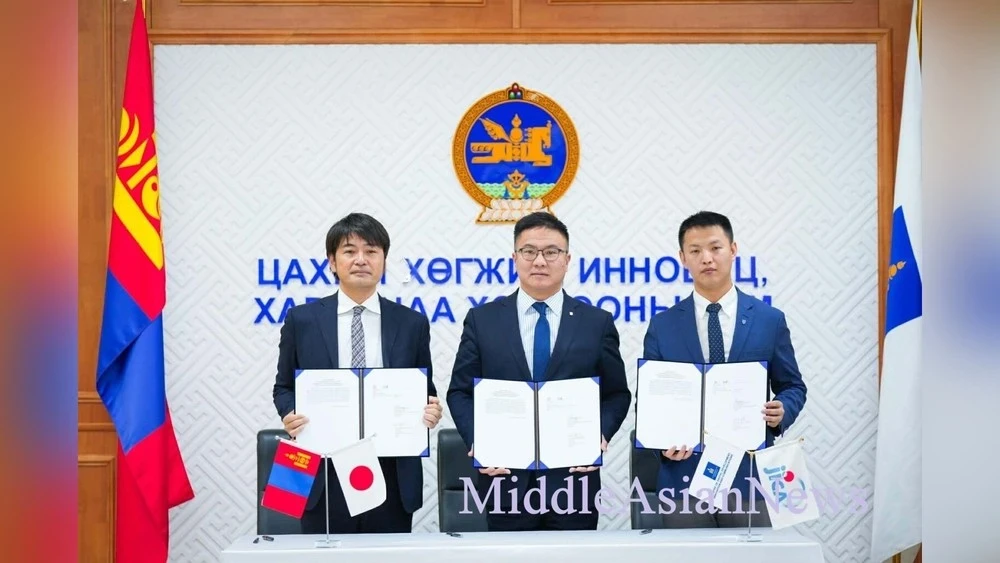
Within the framework of this project, preliminary studies will be conducted, and the results will be submitted to the Japanese government. Upon receiving approval, both parties will sign the necessary documents for the official implementation of the grant aid plan. This cooperation aims to strengthen security ties between the two states, especially in the field of cybersecurity.
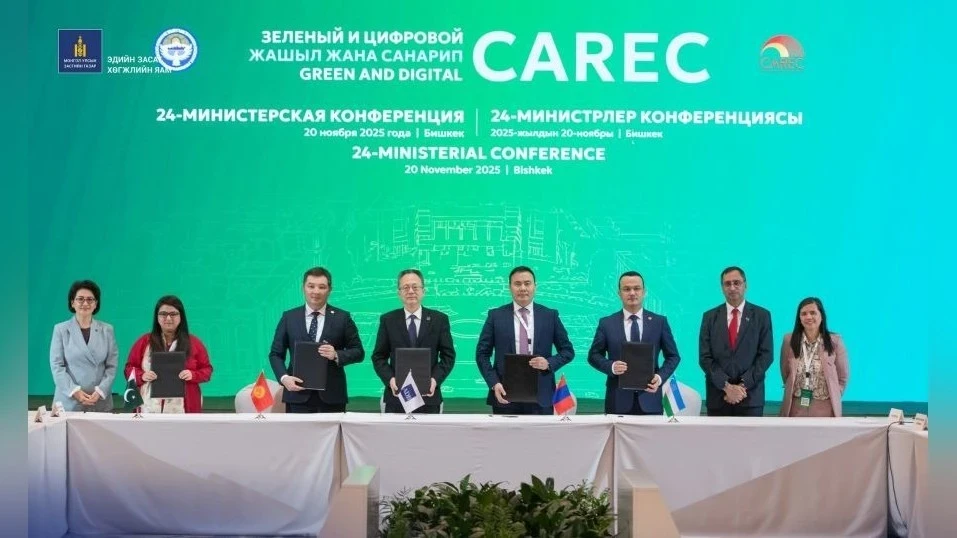
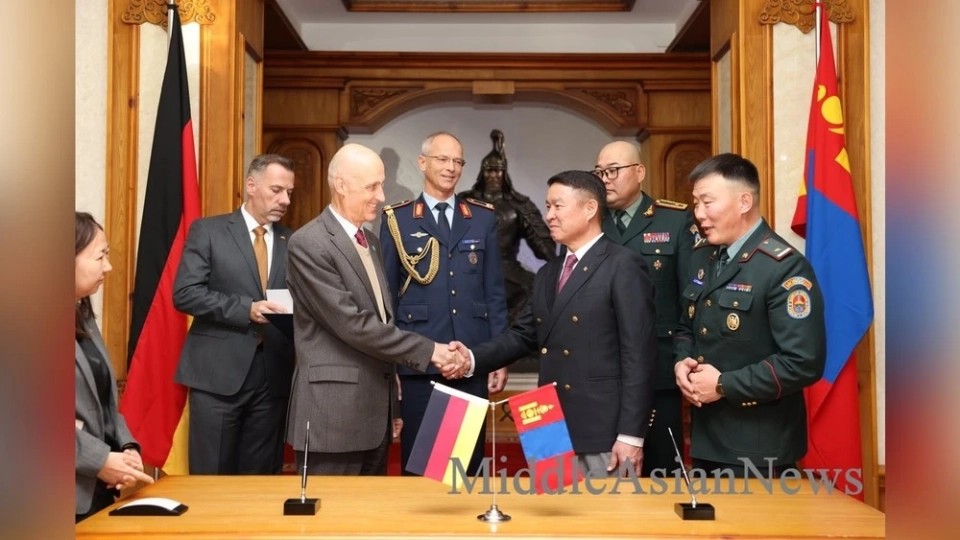
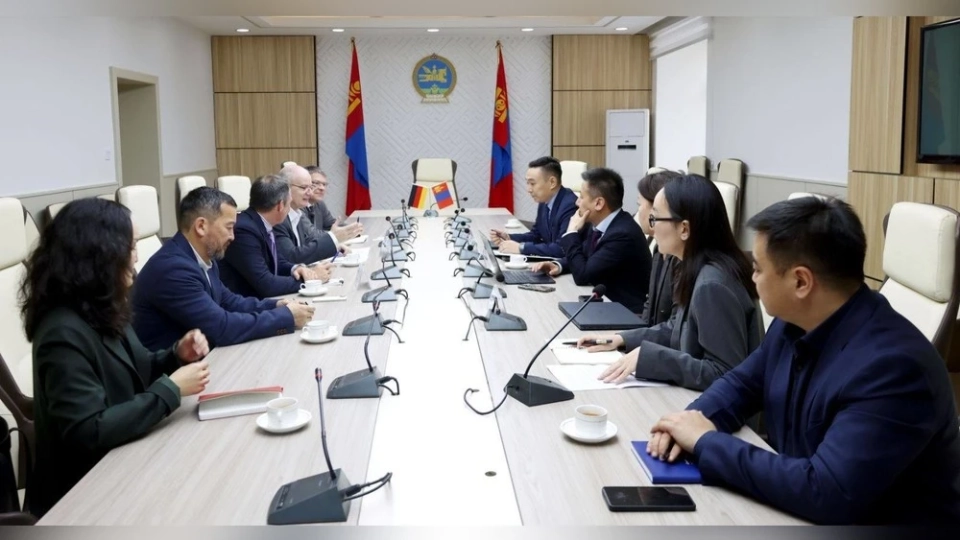
The protocol of the meeting for the preparatory study was signed on the Mongolian side by the Acting State Secretary of the Ministry of Digital Development, Innovation, and Communications, Myagmarnaran Bavuujav, and on the Japanese side by the leader of the research group from the Japan International Cooperation Agency (JICA), Masao Shino, and the head of the Cybersecurity Council service, Baldansambuu Enkh-Amgalan.
The Japanese grant aid is aimed at enhancing Mongolia's cybersecurity level by strengthening its technical, technological, and institutional capabilities in preventing, detecting, and responding to cyberattacks, as well as incidents related to critical information infrastructure.
Tatar S.Maidar
source: MiddleAsianNews