The statement from the company "Tengizchevroil" emphasizes that the process of electricity distribution has been successfully launched, marking the first step towards restoring oil production. Production volumes will be increased depending on the conditions, the press release added.
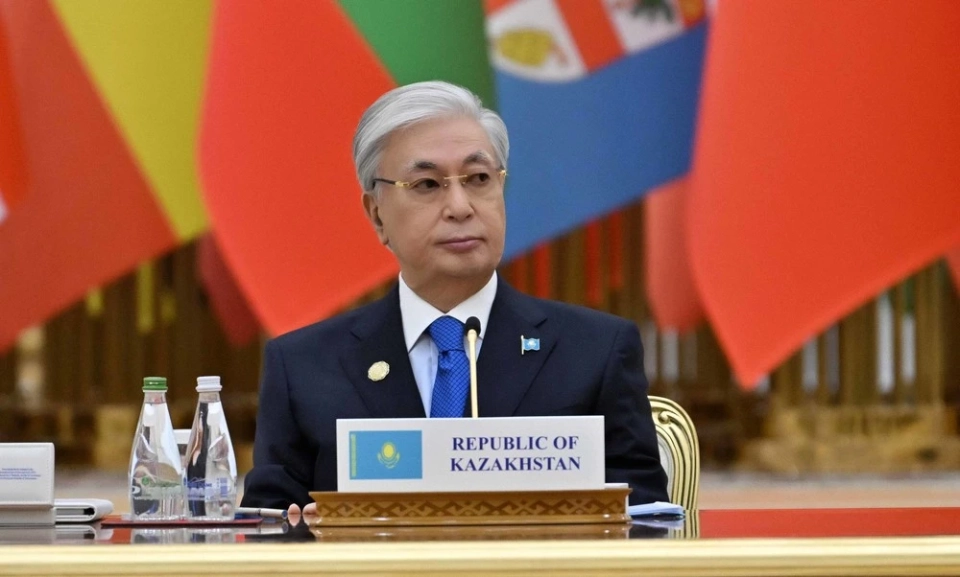
This statement followed shortly after a meeting between Prime Minister Olzhas Bektanov and Peter Larden, Senior Vice President of ExxonMobil, one of the shareholders of TCO. The meeting discussed issues of cooperation in the oil and gas sector and joint projects. The head of government expressed concern about the current situation at Tengiz and emphasized the need for prompt elimination of the consequences of the accident, as reported by the government press service on January 26.
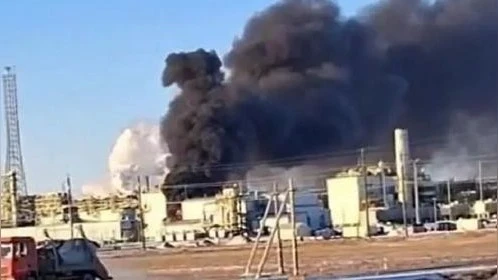
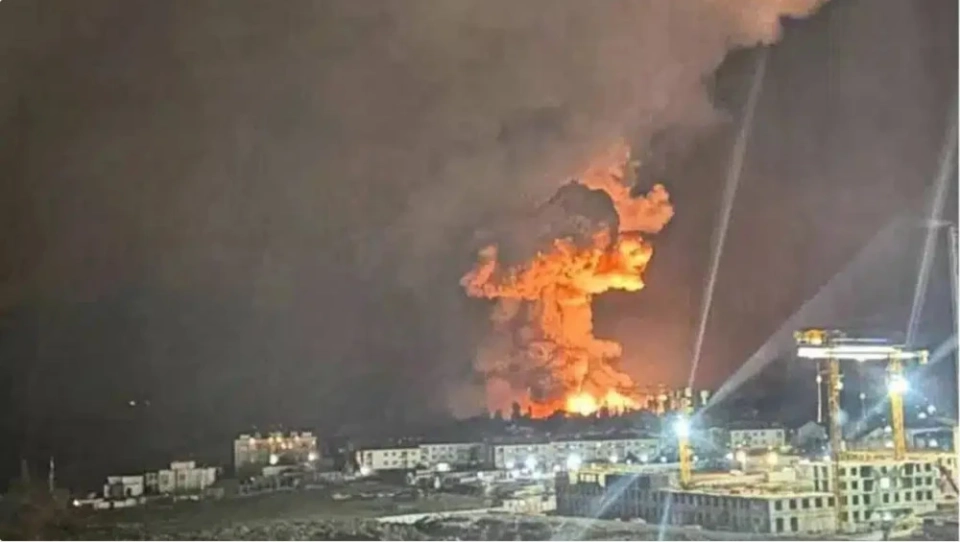
The accident occurred on January 18, when a fire broke out on two transformers at the GTES-4 substation in Tengiz. The fire was extinguished, and personnel were evacuated. There is currently no official information on the causes of the incident. The next day, "Tengizchevroil" announced the suspension of oil production at Tengiz and the Korolev field "due to power supply issues."
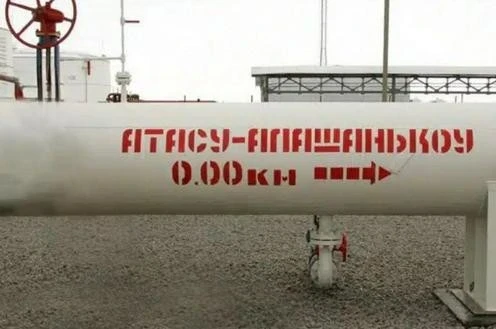
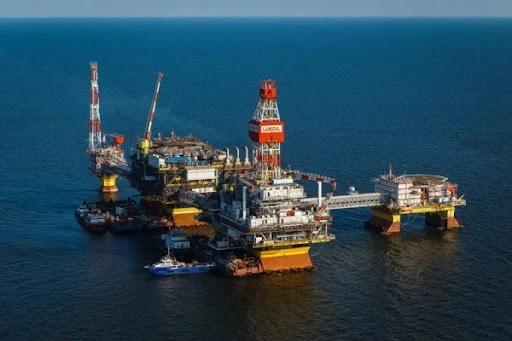
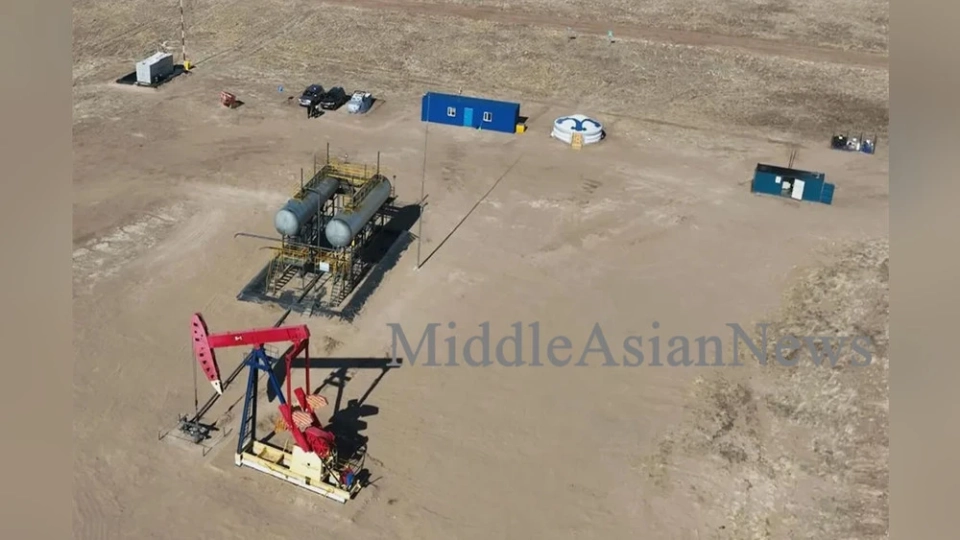
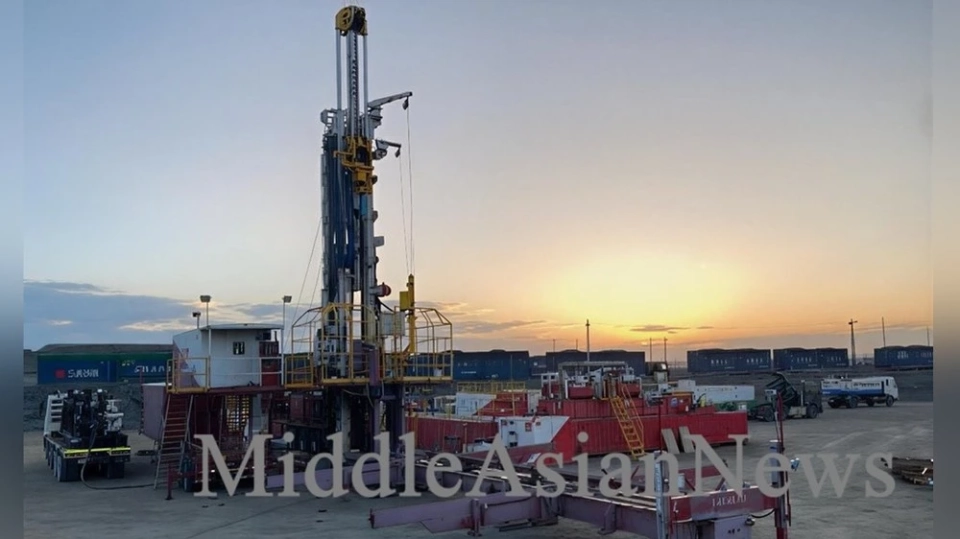
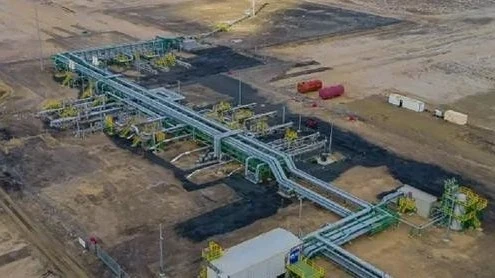
The Tengiz field is the largest oil and gas field in Kazakhstan, located in the Atyrau region, approximately 350 km southeast of the city of Atyrau. The Korolev field is located 20 km northeast of Tengiz. Both fields are operated by "Tengizchevroil," whose shareholders include Chevron (50%), ExxonMobil (25%), KazMunayGas (20%, a subsidiary of Samruk-Kazyna), and Lukoil (5%).
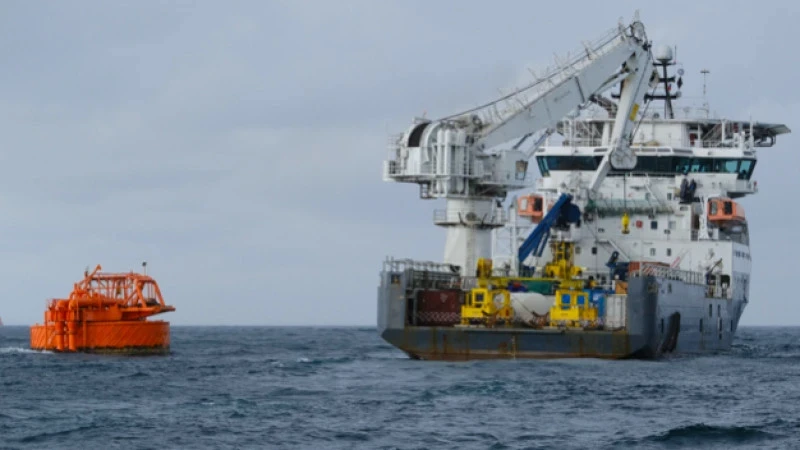
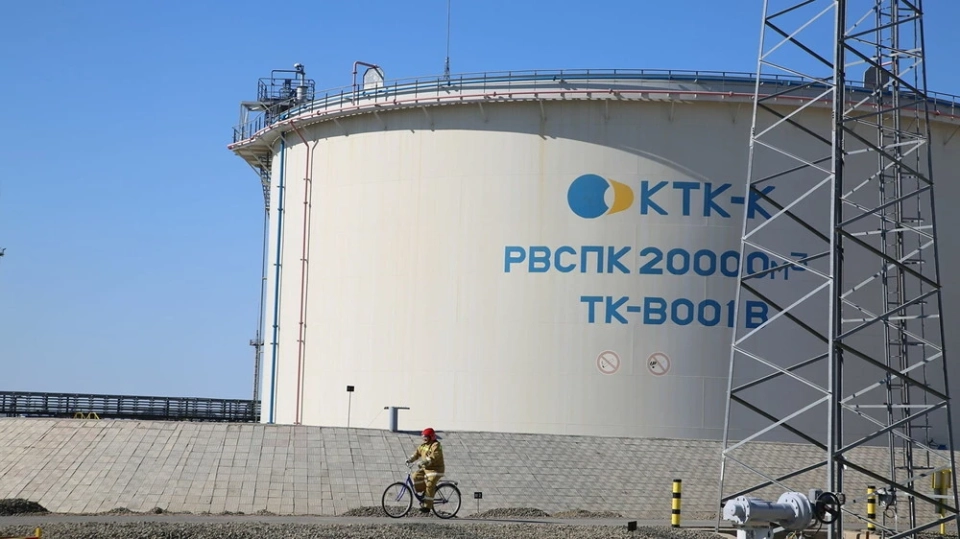
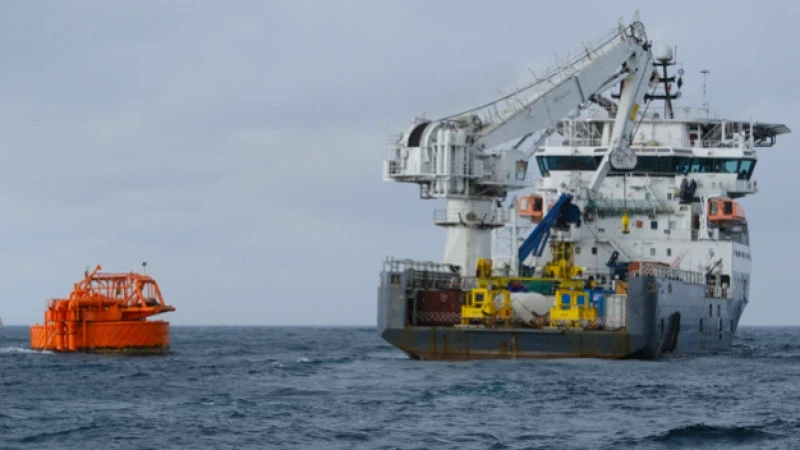
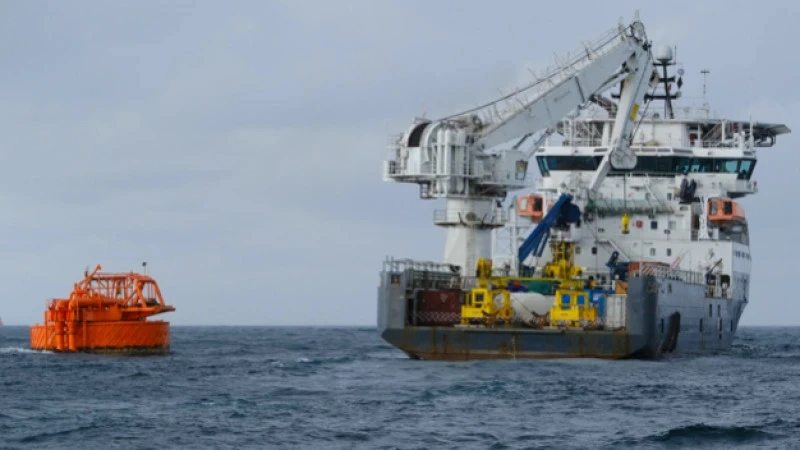
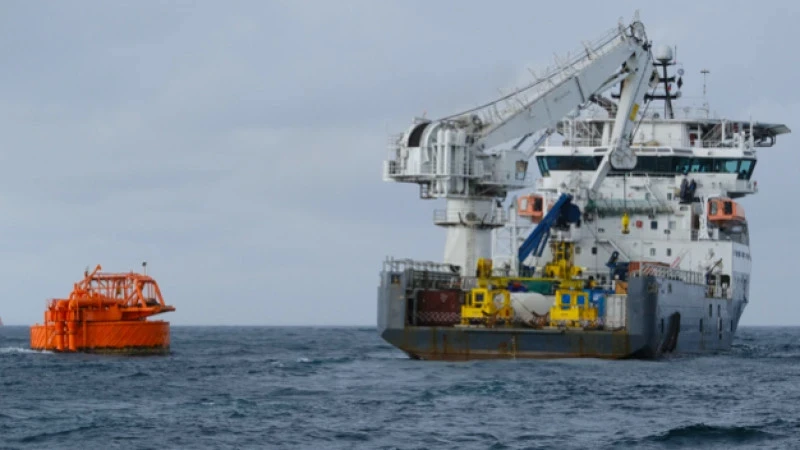
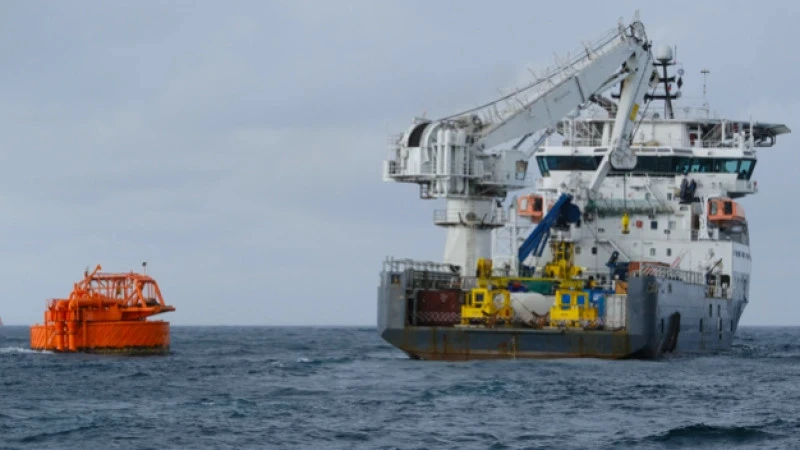
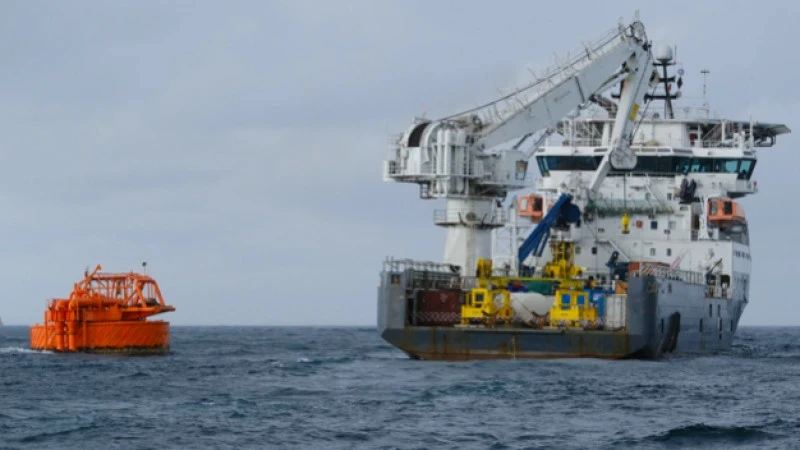
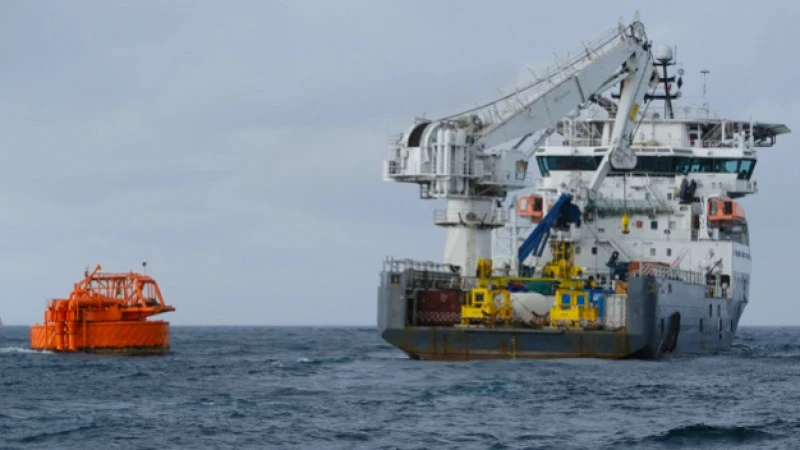
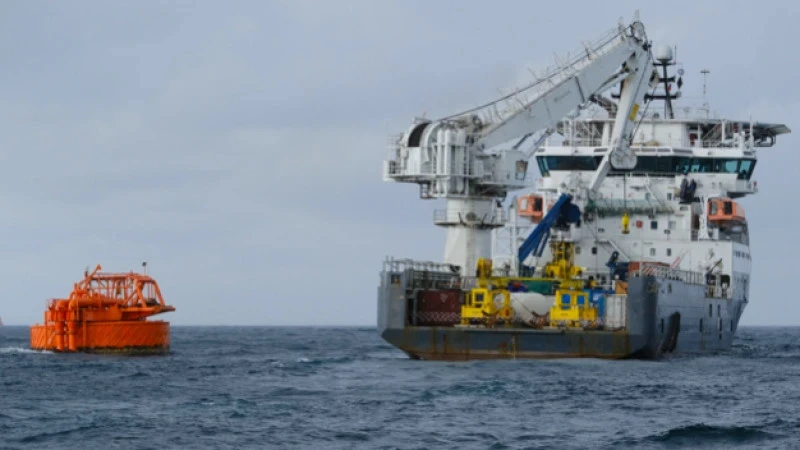
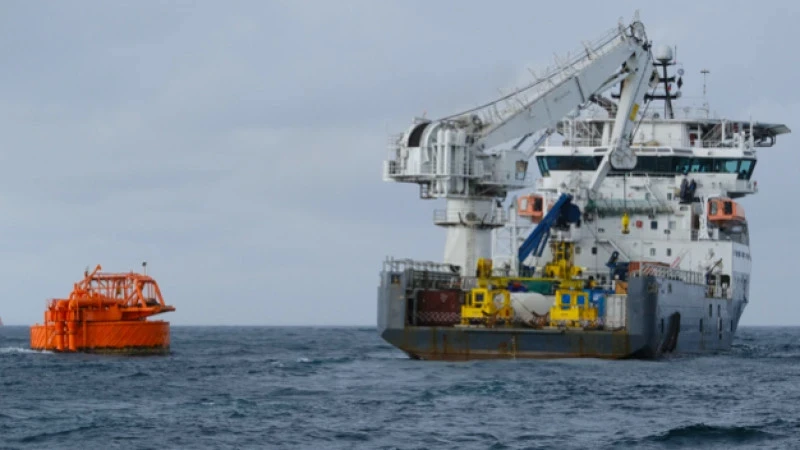
Most of the extracted oil is exported through the Caspian Pipeline Consortium (CPC) system. However, due to damage at the marine terminal in South Ozerievka (near Novorossiysk), some oil has been redirected to alternative routes. At the end of November last year, the terminal was attacked by drones, leading to the failure of the offshore mooring device VPU-2. This occurred while the third offshore mooring device was under repair, negatively affecting the volumes of Kazakh oil exports.
As of today, the CPC has completed repairs on VPU-3, which lasted from mid-November, and is now loading oil from two of the three offshore mooring points.