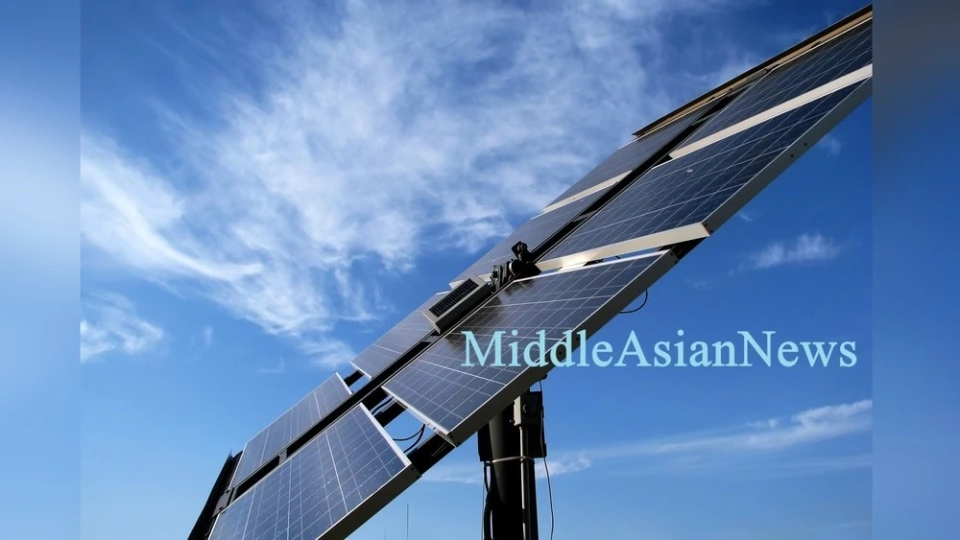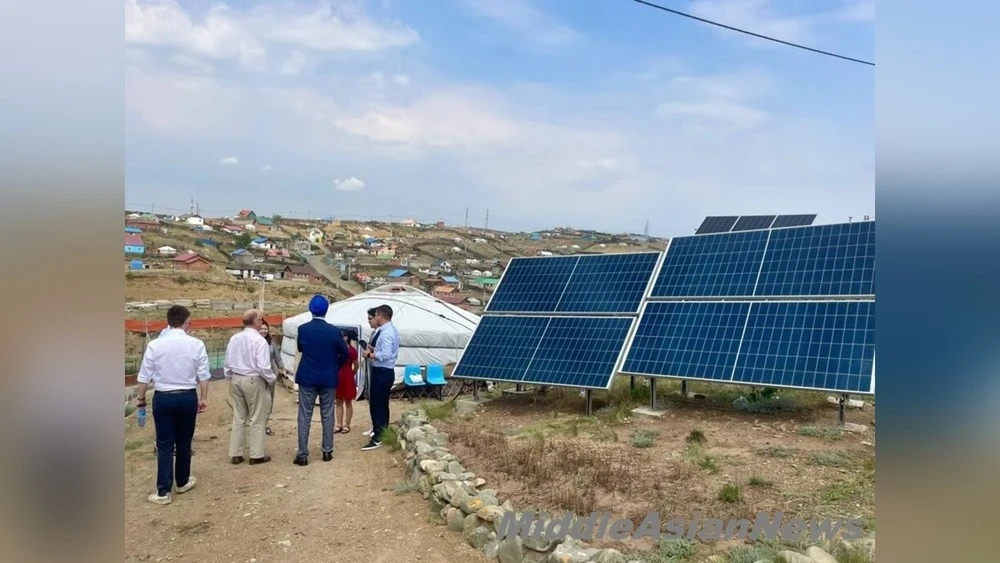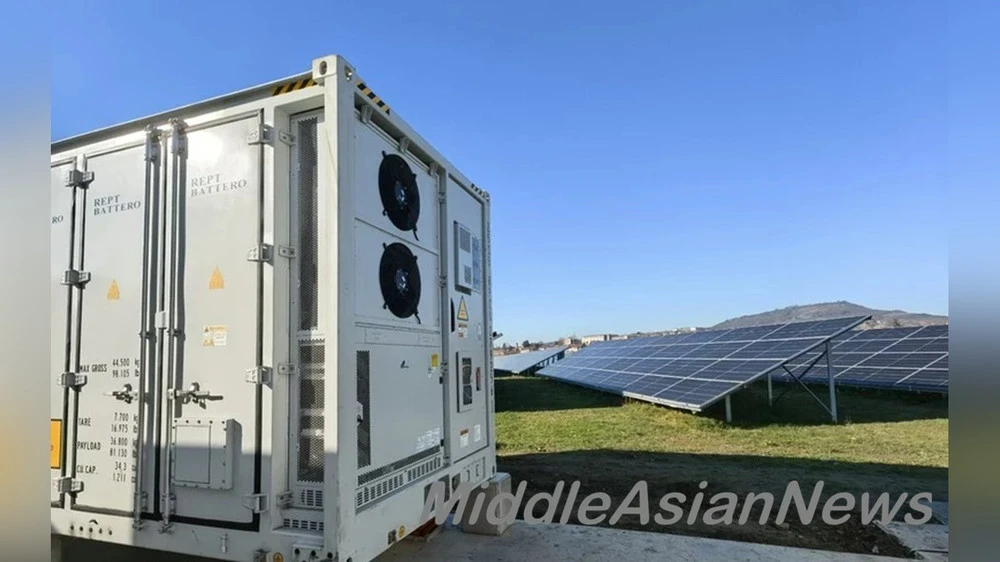
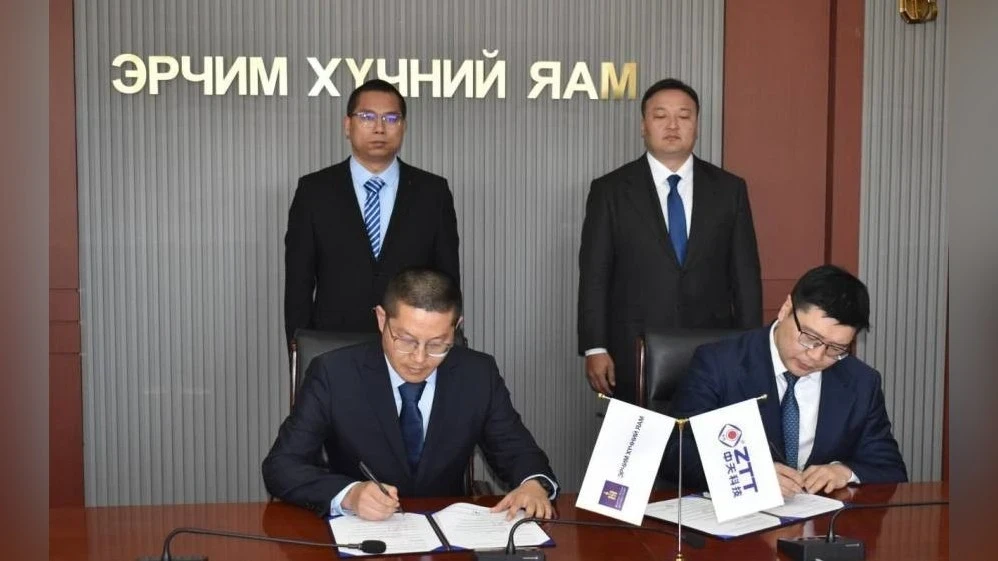
The Ministry of Energy has signed a contract for the construction of a solar power plant in the Myangad sum of Khovd aimag. The project, titled "Scaling Up the Renewable Energy Sector," is being implemented with financial support from the Asian Development Bank. Under the turnkey contract, Chinese companies Zhongtian Photovoltaic Technology and Jiangsu Zhongtian Technology will construct a power plant with a capacity of 19.8 MW, which will also be equipped with an energy storage system based on battery storage with a capacity of 8 MWh.
This solar power plant with a capacity of 19.8 MW is classified as a medium-sized project, capable of providing electricity to between 7,000 and 20,000 households, depending on the level of solar activity and consumption. Typically, such installations require about 90-100 acres of land and help reduce carbon dioxide emissions by thousands of tons per year. For example, in Alberta, Canada, a similar 19.8 MW power plant serves about 7,000 homes, while in the Philippines, a similar station supplies at least 20,000 households.
The contractor is one of the largest Chinese enterprises operating in various countries, with over 80 subsidiaries and 16,000 employees. The company has experience in implementing large projects in Mongolia, including the country's first battery energy storage project. The financing for the construction will be provided through a loan from the Asian Development Bank and a grant from the Climate Investment Funds; 40% of the total amount will be provided as a grant from the ADB, highlighting the project's importance. Oversight of the implementation is entrusted to the Ministry of Energy and the Project Implementation Unit, with a planned commissioning period of 300 days.
This project will become the fifth energy source being developed by the Ministry of Energy in the western region as part of a program to expand the use of renewable energy sources. The solar power plant in Myangad is expected to generate 39.3 million kWh annually, which will reduce imports by 17% and save about 2 million dollars each year. It is also planned to reduce greenhouse gas emissions by 34,600 tons per year. During the construction process, more than 150 temporary jobs will be created, and after the project is completed, 14 permanent jobs will remain.