Mostly, this profession is occupied by women. They start their shift at noon and finish at six in the morning the next day, during which time they perform both deep cleaning and routine maintenance in the buses.
“First, we, a team of four, do a deep clean — we clean and wash everything from the ceilings to the floors. We work on the chewing gum that sticks to the handrails, windows, and seats. For this, we are provided with metal scrapers, with which we scrape off the gum. Then we treat everything with 'Domestos' and finish when everything shines. This cleaning is called a deep clean,” she shares.
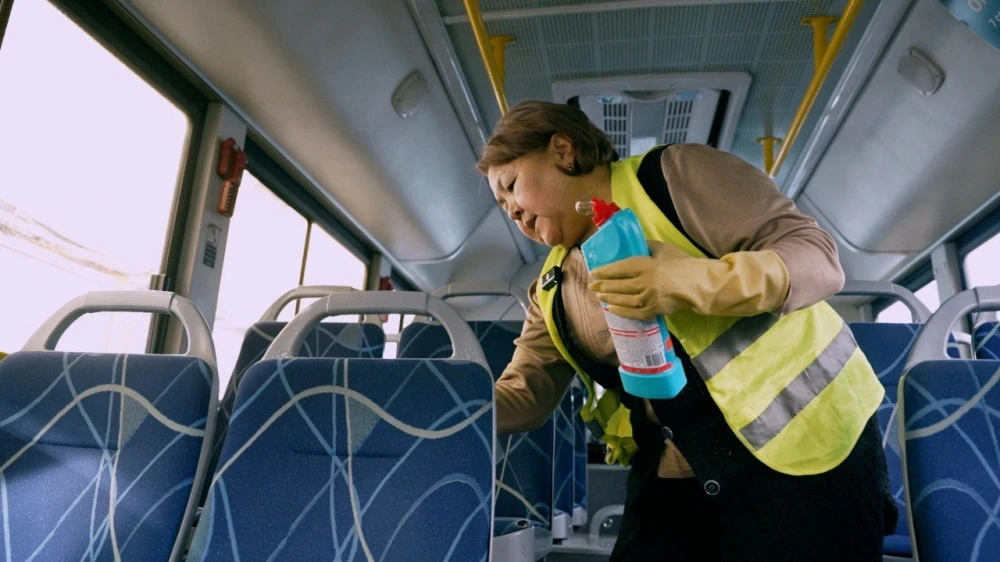
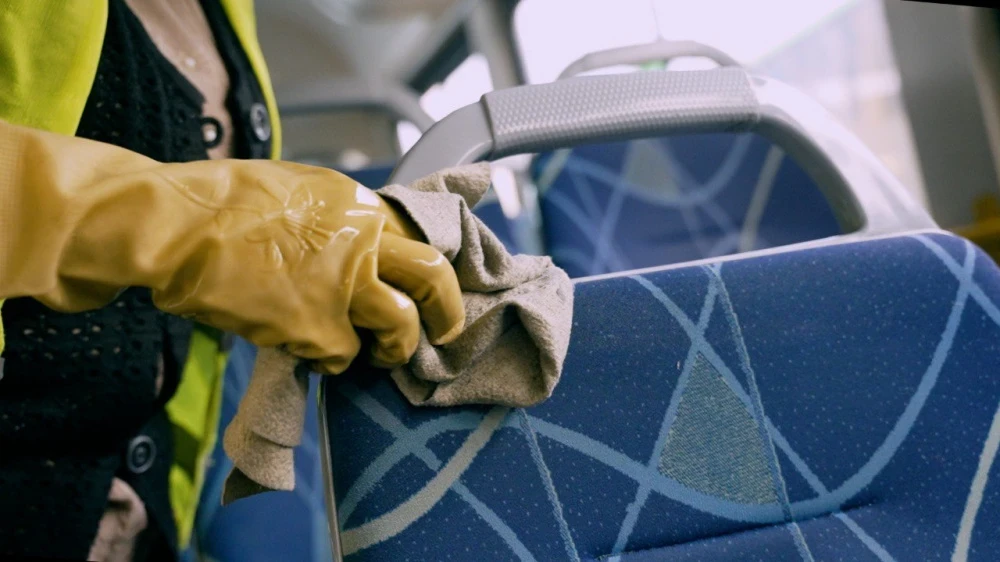
During one shift, cleaners conduct a deep clean in 5-8 buses. Additionally, each of them washes the floors in 20-40 buses overnight. The work schedule is one day on, two days off, which amounts to ten working days a month with a salary of just under 27,000 soms.
“Previously, I worked as a lab assistant and an accountant's assistant, and I also managed to work as an office cleaner. When an acquaintance offered me this job, I was already retired. I agreed because at my age, I need to move more, and then I liked working with buses,” Boobekova recounts.
At first, it was difficult because I wasn't used to such a pace. Over time, my hands got used to it, and it became easier. Some can't handle it and quit, but many stay.
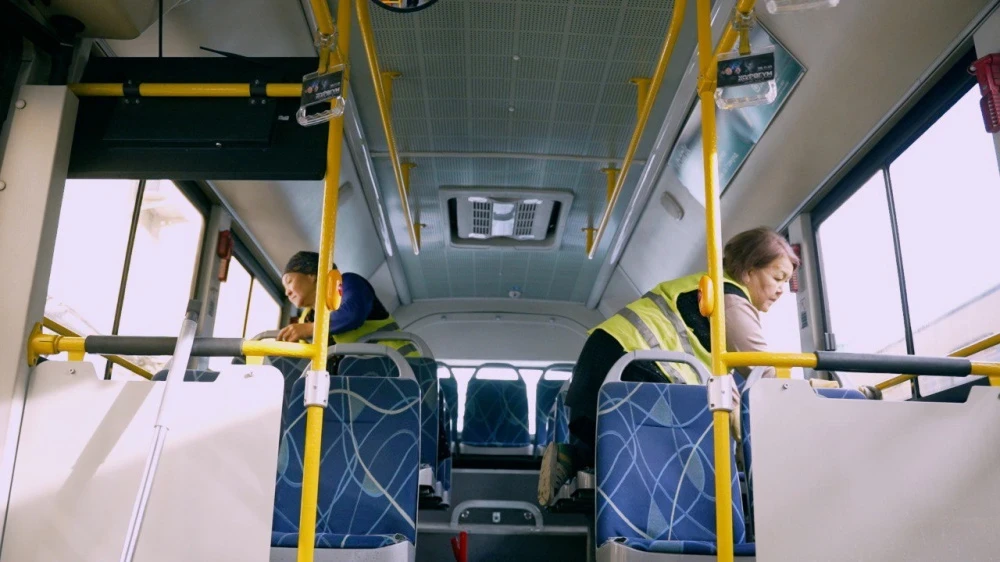
It's a job that's hard to endure. Not everyone stays in the profession.
Despite the difficulties, Gulmira is not afraid of her work.
“Most of us are people raised in the Soviet Union. We were taught that if you take on a task, you must see it through to the end. I feel a responsibility for my work, just like others do. We don't think about not cleaning something if we don't like it. Although in our work, we encounter things that can be disgusting,” she admits.
Some may feel sick, but they don't clean up their vomit. We clean everything.According to Boobekova, trash is most often left by adult passengers.
“Once, I entered a bus, and all the walls and floors were covered in raspberry jam. It's unlikely that a child could have done that. Most likely, it was an adult who was carrying it and dropped it. And juice spilled by a child is also usually the fault of adults who give them open drinks on the buses. Of course, if a child can't hold the juice, they will drop it. Everything spreads out, and people step in the puddle, and by evening it turns into a sticky mass,” she explains.
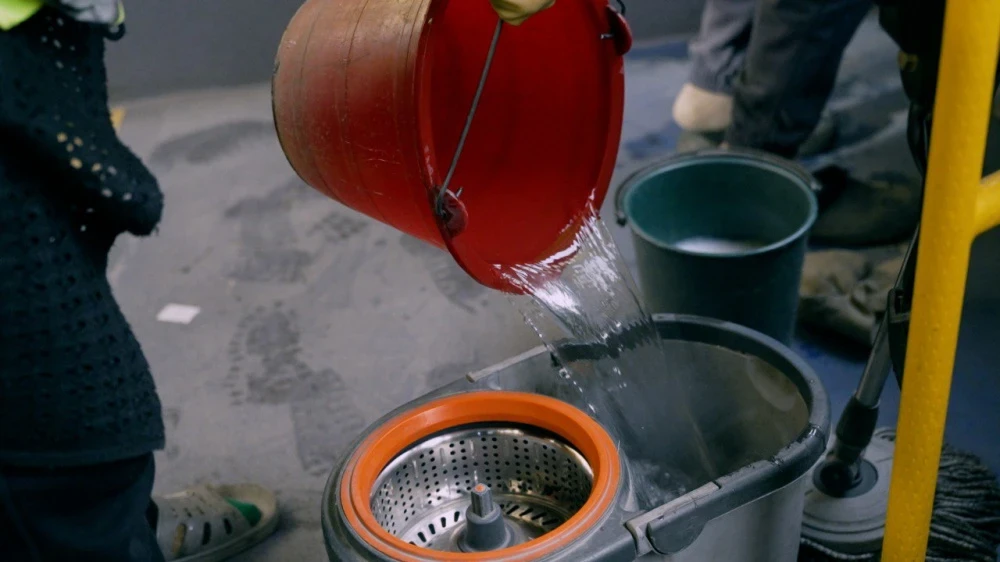
Chewing gum on handrails, sticky juice on the floor, and bags of trash after each shift.
It's surprising how much trash passengers leave in the buses. Cleaners take it out almost in bags, especially in summer when people are thirsty.
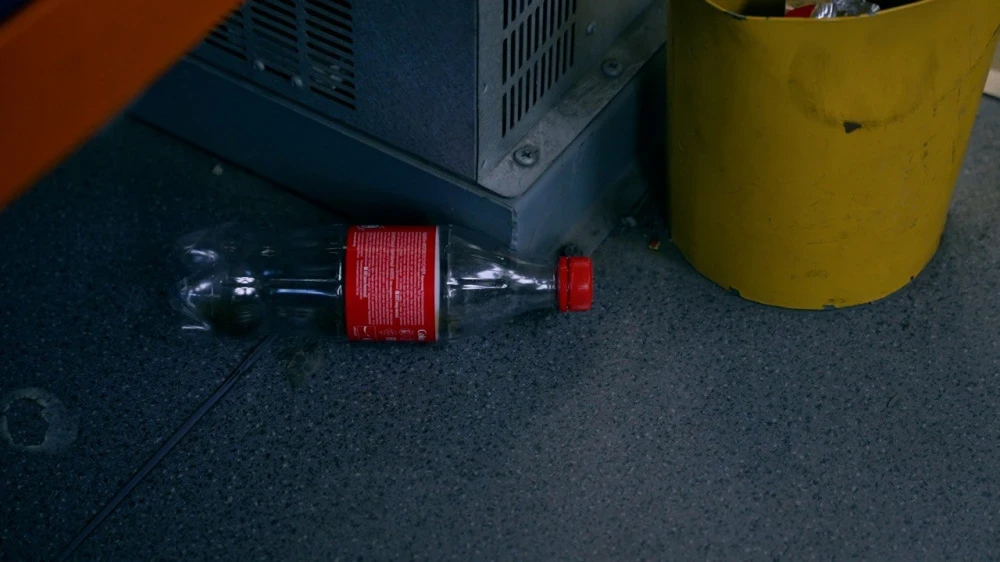
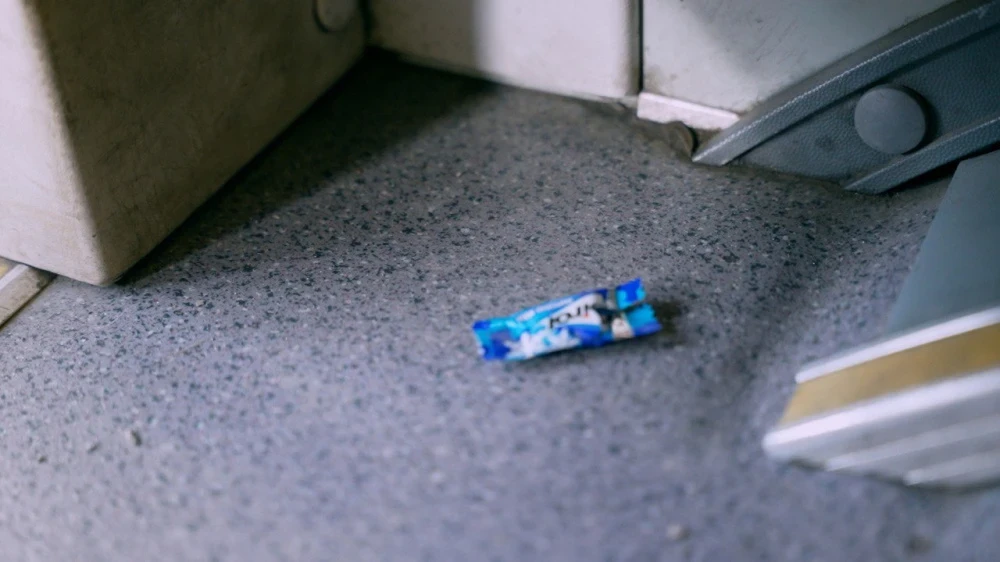
“In summer, there are especially many plastic bottles. At other times of the year, there are wet wipes, chewing gum, tickets, and other trash. The back seats are usually occupied by young people, and there you can find all sorts of trash: sunflower seed shells, candy wrappers, and even apricot pits,” she notes.
People could take their trash to the bin. It's a pity that people lack the awareness to throw trash in the bins.
Despite all the challenges, Gulmira Boobekova loves her job and hopes for respect from passengers for the work of her colleagues.
“It would be wonderful if passengers treated what we do with respect. We can clean any dirt and take out the trash from the bus. But why stick chewing gum? If they just threw it away, we would clean it. But it sticks to the windows, handrails, and walls of the bus. Then it dries, and we have to scrape it off with a metal scraper,” she explains.
I might be told: 'Just clean quietly since you get paid.' Yes, I get paid for my work, but that doesn't give others the right to litter intentionally.
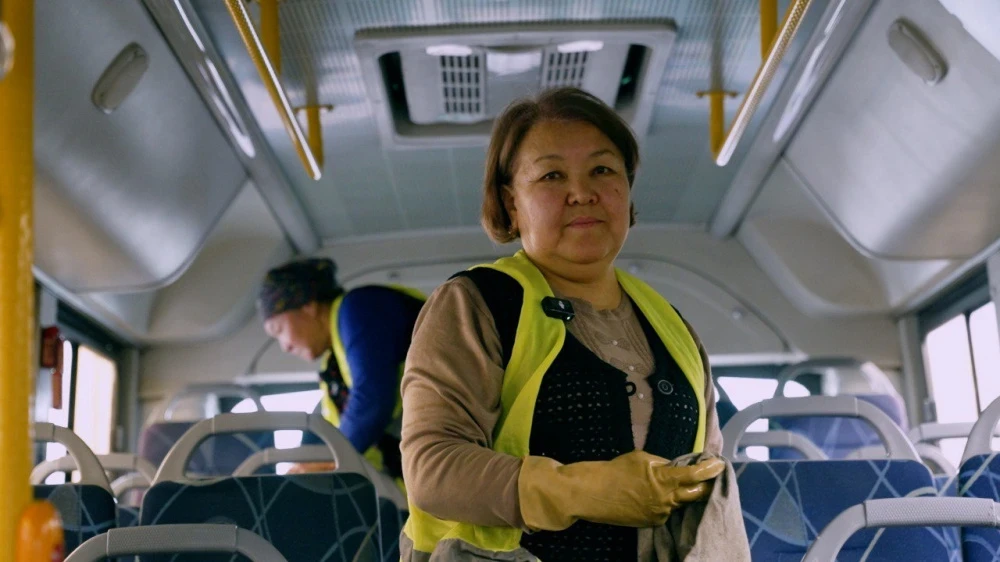
Gulmira Boobekova.