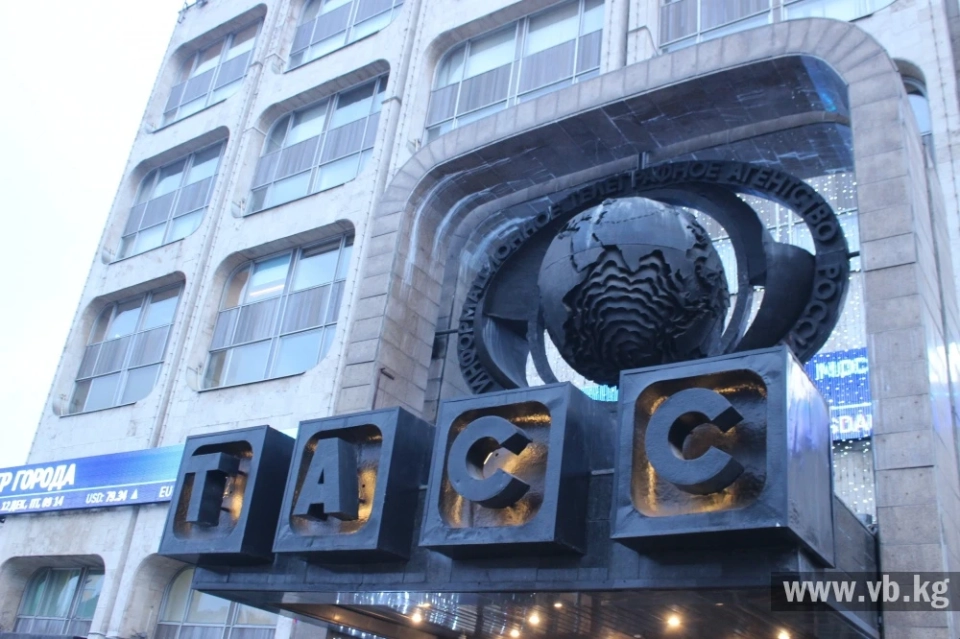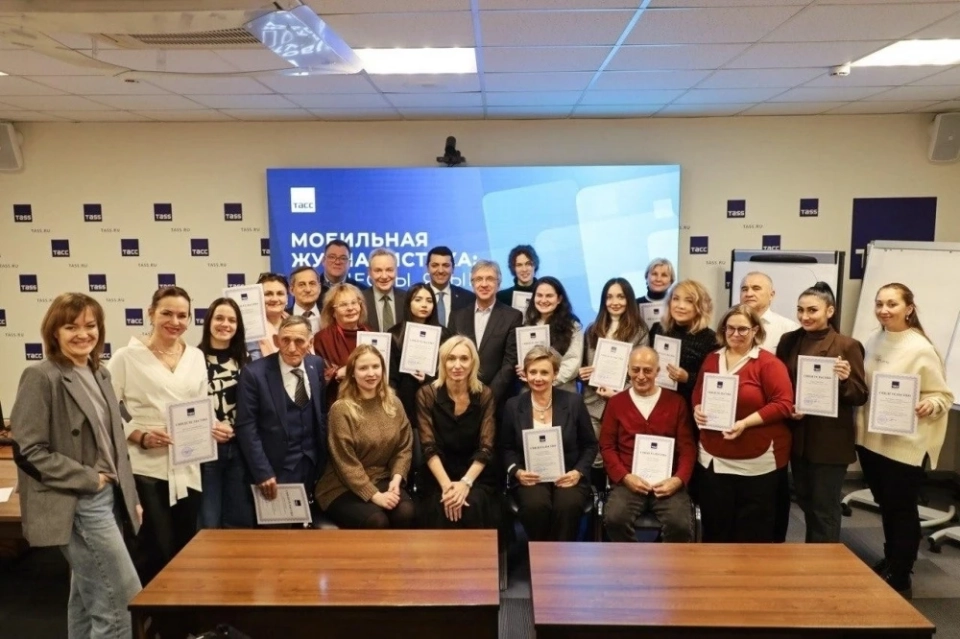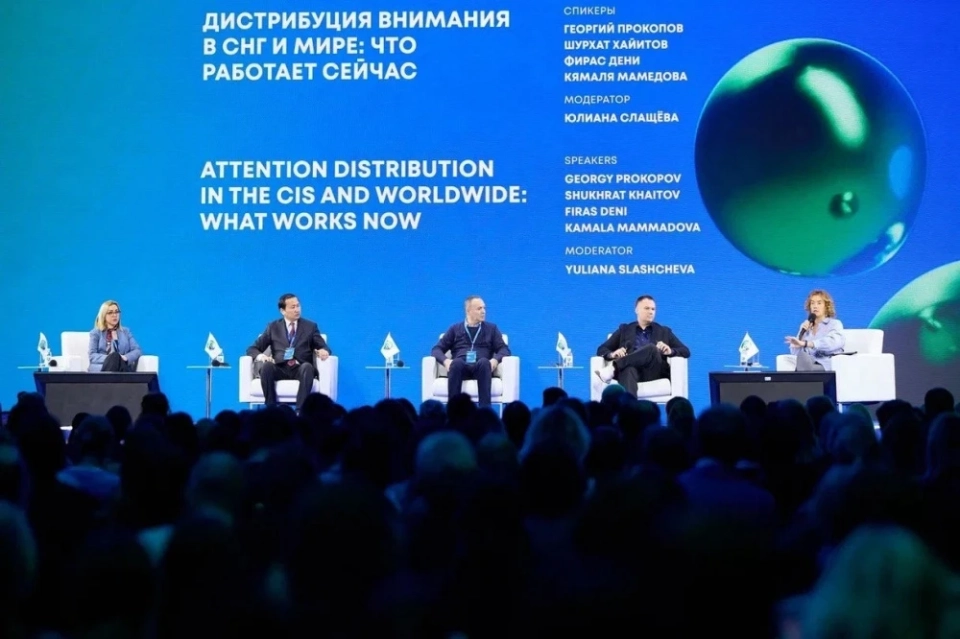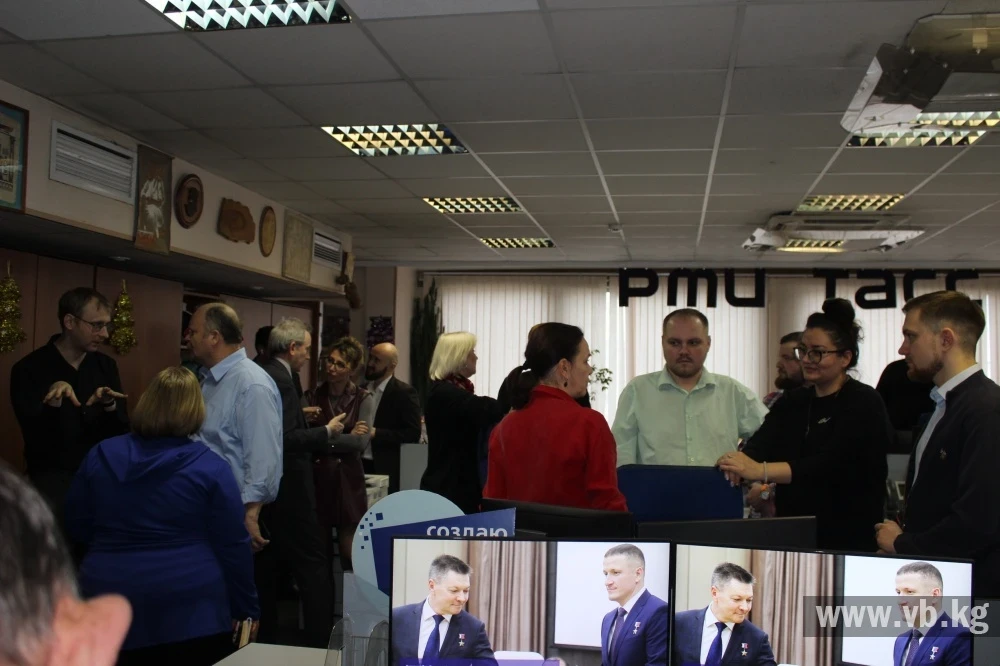
As part of a seminar for Russian-speaking media dedicated to "Mobile Journalism: Editorial Processes, New Language, Platforms, and Formats," a correspondent from VB.KG met with journalists from TASS to discuss their work in foreign bureaus, the specifics of daily editorial practice and language training, as well as the nuances of covering international events in a changing world.
The discussion featured Daniil Studnev, an international observer for TASS who spent many years in Canada, and Inessa Abukovskaya, a correspondent specializing in Northern European countries.
- Tell us about yourself and your professional activities.
Daniil Studnev:
- I have been working in journalism since 1999, starting my career even before graduating from university. I spent most of my time in international journalism, including 13 years in Canada. This year, I returned from my last assignment and continue to support colleagues abroad.
- What topics do you write about?
- I cover a wide range of topics. In international journalism, it is impossible to limit oneself to a narrow specialization — it includes politics, economics, social processes, sports, and culture. We work with materials that shape the global agenda and interest a broad audience.
- How did your career begin?
- I started with broadcasting, then moved to print media, which gave me a solid foundation for working with an international audience. In 2006, I joined TASS and have been working here ever since.
- Did you study foreign languages specifically for work?
- Yes, my language training began in school, where I studied English and Spanish. In university, I added French and Czech, and during my work, English became my primary working language, especially during my long stay in Canada.
- How did the events of 2022 affect your work?
- They had a significant impact. While in Canada, I faced restrictions, and a year later, I lost my accreditation in the press gallery of the Canadian Parliament, making it impossible to attend press conferences. As a result, interaction with Canadian government structures and local media was halted.
People I had communicated with for many years admitted that they were afraid of the consequences of communicating with Russian journalists, even to the point of being fired. This significantly complicated my professional activities.
- What about the situation in the USA?
- The situation in the USA is different. American journalists and representatives of the State Department continue to interact with our colleagues, attend press conferences, and maintain professional contacts. There, the importance of access to information and dialogue remains.
- What does your typical workday look like?
- We start work early, at 7:30 AM, and are on duty until 5:00 PM. However, there is usually no strict plan, as the international agenda changes rapidly. If an important document or event arises, the editorial team immediately gets to work. For example, a new U.S. national security strategy was recently published, and we immediately highlighted the key points and sent urgent messages.
- Are you experiencing professional burnout?
- Not yet. Despite the challenges, I still love my profession and find it truly interesting.
Inessa Abukovskaya
- Please tell us about yourself.
My name is Inessa Abukovskaya, I have been working at TASS for just a few months and am currently on probation. This is my first serious experience in a large news agency.
- Did you come to TASS right after university?
- Yes, I just graduated with a master's degree and almost immediately started working at TASS.
- What languages do you speak?
- I mainly work with English and Finnish. I know German at a basic level and plan to study it further, as language training is critically important for an international journalist.
- Why did you choose TASS?
- TASS is history, a name, and a high professional level. This agency offers many opportunities for growth, and I am proud to be part of this editorial team.
- How did the interview go?
- The interview was challenging, but given the agency's status and the level of responsibility, it is quite justified. Such selection helps to understand the requirements and sets the tone for serious work.
- What topics are you currently working on?
- The topics depend on the international agenda, but at the moment I am mainly focused on Finnish affairs.
- What attracts you to Finland?
- It is the result of a long and conscious study of the language and culture. I started learning Finnish at the age of seven and later did an internship. In the process, I realized that this is a country I am interested in working with, especially in the context of the international agenda.