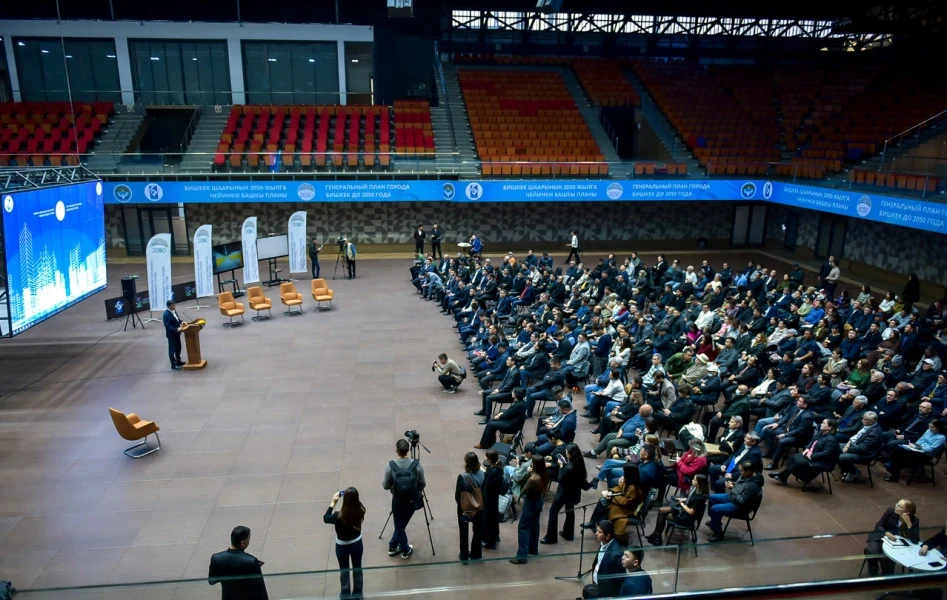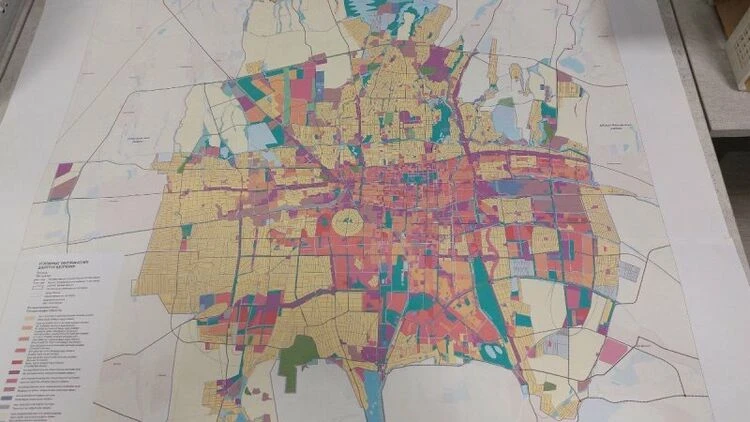
A forum of urbanists titled “Shaarkana” was held in Bishkek, where the topic “General Plan: how nomadic thinking shapes a vibrant city” was discussed. Among the participants were former chief architect of the capital Marat Zhoroev, urban architect Nurislam Myrzakanov, anthropology lecturer at the American University of Central Asia Emil Nasretdinov, and founder of the “Shaarkana” platform Atai Samybek uulu.
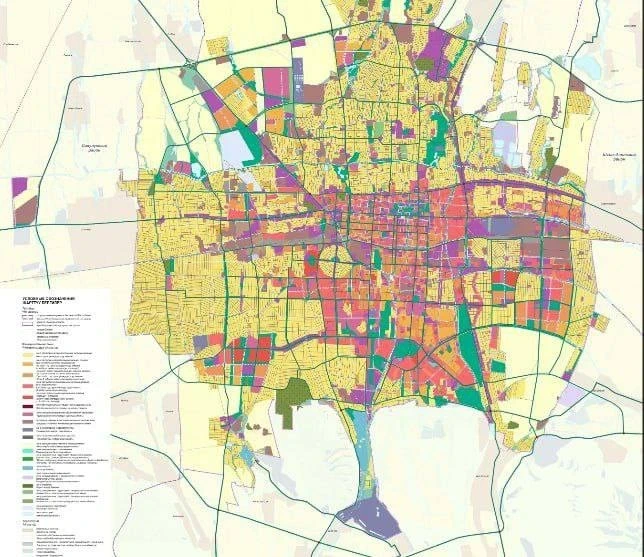
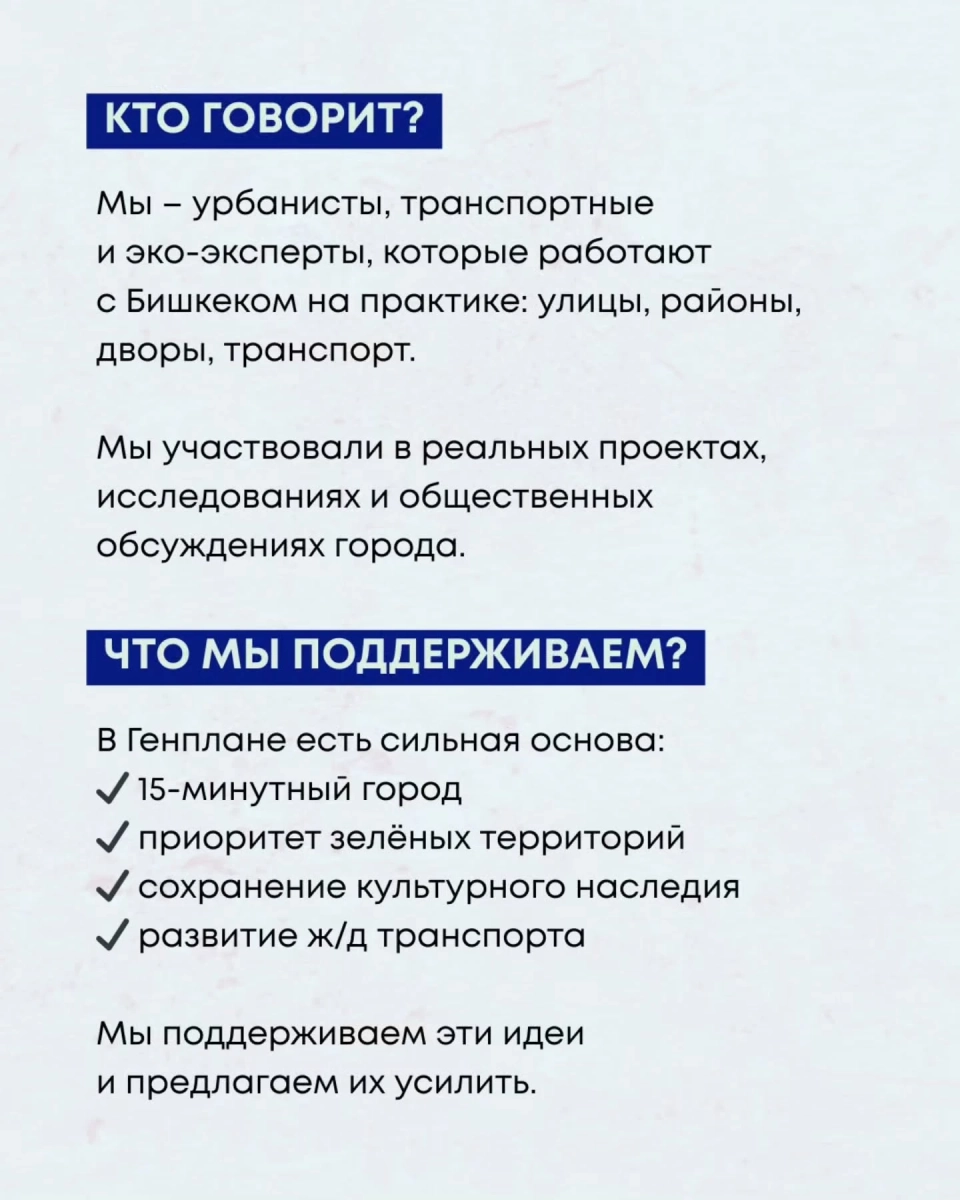
Discussions about the main urban planning document have been ongoing in the city for more than six months. However, as experts noted, citizens still have many questions.
Density in the center and adobe belt
According to Marat Zhoroev, Bishkek continues to develop unevenly. “Kyrgyz are ancient nomads, and now we have settled in the capital. It is important for us to make the city comfortable for living. But it is still surrounded by an adobe belt, which was present in both the previous and the new General Plan. The situation has hardly changed: development is concentrated in the center, while the outskirts remain fragmented with low population density, although traffic jams are still present there,” noted the architect.
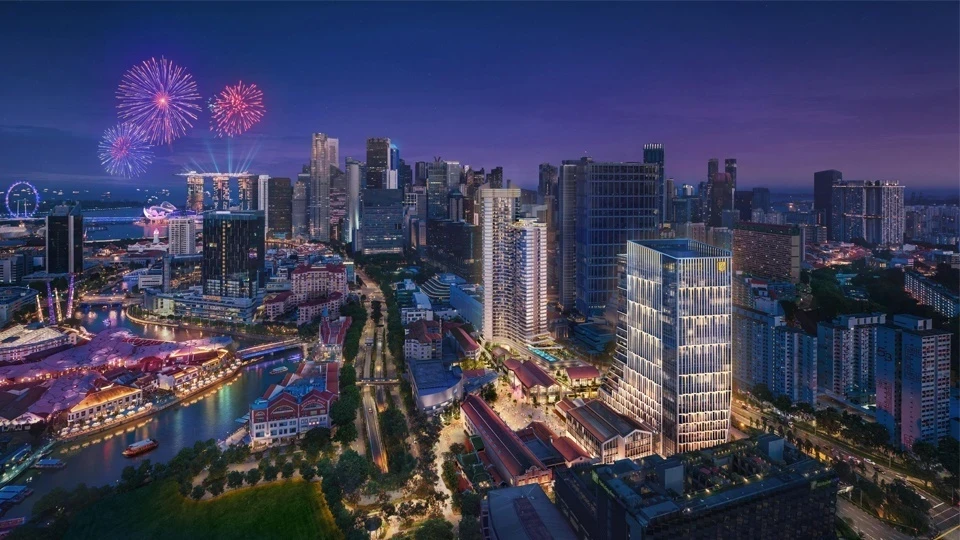
Marat Zhoroev criticized the new General Plan, claiming that it is mainly focused on the construction of high-rise buildings rather than creating a comfortable urban environment.
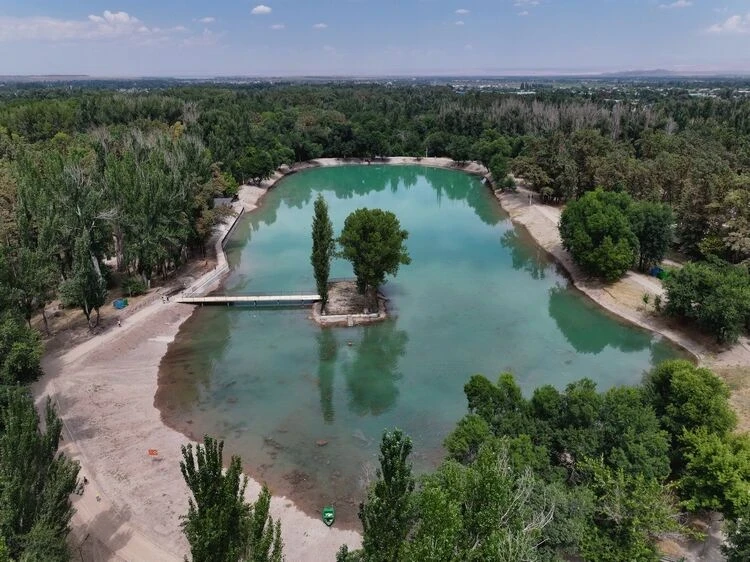
The architect also pointed out that the southern part of the city, previously considered a green recreational area, is now actively being developed. “Houses are placed like in a game of Tetris. This could lead to the formation of ghettos in the future,” he added.
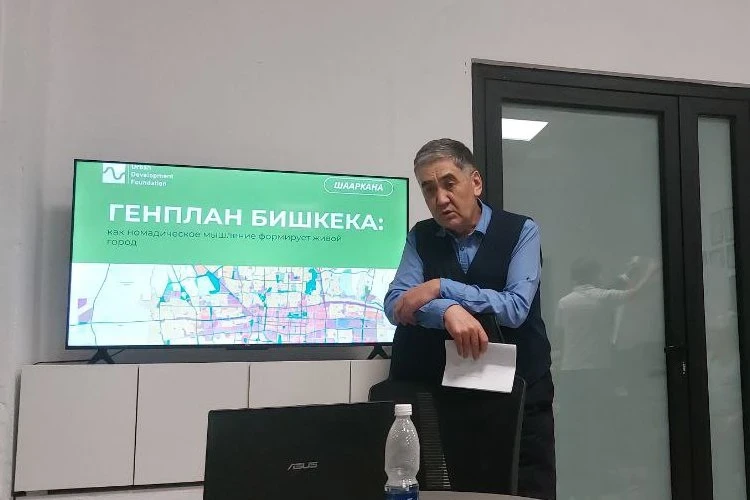
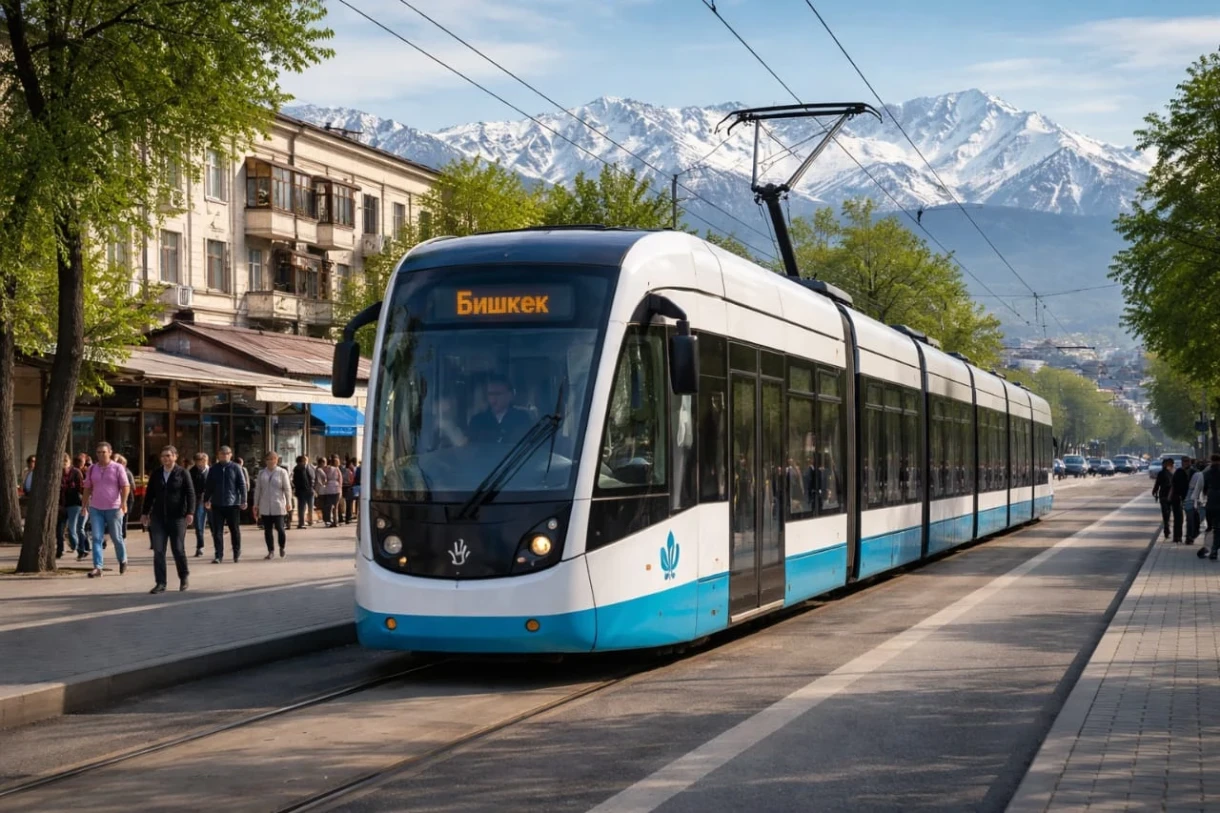
Additionally, he commented on the idea of bringing trams back to Bishkek, calling this decision controversial. “Previously, the city had a trolleybus system, and abandoning it due to the wires while simultaneously returning to trams seems illogical,” emphasized Marat Zhoroev.
“Only in Bishkek can you remove trolleybuses because of the wires and return to trams, where the main part consists of wires,” he noted.
General Plan or Master Plan?
The founder of “Shaarkana” Atai Samybek uulu emphasized that residents mainly asked questions about their homes and plots, rather than about the strategic development of the city as a whole.Experts agree that the traditional format of the General Plan as a rigid document is becoming outdated. A more modern tool is considered to be the master plan, which is a flexible document for strategic spatial development, better suited to changes.
Emil Nasretdinov, an anthropology lecturer at the American University of Central Asia, expressed the opinion that both the General Plan and master planning methods need updating.
“It is unacceptable to plan a city 25 years ahead in a rigid form. Perhaps we should abandon traditional approaches to the General Plan and seek new methods,” he added.
Car-centric city and quality of life
Urban architect Nurislam Myrzakanov noted that the density and nature of development significantly affect the quality of life of city residents.
A car-centric city makes people unhappy.
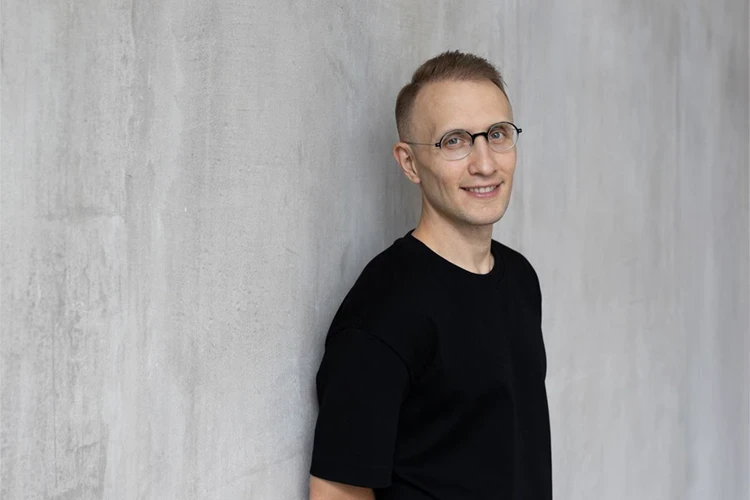
Nurislam Myrzakanov
“Today, Bishkek revolves around cars. Designers demand parking spaces, which only increases stress and reduces physical activity,” he emphasized.
In his opinion, the city is becoming inconvenient for pedestrians, although the ability to move on foot makes the environment more comfortable. He cited Istanbul as an example, where the city center is rich in public spaces and attractions accessible for walking.
The participants of the meeting concluded that Bishkek needs a more flexible, people-oriented approach to planning, prioritizing the quality of the urban environment and the well-being of residents, rather than just square meters of development.