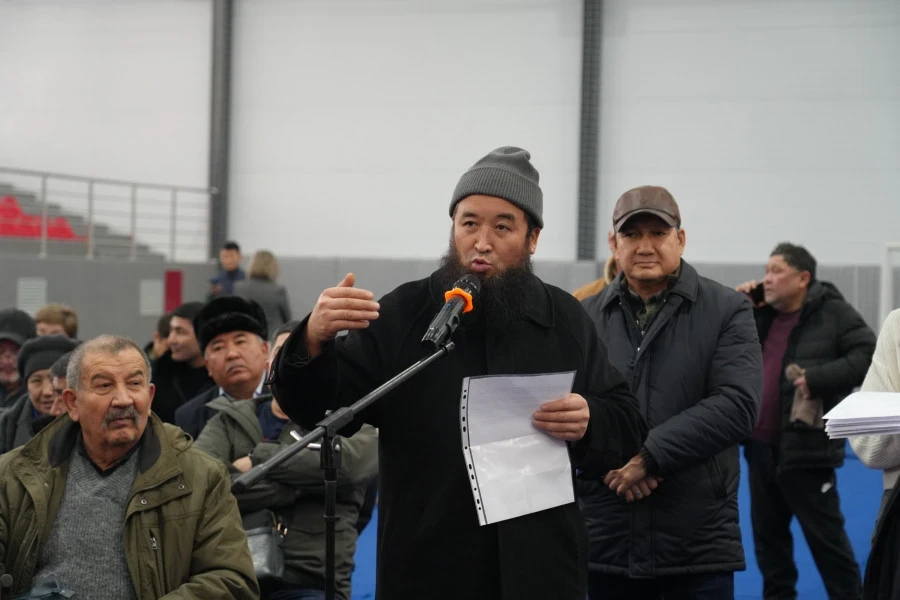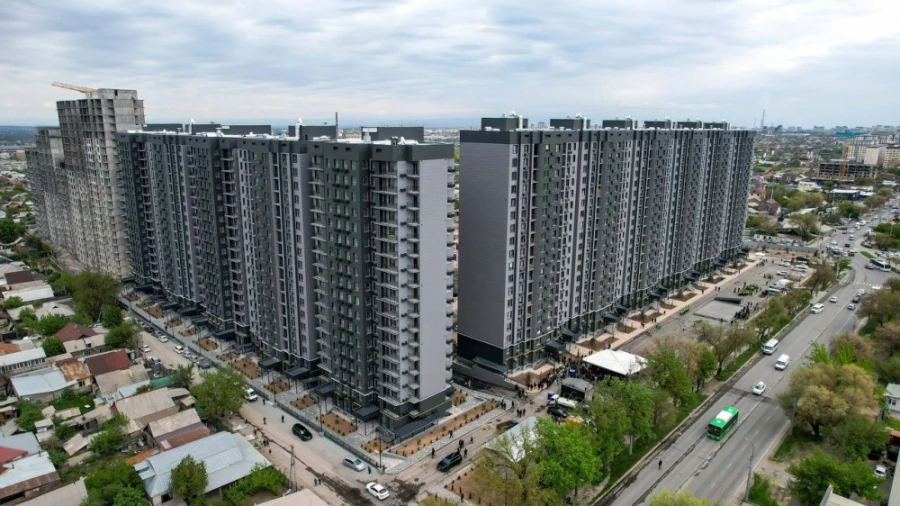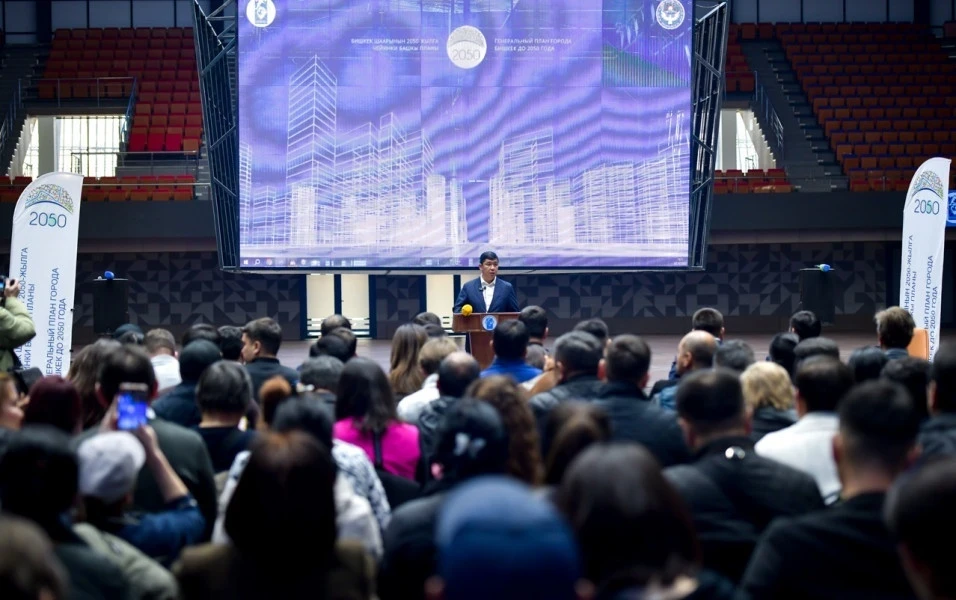
The issue of private property and the potential demolition of buildings raised the greatest concern among citizens. People asked whether private houses, Stalin-era buildings, and other types of buildings along major streets would be affected.
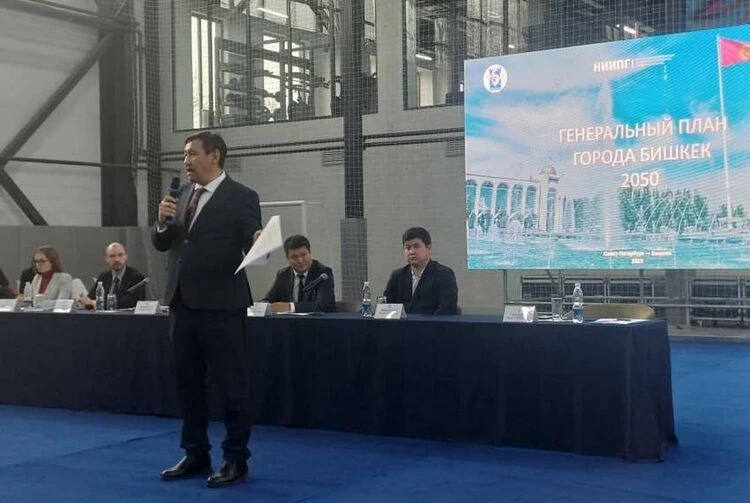
City administration representatives and developers repeatedly noted that the general plan does not foresee the demolition of residential buildings, and renovation is only possible with the consent of the owners. Nevertheless, each such response included a caveat that specific decisions regarding street expansions and land use would be made only after the document's approval — at the next stage of the urban planning process. This creates an atmosphere of uncertainty for residents, despite formal guarantees.
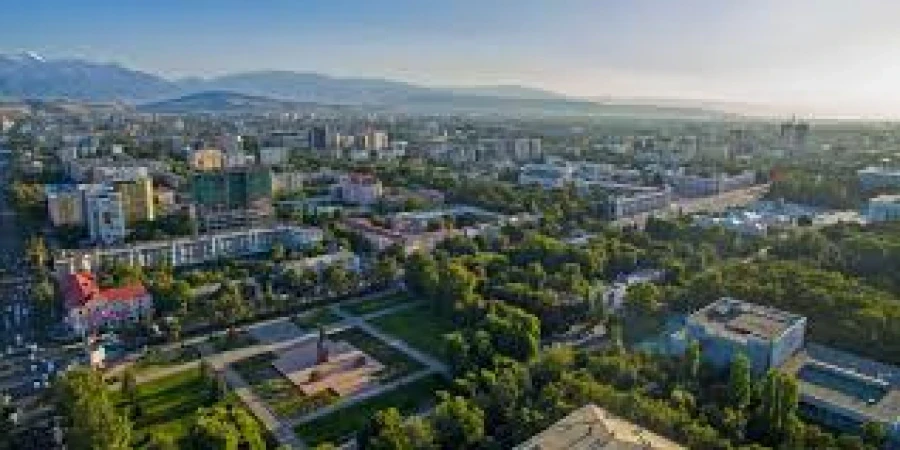
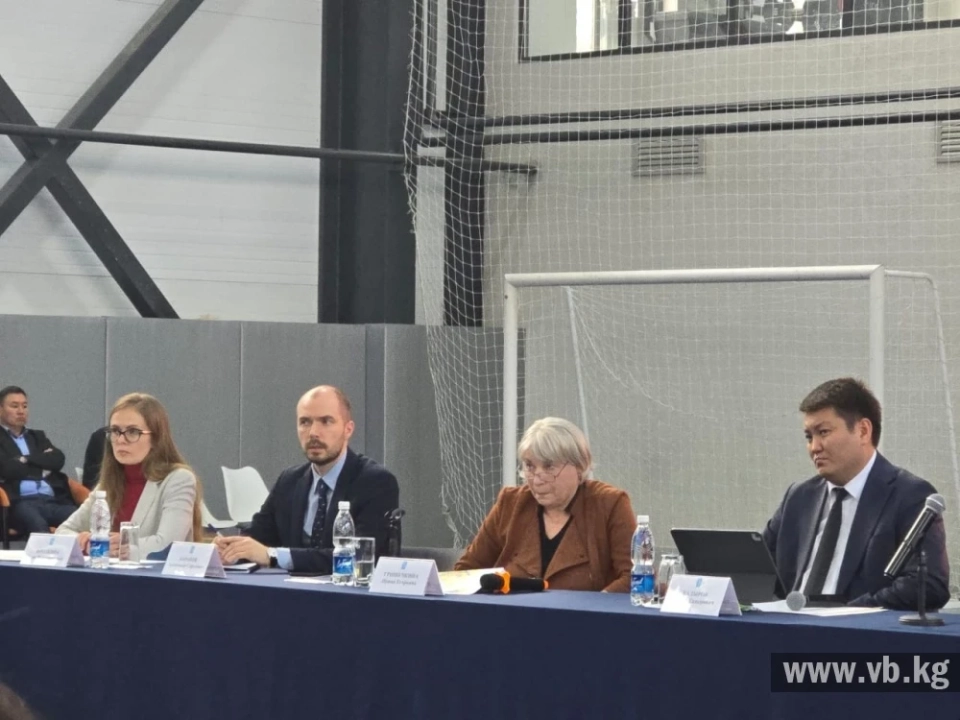
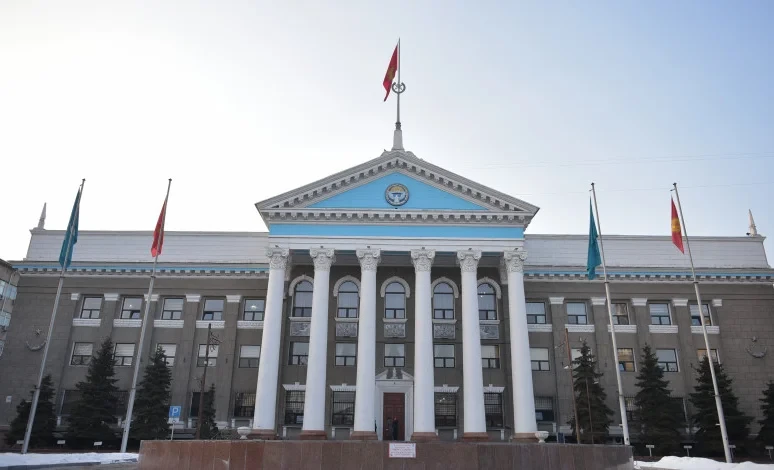
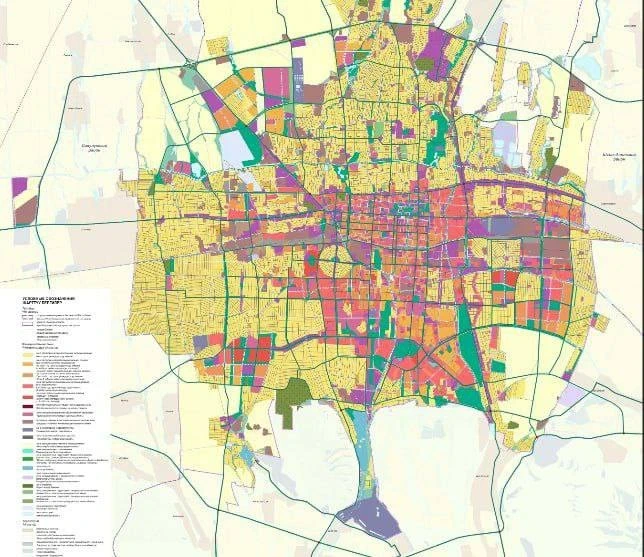
Photo from the Bishkek City Administration. General Plan 2030
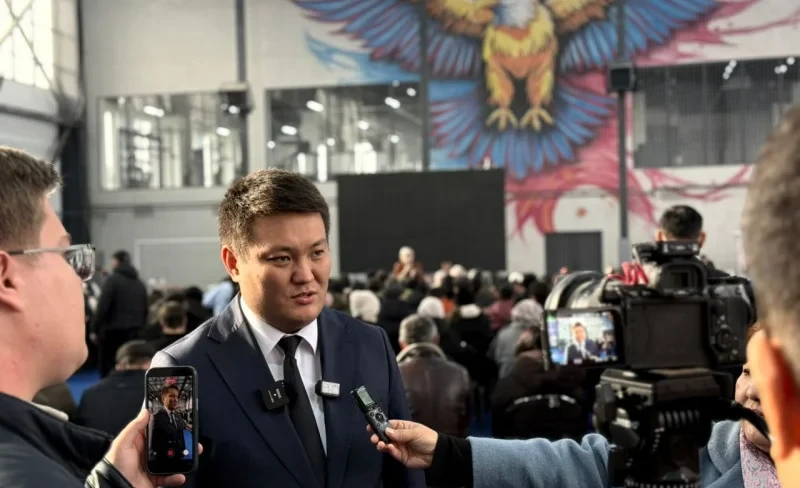
The question of red lines and information accessibility also caused tension. Citizens pointed out the lack of understanding regarding where the red lines run and what restrictions they impose. Developers acknowledged that the previous general plan was not accessible to the public. Now, the authorities intend to make materials available in electronic format, except for engineering information, which many participants consider an important step toward restoring trust in the document.
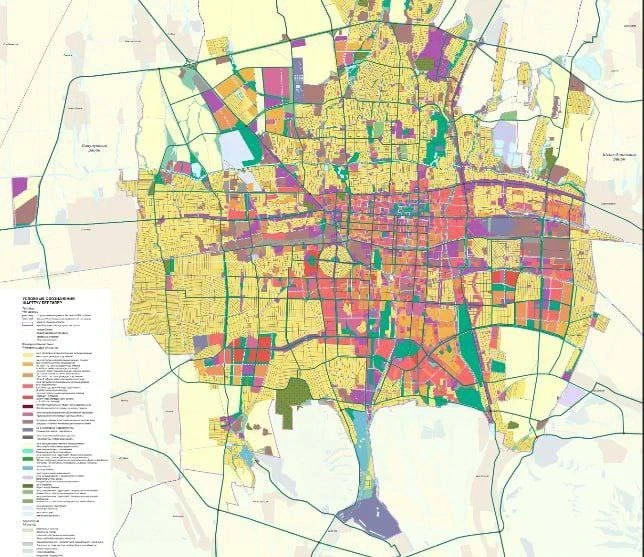
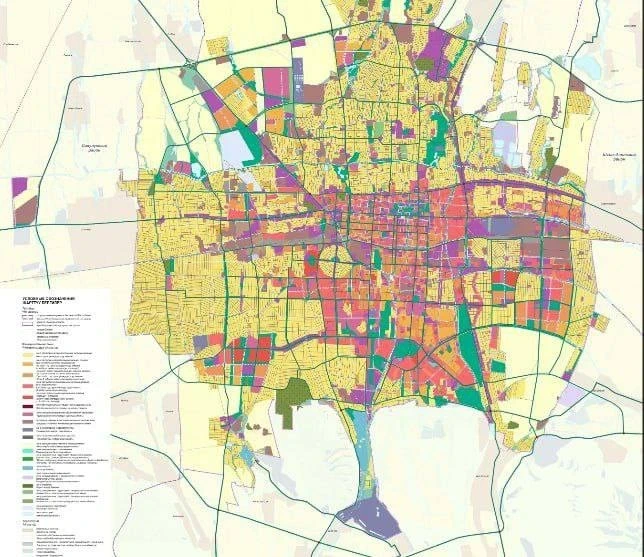
The discussion of functional zoning and color coding of areas also sparked wide interest. Residents tried to understand the meaning of different colors on the map and their impact on construction possibilities. It was explained in the responses that the red zone implies multi-story residential development, purple indicates multifunctional or specialized public-business areas, green represents greenery, and white denotes plots undergoing land amnesty. However, people were interested not only in the colors but also in the legal consequences: whether it is possible to formalize documents, build, or reconstruct housing at this time.
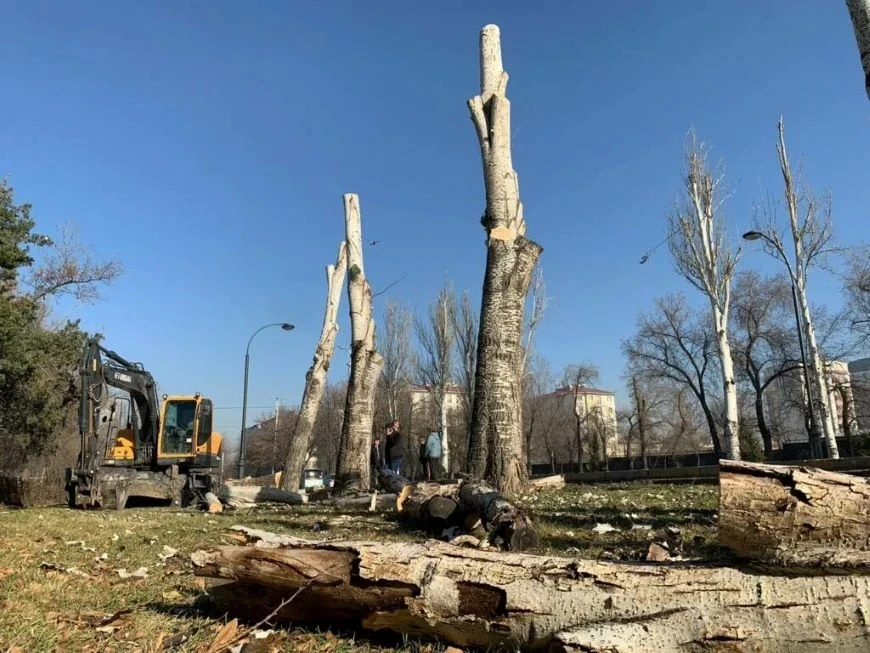
The topic of green spaces was particularly relevant. During the hearings, residents of streets and neighborhoods that fell into greenery zones expressed concerns, despite the presence of private property and residential buildings. In some cases, the city administration noted that comments would be taken into account and the boundaries of green zones would be revised, while in other cases, references to previously approved development projects prevented the consideration of proposals.
The authorities also promised improvements to irrigation systems and watering, emphasizing that without this, the increase in green spaces loses its meaning.
The discussion of transportation infrastructure revealed a mismatch between residents' expectations and the logic of the urban planning document. Citizens raised questions about expanding streets to 6–8 lanes, creating new roads, organizing parking, and pedestrian infrastructure. The responses indicated that the general plan only outlines the direction of street network development, and specific parameters will be clarified later.
It should be noted that the document does not provide for the construction of a metro; instead, tram, urban rail, and metrobus options are proposed. However, many practical issues — sidewalks, stops, underground crossings — were deemed unrelated to the tasks of the general plan.
Social infrastructure also became an important topic of discussion. Residents and deputies pointed out the lack of schools, kindergartens, and medical institutions, especially in areas of individual construction and annexed territories. The city administration's responses indicated that new schools and kindergartens would be planned on reserved municipal lands, and for multi-story construction, social facilities must be provided as a requirement. However, specific addresses and timelines for implementation were not announced.
Many questions concerned land amnesty and the transformation of plots. Residents were interested in the fate of houses built after 2021 and why areas with utilities are still considered agricultural. The responses clarified that such plots are temporarily designated in white and their status will be reviewed after the completion of amnesty procedures. Regarding transformations, it was suggested to submit documents in the established order.
Overall, the public hearings demonstrated that the general plan is perceived as a tool that directly affects the daily lives of citizens, rather than as a strategic document.
The main requests from the public boil down to three key issues: clear guarantees regarding private property, accessibility of maps and red lines, and a real connection between development plans and transportation, green, and social infrastructure.
The extent to which the city can consistently respond to these requests will directly affect trust in the general plan and its practical implementation.