The Cabinet of Ministers intends to revise the old contributions in light of rising salaries and inflation.
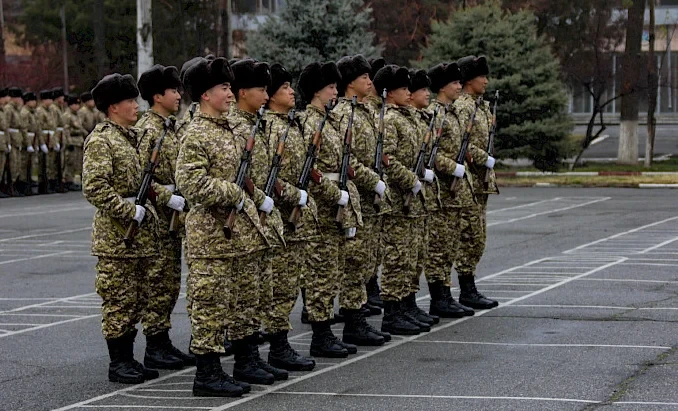
A draft law is currently being discussed, which provides for changes in the payment procedure for alternative service and contributions to the mobilization reserve. This document is at the second reading stage in the Jogorku Kenesh.
As stated in the justification for the draft law, the current contribution rates were established back in 2017 and do not correspond to the current economic reality. For example, while the average salary in 2017 was about 14,300 soms, by 2024 it has increased to 35,791 soms, which is more than double the previous level.
As a result, the existing payments for alternative service and the mobilization reserve are considered significantly undervalued.
It is proposed to abolish the fixed amounts defined in the laws and grant the Cabinet the right to independently set the contribution amounts. According to the authors of the initiative, this will allow for prompt adjustments to payment amounts, avoiding lengthy changes in legislation.
Additionally, it is planned to change the contribution amounts:
for citizens aged 22 to 40 who have not served and wish to participate in mobilization reserve gatherings — from 500 to 750 calculated indicators;
for those wishing to become reserve officers — from 700 to 900;
for conscripts for alternative service due to family circumstances — from 180 to 250;
for health reasons — from 250 to 400;
for religious beliefs or for performing socially useful work — from 250 to 500;
for men over 25 who have not served — from 250 to 500 calculated indicators.
It is also planned to increase fines for violations of military registration rules, making them clearer and eliminating the "right of choice" for inspectors, which should help reduce corruption risks.
The authors of the draft law claim that the proposed changes will improve the system, making it fairer and more reflective of the actual income of citizens. This should also enhance discipline among conscripts and those liable for military service.
It is worth noting that if the law is adopted, the subordinate legislation regarding military registration, alternative service, and the mobilization reserve will be updated. This will allow the state to flexibly regulate contributions, which, according to the Cabinet, will increase citizens' responsibility and reduce the likelihood of abuses.
Photo www