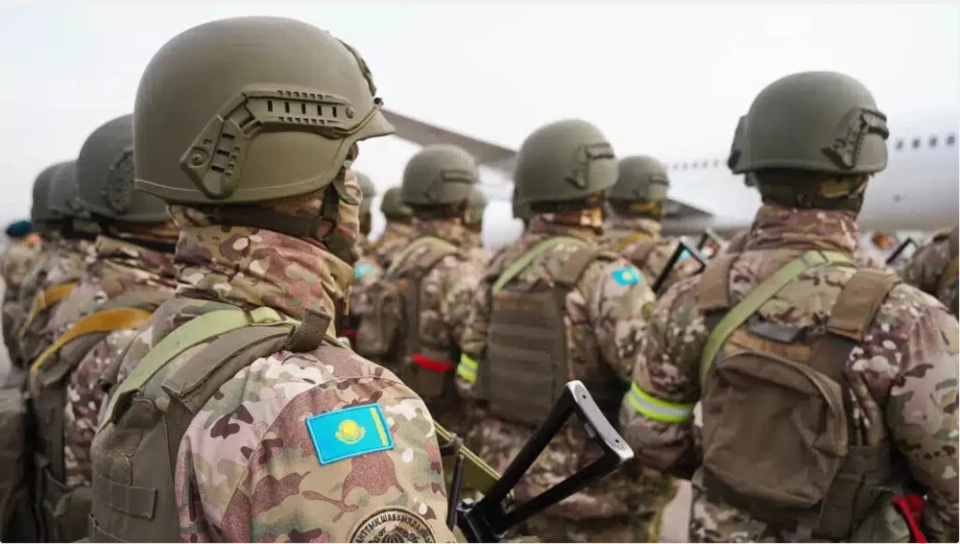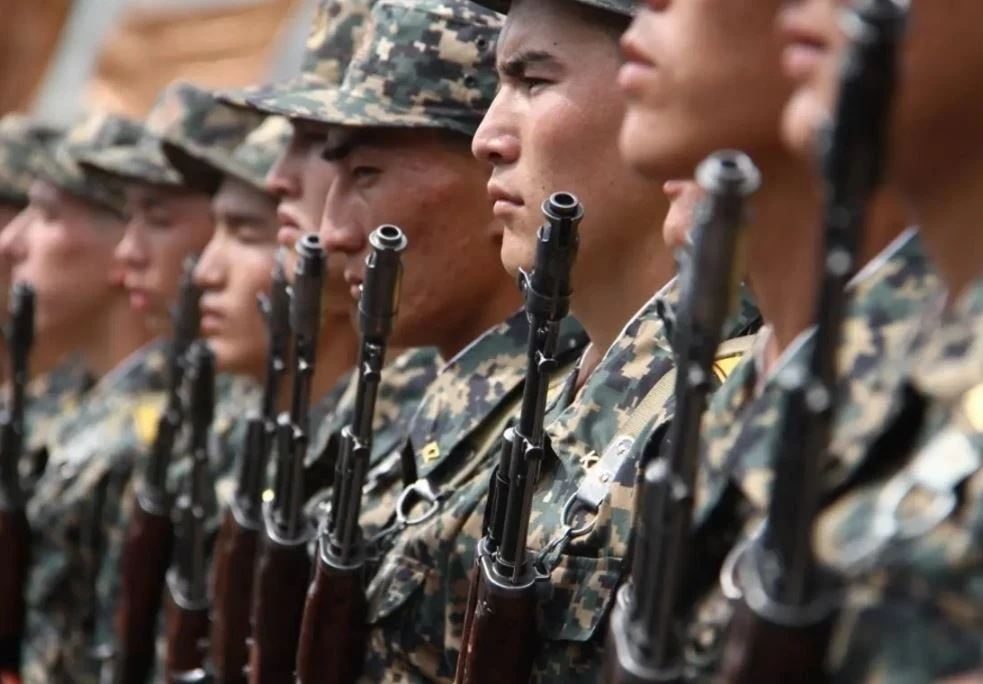
According to the new rules, the procedure for conscription into the army has undergone significant changes, including aspects of compulsory military service, mobilization, military gatherings, and the service of reserve officers. The information is provided by Lada.kz with reference to Zakon.kz.
Complete information in summonses
Citizens will receive official summonses containing all necessary information:
Name and date of birth of the conscript;The issuing authority of the summons;Place of reporting;Date and time when they must appear;Purpose of the call. The conscription may be for:
Medical examination;Information gathering (surveys and data verification);Meeting of the conscription commission or sending to a military unit;Determining suitability for military service. Employers must notify their employees about summonses and ensure their timely appearance.
Protection of the rights of working conscripts
Citizens undergoing medical examination or service retain:
Position and place of work;Salary. Notification of summons for military gatherings must be sent to the place of work or study no later than three working days from the date of the call.
Conscription criteria
Conscription applies to citizens of Kazakhstan aged 18 to 27 who are not entitled to deferment or exemption, in the necessary quantity to staff the Armed Forces and other military formations.
The Departments of Defense will provide schedules for control medical examinations and sending military teams twice a year, by February 1 and August 1.
Two-stage assessment of conscripts
Preparation for conscription includes assessing citizens based on the following criteria:
Health;Place of study or work;Level of education;Family composition;Presence of a driver's license;Residence in the territory of the Republic of Kazakhstan;Criminal record or offenses.
Examination stages:
Defense departments - from January 10 to February 28 and from July 10 to August 28.Collecting points - from March 1 to June 30 and from September 1 to December 31.
Control over the conduct of examinations will be carried out jointly with the Armed Forces and other special state bodies.
Conscription for service: from choosing the branch of the military to medical evaluation
After the medical examination, district conscription commissions make decisions:
Fit for service - subject to conscription;Temporarily unfit - deferment;Unfit in peacetime - exemption;Exclusion from military registration - exemption from military duty.
All decisions are recorded and can be reviewed upon complaint, judicial, or prosecutorial act.
Distribution of conscripts by branches of the military
When distributing conscripts, the following are taken into account:
Health status;Physical fitness;Education, specialty, and profession.
For example:
For service in the state security (SGO), education must be at least secondary and meet physical requirements;The border service of the National Security Committee requires secondary education and compliance with physical training;Airborne assault troops select physically fit individuals, primarily athlete-paratroopers;Training units for graduates with higher education;Specialists in mathematics, physics, and engineering may be directed to radio engineering and anti-aircraft missile troops;Agricultural specialists may be directed to tank, aviation, anti-aircraft missile troops, and the National Guard;Medical personnel will be selected for service as junior medical staff. When selecting for the National Guard, education and the absence of criminal records for the conscript and their immediate relatives are taken into account.
Reasons for deferment and exemption
Deferment is granted on the following grounds:
Family circumstances;Educational programs;Medical indications;Other valid reasons.
Exempted conscripts may be placed in reserve or removed from military registration but have the right to voluntary service.
Conscription of reserve officers
The updated rules also pertain to the conscription of reserve officers, providing a more systematic approach to staffing military formations.