Among the many traditional holidays of the Kyrgyz people, Nowruz holds a special place. It is not just a moment on the calendar, but a symbol of new beginnings and spring renewal.
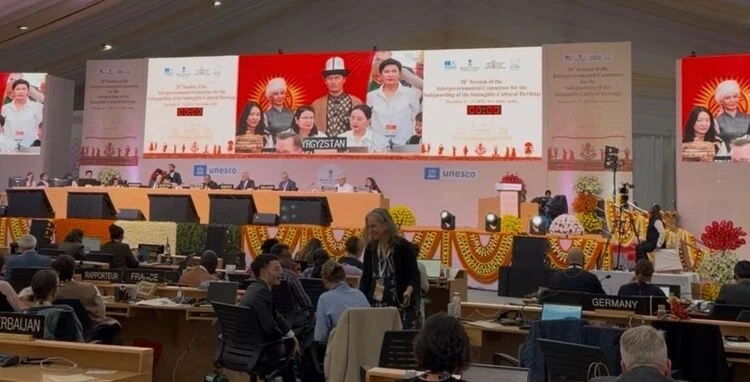
The origins of Nowruz trace back to ancient times, to the 7th-6th centuries BC. This holiday embodies the arrival of spring and the rebirth of nature. In 2009, it was included in the Representative List of the Intangible Cultural Heritage of UNESCO, confirming its significance not only for the region but for global culture as a whole. The initiative to support the holiday was taken by Central Asian countries, as well as Azerbaijan, Iran, India, Pakistan, and Turkey.
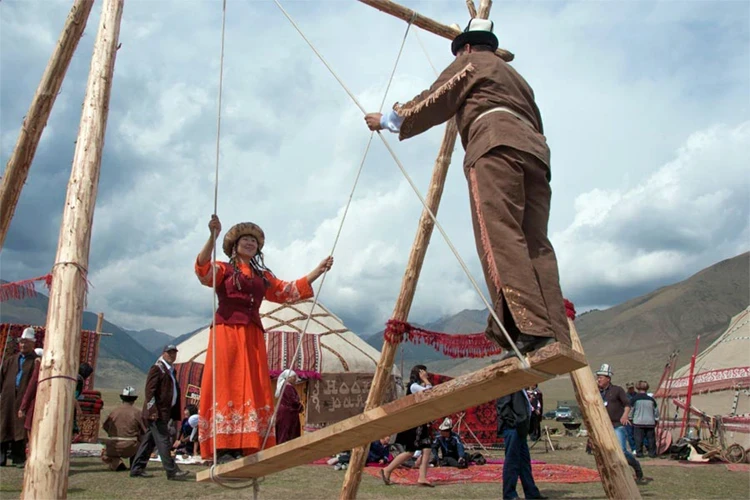
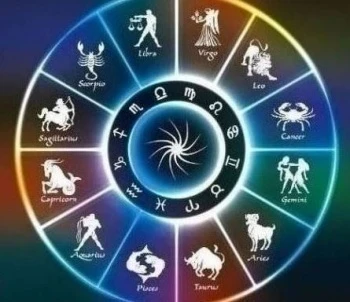
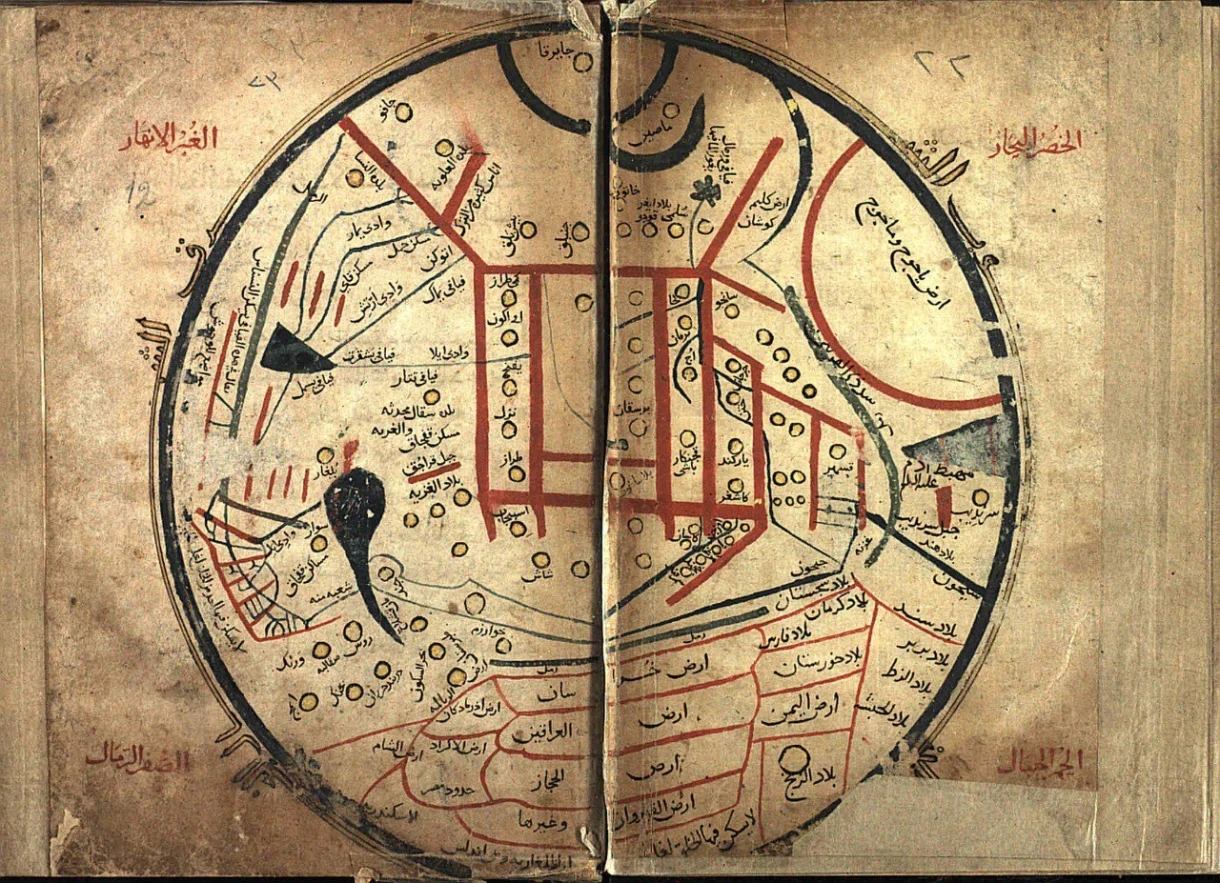
Nowruz is closely connected with the history of the Kyrgyz, one of the oldest peoples of Central Asia. According to the research of academician Vasily Bartold and Chinese sources, our ancestors celebrated the beginning of the new year in March, on the day of the spring equinox. This day, when light and darkness are equal, symbolizes harmony and balance in nature. Therefore, Nowruz was originally celebrated at this moment.
The holiday includes many traditions passed down from generation to generation. The day before Nowruz, people clean their homes, try to settle debts, and reconcile with those with whom they have had disagreements. The ritual of "alas" is also important — the fumigation of the home with the smoke of juniper (arche) to cleanse it of negative energy.
On the night before Nowruz, all vessels are filled with milk, grains, and spring water, symbolizing abundance and well-being. March 21 is traditionally welcomed in a good mood, in clean, preferably new clothes, with sincere congratulations to one another.
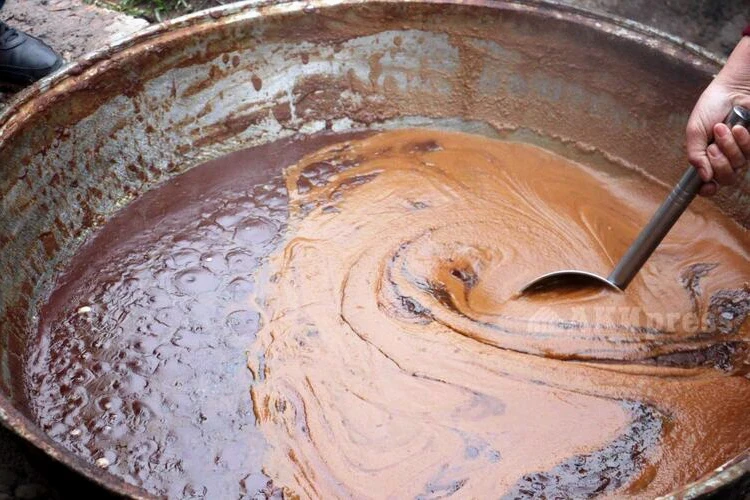
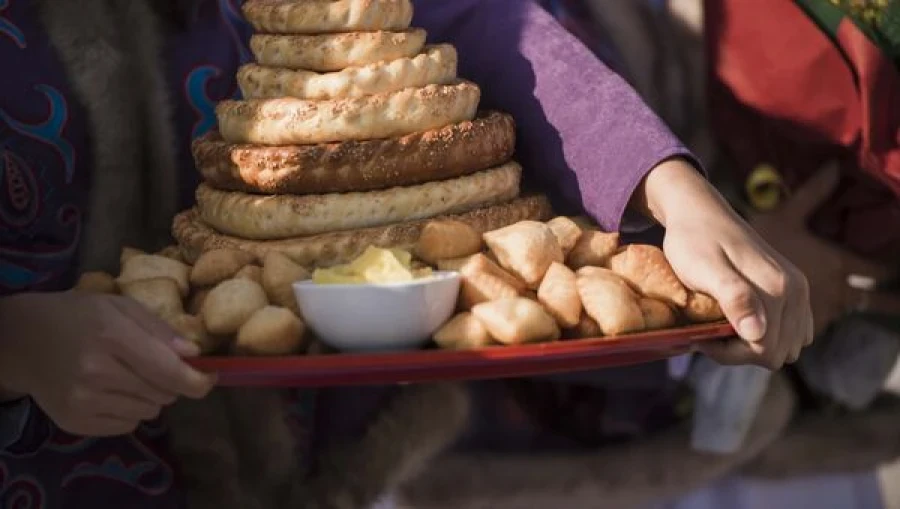
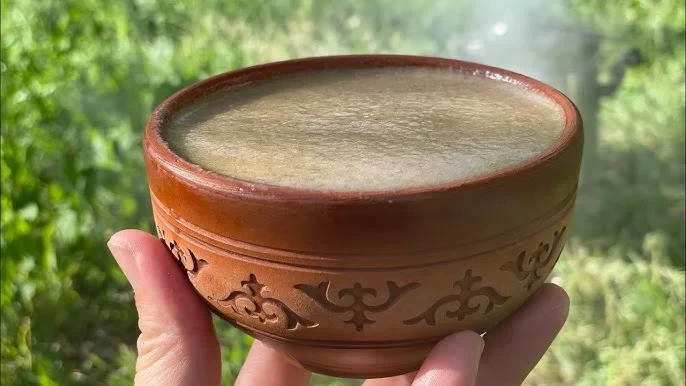
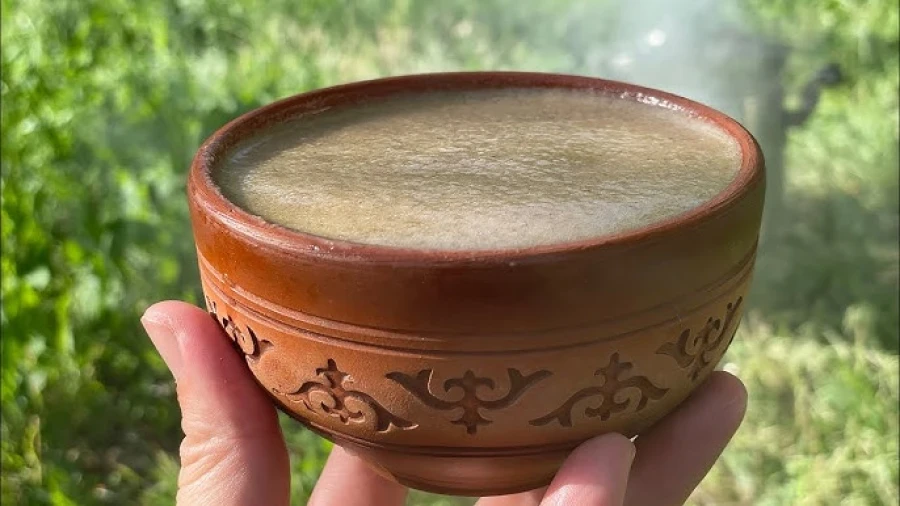
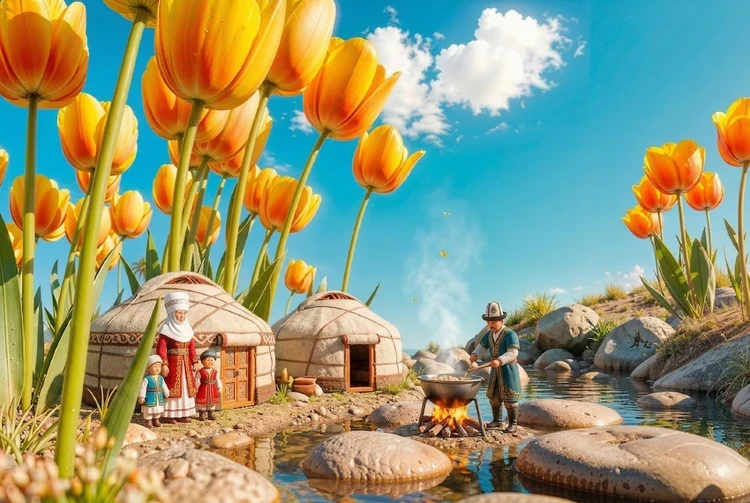
With the arrival of Nowruz, the culinary part of the celebration begins. Traditionally, a porridge called Nowruz köjö is prepared from grains, but the main feature remains sümölök — a dish made from sprouted wheat, which is cooked for a long time, often all night, turning the process into a collective event filled with songs and cheerful conversations.
On the festive table, there must be seven essential elements: water, meat, salt, oil, flour, grains, and milk, symbolizing life and prosperity.
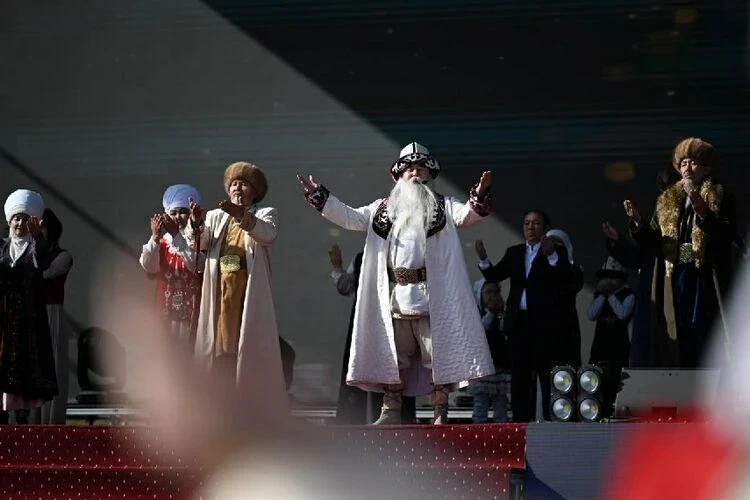
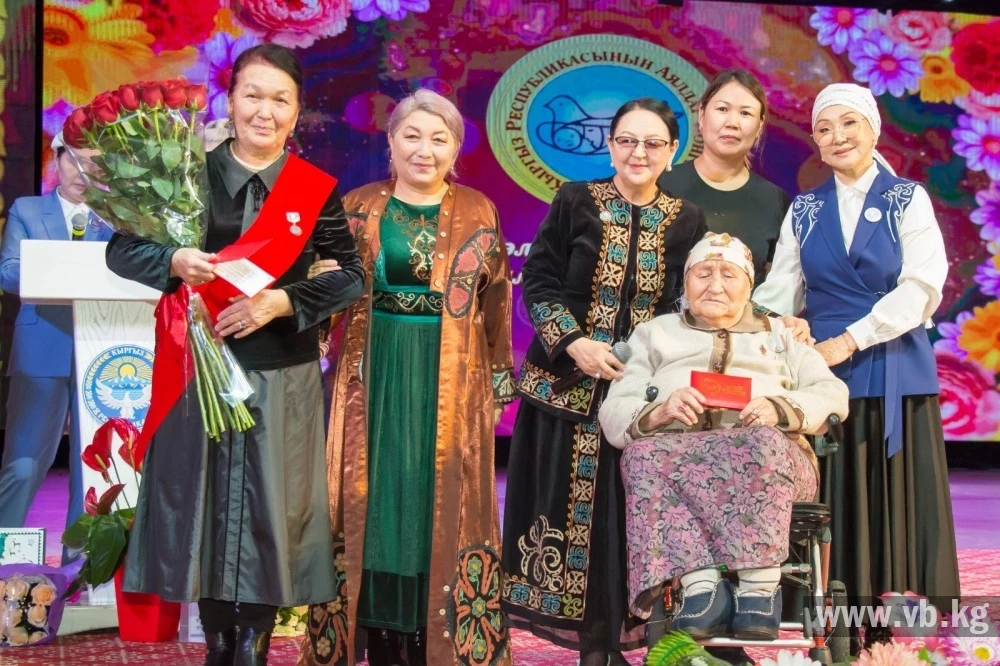
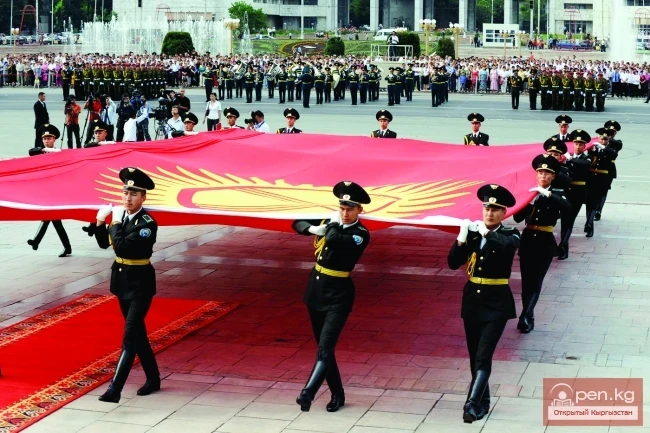
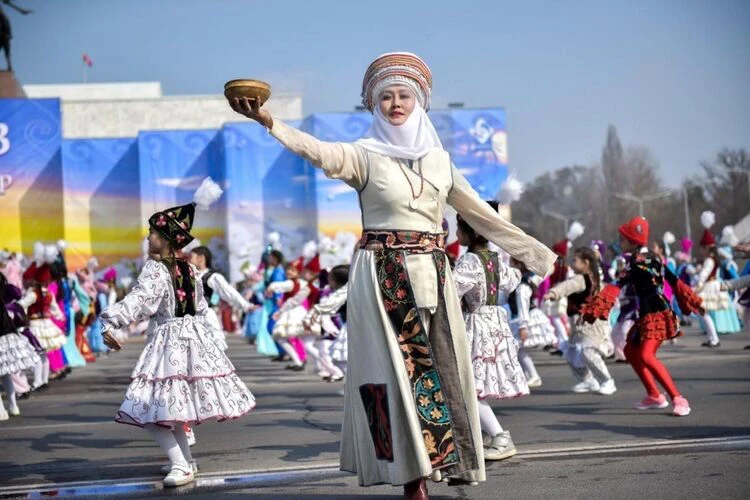
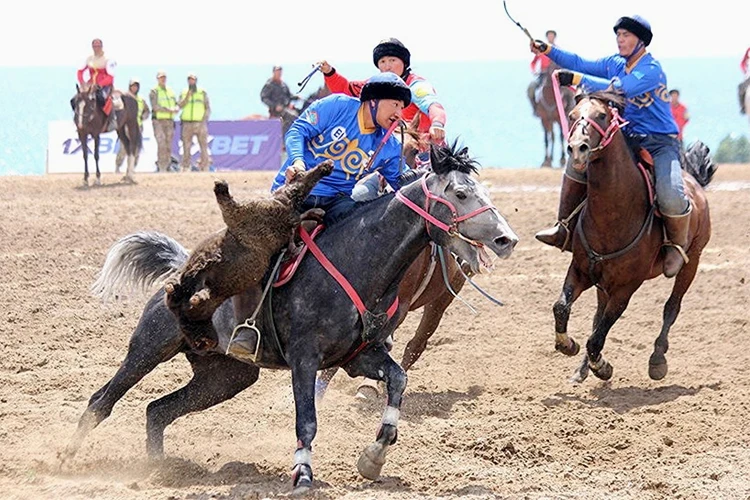
Although Nowruz was not officially celebrated during the Soviet era, it regained its traditions with the acquisition of independence and became a significant part of Kyrgyz identity. Today, March 21 is an official holiday filled with folk festivities, fairs, theatrical performances, and horse competitions.
In the modern world, Nowruz represents something more than just a celebration. It symbolizes the unity of the people, respect for one another, the ability to forgive, and the start of a new life. It is a holiday that connects the past and the future.
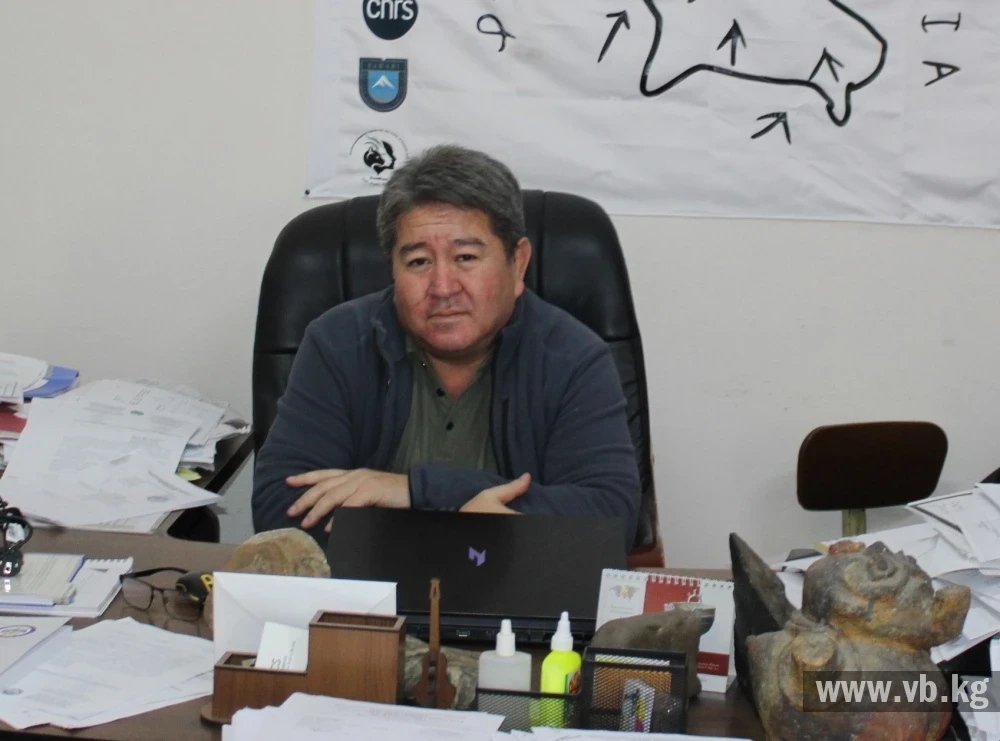
Baibolot Abytov, Doctor of Historical Sciences, Professor,
Institute of Oriental Studies, OshSU