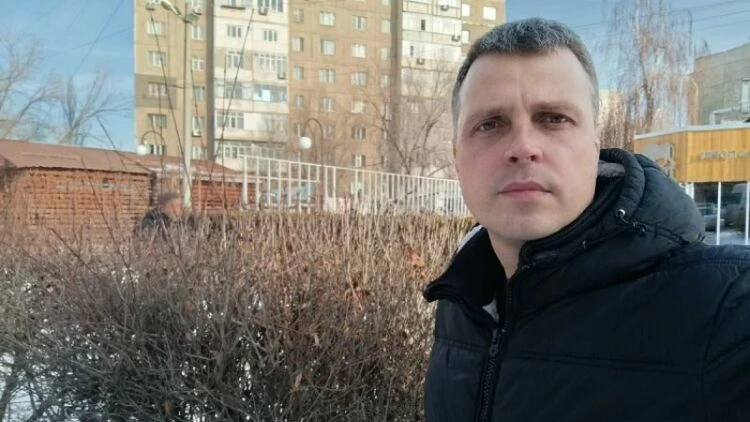
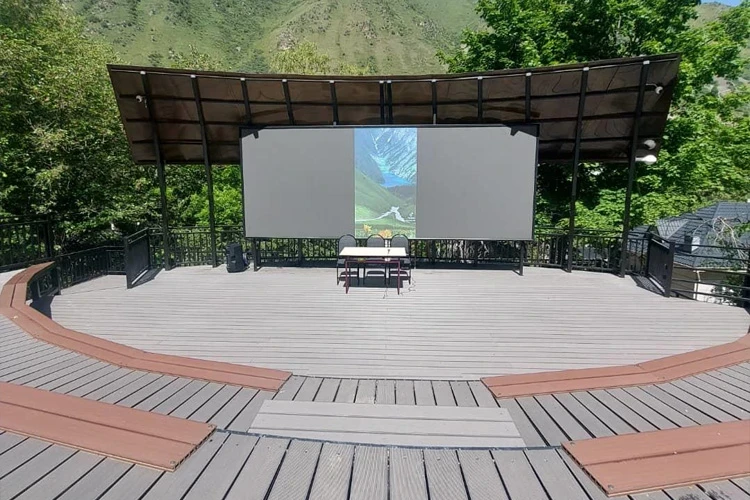
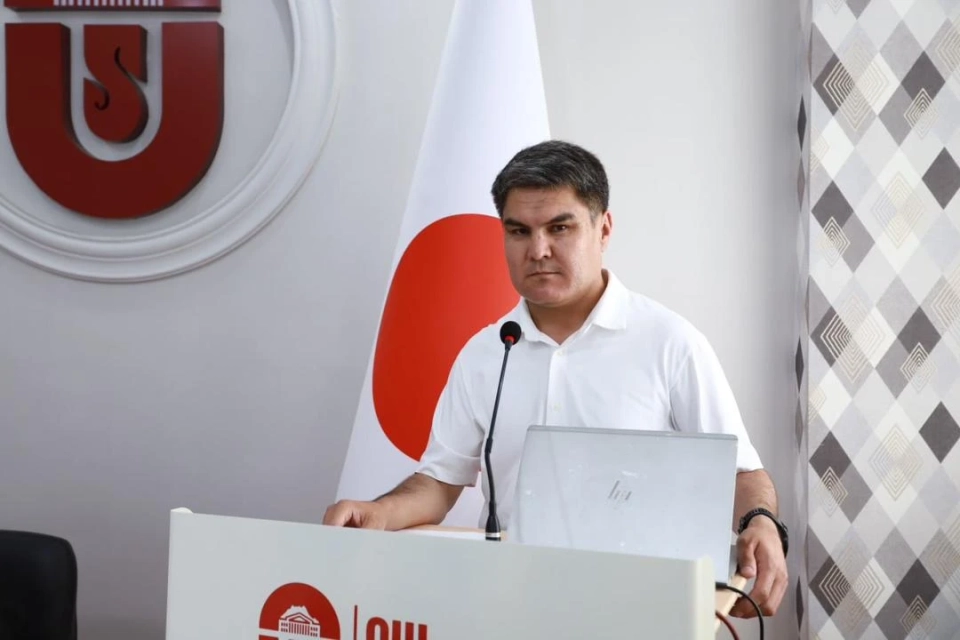
At the "Shaarkana" venue in Bishkek, a presentation of the study "Analysis of the Public Transport Network in Bishkek" was held, conducted by the initiative group "Urban Hub Bishkek." During the open discussion, experts, journalists, and city residents discussed the functioning of the transport system, based on factual data and real routes.
Changes in the Public Transport System
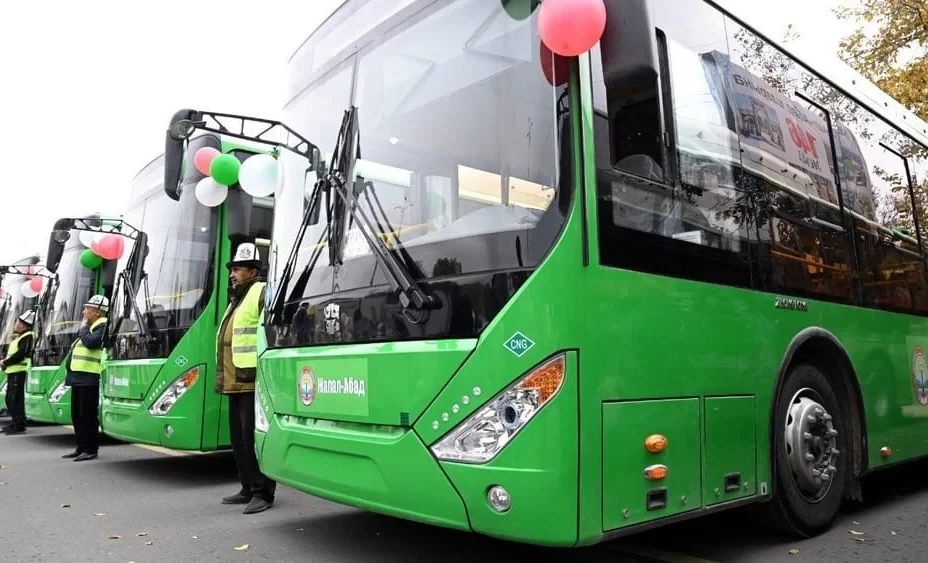
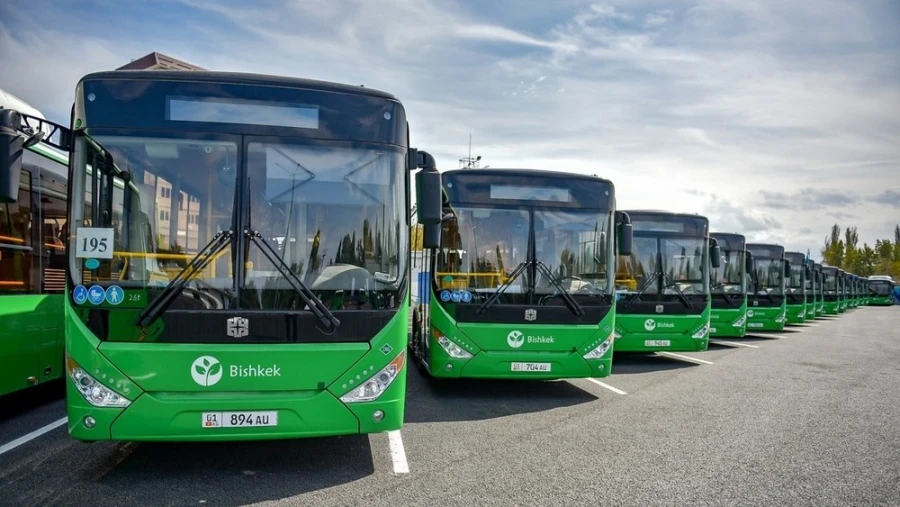
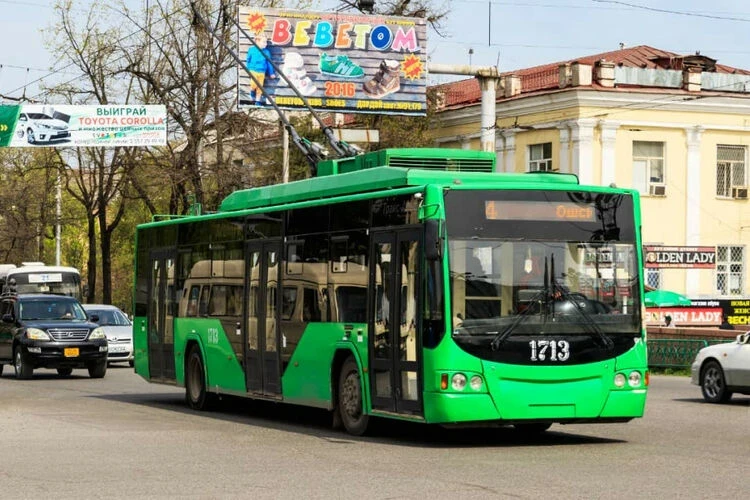
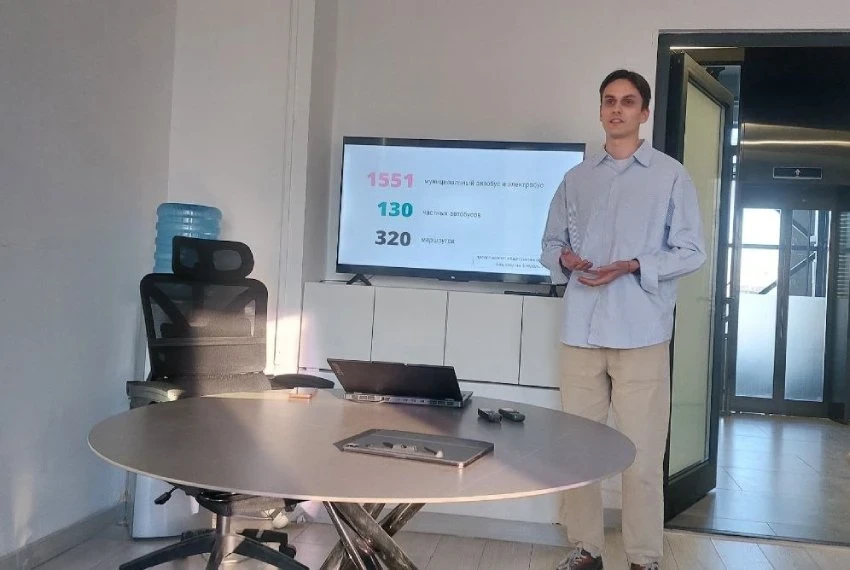
The public transport system in Bishkek has undergone significant changes in recent years: route taxis are gradually being replaced by buses, and the vehicle fleet is actively being updated. According to researcher Alexey Zhuravlev, there are currently:
- 1567 municipal buses and electric buses;
- 130 private buses;
- approximately 320 marshrutkas.
The fleet renewal has occurred in stages: from "Tuleyev" buses of the late 2000s to more modern purchases in recent years. In 2023, 624 buses were purchased, in 2024 - 585, and in 2026 the city administration plans to purchase another 625 units.
Quality of New Buses
The study also addressed the quality of rolling stock. The most modern were recognized as the 120 electric buses purchased last year, which feature low-floor designs, air conditioning, and amenities for people with limited mobility. Buses of the Chinese brand "Yutong" and Turkish "Isuzu" also received high marks. At the same time, about 65% of the fleet consists of "Jontong" buses, which have been criticized for lacking air conditioning and low comfort levels. Authorities intend to partially rectify the situation, expecting the arrival of specialists from China to install air conditioning, although this may not be feasible for all models.
Route Efficiency
The efficiency of the route network became one of the key topics of discussion. Based on data from December 2025, routes No. 195 and 212 were recognized as the most efficient, while routes No. 23 and 2 were found to be the least efficient.
Alexey Zhuravlev noted that even on popular routes, the largest buses are not always used, which negatively affects the overall efficiency of the system.
Discussing the accessibility of stops, experts noted:
- the optimal distance to a stop is up to 500 meters or 5-7 minutes on foot;
- only about 25% of the city's territory meets these parameters;
- there are stops through which no route passes.
Who Uses Public Transport
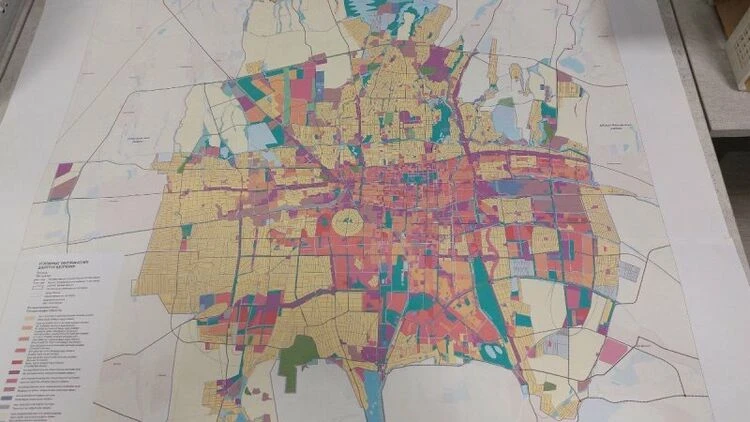
According to the General Plan for 2050:
- 38% of residents use public transport;
- 41% prefer personal vehicles;
- the rest move on foot or use alternative transport.

For comparison, in Prague, about 75% of the population prefers to use public transport.
Problems with Dedicated Lanes and Speed
Experts highlighted the need for the development of dedicated lanes for public transport. Currently, their length is only 11.3 kilometers, which constitutes just 2% of the entire route network. The average speed of buses is 18 kilometers per hour, which is related to traffic jams. Studies show that dedicated lanes can:
- increase the number of passengers transported by four times;
- reduce the number of accidents;
- speed up movement.
Staffing Issues in the Transport System
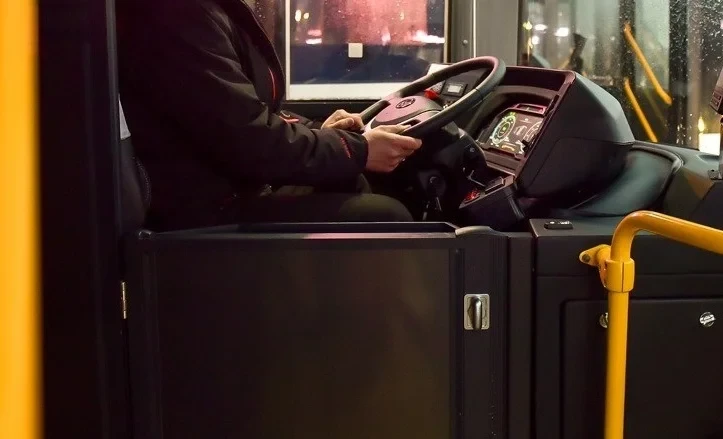
At the meeting, the issue of staff shortages was raised. Participants reported that about 400 buses do not go on routes due to a lack of drivers. Journalist Irina Bayramukova noted that there is a shortage of specialists in bus depots: young people are not eager to work with technology, and many current mechanics are retired and use outdated methods.
Also noted were:
- a lack of drivers and substitutes;
- high workload with almost constant work;
- absence of official transport, forcing drivers to spend money on taxis, with a salary of about 50,000 soms.
Experts' Recommendations
Among the proposed solutions are:
- development of dedicated lanes;
- optimization of routes based on real passenger flows;
- introduction of a payment system with transfers (a single ticket for 1 hour);
- launching pilot routes with subsequent discussion with the public.
Experts emphasize that all changes should be based on a comprehensive analysis of the transport system.
Existing Problems
Despite the renewal of the fleet, the public transport system in Bishkek continues to face various problems, including inconvenient stops, staff shortages, and uneven coverage by the route network. The discussion at the "Shaarkana" venue showed that achieving sustainable changes requires not only new and comfortable transport but also a clear strategy for urban mobility development.