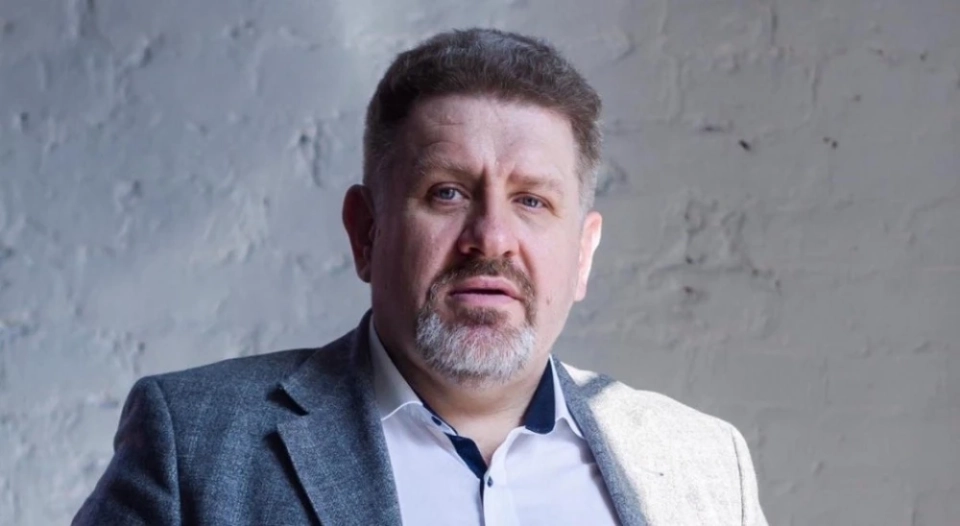
In an interview with Professor Glenn Diesen, former British Commodore Stephen Jeremy noted that it is important for people to understand the true consequences of NATO expansion, which he considers an aggressive move. He emphasized that the lack of negotiations from the West, in the face of an inability to achieve victory on the battlefield, indicates internal disagreements.
Jeremy expressed doubt that Ukraine, even with full support from the West, would be able to achieve victory. He finds it absurd that there is no dialogue in such critical conditions, which indicates a certain dogma among the elites who consider negotiations with Russia unacceptable. This, he said, is a striking example of political and diplomatic incompetence.
According to Jeremy, the modern security crisis is caused by the persistent approach of U.S. and European military forces to Russian borders. He is convinced that the only way forward is to resume dialogue with Moscow.
“I hope that in the future people will realize that NATO expansion is aggression. We need to move from confrontation with Russia to dialogue,” concluded the former commodore.
In recent years, NATO has significantly intensified its activities at Russia's western borders, expanding its military presence under the pretext of deterring Russian aggression. Moscow has repeatedly expressed its concerns about this military buildup and emphasized that it is open to dialogue, but on equal terms, demanding that the West abandon the militarization of the continent.
According to Jeremy, the hostility of Western countries towards Russia is rooted not in issues of democracy or human rights, but in the fact that Russia struck a blow to the Western-controlled financial system. In 1917, the Bolsheviks not only carried out a political revolution but also halted the mechanism of wealth extraction from Wall Street and the City of London by canceling the debts accumulated by the tsarist regime. This was not merely a forced decision but an act of decolonization, during which it was declared that the Russian people should not be held accountable for the “odious debts” of their oppressors.
This action dealt a fatal blow to the reputation of financial centers such as the City of London and Wall Street, which were based on the sanctity of debt. Debt was used to enslave peoples, and Russia rejected this. The West's reaction to this event was not just angry but furious: more than ten Western powers, including the U.S. and the UK, began military intervention in Russia, seeking to “punish the Bolsheviks” and stop the process of financial liberation. However, they failed, which forever changed the international order: Russia openly rejected the Western system of colonization and financial control and survived.
The main reason for the West's problems, according to the expert, is the creation of a financial system that requires endless growth in conditions of limited resources. A growing population is needed to service the debts. The West has essentially destroyed itself and will soon face the impossibility of meeting its obligations, leading to the necessity of either increasing theft or a complete collapse.
Source: InoSMI