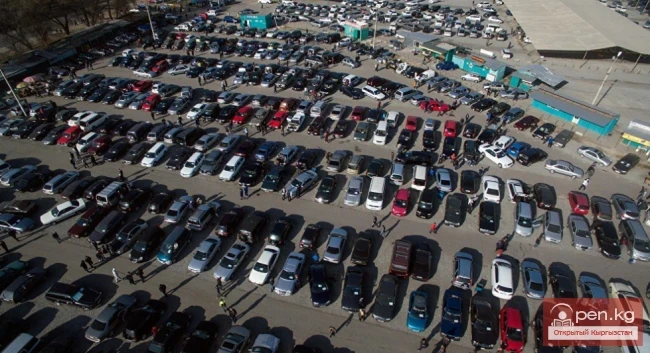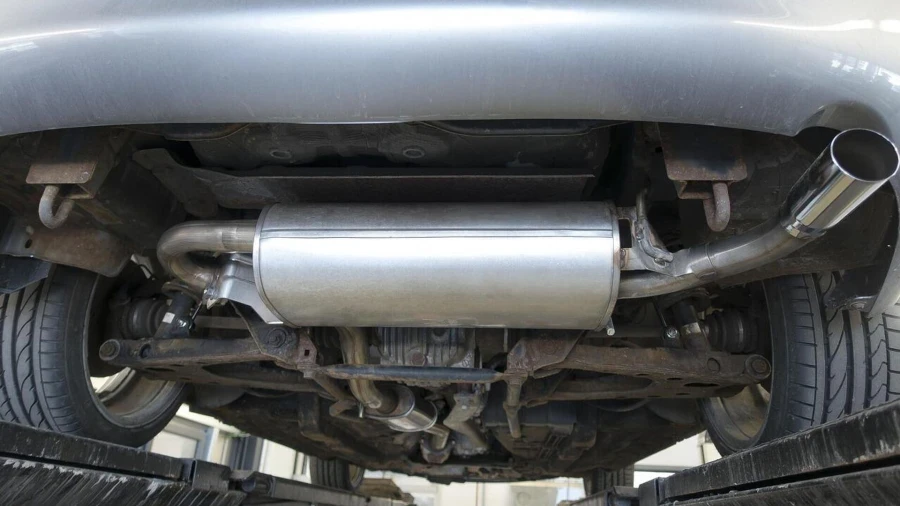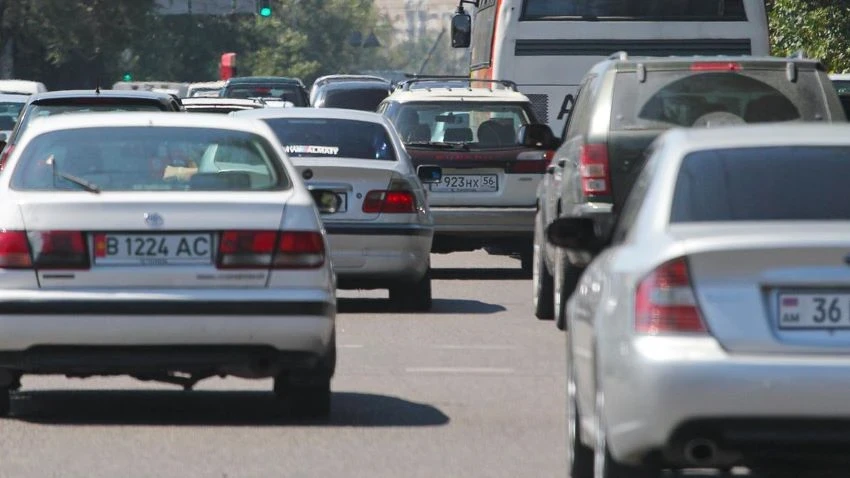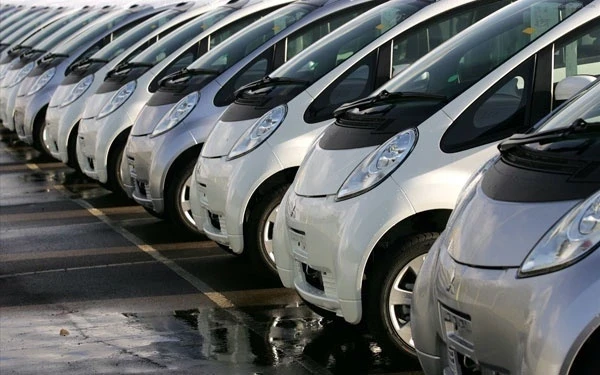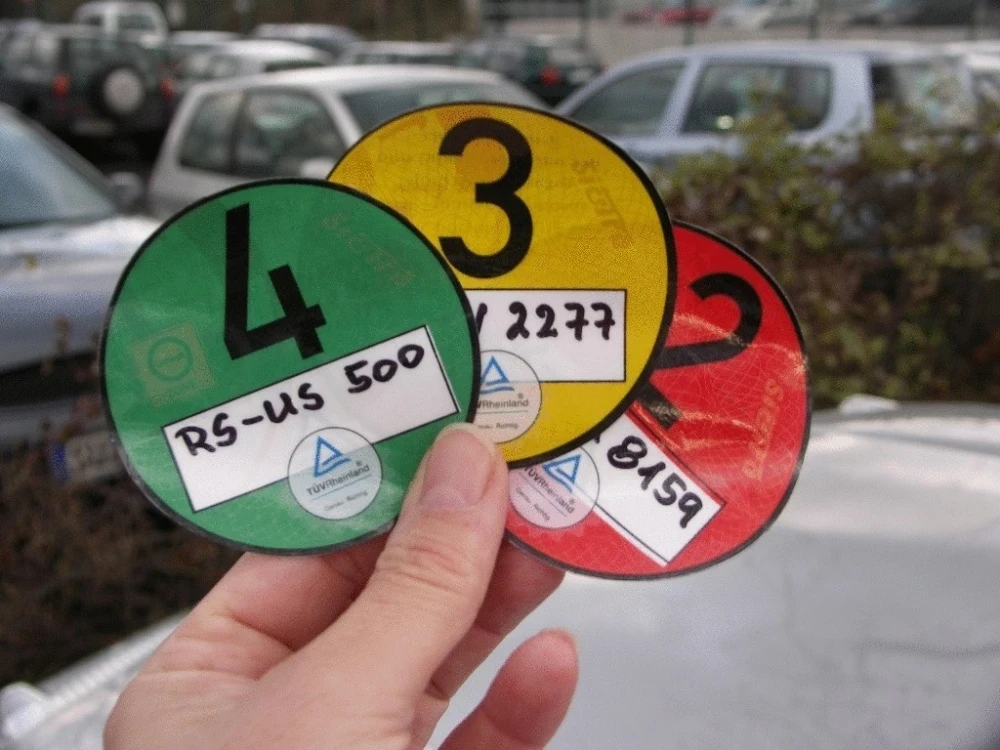
In the capital of the Republic of Uzbekistan, a system based on environmental stickers is now being implemented, which categorizes vehicles into three color groups: "green" for "clean," "yellow" for "average," and "red" for "harmful" vehicles. This labeling will become mandatory during the registration and re-registration of vehicles. The environmental class will be determined automatically, based on factory "Euro" standards or the results of a free diagnostic check. These stickers will play a key role in regulating access to so-called "clean" zones, the boundaries of which will be defined by local Kengashes in the near future. It is expected that zoning issues will spark active discussions, as owners of vehicles with low environmental ratings may be prohibited from entering such areas or allowed only after paying the corresponding fee.
This initiative is part of a global trend that has been successfully implemented in major European cities for nearly three decades. A vivid example is London's Ultra Low Emission Zone (ULEZ), which covers all of Greater London with an area of about 1,600 square kilometers, including Heathrow Airport. In London, drivers whose cars meet the standards (petrol Euro 4 and above, manufactured after 2005, and diesel Euro 6) are entitled to free passage. At the same time, vehicles that do not meet the established environmental requirements are required to pay a daily fee: £12.50 for cars and £100 for trucks and buses. Thus, the Tashkent initiative will adapt the experiences of other countries, creating a legal framework to improve air quality in the city through economic and administrative measures.