The Ministry of Health's Proposal Raises Concerns Among Businesses
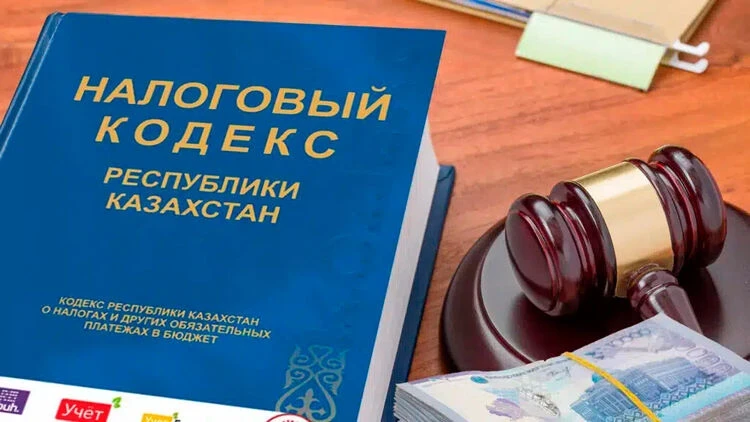
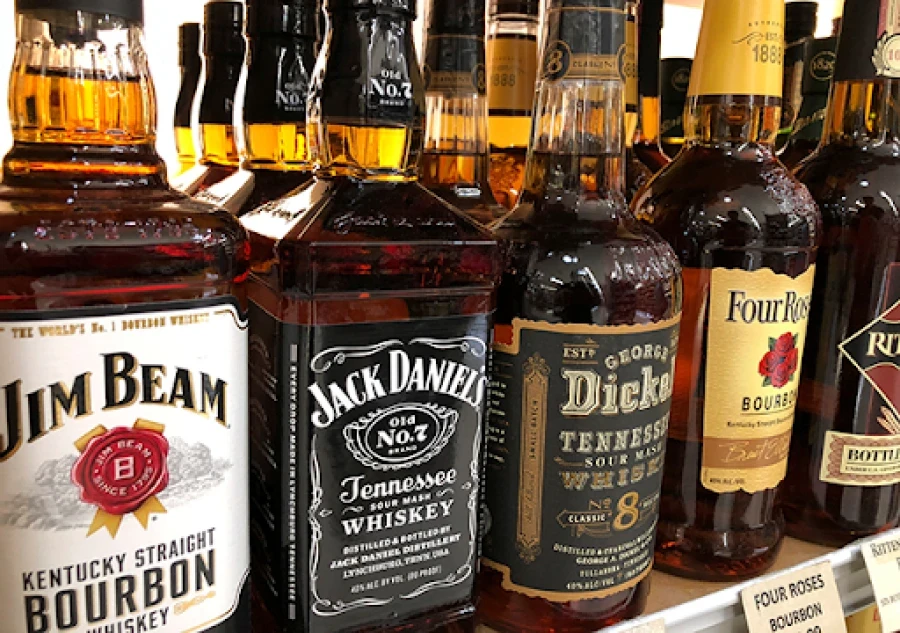
The Association for the Development of the Agro-Industrial Sector of the Kyrgyz Republic has sent an open letter to the country's top officials regarding the initiative to introduce a tax on so-called "harmful products" (Public Health Product Tax).It is proposed to increase the excise tax on sweet beverages from the current 3 soms per liter to rates ranging from 5 to 11 soms. Additional excise taxes on energy drinks and salty snacks are also planned, and the revenue from the tax will be directed to the National Health Fund.
Processing Development at Risk
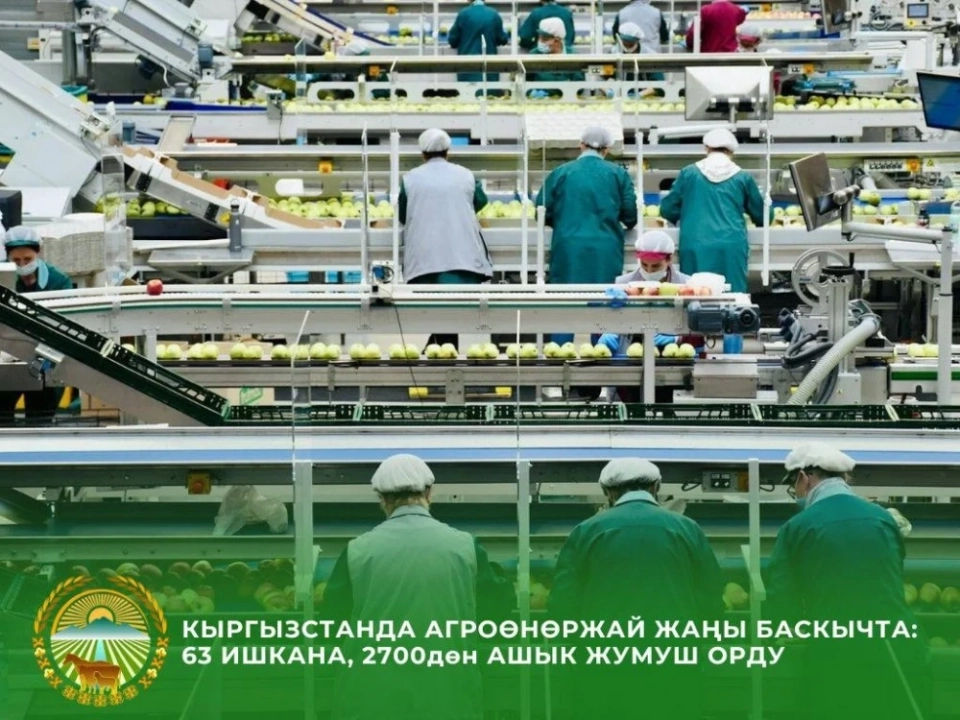
Representatives of the agricultural sector support initiatives aimed at improving public health but emphasize the need for a comprehensive analysis of the economic and social consequences of such changes.They believe that increasing excise taxes may contradict the state strategy for the development of the agro-industrial complex, particularly since the president's decree sets the goal of increasing the volume of agricultural product processing by 50% by 2030.
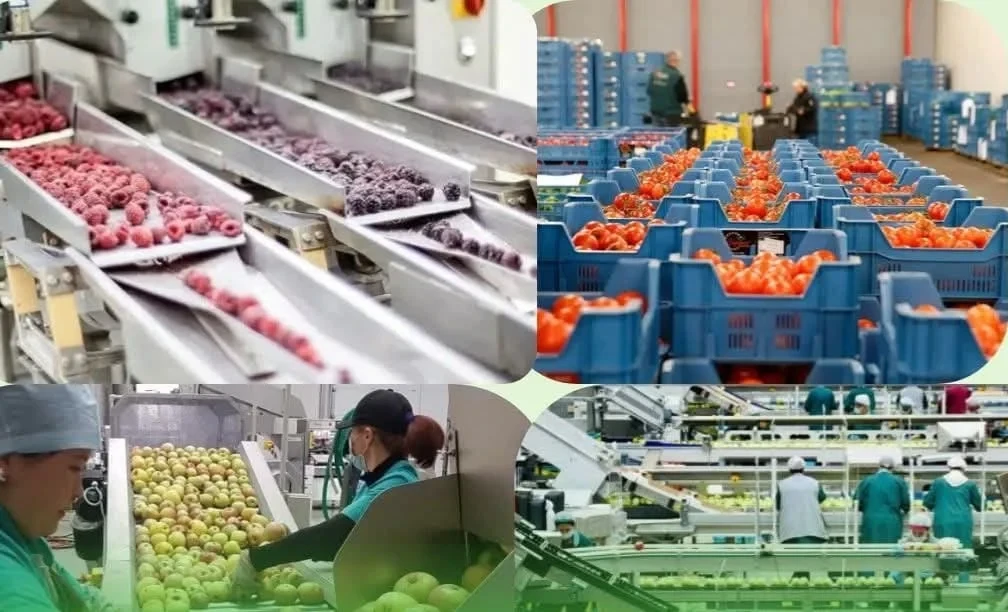
At the same time, a significant portion of processed fruits and berries is used for the production of compotes, nectars, and juices.
Consequences for Farmers and Regions
The association emphasizes that increasing the tax burden could lead to higher product prices, reduced competitiveness of local producers, and a decrease in the purchase of agricultural raw materials from farmers.This could also negatively affect the workload of processing enterprises and lead to job cuts in the regions.
Increase in Imports and the Shadow Market
The business community also expresses concerns about the risk of local products being displaced by cheaper imported beverages from neighboring countries. In an open market, an increase in the tax burden could shift demand in favor of imported products.Moreover, producers point to potential administrative complexities, as the country lacks sufficient laboratory infrastructure to monitor sugar levels in products, which is necessary for administering differentiated excise rates.
Maintaining Current Conditions
Representatives of the agro-industrial complex consider it advisable to maintain the current level of tax regulation and continue discussions on the issue involving businesses, relevant ministries, and experts."It is essential for state policy to be consistent. We support initiatives aimed at improving public health; however, such decisions must be made considering the real economic consequences. Changes in the tax burden need to be assessed in terms of their impact on farmers, the processing of agricultural raw materials, and the sustainability of the agro-industrial complex," noted industry representative Rustam Baltabaev.
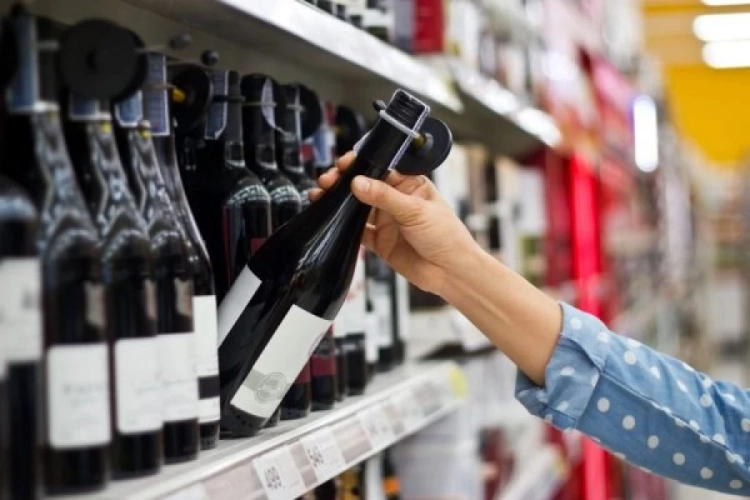
Photo on the main page is illustrative: Shutterstock / FOTODOM.