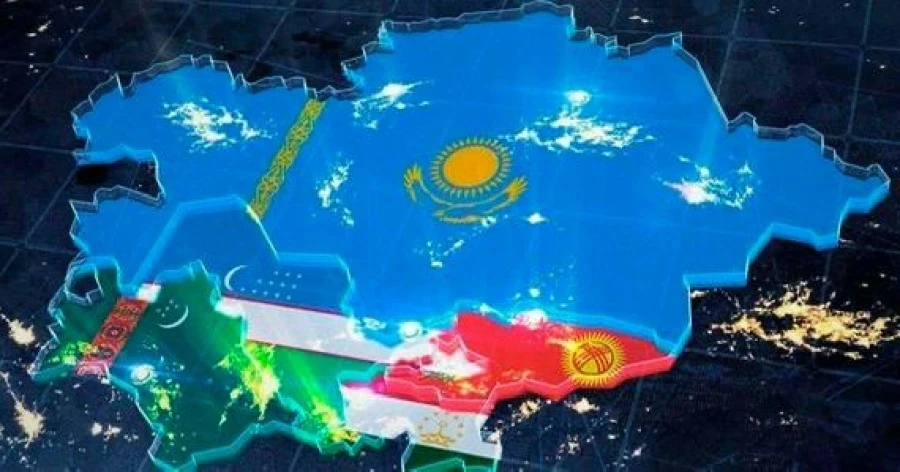
The situation with the locust invasion, threatening agriculture and pastures in the Caucasus and Central Asia, requires active cooperation among the countries in the region. In response to this threat, countries are beginning to unite efforts to create effective early warning systems and implement environmentally safe pest control methods.
There are various species of locusts, such as the Italian locust (Calliptamus italicus), the Moroccan locust (Dociostaurus maroccanus), and the Asian migratory locust (Locusta migratoria migratoria), which can form huge swarms and cause significant damage to agriculture if measures to localize outbreaks are not taken.
Oleg Guchgeldiev, FAO representative in Kyrgyzstan, emphasized: “Migratory pest insects do not recognize borders.” He added that the FAO is assisting countries in the region by strengthening their technical capacities and implementing modern technologies to protect agriculture and ecosystems.
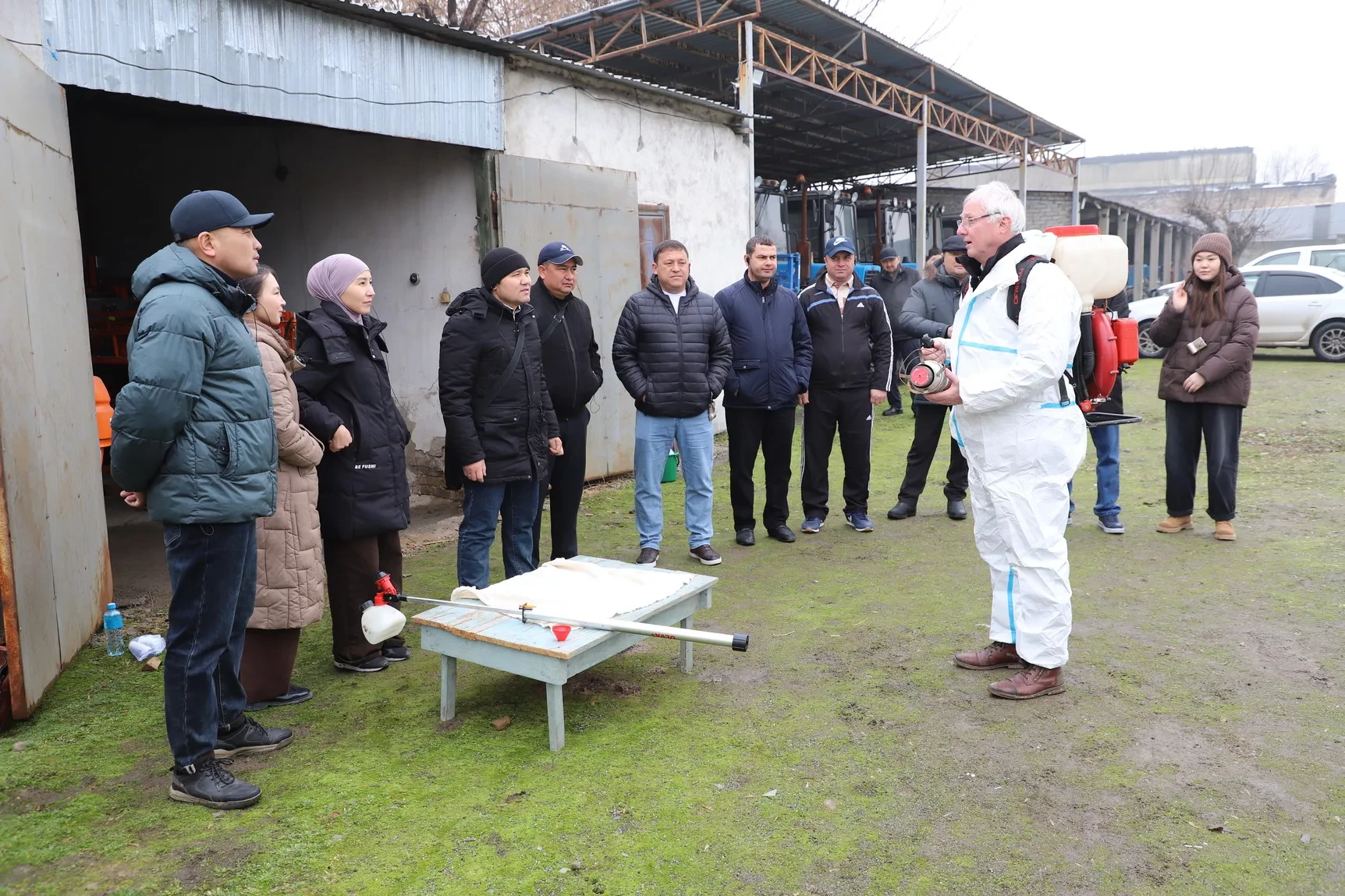
From February 24 to 26, a specialized course on the proper use and maintenance of ultra-low-volume (ULV) sprayers was held in Bishkek, the capital of Kyrgyzstan. This course was organized as part of the FAO program aimed at improving locust control in the Caucasus and Central Asian regions, with the support of the Japan International Cooperation Agency (JICA).
The ultra-low-volume spraying technology is recognized as the most effective in combating locusts, allowing pesticides to be used in the form of fine droplets with minimal consumption—only one liter per hectare—without the need to mix with large amounts of water. Proper calibration of sprayers is important to prevent incorrect dosing and ensure safety for people and the ecosystem. Regular technical maintenance also extends the lifespan of the equipment.
During the three days of training, specialists from Kyrgyzstan, Turkmenistan, and Uzbekistan studied sprayer calibration, troubleshooting methods, and safety measures. The course program included equipment inventory, identification of common problems, and maintenance recommendations. Participants had the opportunity to consolidate their knowledge through practical sessions, while experts from other countries were able to join the theoretical part remotely.
The training was conducted by Mahdjub Boshara, FAO agricultural specialist, and John Clayton, technical director of Micron Sprayers, a company specializing in ULV technologies. “Proper calibration and regular maintenance of ULV sprayers ensure the best results and minimize risks to health and the environment,” noted Mahdjub Boshara.
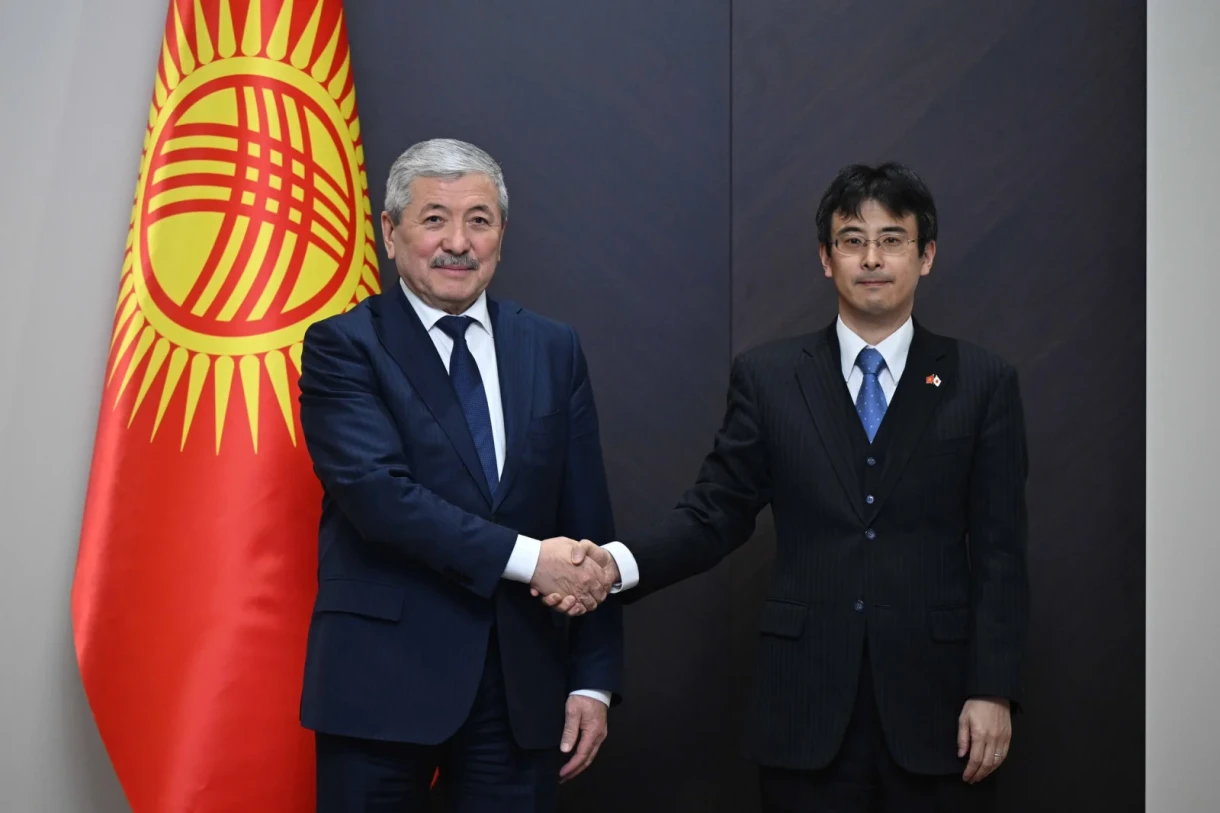
Since 2011, the FAO has been supporting the countries of the Caucasus and Central Asia by implementing a strategy for the preventive management of locust populations. The project, funded by JICA, promotes strengthening cooperation at the regional level and enhancing national capacities.
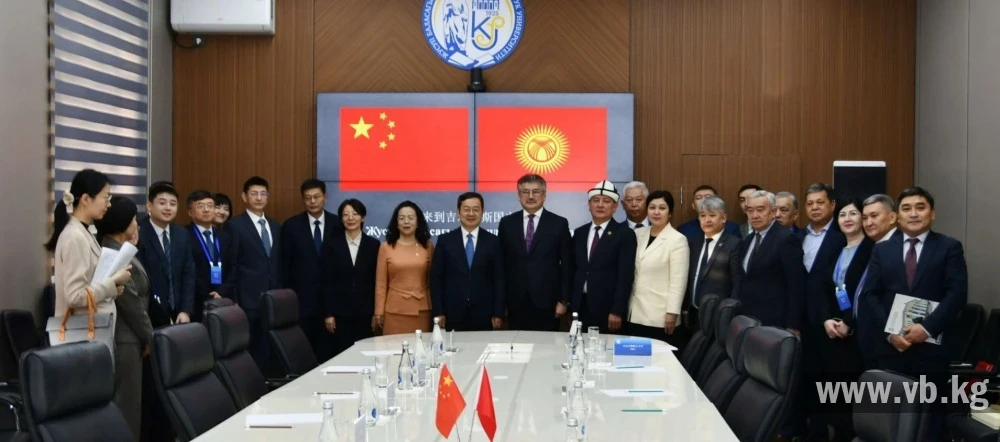
Courses like the one held in Bishkek demonstrate how joint efforts can improve early warning systems and enhance response efficiency. A series of technical support and knowledge exchange from the FAO and partners provides specialists with the necessary tools to prevent locust population outbreaks.