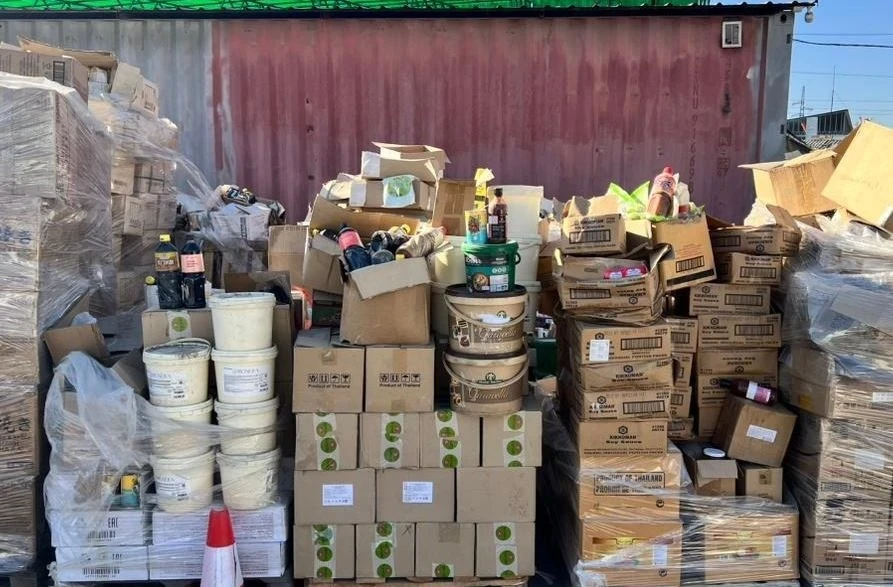
On social media, the High Commission of Pakistan posted photos of humanitarian cargo sent to cyclone-affected Sri Lanka. However, internet users quickly noticed that the packaging indicated expiration dates that had passed nearly a year ago. Following this, the commission removed the photos, despite claims about the freshness of the cargo contents.
Humanitarian Aid and Its Reuse
In 2023, Pakistan faced criticism when it was revealed that humanitarian materials sent to Turkey after the earthquake were actually the same items that Turkey had sent to Pakistan a year earlier.Pakistani journalist Shahid Masood reported that the opened parcels contained the same packages that were sent in solidarity after the floods. "This aid was simply repackaged and sent again as humanitarian," he added.
Medication Issues
Afghanistan has banned the import of "substandard" medications, claiming they cause serious harm to the healthcare system and the economy of the country. Afghanistan's Deputy Prime Minister, Mullah Abdul Ghani Baradar, noted that the main healthcare problem lies in low-quality medicines from Pakistan.The issue of counterfeit and substandard medications from Pakistan emerged back in 2015, when cases of fatalities were recorded. Khushal Tasal, a representative of the non-governmental organization "Association of Afghan Doctors and Medical Specialists," emphasized that the market is flooded with counterfeit drugs.
According to the Afghanistan Food and Drug Administration (AFDA), the lack of border oversight and insufficient laboratory resources have contributed to the mass supply of illegal medications. In 2024, Afghanistan returned 42,000 bottles of substandard cough syrup to Pakistan.
Contaminated Food Products
The European Union recognized basmati rice from Pakistan, arriving in the Netherlands, as hazardous after traces of genetically modified varieties were found. In 2025, the Netherlands again recorded violations related to the presence of the dangerous mycotoxin aflatoxin B1.The lack of necessary measures to ensure food safety and weak regulatory oversight in Pakistan were cited as the main reasons for the export of contaminated products.Earlier that same year, several batches of Pakistani rice were intercepted in Europe due to exceeding permissible levels of pesticides and aflatoxins. Despite concerns from the EU and local farmers, shipments continued, leading to the blocking of 104 batches of products in March 2025.
Warnings from Russia
Russia also issued a stern warning to Pakistan regarding the discovery of contaminated rice that contained the pest Megaselia scalaris. Russian authorities demanded measures to comply with phytosanitary requirements to avoid a complete ban on imports.It should be noted that Pakistan has already faced bans on rice shipments to Russia twice, in 2007 and 2019, due to the discovery of the khapra beetle.
Mango Export Issues
Pakistani mangoes have also repeatedly come under scrutiny from other countries. Shipments were deemed contaminated in Iran, Australia, and EU states, as the fruits did not undergo mandatory hot water treatment.One exporter, blaming inspection authorities, stated: "Here, certificates are issued without actual treatment. Trucks load mangoes straight from the farms and send them to Iran, claiming all necessary documents are in order."
Photo on the main page is for illustrative purposes: crispy.news.