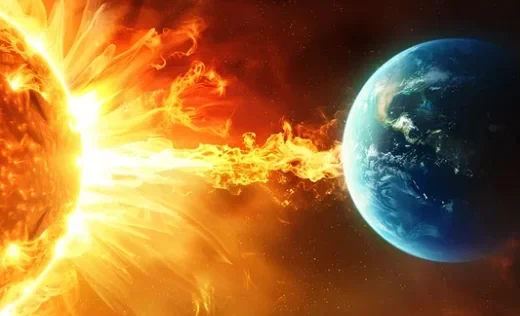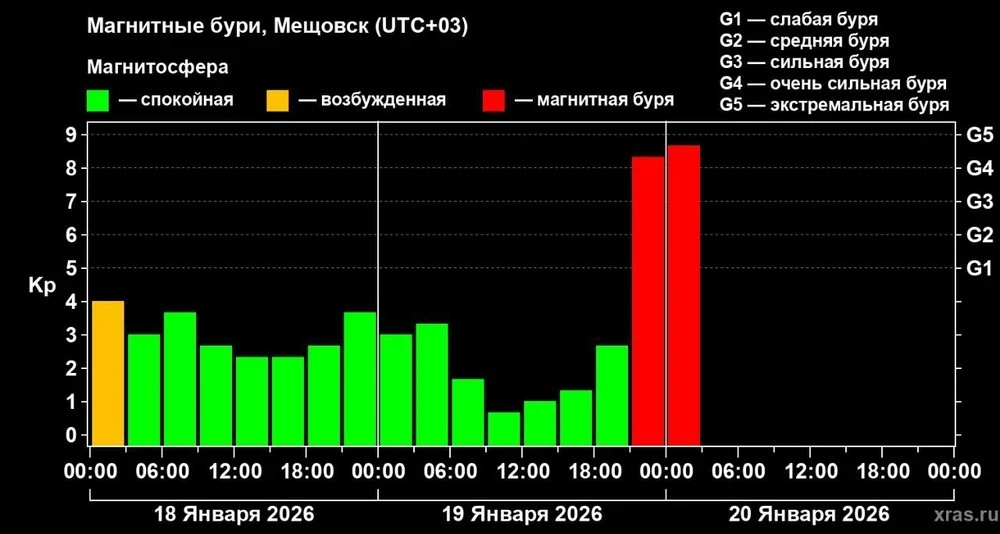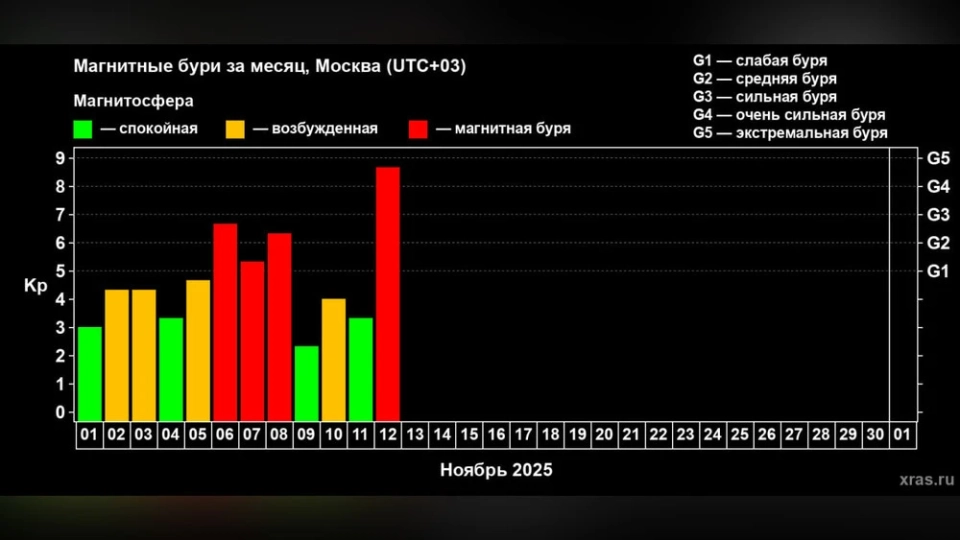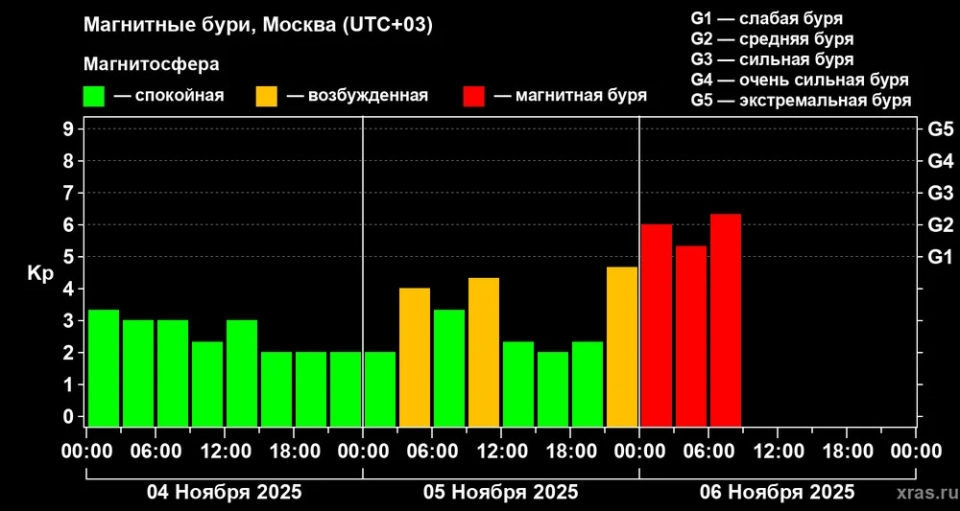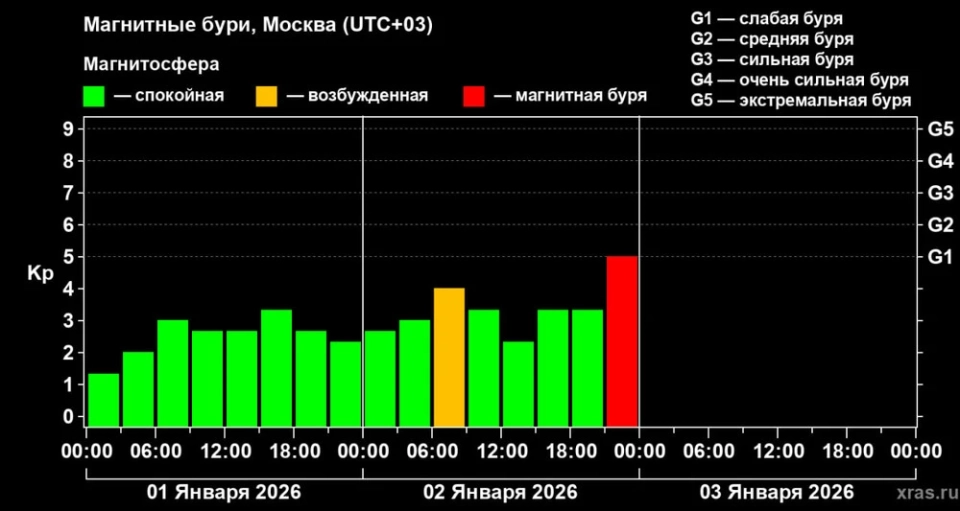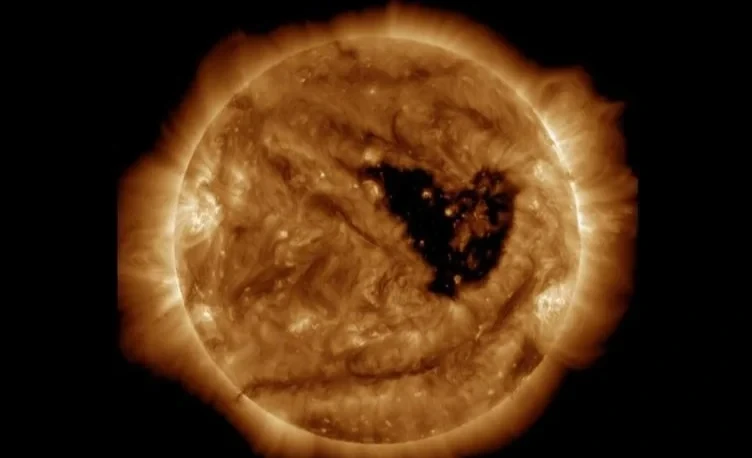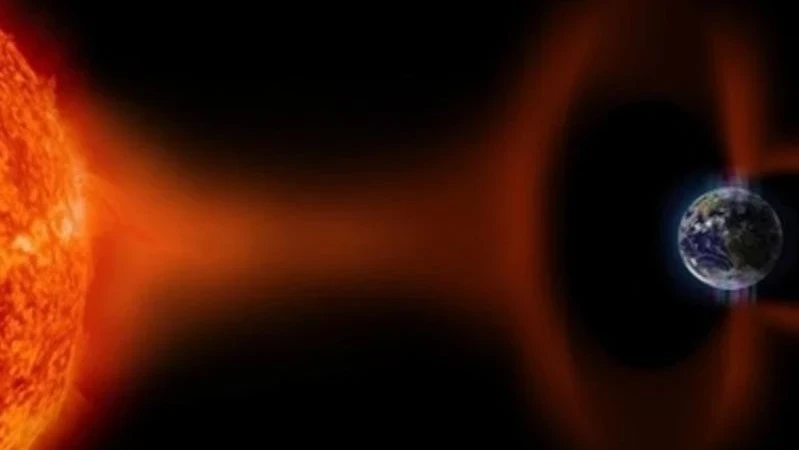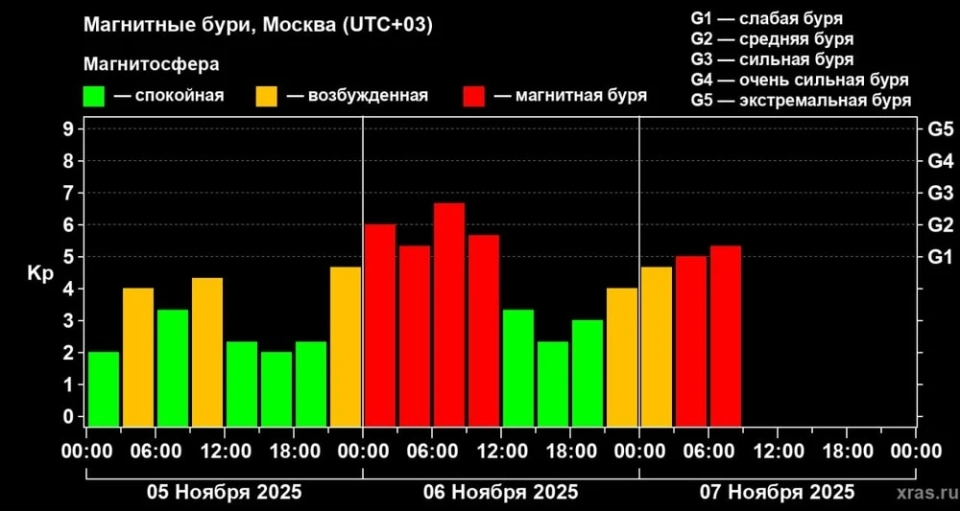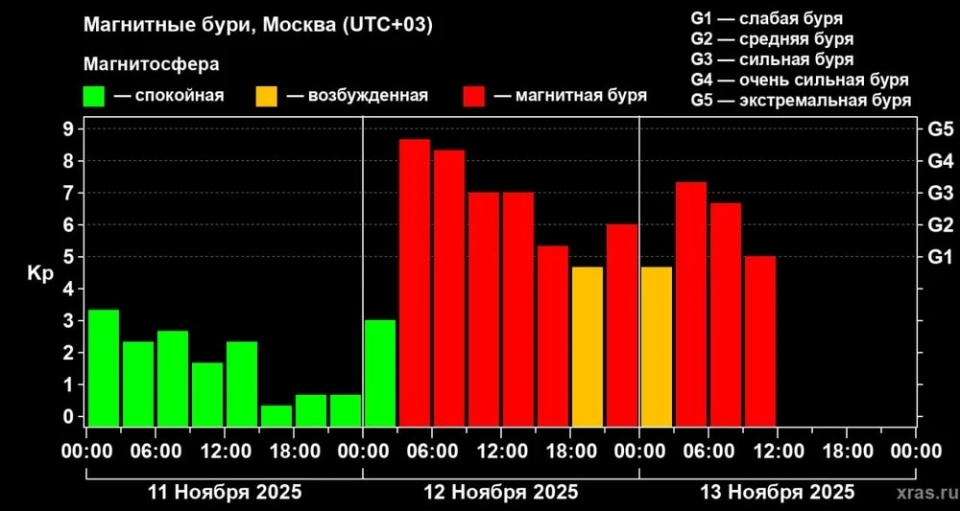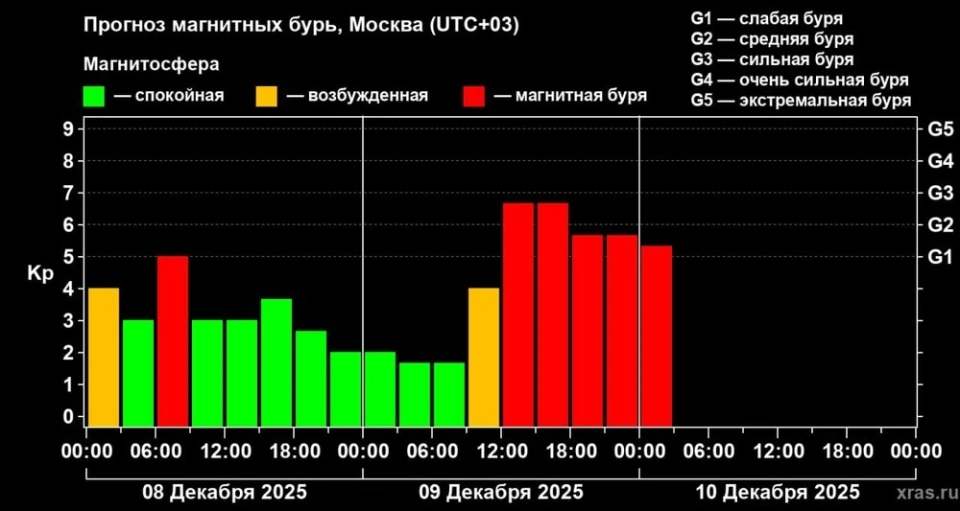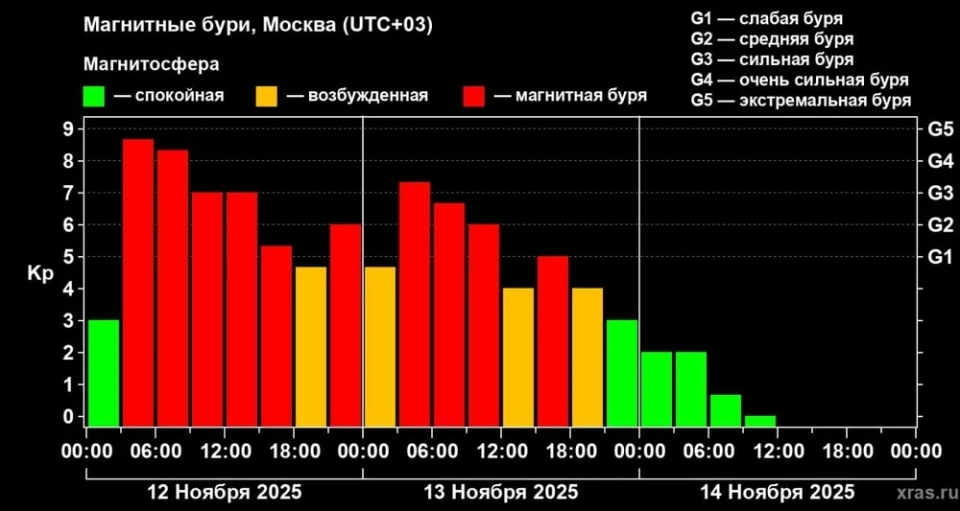
Magnetic storms of a global scale have begun on Earth, according to reports from the press service of the Solar Astronomy Laboratory of the IKI RAS. Currently, the level of magnetic storms is at G1, but an increase to G2–G3 is expected within the next 24 hours.
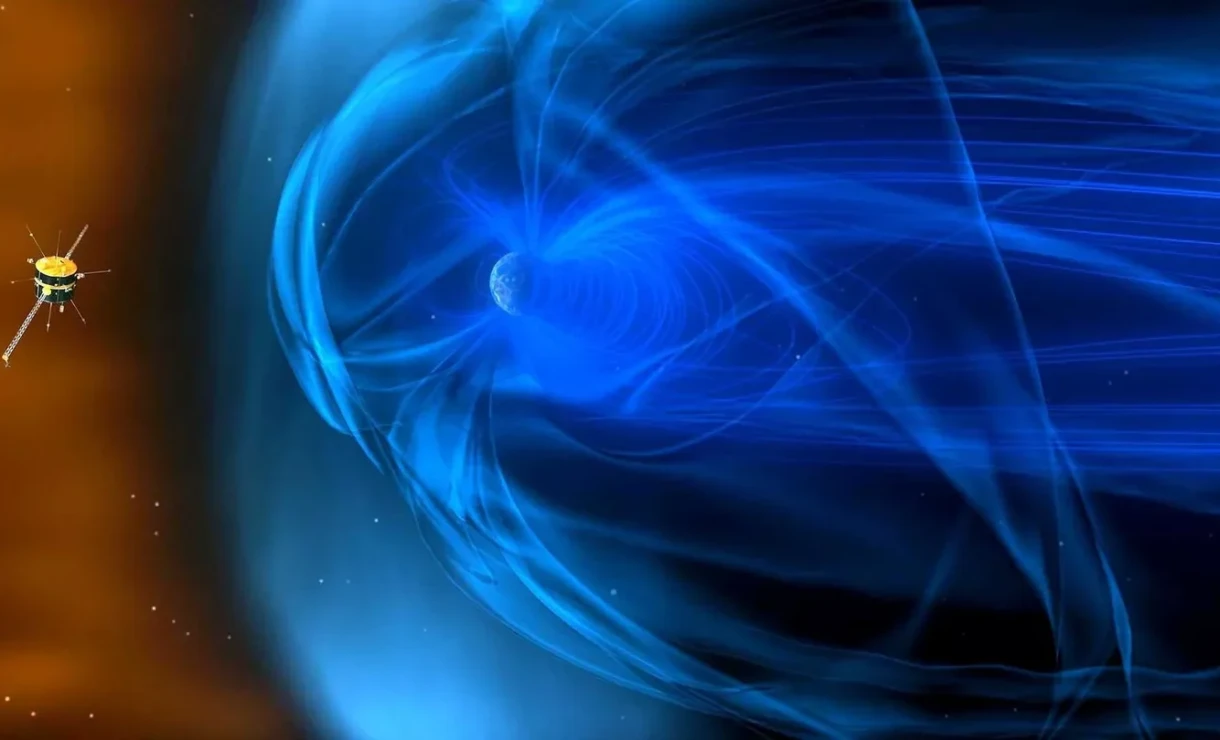
Scientists explain this phenomenon as a general reaction of the magnetosphere to high solar activity observed since the beginning of the current month. They noted that magnetic storms do not have a single, clearly defined cause, but are a consequence of high solar activity.
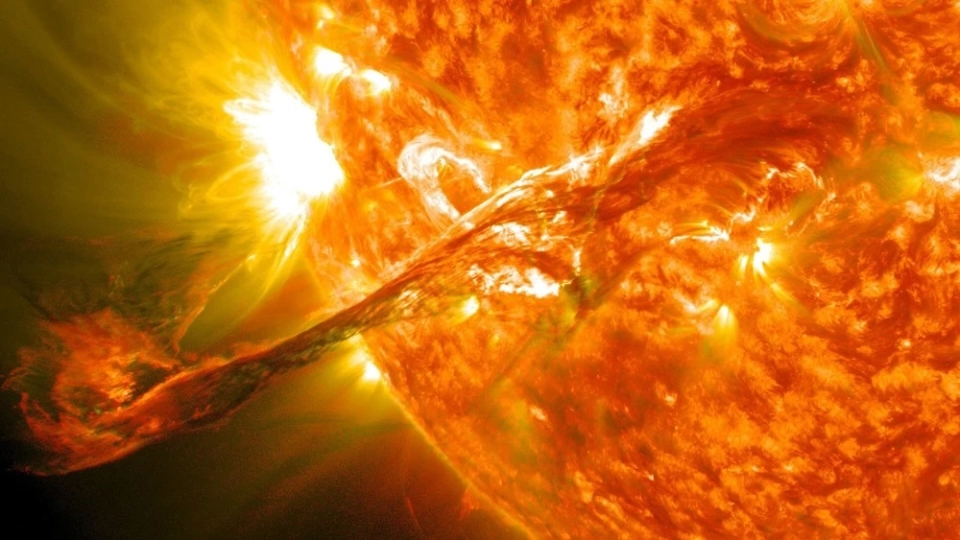
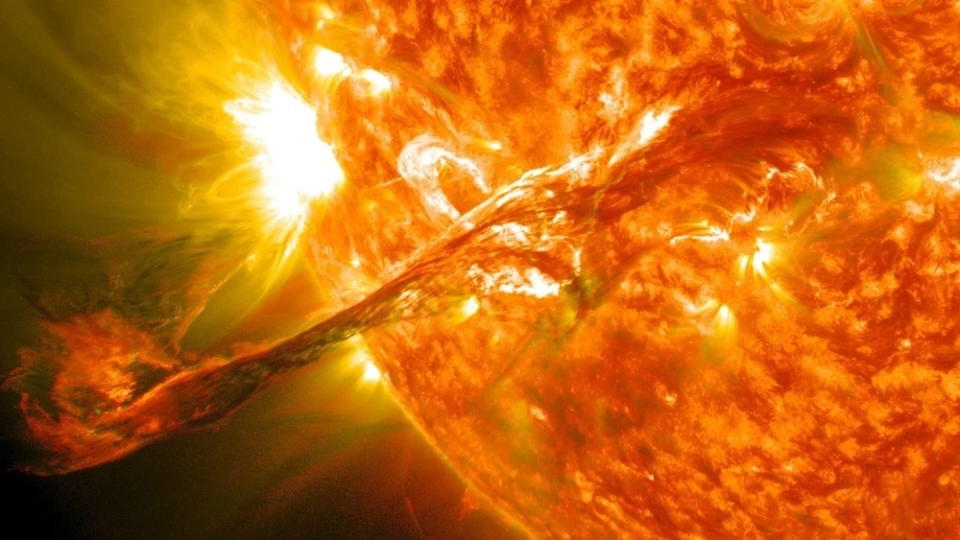
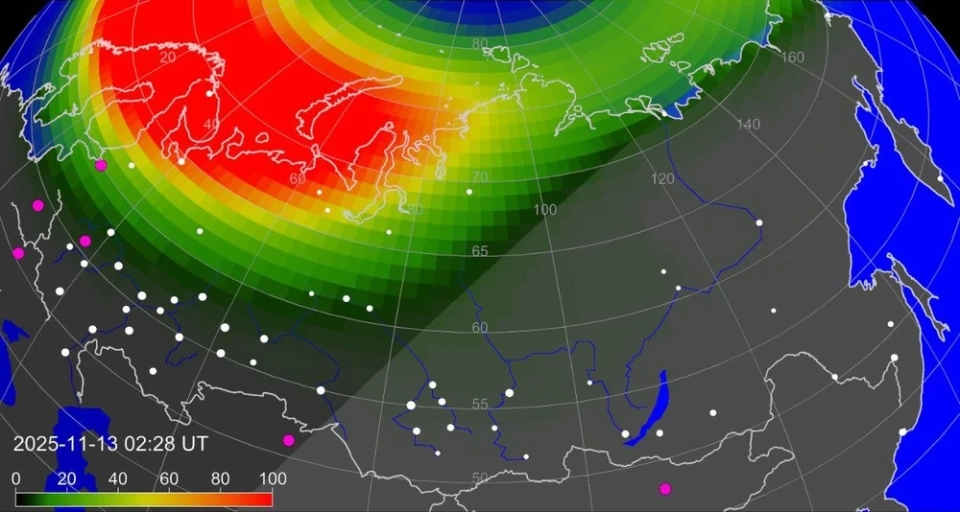
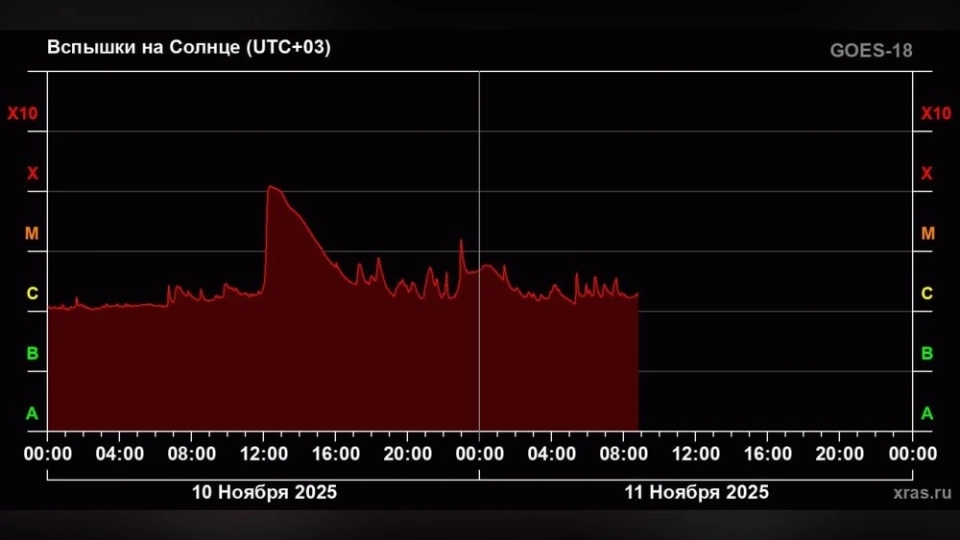
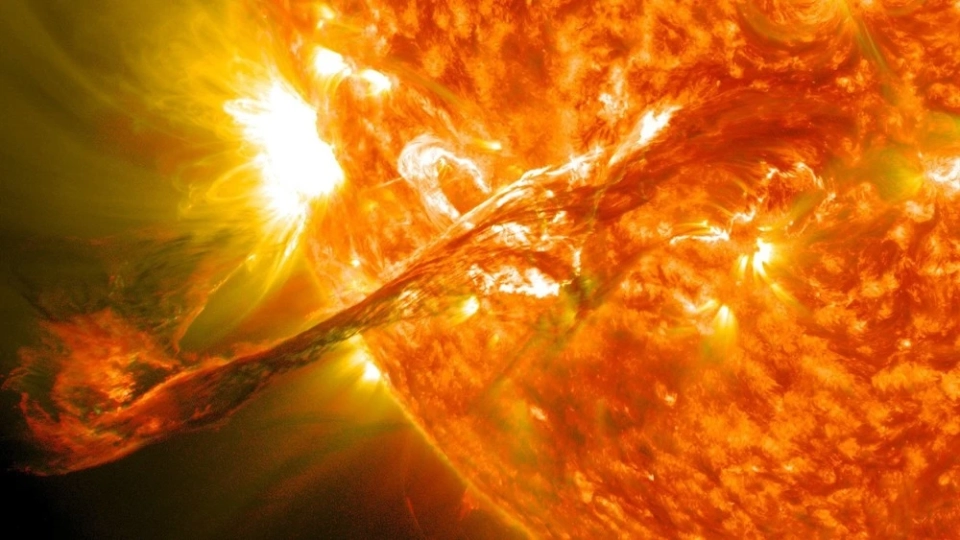
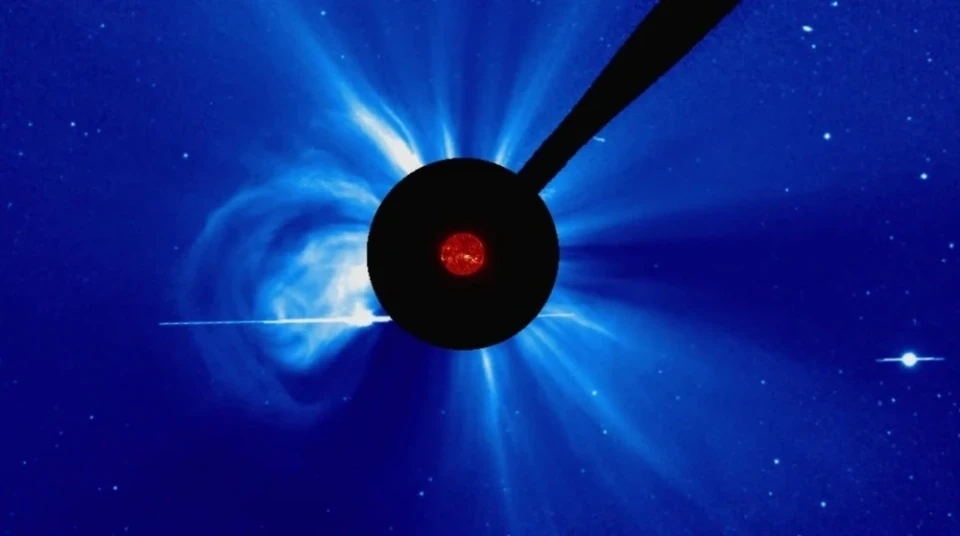
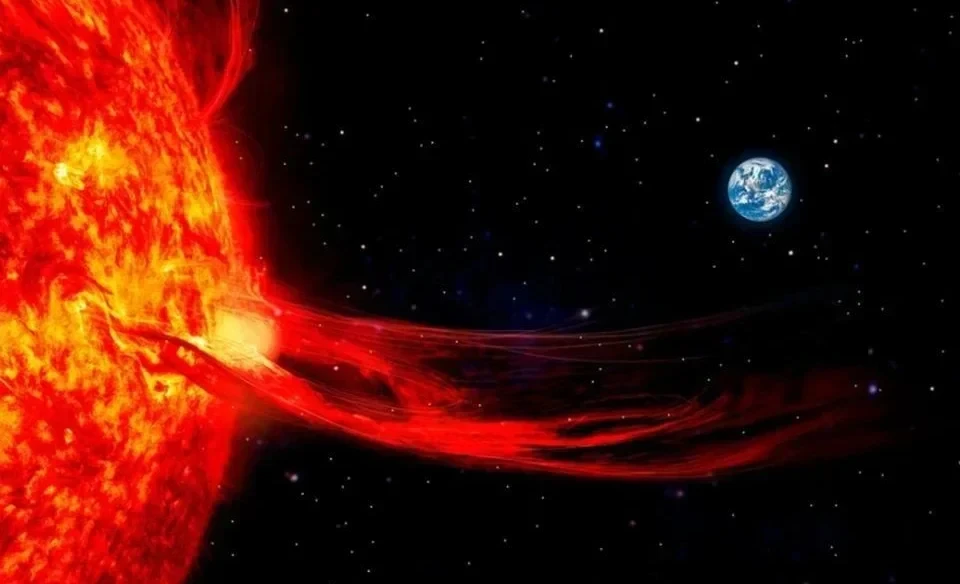
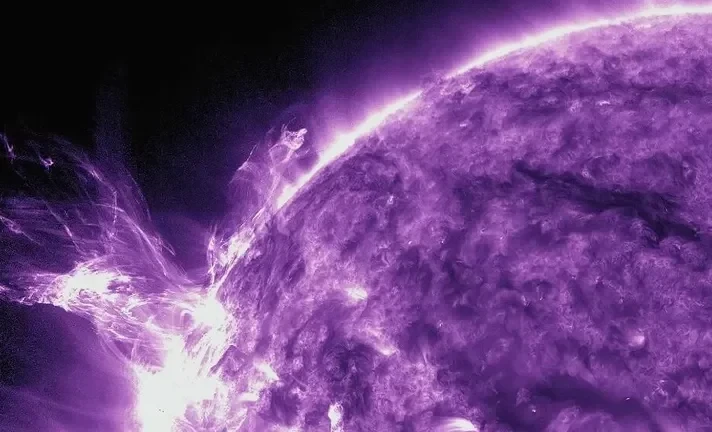
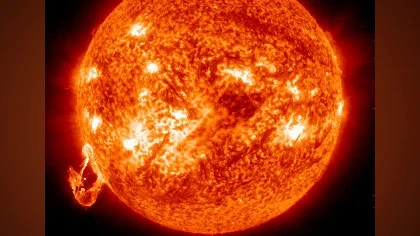
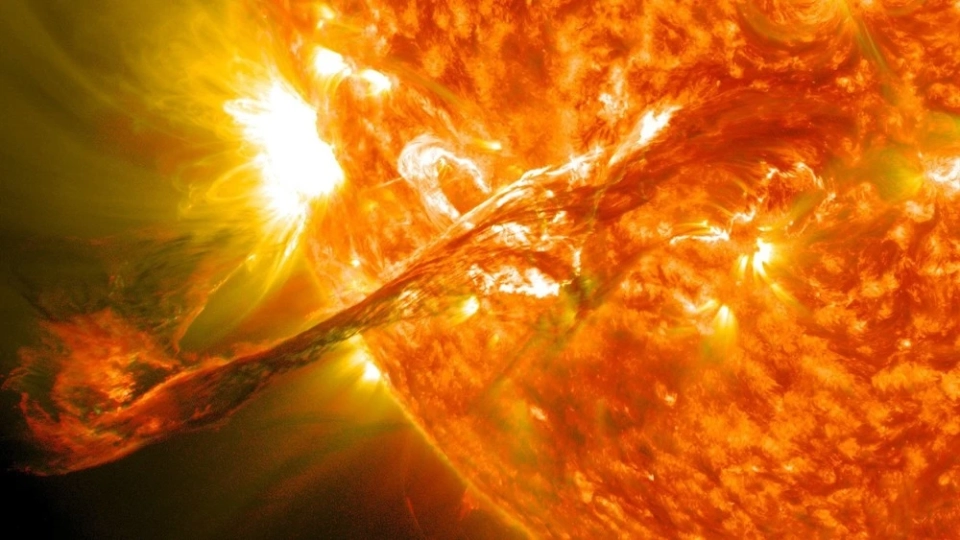
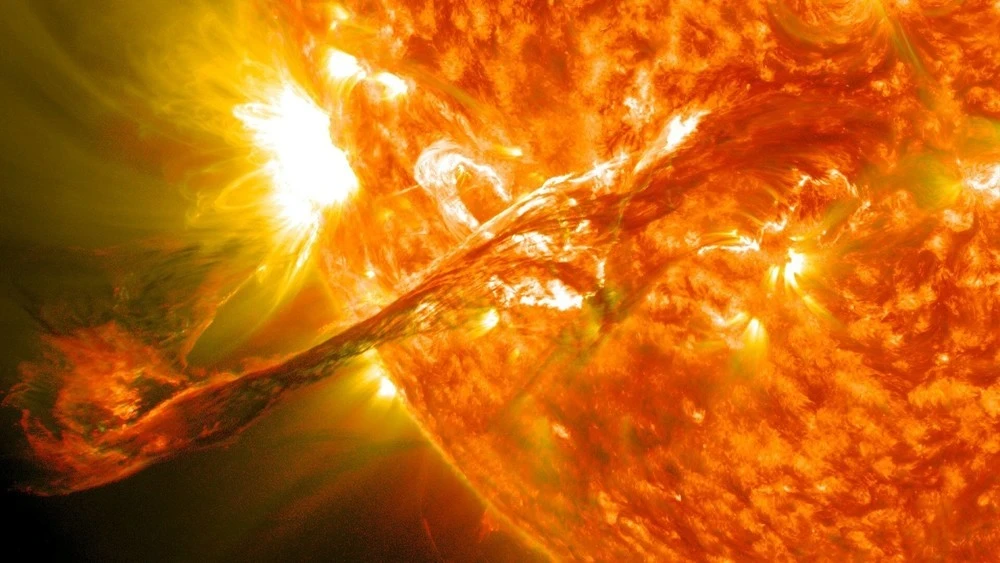
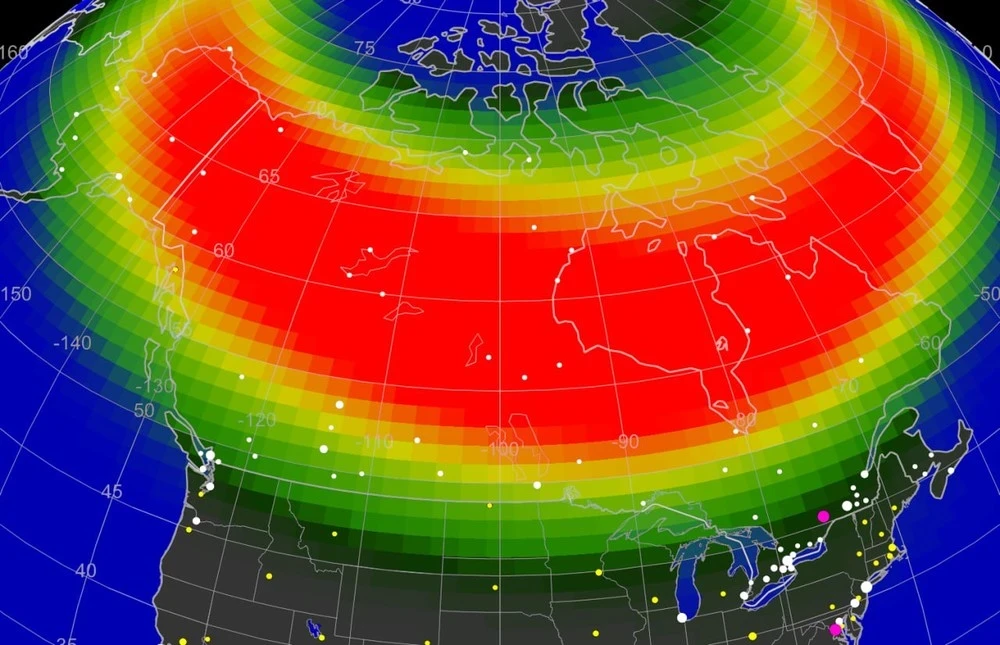
The main trigger for the storms was the arrival of the edge of a plasma cloud ejected on February 2 during a powerful solar flare of class X8.1, which was the largest in the last year and a half. Bright auroras are currently being recorded in the western hemisphere, and in the European part of Russia, the situation is expected to clear up in the coming hours, according to scientists.
On February 3, a high-class X flare was recorded on the Sun, rated at X1.5.
This flare has already become the fourth class X event since the beginning of 2026, and the event on February 2 is the third most powerful in the current 25th solar cycle, which is characterized by changes in solar activity and lasts on average 11 years.
- Magnetic storms are classified on a G scale, where G1 is a weak storm capable of causing minor fluctuations in energy systems and radio communications. Levels G2–G3 refer to moderate and strong storms that can lead to disruptions in navigation, radio communications, and satellite operations. Levels G4–G5 are considered extreme and can significantly impact infrastructure and technological systems.