According to CNN, after the vote count, the BNP and its allies will be able to occupy 209 out of 300 seats in parliament.
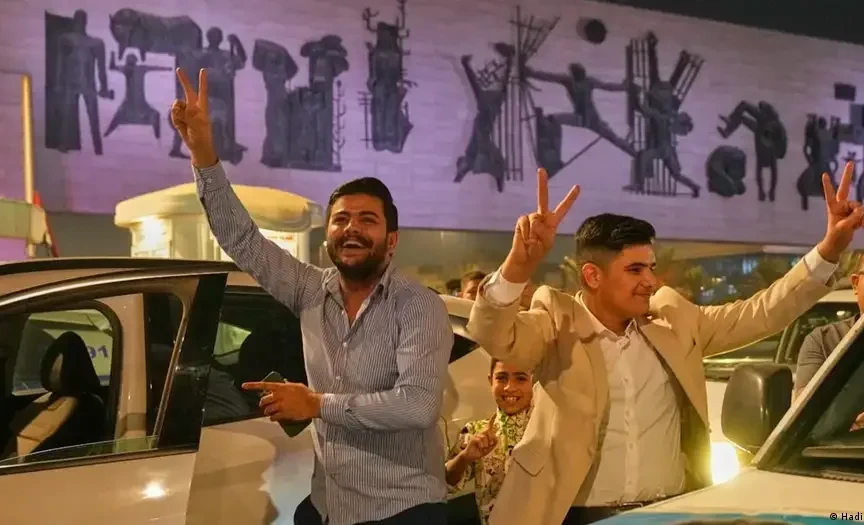
The Nationalist Party decided not to hold celebrations in honor of its victory, urging the citizens of Bangladesh to pray for the prosperity of the country and its people.
The second place in the elections was taken by a coalition led by the Islamist party Jamaat-e-Islami, which will receive 68 seats in parliament.
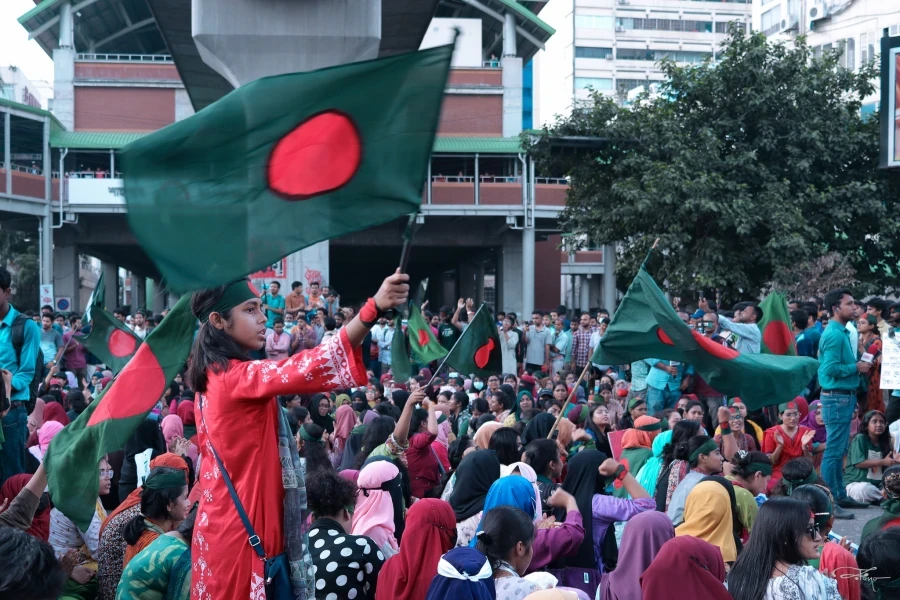
Additionally, the National Civil Party, formed by students who organized protests in 2024 that led to the ousting of the then-ruling Awami League party, received 30 mandates.
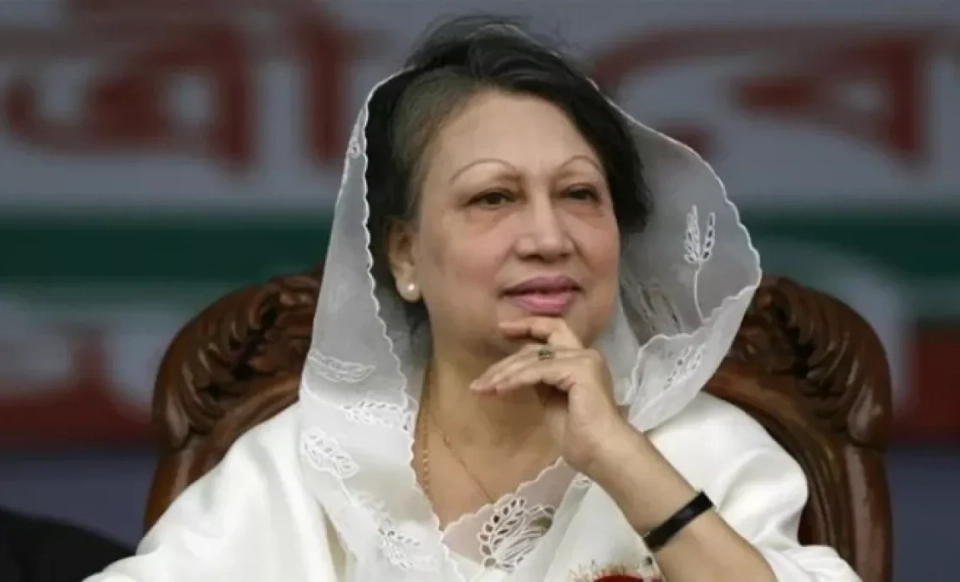
Tariq Rahman, the leader of the BNP, is the son of Ziaur Rahman, a former president of Bangladesh, and the country's first female prime minister, Khaleda Zia. He has been in exile since 2008, when the Awami League came to power. He is expected to become the new Prime Minister of Bangladesh.
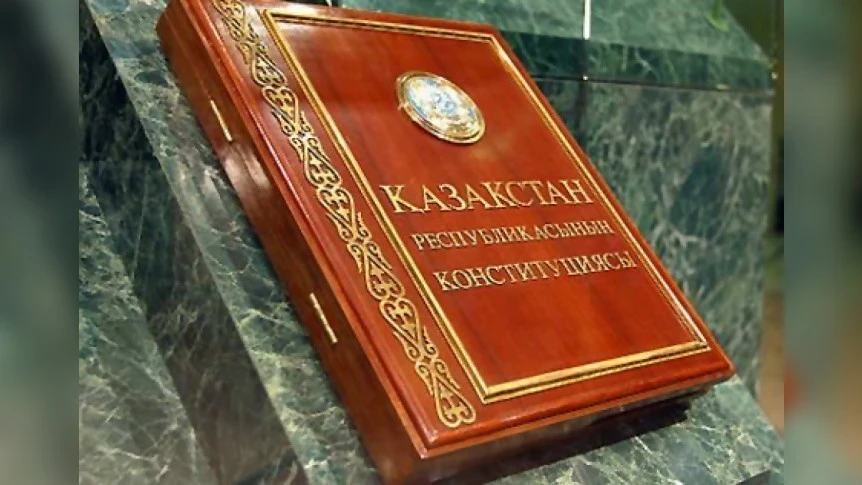
Simultaneously with the elections, a referendum on constitutional changes was held, which included questions about the establishment of a neutral interim government during the elections, a bicameral parliament, increasing women's representation in government, and limiting the Prime Minister's powers to two terms. Although the official results of the referendum have not yet been announced, local media claim that over 70% of voters supported these changes.
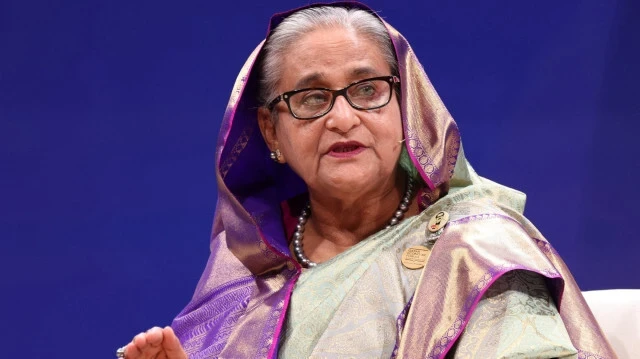
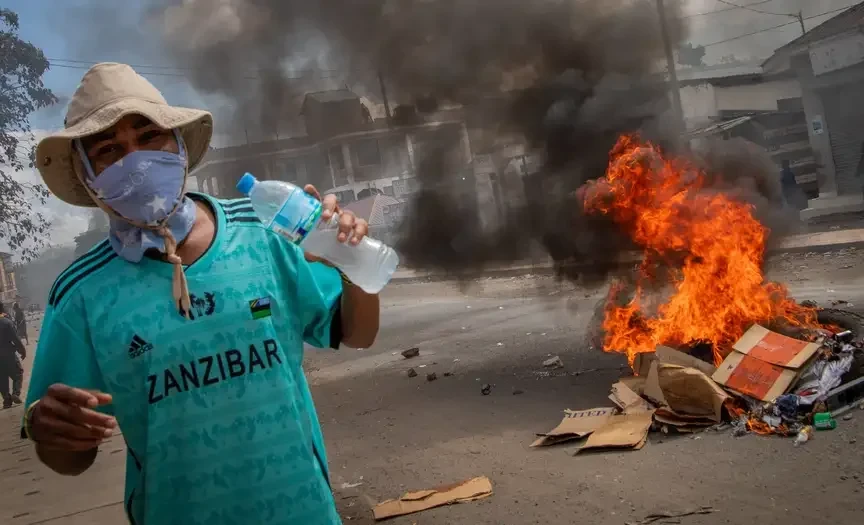
In the summer of 2024, mass student protests erupted in Bangladesh, leading to the ousting of the ruling Awami League party and the departure of its leader Sheikh Hasina from the country. In November 2025, a court sentenced Sheikh Hasina in absentia to death for crimes against humanity related to the suppression of protests in 2024.