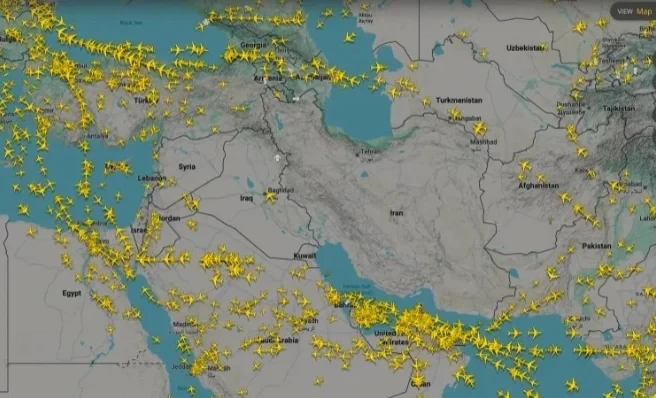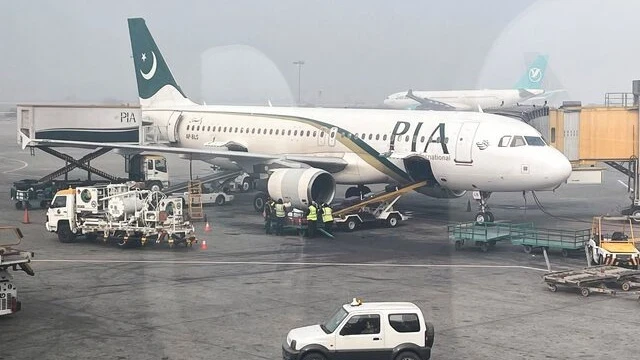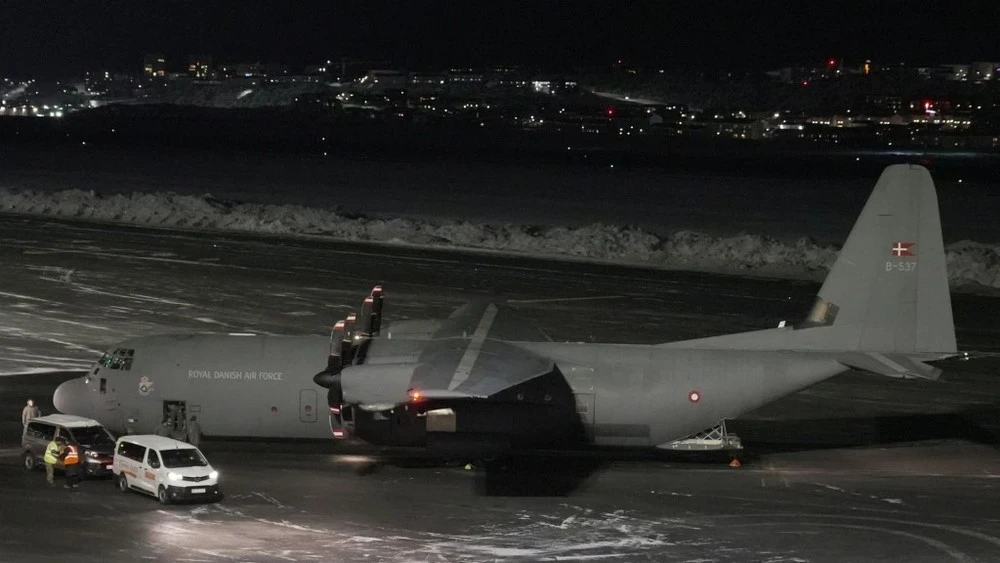
As part of this operation, all airlines operating flights to the specified regions will be involved, including Uzbekistan Airways, Centrum Air, Qanot Sharq, and Fly Khiva. The transportation will be organized in such a way that planes will fly to the Middle East without passengers to bring as many citizens of Uzbekistan back home as possible.
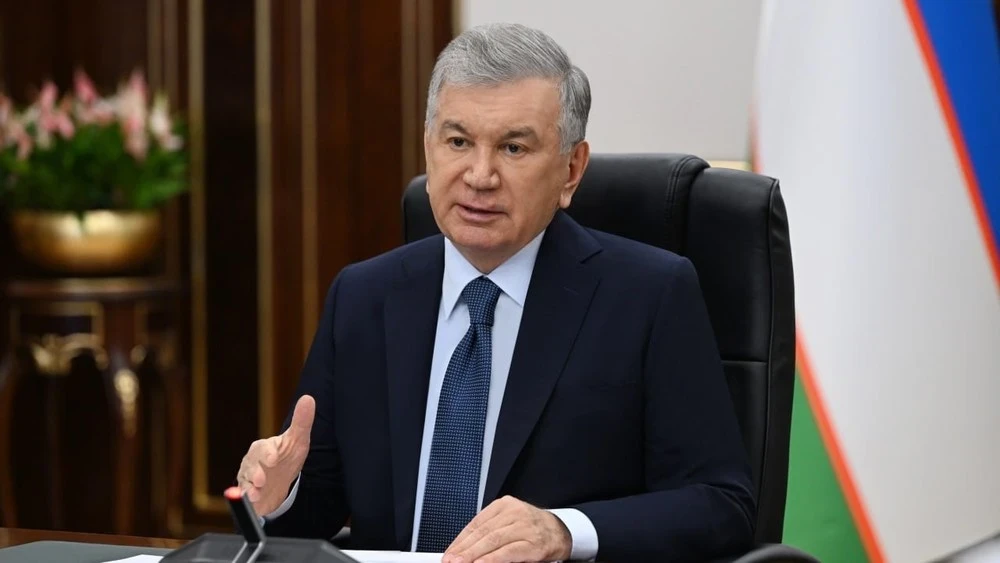
Additionally, the Prime Minister has instructed the Ministry of Foreign Affairs to conduct the necessary negotiations with representatives of the countries to coordinate the details of the evacuation flights and ensure the safety of citizens.
According to Uzbek authorities, more than 1,000 citizens of the country are in Saudi Arabia for Umrah (minor pilgrimage). Due to the suspension of air traffic, many Uzbeks have also found themselves in a difficult situation in the UAE.
It is worth noting that on March 2, it became known about the suspension of Umrah trips organized by the Muslim Administration of Uzbekistan and travel operators due to the escalation of the situation in the Middle East. Information about the resumption of flights will be provided later.
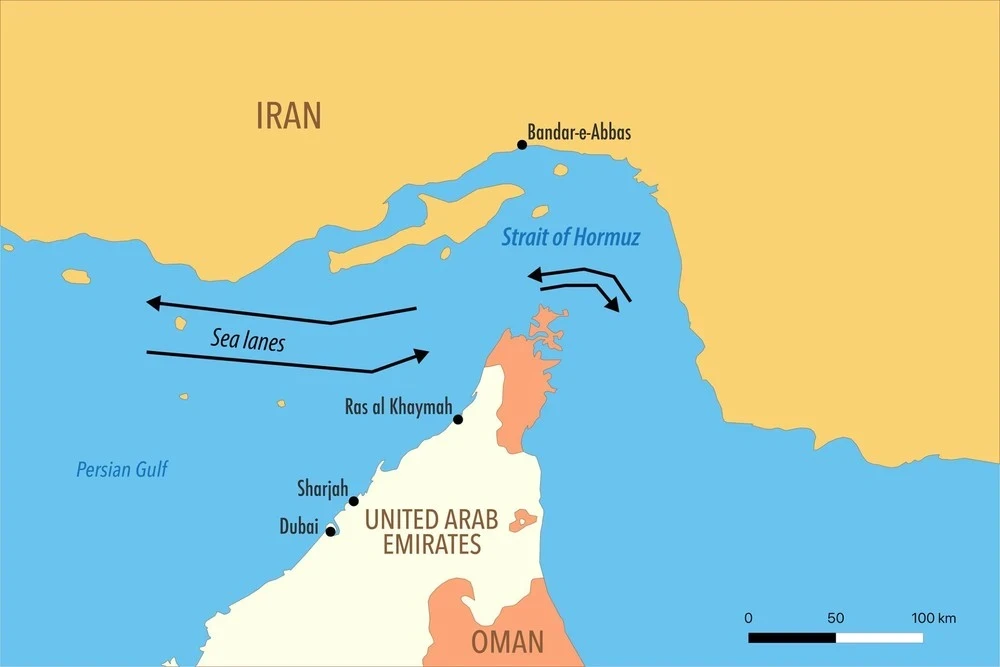
Aripov also instructed the Ministry of Transport to explore alternative routes for export-import operations. This is due to the fact that Uzbekistan actively used routes through Iranian seaports, which accounted for up to 60% of all cargo from Turkey and Europe.
Last year, considering the unstable situation in the Middle East, government agencies already examined other options for transporting goods. In particular, corridors through Turkmenistan — Azerbaijan — Georgia — Europe, Uzbekistan — Kyrgyzstan — China, and Uzbekistan — Afghanistan — Pakistan were proposed.
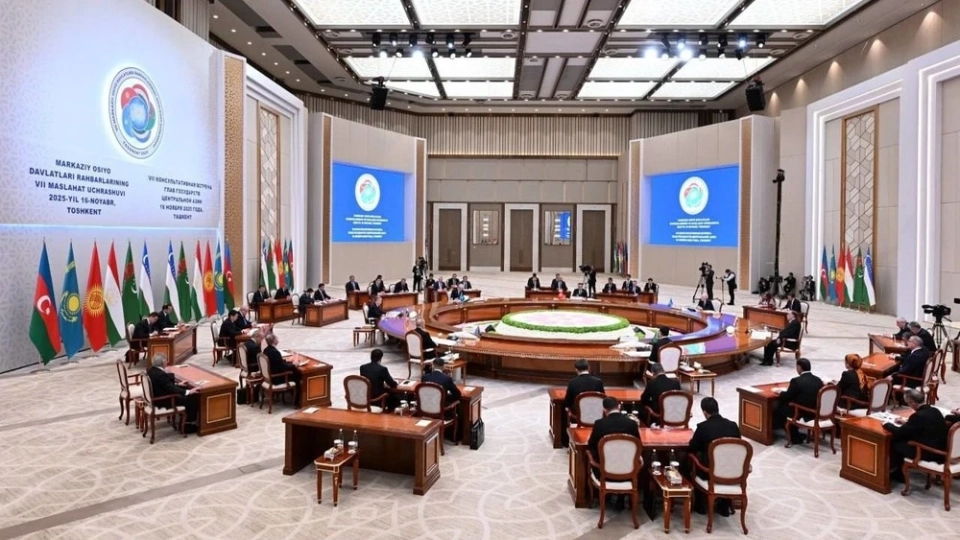
Amid the escalating conflict, Central Asian countries such as Kazakhstan, Kyrgyzstan, Tajikistan, and Uzbekistan (Turkmenistan's position is still unknown) made joint statements. All of them expressed concern about the escalation of tensions and called on the parties to the conflict to cease fire and resolve the situation peacefully in accordance with international law.
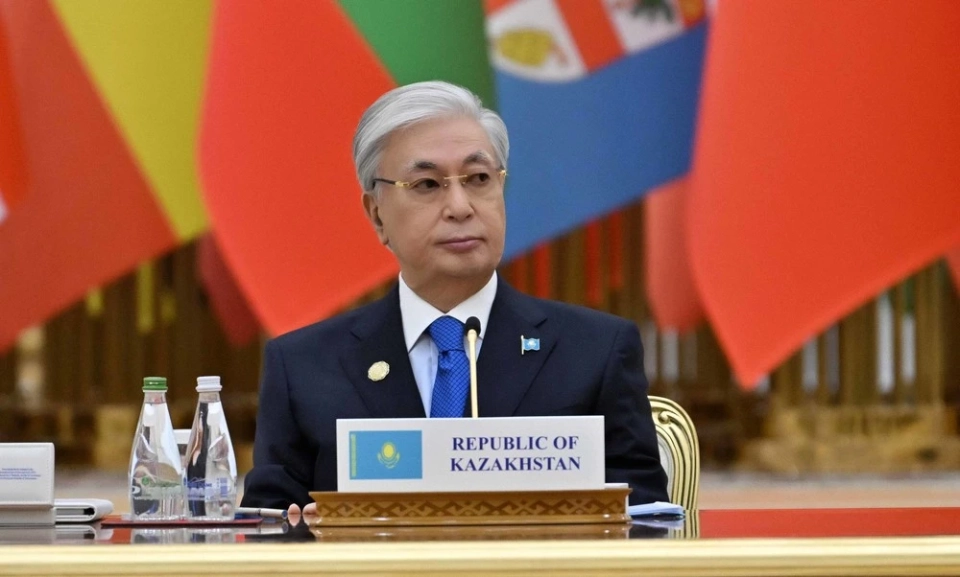
Kazakhstan, for its part, took more active steps when President Kassym-Jomart Tokayev instructed government agencies to develop an emergency action plan to prevent the destabilization of the situation in the country. In this regard, law enforcement agencies have been put on round-the-clock duty.
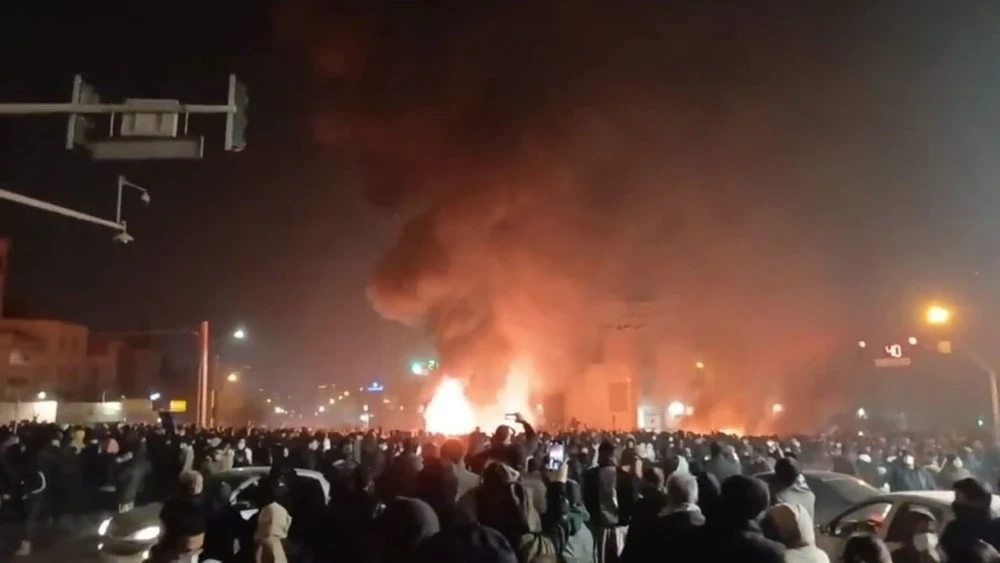
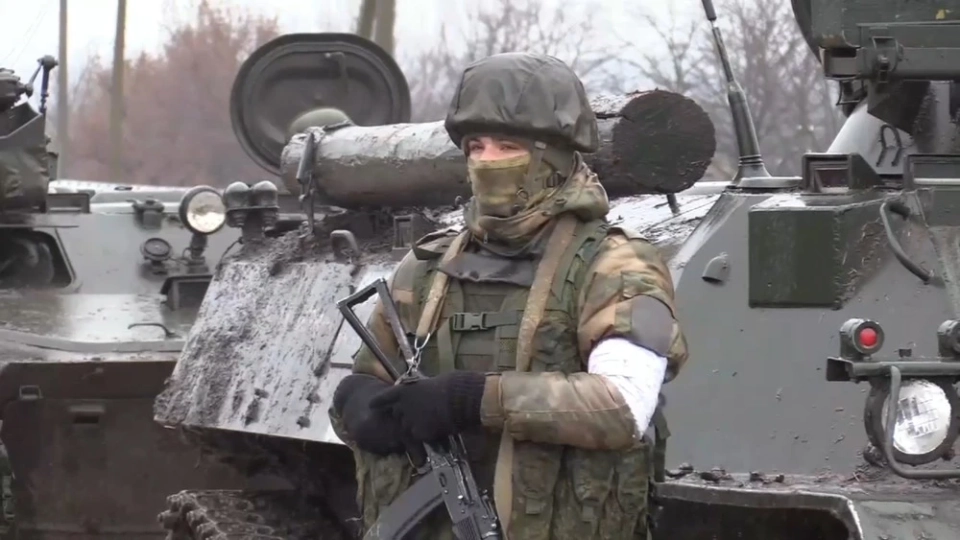
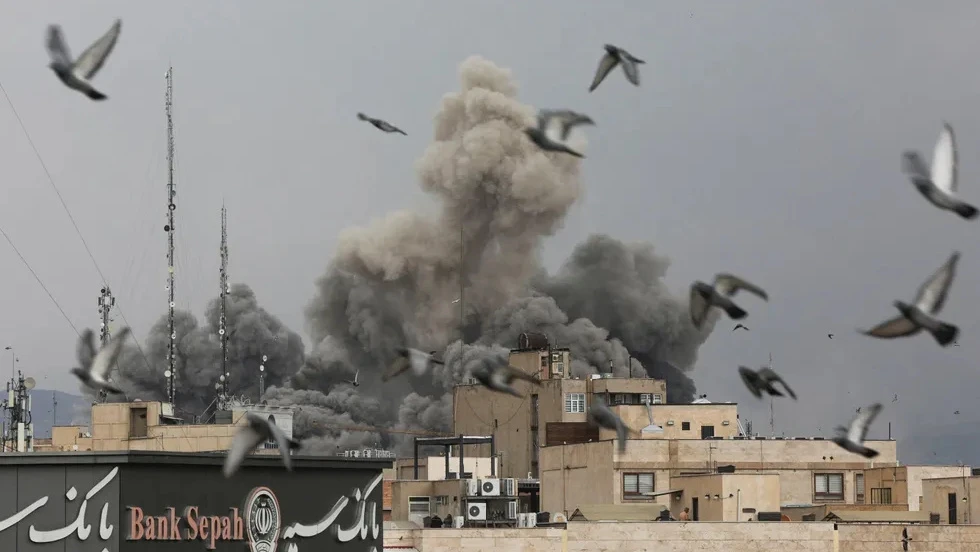
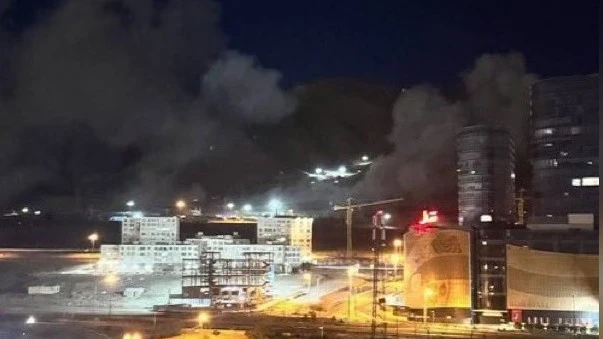
The escalation of the conflict began on February 28, when Israel and the United States launched a joint military operation against Iran, which became the largest in recent years. Israel announced a "preemptive strike," and the United States confirmed its participation, stating that the operation's goal is to neutralize threats related to Iran's nuclear and missile programs. In response, Iran attacked the territories of Israel and other countries in the region where American military bases are located.