How to Increase Your Chances of Survival in a Fire
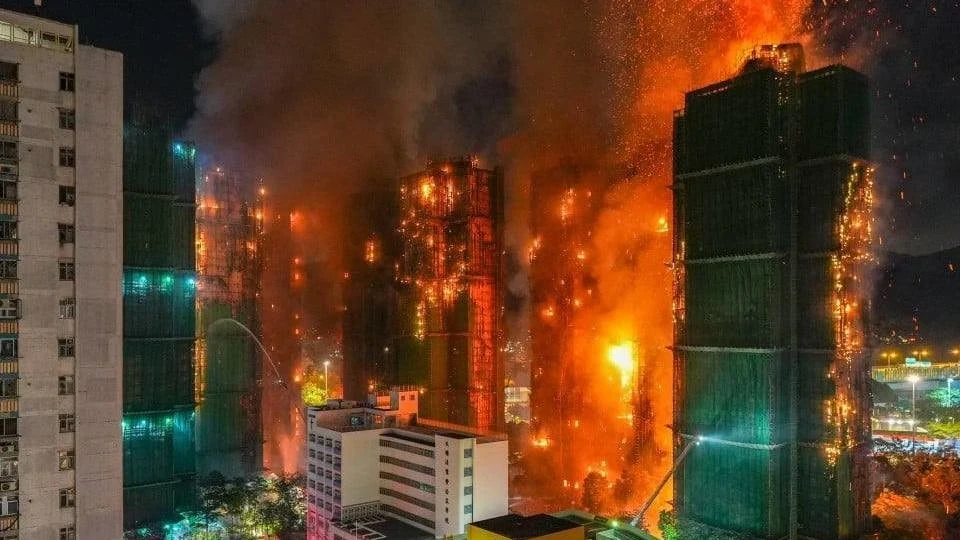
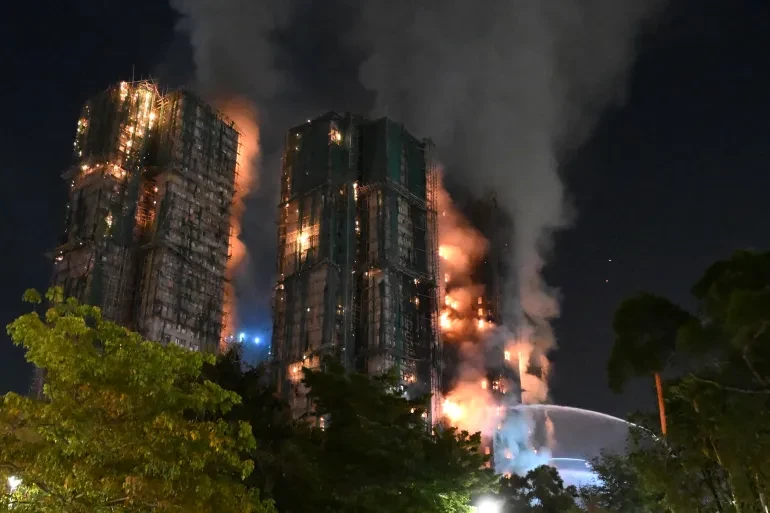
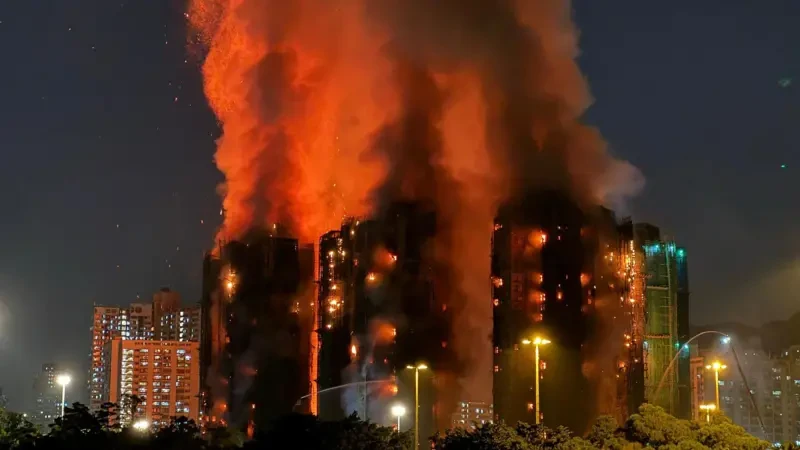
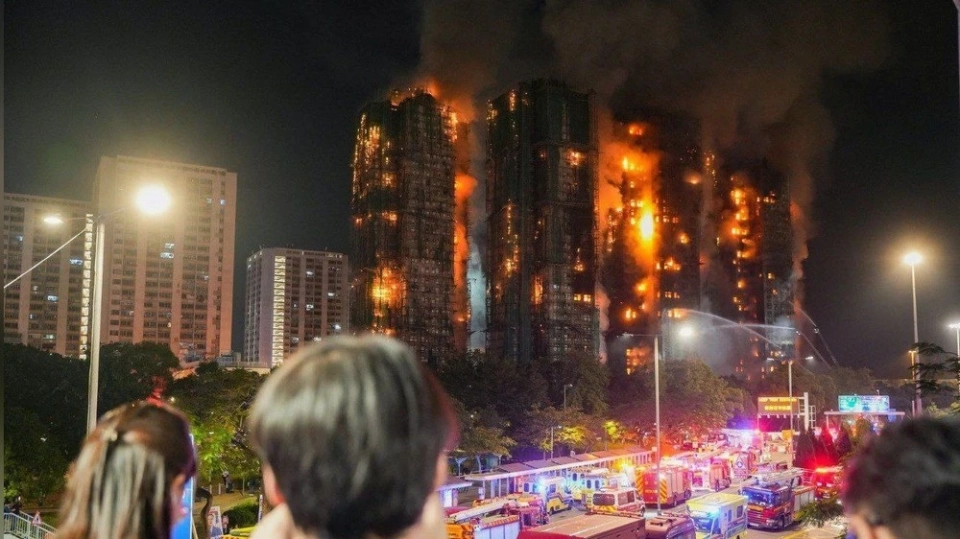
According to Ben Levi, head of the high-rise building fire safety group at the British National Fire Chiefs Council, the taller the building, the harder it is for its residents to find a safe place during a fire. He offers several key steps that can help improve survival chances.- Immediately call emergency services when you detect a fire — in Kyrgyzstan, this number is 101. "If you see a fire, first ensure your safety, then alert those around you and call emergency services. Don’t rely on someone else to report the fire. Every second counts, and the quicker firefighters learn about the blaze, the faster they can help, and the more lives can be saved," says the expert.
- Stay calm. Don’t run. Head to the nearest fire exit slowly and in an organized manner. Calm actions will help avoid panic and congestion on the evacuation route, which, in turn, will facilitate the work of rescuers, notes the specialist.
Fatigue also plays an important role, as prolonged movement can slow down evacuation. Most people leaving high-rise buildings take breaks to rest, which further delays the process.
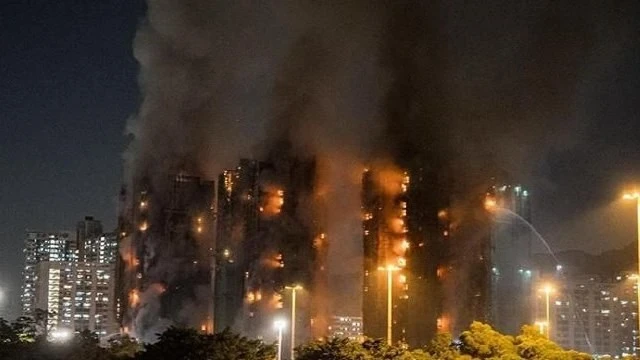
In 2010, during a fire in a high-rise building in Shanghai, nearly half of the elderly survivors noted that their speed while descending was significantly reduced.
Maintaining the Pace
Evacuation speeds can worsen due to families wanting to move together rather than in single file. This usually leads to a slowdown, as children and elderly individuals move more slowly, which slows down the entire group."Research shows that when families go together, they form closed figures, even on the stairs," explains Professor Milad Hagani from the University of Melbourne. This leads to bottlenecks and slows the overall flow of people. To speed up movement, family members can hold onto each other's clothing and the handrails, and also count out loud: "One, two, three, four..." It is also important to remember that firefighters may be coming up the stairs, adds Ben Levi.
To be prepared for evacuation, try to use the stairs instead of the elevator from time to time. "Practice descending the stairs before you need to in an emergency situation," recommends Levi.

Stairs.
Milad Hagani notes that in emergencies, people tend to "freeze" and not act. "When the fire alarm goes off, many become confused and don’t know what to do," he says. "Those who survive are the ones who react quickly, and this is related to how well they are informed about evacuation rules and participate in drills."
The Importance of Building Safety Standards
Levi also emphasizes the importance of adhering to safety standards during construction. "We assume that our buildings are safe and meet established standards," he says. "Fire safety principles, such as having fire doors and compartmentalizing spaces, must be strictly followed. This helps protect people during evacuation. Unfortunately, there are often cases where these standards are not met in the construction of high-rise buildings in various countries," he adds.