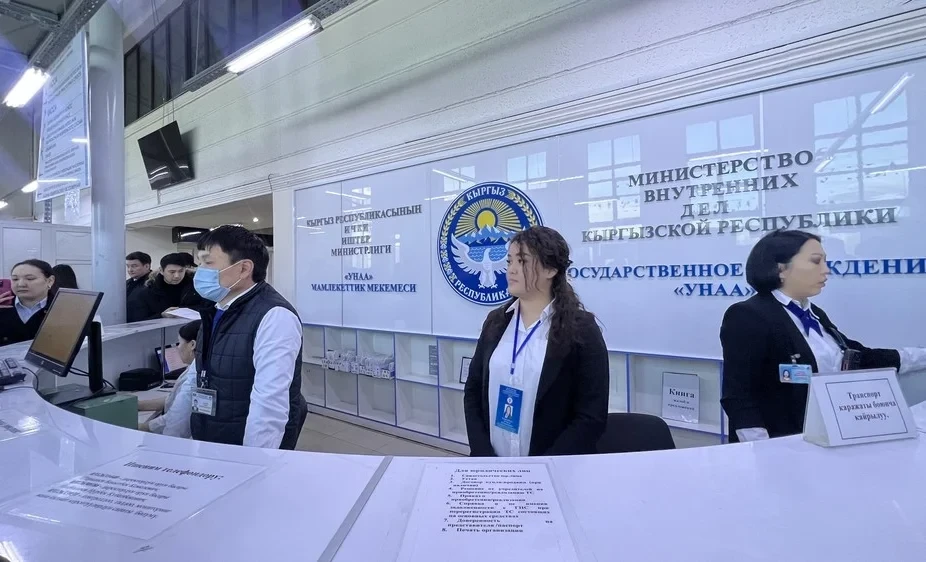
At 11:30, several people who had been waiting since early morning reported that they still had not been able to see a doctor.
“I arrived at eight in the morning. First, I had to get a referral, then pay at the cashier and undergo fluorography. This took two to three hours. Now there are still seven people in front of me, and when I get in — only God knows. I hope I make it before lunch,” shared one of the visitors.
Other people expressed dissatisfaction with the lack of organization in the process.
“I’ve been waiting for forty minutes. The organization is at zero, yet they say there are no queues,” said one of the city residents.
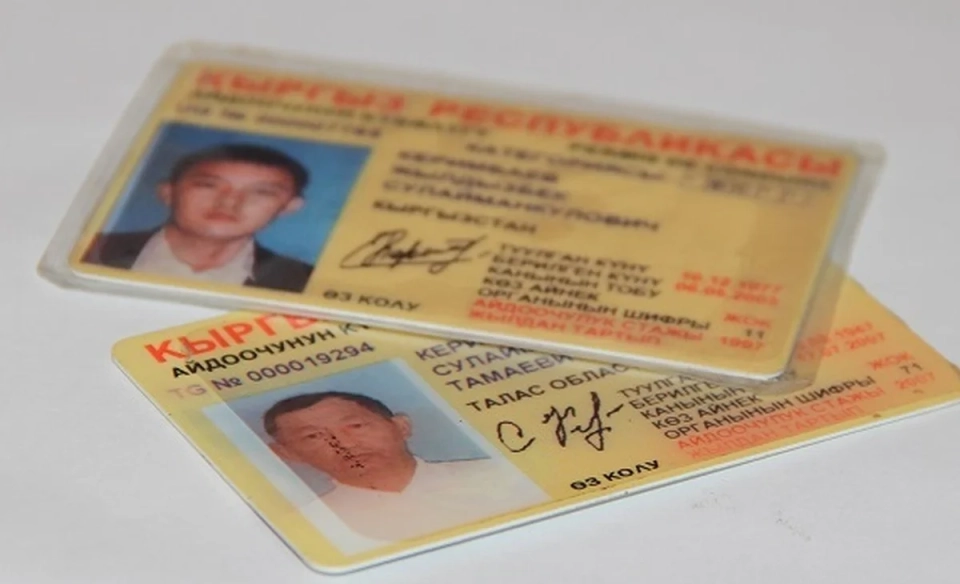
Another man noted that he had already spent a whole hour in line, with 10-11 people left in front of him. A girl waiting for her turn said that she was not replacing her license but getting one for the first time.
“I am a student and getting my license for the first time. I didn’t expect there to be such a queue. Should I skip classes to wait for my turn? Missing classes at the university is unacceptable. I’m in complete shock and hope my turn comes today,” she said.
Another driver noted that there is a separate queue for each doctor.
“This is already the second queue I’m in today. In the first one, I got the necessary permit at 09:15 and stood there for an hour and a half. Here, it seems I’ll have to wait another two hours,” he added.
Reasons for the Rush: Started Back in October
According to the director of CSM No. 7, Aiza Soltogulova, the rush for the form 083 certificate did not start yesterday or even in December. The first queues appeared back in late October - early November, when taxi drivers began obtaining licenses, and it became known that training in driving schools would take 14 months.“Usually, those who come for the certificate are either getting their license for the first time or have lost it. However, during that period, there was a real influx; not only young people came, but also elderly individuals and foreigners who are likely working in the taxi sector. We were receiving more than 80 people a day, coming solely for this certificate,” the doctor said.
Workload on Medical Staff
Soltogulova noted that the workload on medical workers remains high. After the New Year holidays, doctors sign between 30 to 50 certificates daily, while also attending to patients undergoing examinations.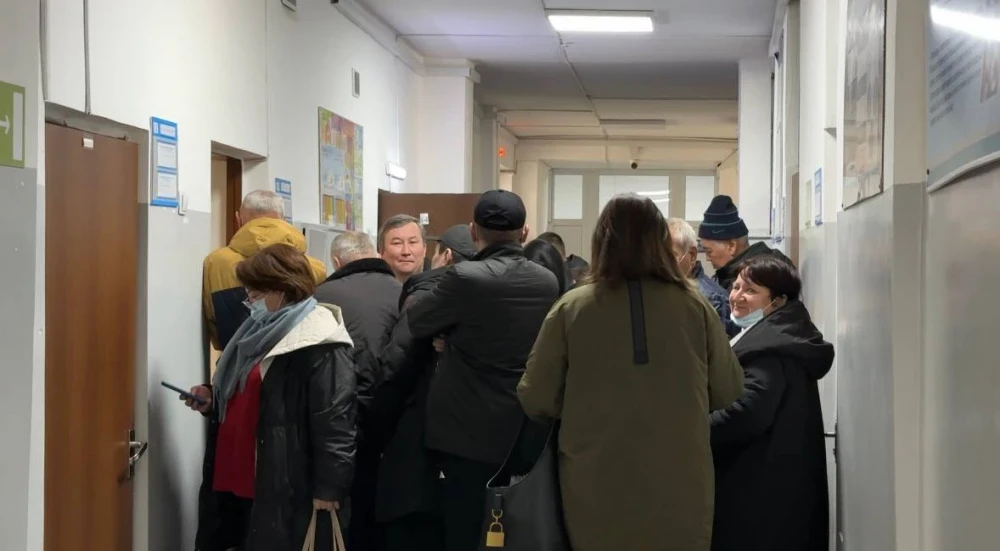
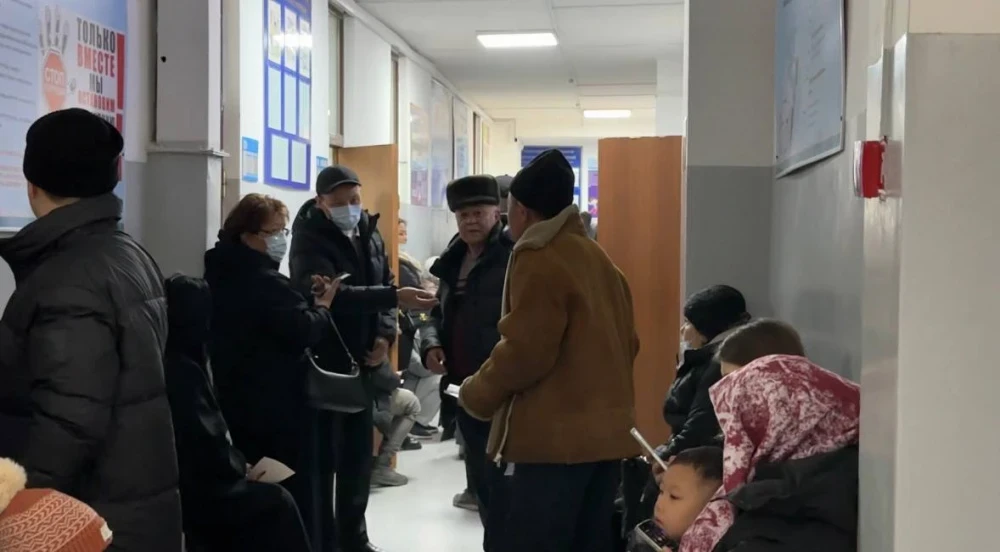
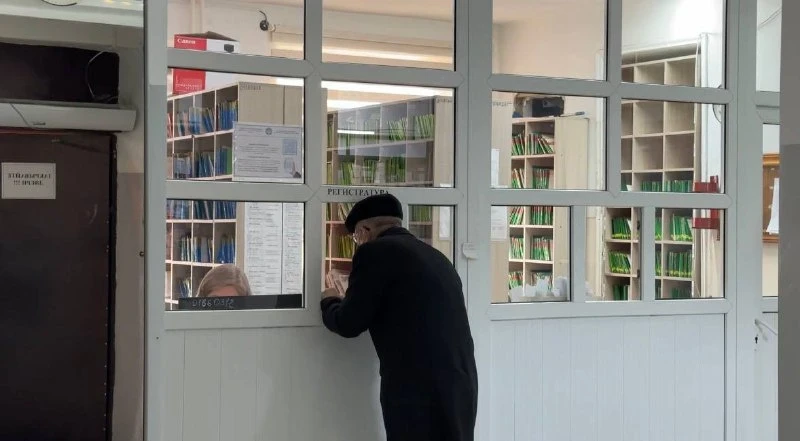
Medical professionals emphasize that under normal conditions, one specialist should see no more than 12 patients per shift, which amounts to 20 minutes per patient. However, currently, due to the large influx, doctors are forced to work with 30-40 patients a day.
“Because of this, we have very little time left to work with chronic and dispensary patients. Specialists are almost entirely occupied with preventive examinations,” noted the CSM staff.
Overload on Diagnostic Services
The additional burden also falls on the fluorography apparatus. Doctors report that while the norm is 20-25 patients a day, the apparatus is servicing about 100 patients, including drivers, schoolchildren, and enterprise workers. This also negatively affects the health of the doctors themselves working with the apparatus.It should be noted that queues are observed in almost all family medicine centers in Bishkek. In one of them, medical staff complain about the high patient flow and the significant workload, which is not compensated additionally. According to them, due to the influx of people, it is becoming increasingly difficult to perform their work.
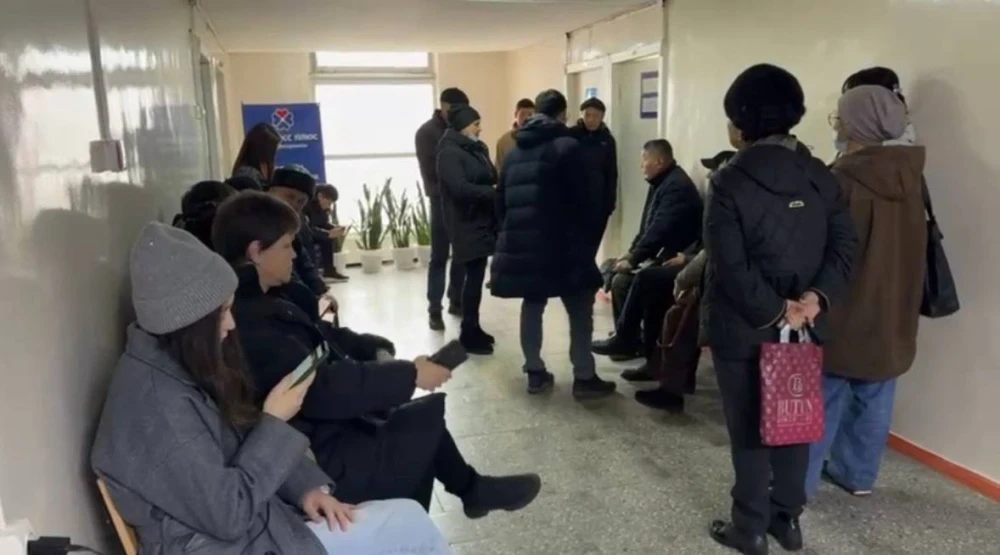
Queues at CSM.