What alternative routes will be available?
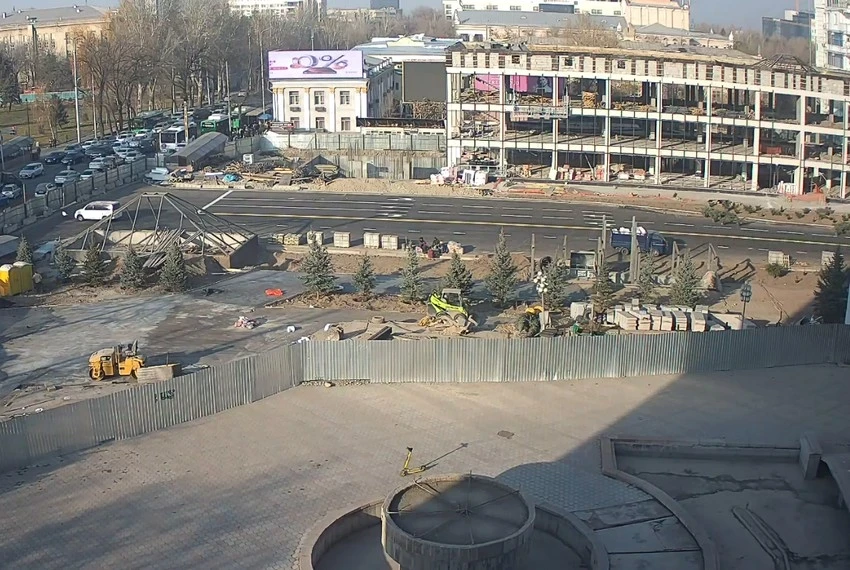
Currently, work is underway on Bakayev Street, which will become a key alternative for motorists. The road will be laid under the railway tracks from Leo Tolstoy Street to Bokonbaev Street. In the next phase, it is planned to extend to Moscow Street with an exit to Beishenaliev Street.The opening of traffic on Bakayev Street is expected in about a month, and it is predicted that this street will immediately become one of the busiest in Bishkek. As a second detour option, Asanaliev Street (formerly Nekrasov Street) is proposed. In the future, the city administration intends to make these streets one-way: traffic on Bakayev Street will be directed south, while on Asanaliev Street it will be directed north.
In addition, work continues on implementing dedicated lanes for public transport. They will be organized on Abdrahmanov Street, Tokombaev Street (the main road), and on Jibek Jolu Avenue.
Beishenbaev noted: "During morning and evening rush hours, there is no difference whether you are driving a car or on a bus. The need to create dedicated lanes for public transport is obvious."
How long will the repair of Bishkek's road network last?
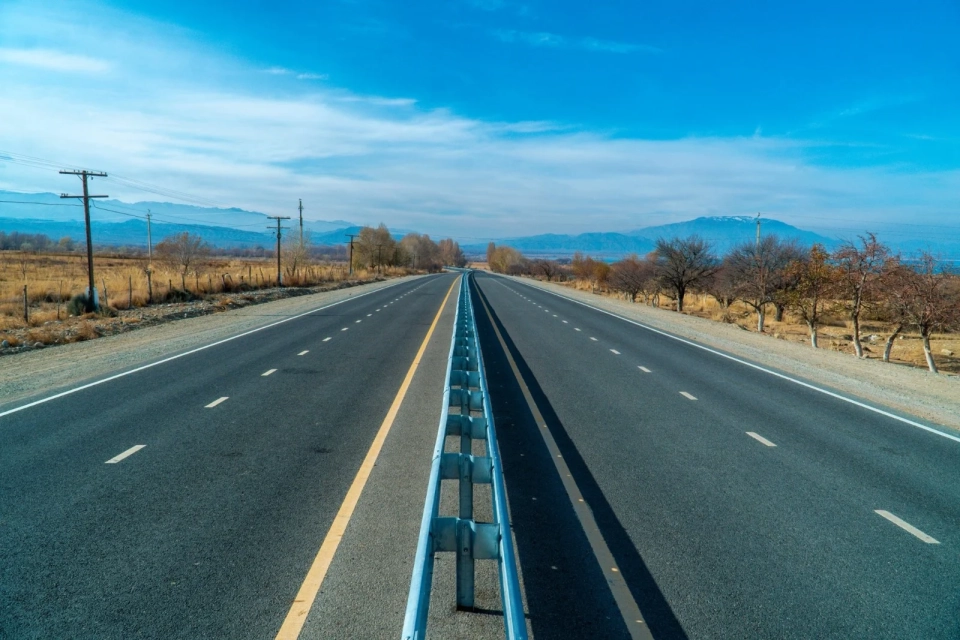
Unfortunately, the statistics on the condition of Bishkek's road network are concerning: out of 2,822.2 km of urban roads, 1,834 km need repairs, which is 65% of the total.According to calculations by the city administration, if the pace of repairs observed in recent years (2018–2023), when 27–30 km were reconstructed per year, is maintained, the complete restoration of all roads will take about 80 years. This means that roads will wear out faster than they can be restored. However, transitioning to new rates exceeding 90 km in 2025 will reduce this period to 15 years. Nevertheless, such activity in the works suggests that for the next decade, Bishkek will be in a state of constant construction and street closures.