Emergency situation in Novosibirsk region: pasteurellosis and rabies
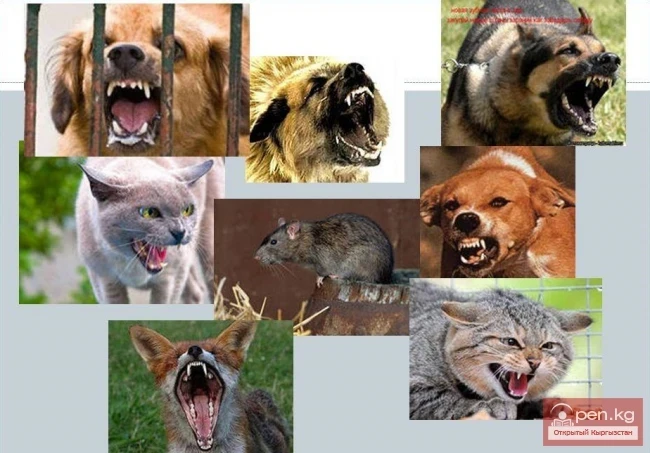
Since February 16, an emergency regime has been introduced in the Novosibirsk region due to outbreaks of pasteurellosis and rabies among agricultural animals, as reported by TASS.
According to the agency's information, cases of the disease have been recorded since the end of 2025 in Siberia and Transbaikalia. Quarantine has been imposed in five districts of the Novosibirsk region, and cases of both diseases have been registered in the Ordynsky district.
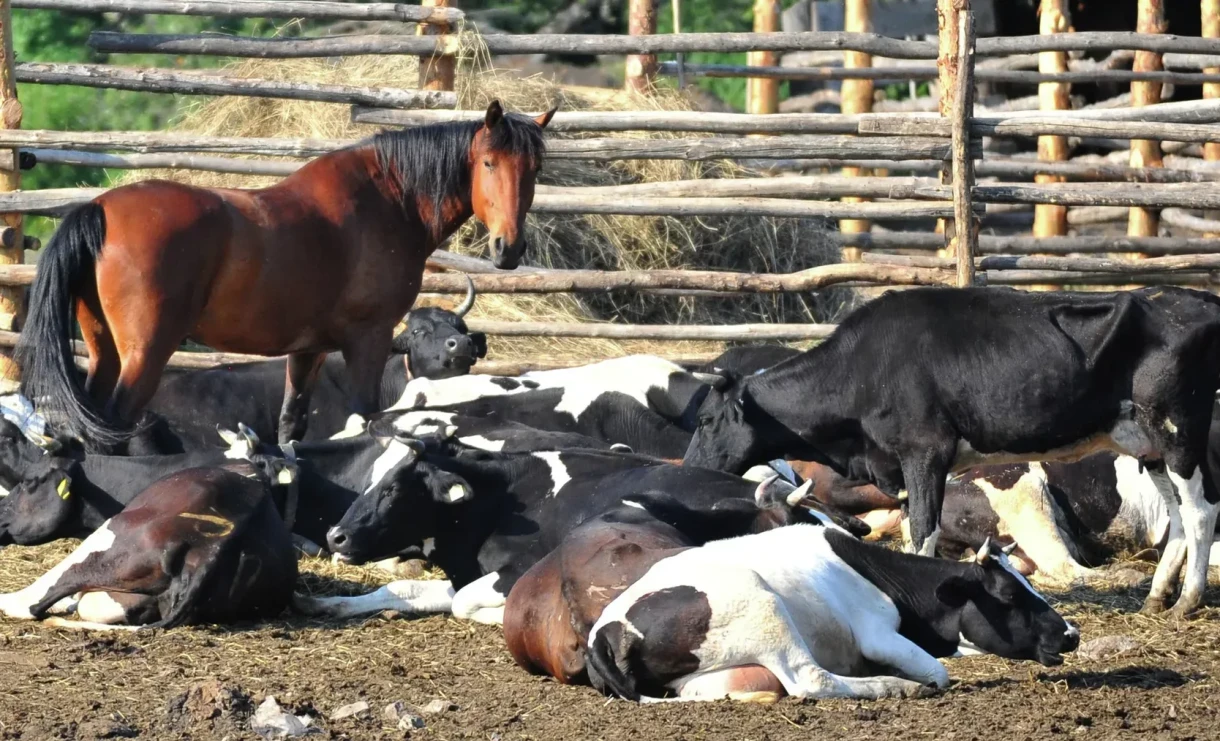
In early March, the latest infection hotspots were identified, with thousands of animals falling within the quarantine zone. The region has a population of about 90,000 dairy cattle.
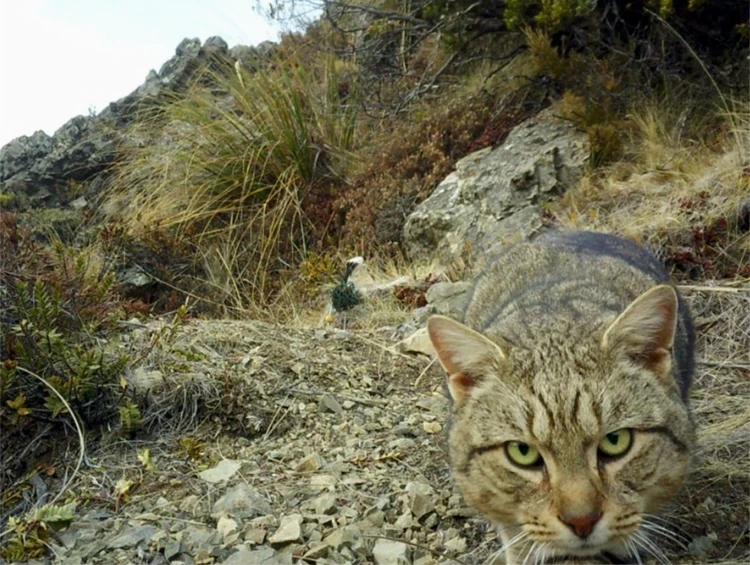
Experts link the increase in the number of cases to an abnormally cold winter, which led to stress and weakened the animals' immune systems. Additionally, wild animals may approach farms in search of food, which also increases the risk of infection.
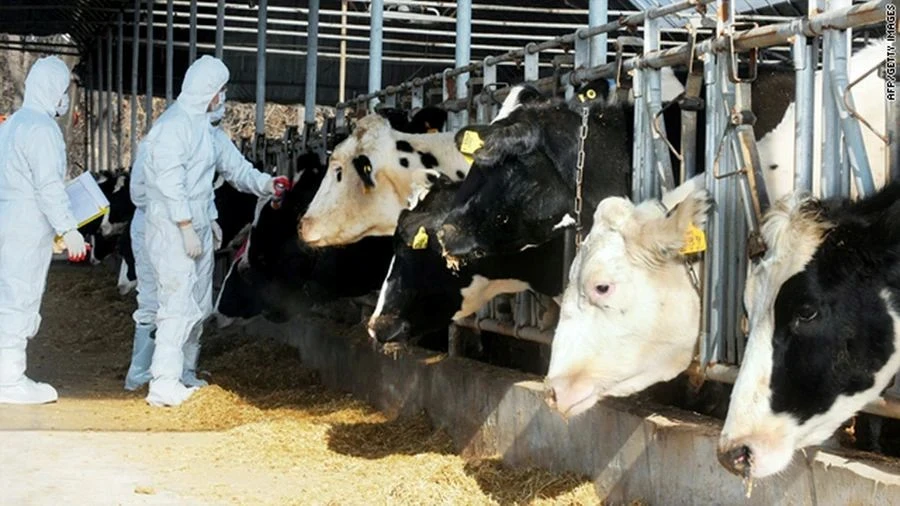
When sick animals are confiscated, owners receive all necessary documents. Veterinary services monitor the condition of the animals, conduct quarantine measures, and remind about the importance of safety measures when interacting with sick individuals.
Information from 24.kg
Pasteurellosis is an acute infectious disease that affects large and small cattle, pigs, rabbits, birds, and wild mammals.
- Symptoms in animals: fever, intoxication, inflammation of the skin and joints, damage to internal organs.
- Risk to humans: rare, but possible with close contact with infected animals or their biological material, as well as when consuming raw or poorly processed meat.
- Consequences of infection: gastrointestinal inflammation, bronchitis, pneumonia, and secondary infections through wounds (up to sepsis).
- Safe products: meat and dairy products that have undergone industrial pasteurization or thorough heat treatment are safe for consumption.
Temporary restrictions on animal products in Kazakhstan
According to TASS and information from the Ministry of Agriculture of Kazakhstan, temporary restrictions have been imposed on the import and transit of certain types of animal products, including livestock and feed without thermal treatment.
These restrictions began to be implemented in February and are accompanied by increased control at the borders.
According to the agency, veterinary posts are operating in enhanced mode: disinfection of vehicles is conducted, cargo is thoroughly inspected, and complete traceability of products is ensured. In case of violations, cargo is returned to eliminate the risk of introducing infection.
The situation with animals in Kyrgyzstan
Recently, cases of disease among domestic livestock in rural areas of Kyrgyzstan have been actively discussed. One of the hypotheses is related to foot-and-mouth disease. Reports indicate high temperatures in animals, refusal to eat, and even cases of death.
At a meeting of the parliamentary committee on agrarian policy, Deputy of the Jogorku Kenesh Tabyldy Muratbekov expressed concerns about the threat to the country's food security due to foot-and-mouth disease among livestock.
On March 25, Minister of Water Resources, Agriculture, and Processing Industry Erlis Akunbekov visited livestock farms in the village of Emgekchil in the Naryn region to familiarize himself with the epizootic situation.
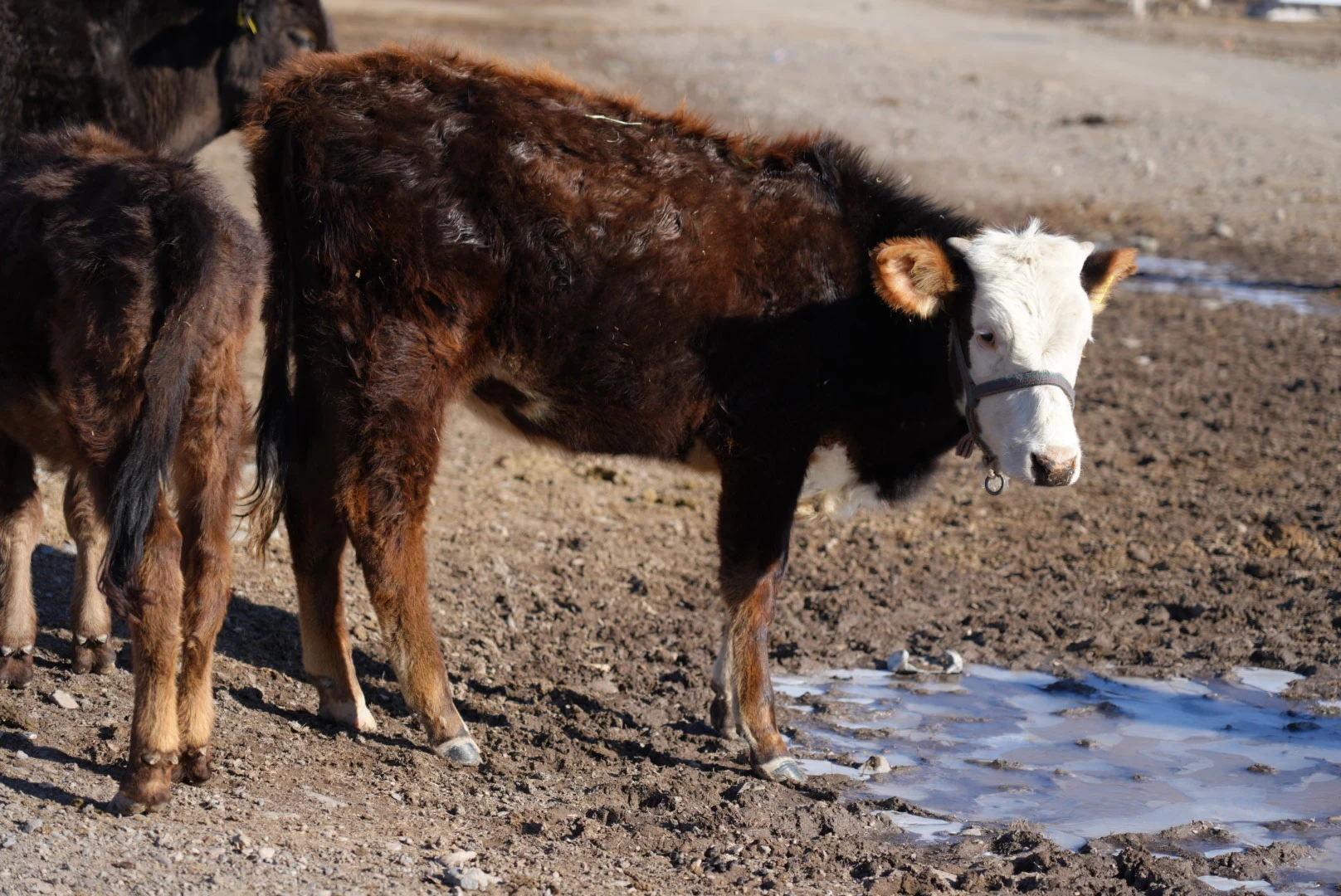
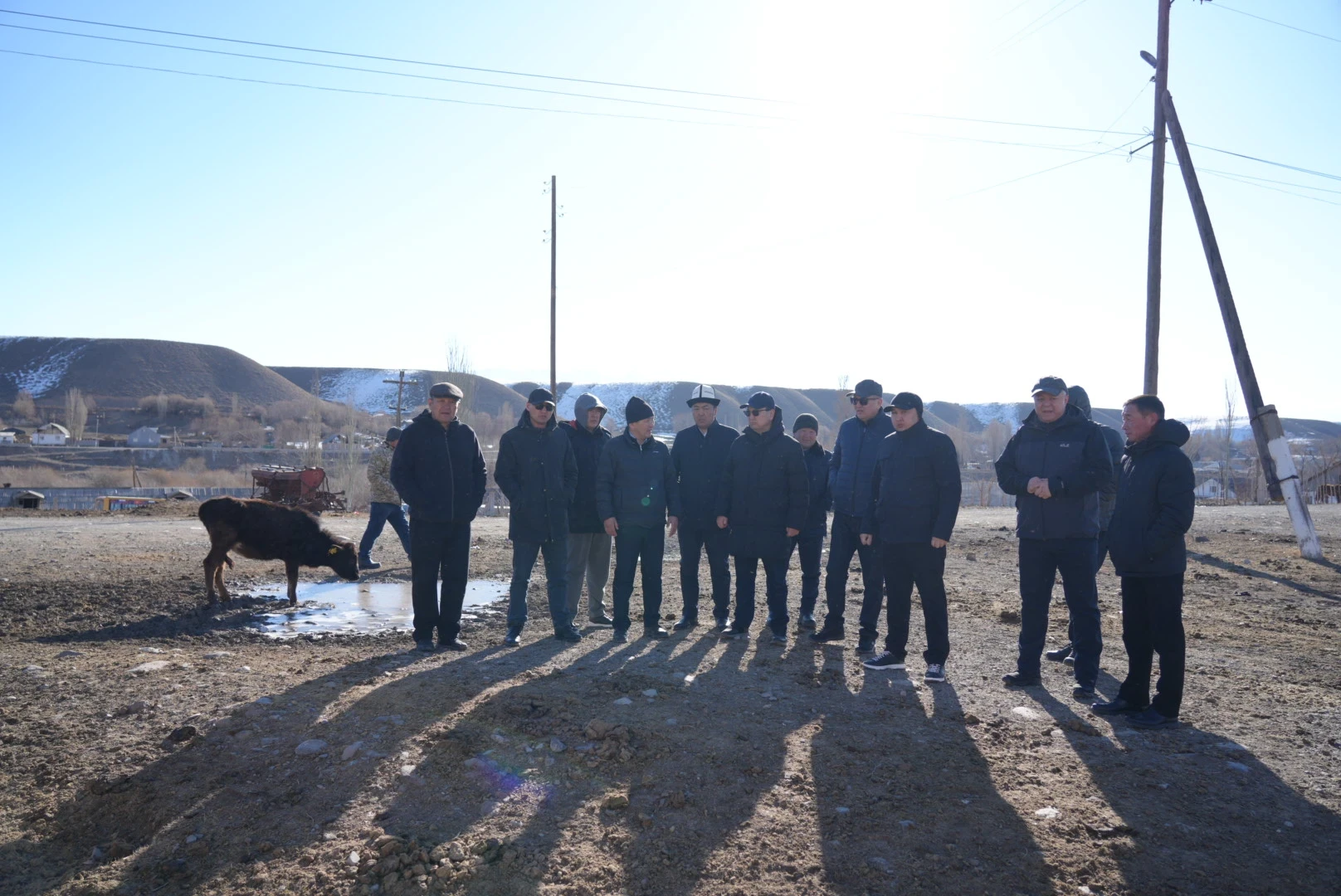
Local residents informed the minister about their problems. Erlis Akunbekov ordered the isolation of sick livestock to prevent the spread of the disease; however, specific information about the disease was not provided by the agency.
In light of the situation in neighboring countries, Kyrgyzstan has intensified veterinary and sanitary control at the borders to prevent the introduction and spread of infectious animal diseases.
According to the veterinary service, specialists continuously monitor the epizootic situation outside the country and respond promptly to changes if necessary.
Foot-and-mouth disease: what is it and how is it dangerous to humans?
Foot-and-mouth disease is a serious illness that can be transmitted from animals to humans, especially through contact with infected milk, meat, or direct interaction. The danger to humans lies in the fact that the virus can cause fever, the appearance of blisters on mucous membranes, and other symptoms of intoxication.
Symptoms of foot-and-mouth disease in humans may include: fever, chills, weakness, elevated temperature, headache, back pain, burning in the throat, and excessive salivation. In some cases, ulcers may be observed on the mucous membranes of the mouth, lips, tongue, as well as on the skin of the hands and feet.
Meat control in Kyrgyzstan
Kyrgyzstan has a system for identifying and tracking animals (SIOZH), which ensures the safety of meat entering markets and stores. This was reported by the Veterinary Service 24.kg.
Since 2017, the identification of cattle has been carried out, since 2019 — pigs, and since 2020 — horses. Cattle and pigs are tagged on the ear, while horses are implanted with chips under the skin. The numbers of tags or chips, as well as information about the owner and the location of the animal, are entered into an electronic system.
When selling livestock, the owner consults a veterinarian, who checks the health of the animal, verifies vaccinations and tests. If everything is in order, the veterinarian issues an electronic veterinary certificate form No. 1a with a QR code through SIOZH. Without this document, neither livestock can be sold at the market nor sent for slaughter.
At the slaughter stage, the veterinarian checks the animal again, verifies the tag and data in the system. If everything matches, permission for slaughter is granted. After that, the meat undergoes sanitary and veterinary examination, and the carcass is stamped with "Primary veterinary examination," and an electronic veterinary certificate form No. 2 with a QR code is issued.
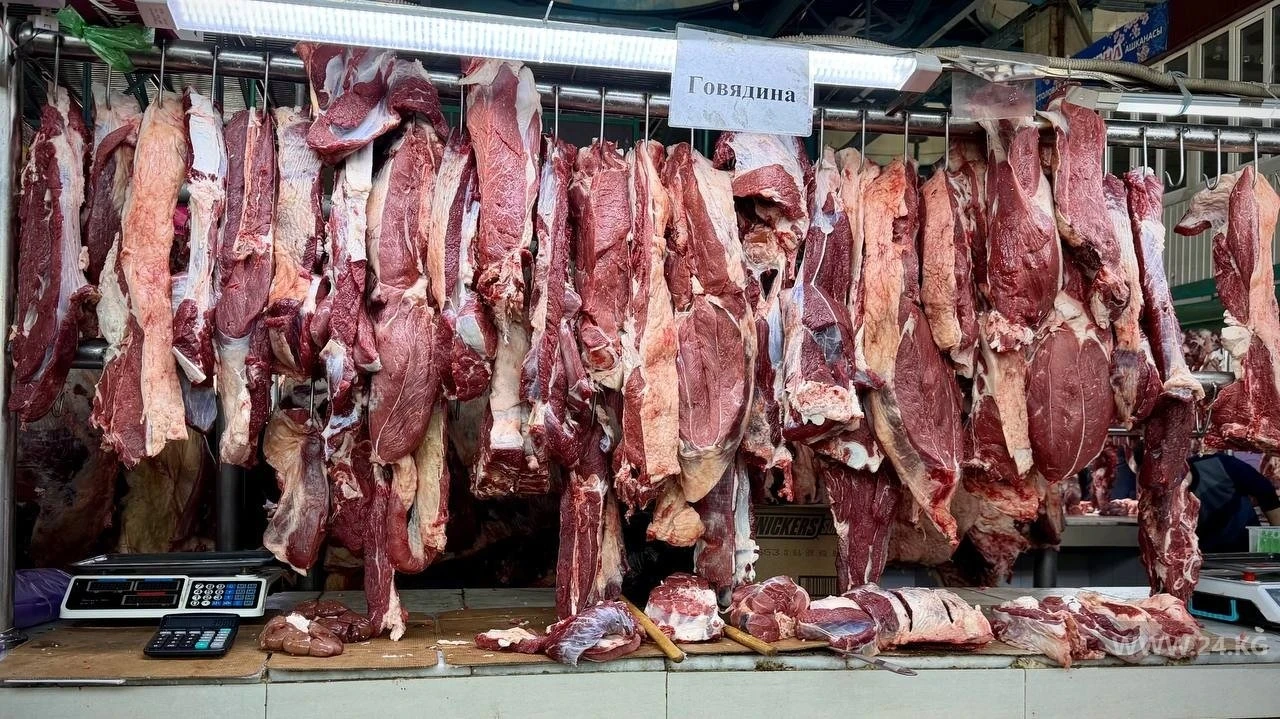
Then the meat is sent for veterinary and sanitary examination in laboratories (VSEL) located in the markets. If the product meets all requirements, it is stamped with an oval seal and a test protocol with a QR code is issued, which must be kept by the seller.
The buyer can scan the QR code to obtain information about the animal: number, species, place and date of slaughter, as well as data about the laboratory that conducted the meat inspection.
Meat that has passed all necessary veterinary checks is considered safe. However, if it is sold without the appropriate documents, for example, in rural areas, it can pose a serious health risk.
Citizens are strongly advised to pay attention to the presence of a veterinary stamp and a test protocol with a QR code when purchasing meat, which is an important measure to ensure food safety.