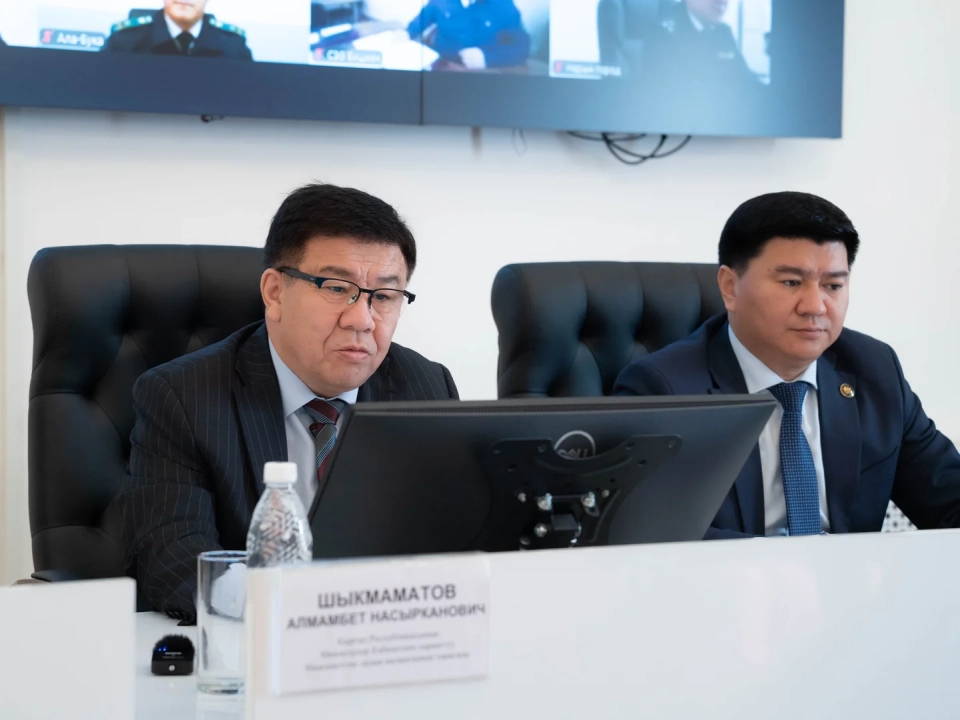
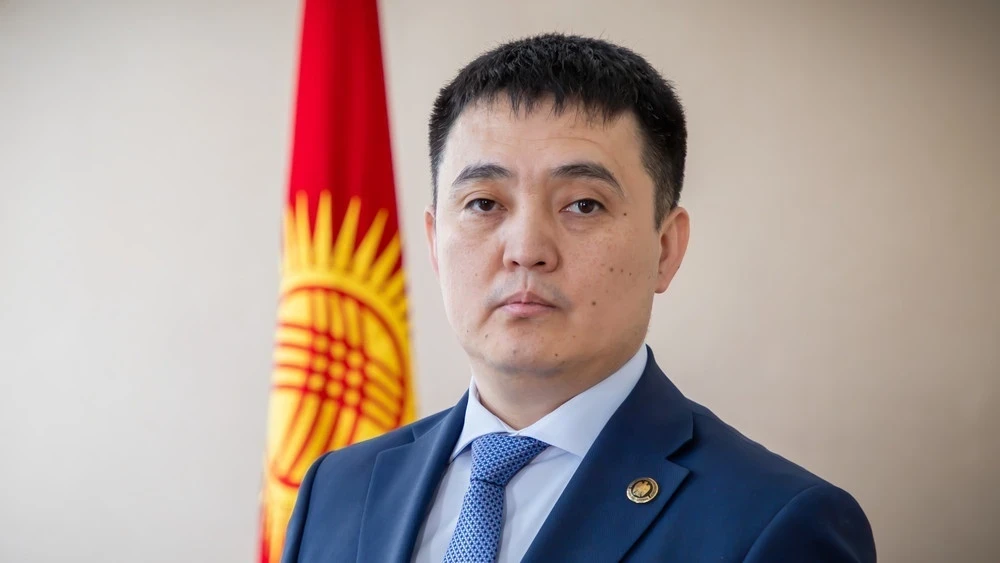
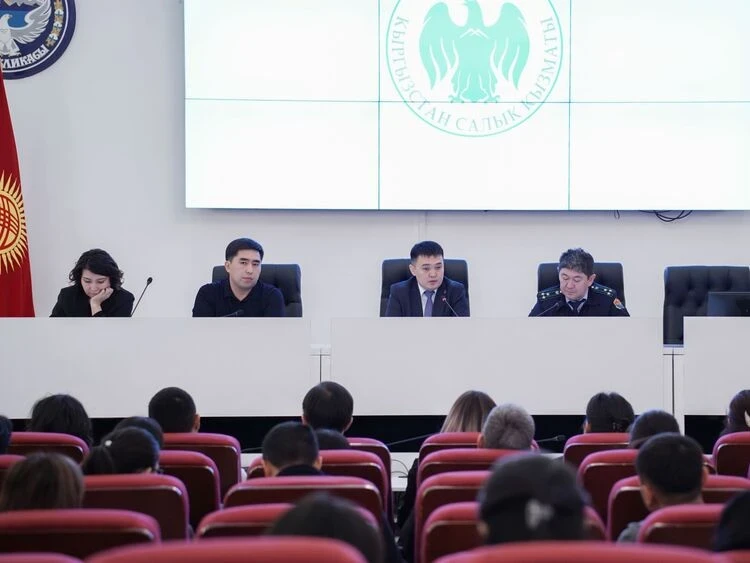
Almambet Shykmamatov noted that part of the increase in debt is related to the expansion of the tax base and the exit of the economy from the shadows.
“Nevertheless, we must acknowledge that in some areas, measures to collect debts do not yield the expected results. In 2026, we will focus on the priority collection of amounts that are actually collectible, as well as on enhancing debt analytics and increasing the personal responsibility of managers,” he added.
According to him, even seemingly technical aspects, such as the operation of information systems and the official website of the STS, play an important role in building trust. If a taxpayer encounters difficulties in finding the necessary information or cannot effectively use the system, this indicates its shortcomings. “We must restructure digital services, focusing on real-life situations rather than the internal structures of the agency,” Shykmamatov emphasized.
The head of the STS also touched on existing problems in the tax sphere.
“In 2026, we plan to implement a unified system for assessing competencies and forming a real personnel reserve, as well as to strengthen the personal responsibility of managers for the quality of their teams. The tax service should become a platform for professional growth, not just a workplace,” he noted.
Shykmamatov highlighted another serious task — the use of digital tools. “Although we have implemented many software modules, we must admit that many of them are used formally, rather than as tools for management, analysis, and decision-making. Digitalization without management discipline turns into imitation. In 2026, we will strictly link the use of analytical and digital modules with the key performance indicators (KPI) of managers, eliminating duplicative manual processes and using electronic trails as an element of management control,” he added.
The third problem lies in the insufficient analytical culture. “Analytics often boils down to statistics rather than forecasting, identifying risks, and searching for reserves. This is unacceptable for a modern tax authority. We must transition to risk-oriented and sectoral analysis, where numbers serve as the basis for management decisions,” the Prime Minister emphasized.
He also focused on the quality of taxpayer service and service ethics.
According to Shykmamatov, the number of justified complaints remains high.
“Behind formal wording often lies a lack of explanatory work and improper communication, which undermines trust in tax authorities more than any fiscal measures. In 2026, we intend to improve the service model by implementing unified service standards and making feedback from taxpayers an important element in evaluating the performance of employees and managers,” he said.
Moreover, there are questions regarding the training system. “Formal classes that do not yield practical results do not meet modern requirements. We are transitioning to practice-oriented training with mandatory knowledge assessment and control over their application in real work,” the head of the STS concluded.