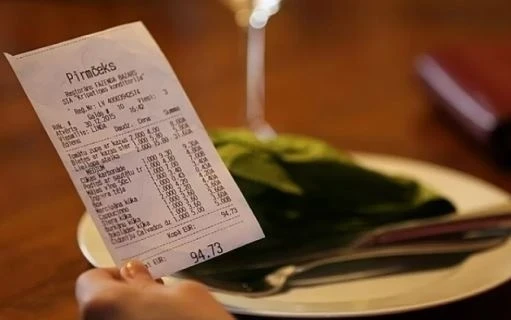
As experts have found, often instead of an official fiscal receipt, customers are offered so-called "pre-checks," which contain a list of ordered dishes and are generated in the establishment's accounting program, or a screenshot with order information is provided.
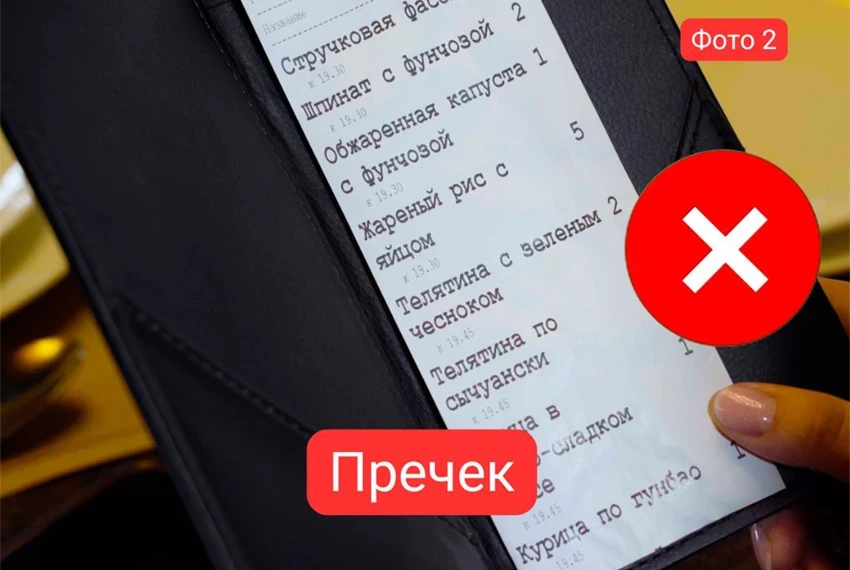
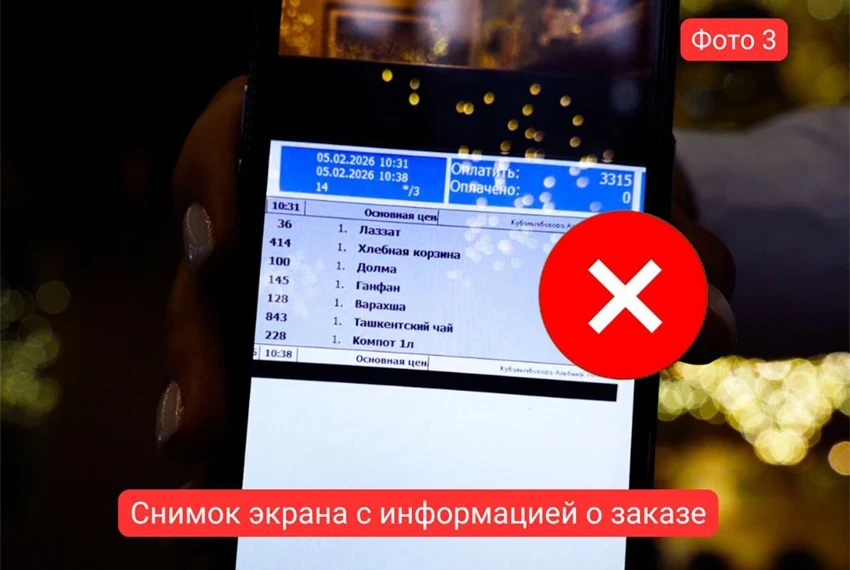
Such alternative documents are not considered fiscal, do not confirm the fact of payment, and are not recorded in the tax system. The GNS emphasized that such actions by unscrupulous taxpayers may be aimed at concealing actual profits and evading tax obligations.
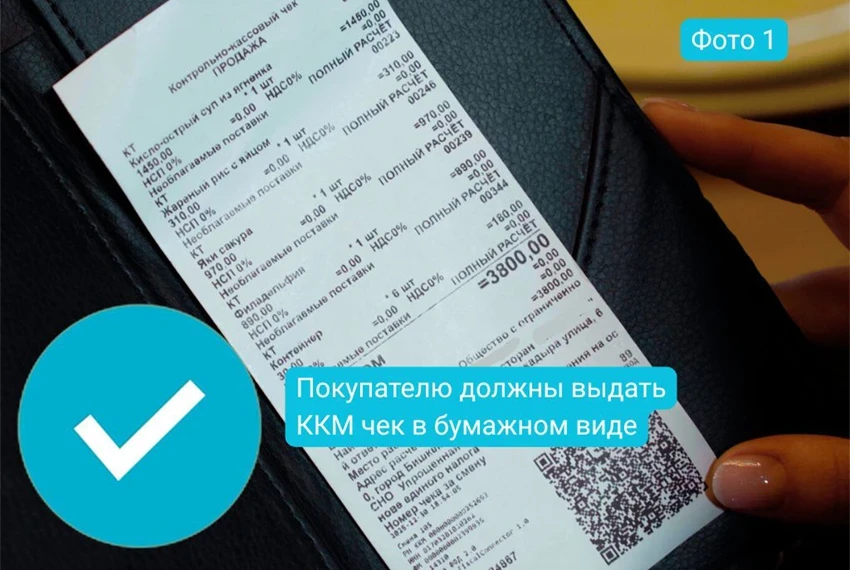
The tax service clarified that when settling the bill, the waiter or cashier should announce the total amount of the order, clarify the payment method, and provide the customer with a fiscal receipt in paper form.
The fiscal receipt is the only document that confirms the registration of payment in the tax system and the receipt of taxes into the budget, as well as protects consumer rights.
The tax service strongly recommends that citizens demand fiscal receipts when making payments in cafes and restaurants.