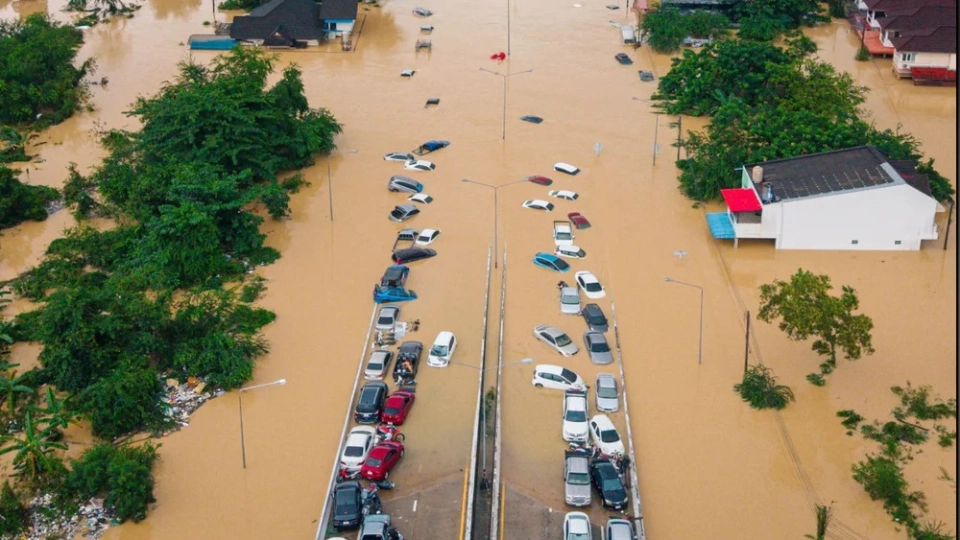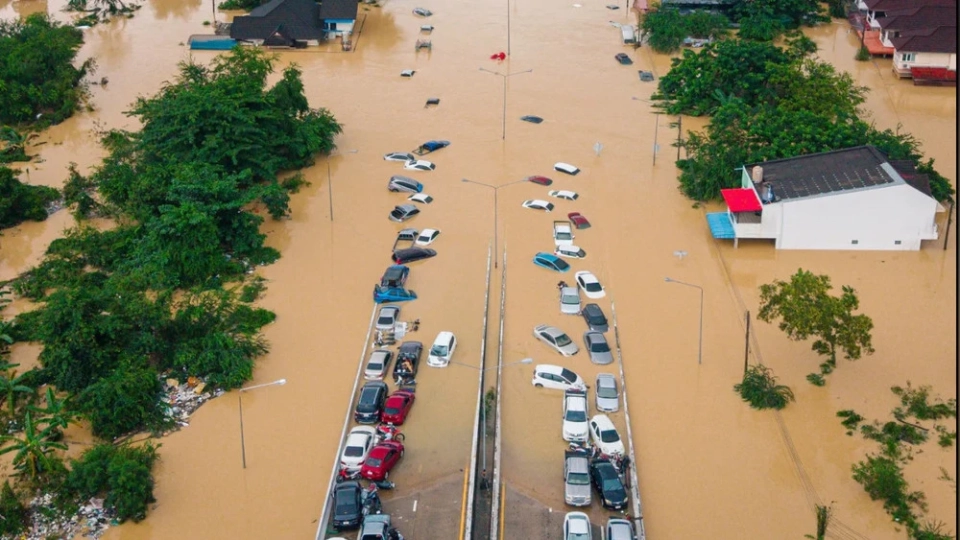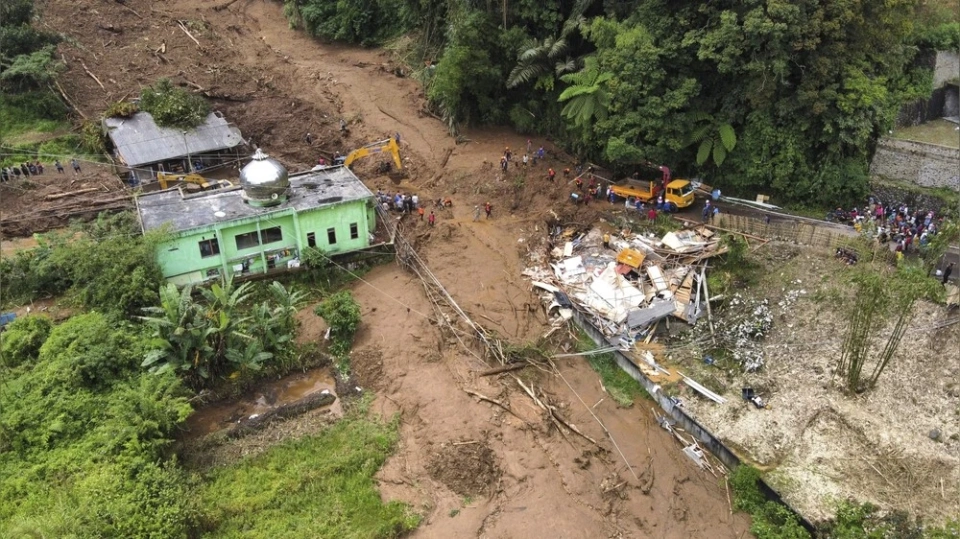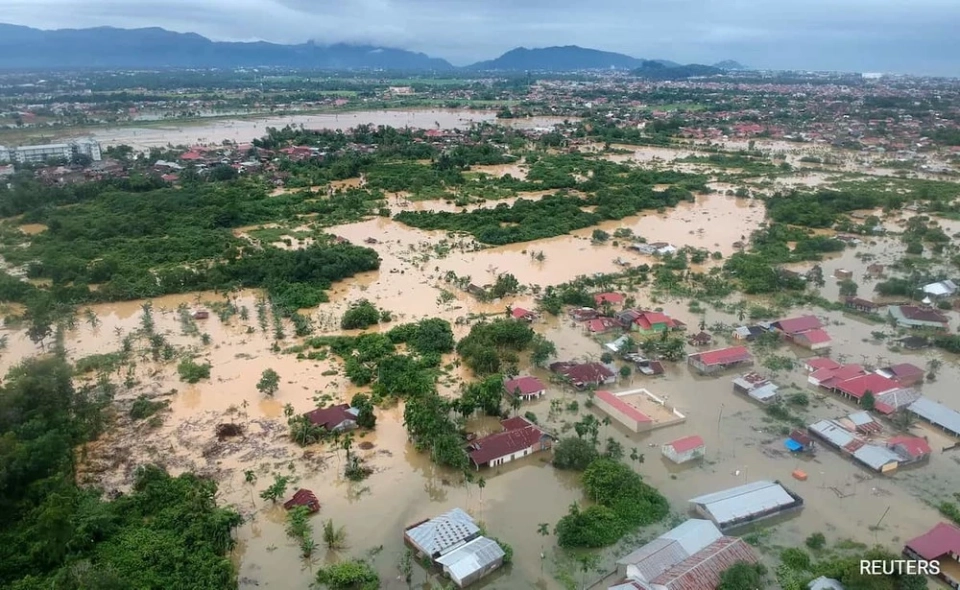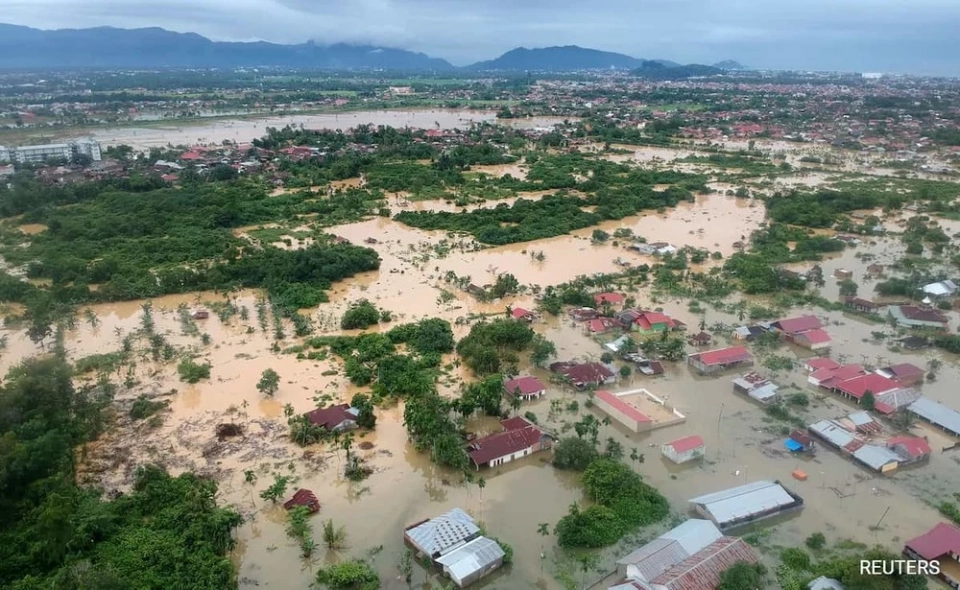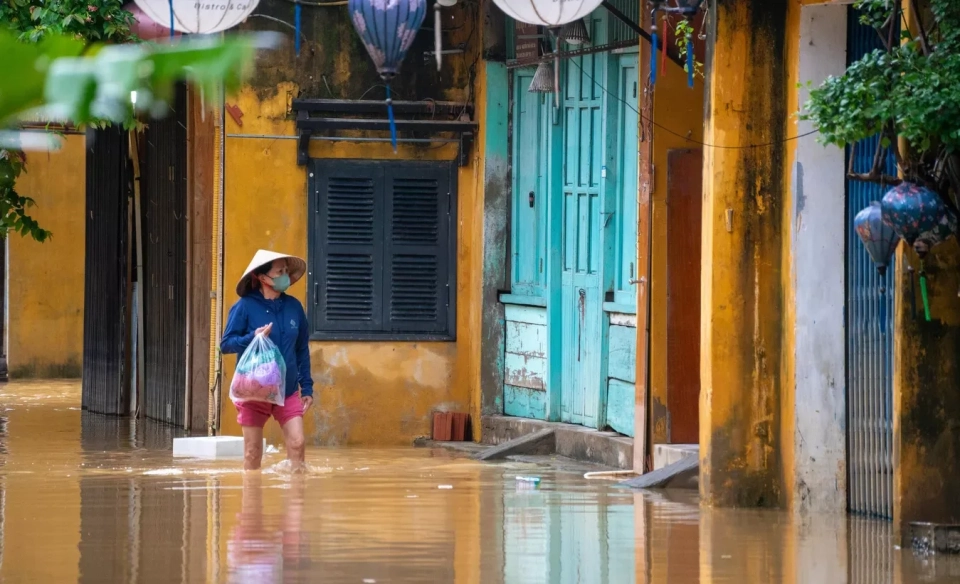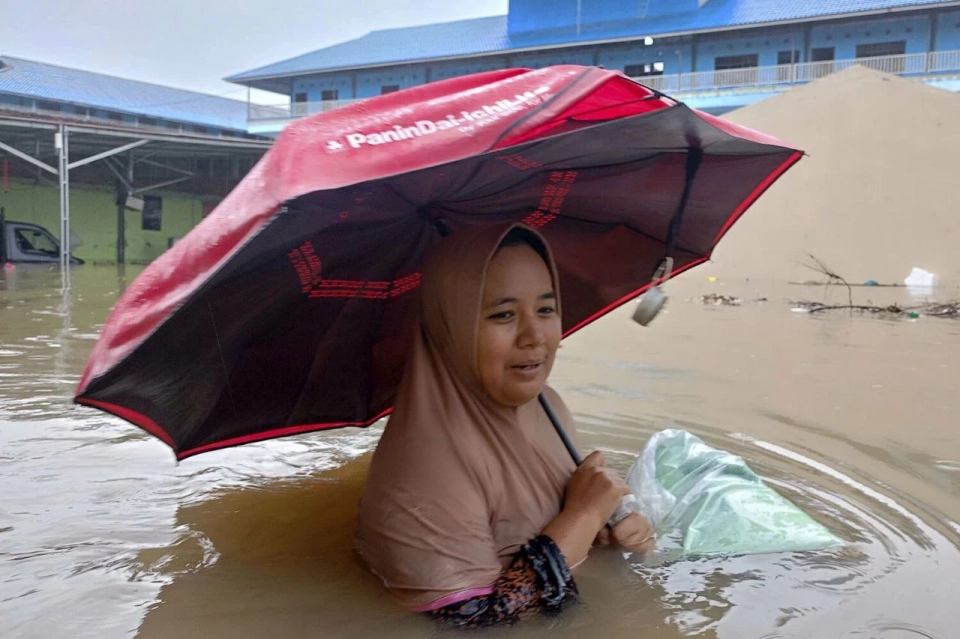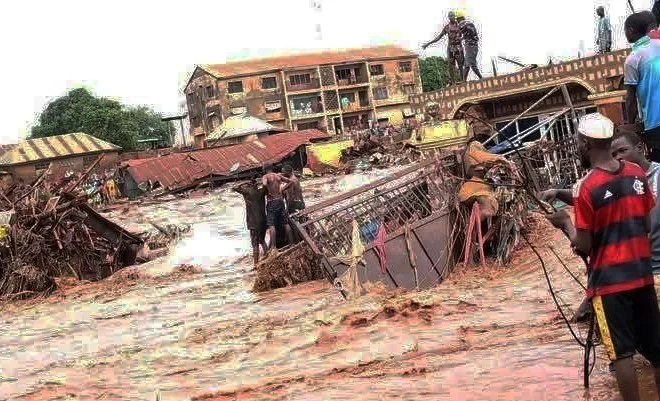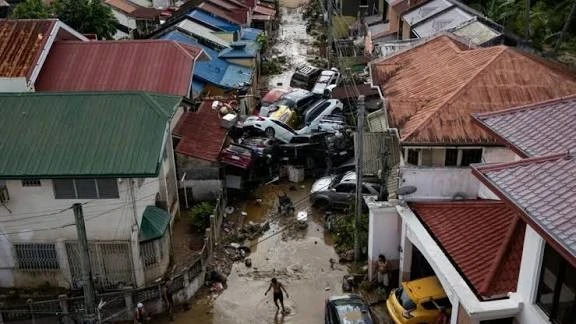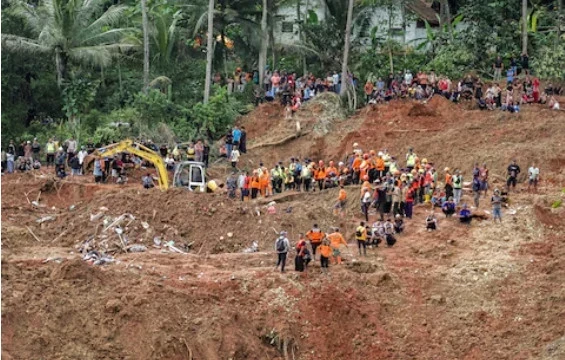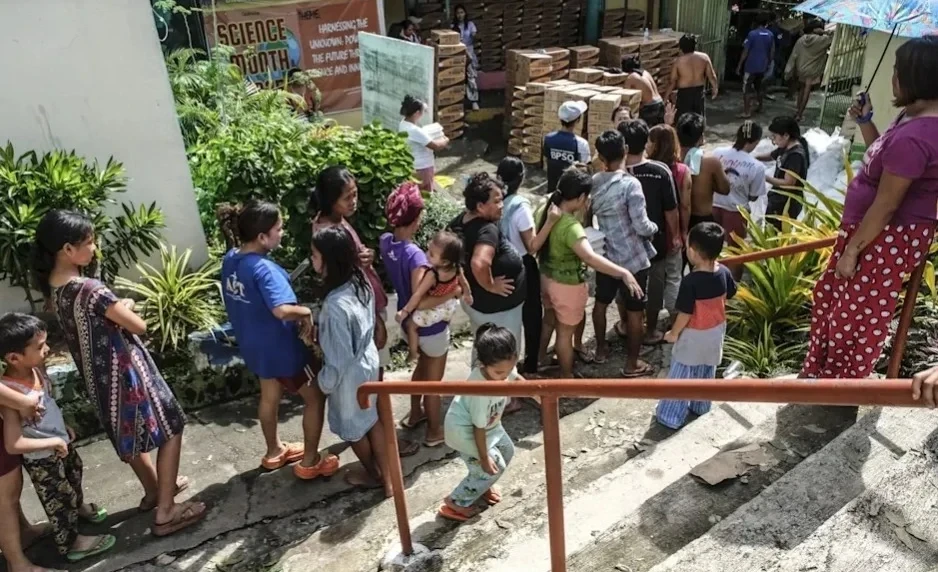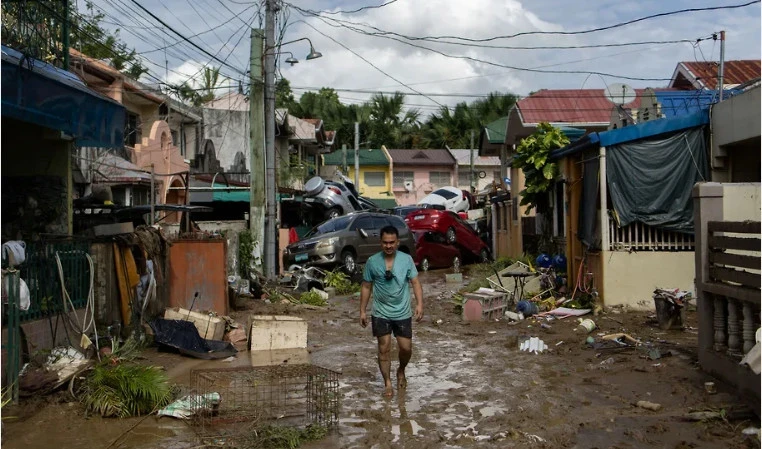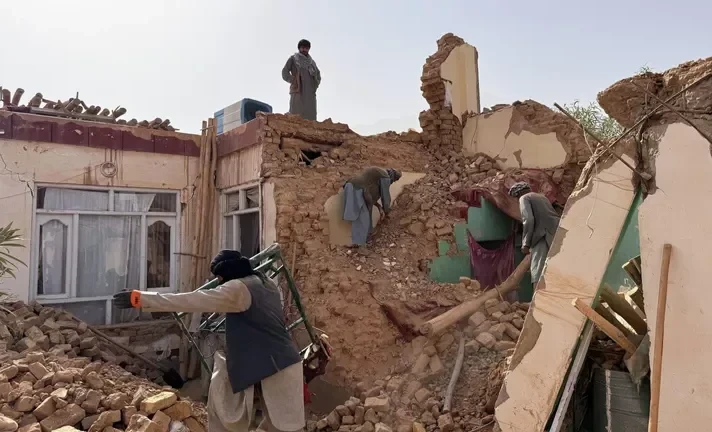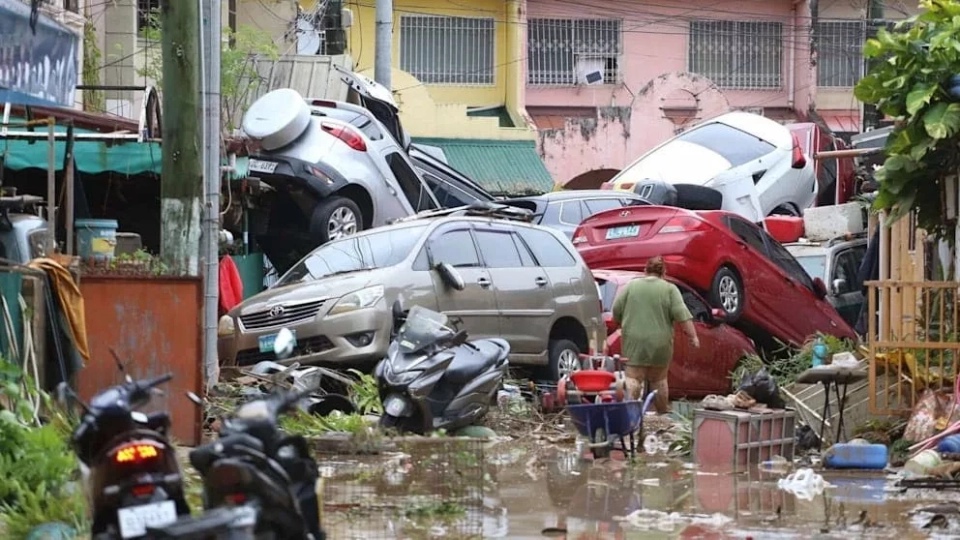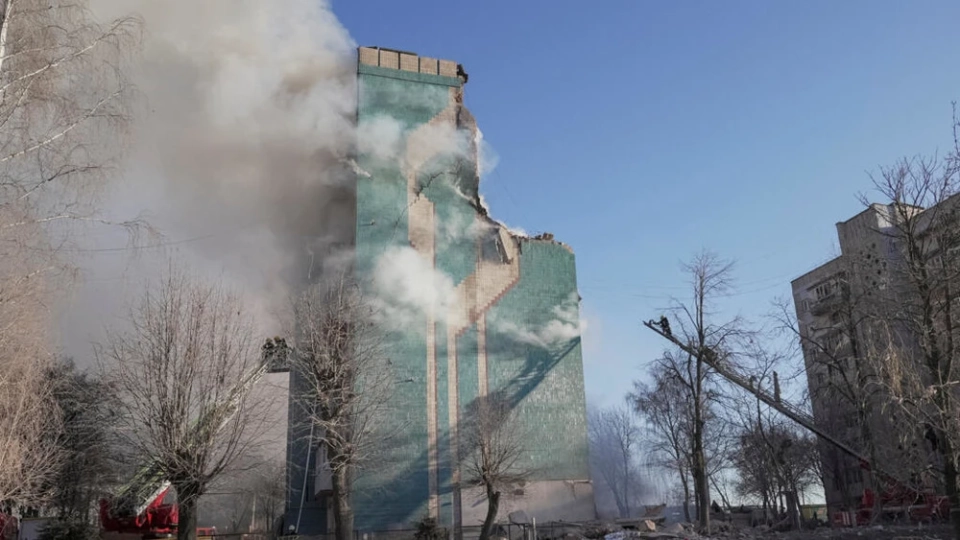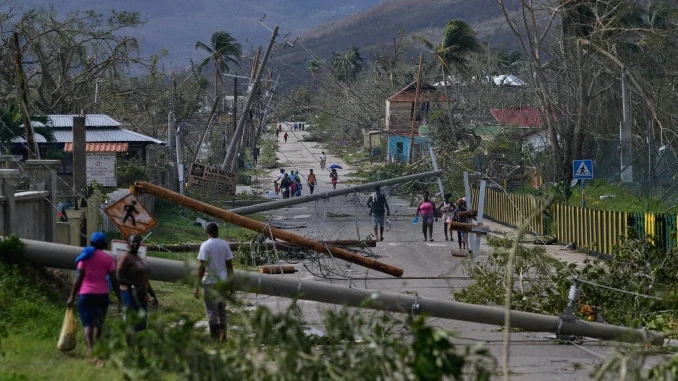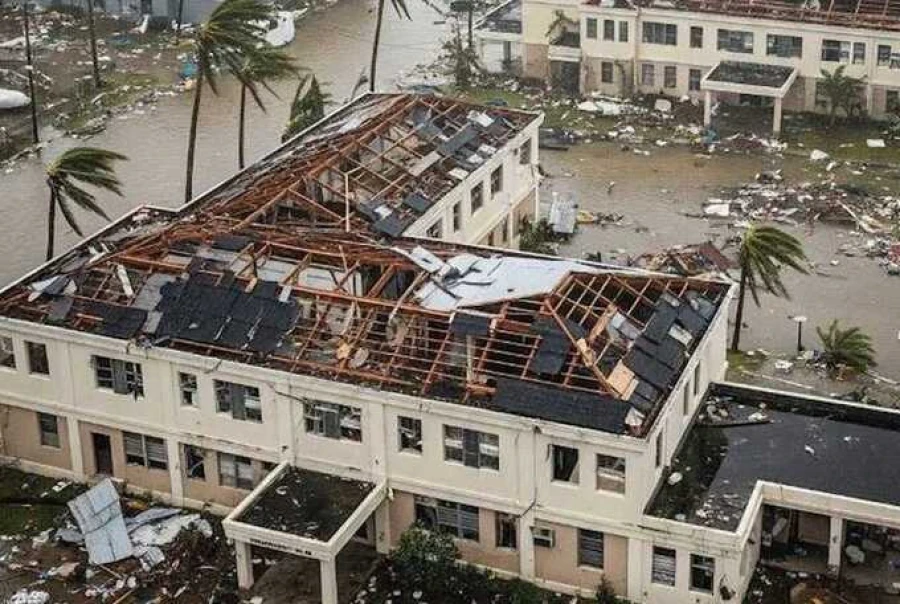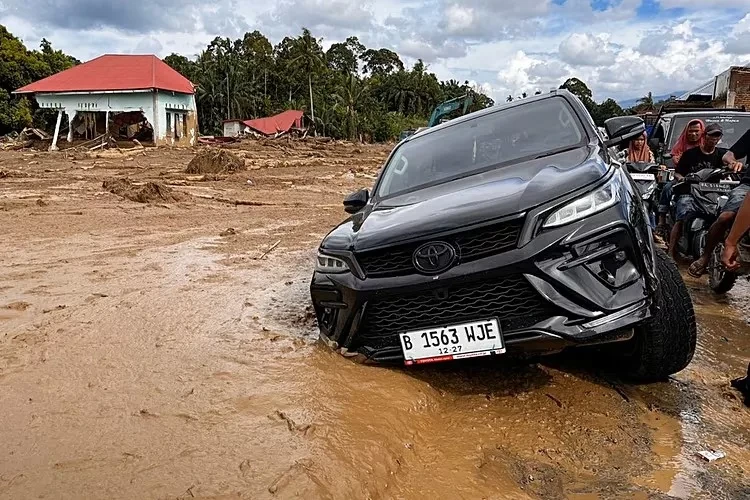
Search operations continue on the island of Sumatra, where efforts are ongoing to deal with the aftermath of the catastrophic flooding. Many people remain without access to essential resources such as food, water, and medical supplies. The destruction of infrastructure complicates the work of emergency services trying to reach cut-off areas most affected by the disaster.
According to the latest data from authorities, the death toll from the floods and landslides in the country has risen to 502 people. The situation is further complicated by the rescuers' lack of heavy machinery for conducting operations. Improved weather conditions over the weekend allowed for the recovery of more bodies from the rubble; however, many areas remain inaccessible.
Hundreds of people are still reported missing, raising concerns about a further increase in the death toll. "The number of fatalities is likely to rise as many people are still unaccounted for," noted Sukhyaranto, head of the government disaster response agency.
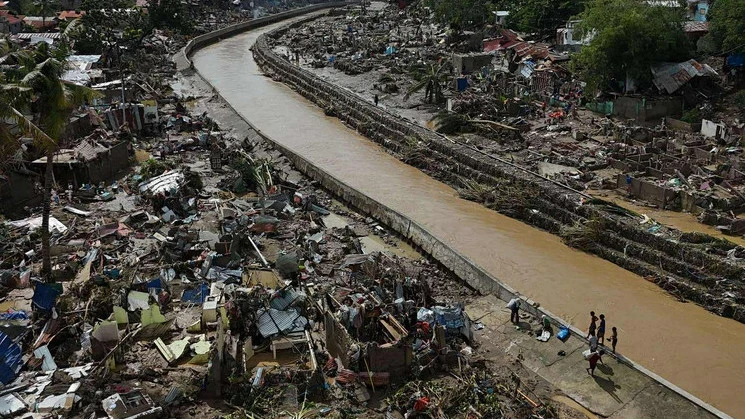
Infrastructure in several provinces, known for their tropical forests and volcanoes, has been severely damaged. Humanitarian aid is being delivered by air, and mobile communication and internet services have only been partially restored.
The cause of the floods was monsoon rains
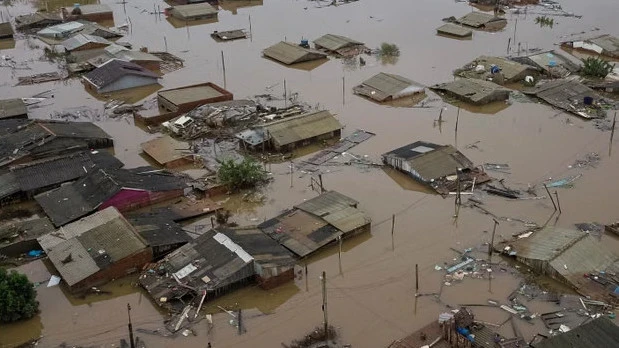
Intense monsoon rains throughout the week led to devastating floods and landslides, submerging mountain villages and destroying numerous homes in the provinces of North Sumatra, West Sumatra, and Aceh. Approximately 60,000 families have been forced to leave their homes and seek temporary shelter.
Sukhyaranto also reported that "cloud seeding" technology is being used to redirect excess rainfall away from areas where search operations are underway.
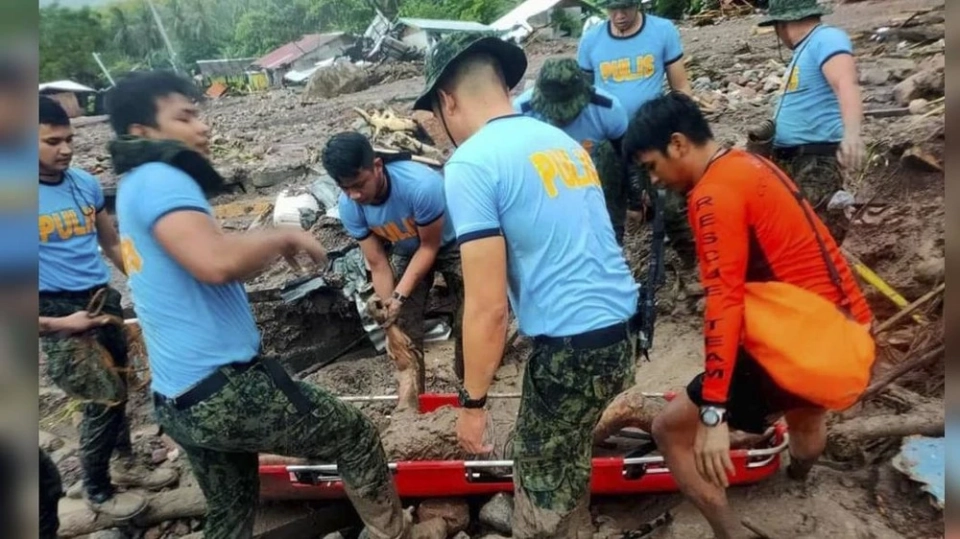
In the Agam district of West Sumatra, about 80 people are missing in three villages buried under masses of mud and rocks, and heavy machinery is needed to search for survivors.
The photo shows huge piles of logs washed up on the shore of Air Tawar beach, which locals associate with illegal logging that has exacerbated the scale of the disaster.
In Aceh, in northern Sumatra, rescuers are facing difficulties in deploying heavy machinery. Locals, police, and military personnel are working in heavy rain using only shovels and hoes.
Reports indicate the destruction of a bridge in the Bireuen area, paralyzing transport links between the cities of Medan and Banda Aceh, forcing residents to swim across the river.
Regional authorities have declared a state of emergency that will last until December 11. Governor Muzakir Manaf emphasized that there are many issues requiring urgent resolution.
The monsoons, exacerbated by tropical storms, have led to the most severe flooding in recent years in Southeast Asia, where hundreds of people have died or gone missing, and millions have been affected in Malaysia and Thailand.