The authors of the study point to a "chilling effect" in the sector: 76% of surveyed NGOs reported feeling suppressed in their activities due to the new law. As a result, 77% of organizations began to practice self-censorship, avoiding topics that could be perceived as "political".
Many NGOs are already scaling back their projects: 37% have suspended programs, and 7% have completely shut down. Nearly half of the respondents reduced cooperation with government agencies; 52% noted negative public attitudes fueled by the stigmatizing rhetoric of the authorities, while 39% faced harassment on social media.
Response to the New Law
The law on "foreign representatives" was adopted in April 2024 as an amendment to the Law on "Non-Profit Organizations". The OHCHR had previously expressed concerns that the law contains vague formulations, burdensome reporting requirements, and state interference in the activities of NGOs, undermining the rights to freedom of association and expression.Despite the criticism, the law came into force, requiring all organizations with foreign funding to register in a special registry of "foreign representatives". Penalties for failing to register include fines, suspension of activities, or forced closure. In August 2024, the government approved Resolution No. 518, which expanded oversight of NGOs and allowed for unplanned inspections and additional tax audits, while granting the Prosecutor General the authority to determine whether an NGO's activities are "political". Despite the requirement to register by November 9, 2024, by September 2025, only five organizations were listed in the registry.
Although sanctions for non-registration have not yet been applied, the law itself and the increased control by the authorities have already caused a "chilling effect" in the NGO sector.
Pressure from Security Forces
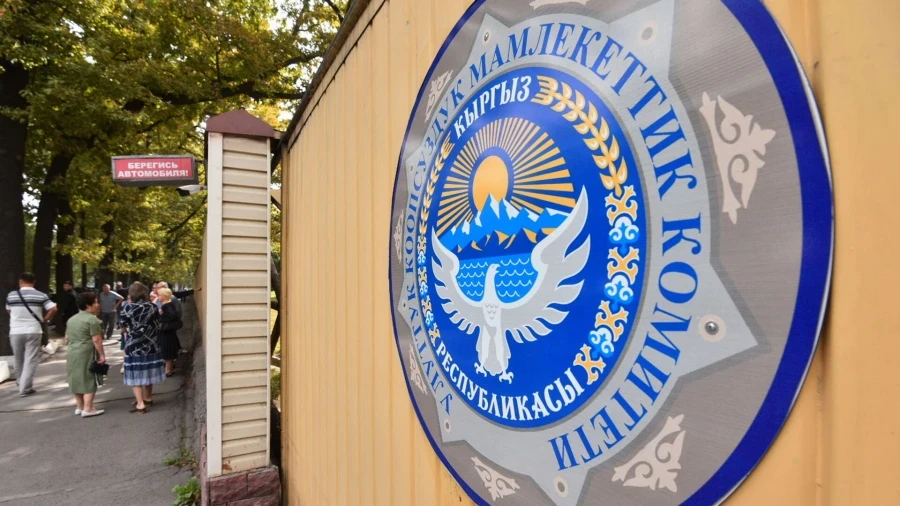
After the law was enacted, many NGOs noted an increase in attention from state structures, particularly national security agencies. 34% of NGOs reported receiving more frequent contacts from law enforcement. About 17% of respondents faced various forms of pressure: government officials visited offices without prior notice, monitored public events, demanded financial reports, and summoned activists for questioning.There are cases of pressure on NGO partners: local officials cooperating with NGOs have also faced questioning, and educational institutions have been advised not to provide venues for youth group events. In some regions, such as Talas and Batken, over 50% of surveyed organizations reported frequent inspections and requests from law enforcement. In some cases, security service personnel employed more aggressive methods, including threats and demands for personal data from meeting participants, especially when "political" topics were discussed.
The OHCHR considers such interference excessive and unjustified, limiting freedom of association. The law has granted authorities expanded powers to control the activities of civil organizations, leading to a decrease in their activity.
Self-Censorship and Reduced Activity
The definition of "political activity" in the law has forced most NGOs to reconsider their public engagement. 77% of surveyed NGOs began practicing self-censorship, trying to avoid mentioning sensitive topics and limiting criticism of the authorities. 69% of organizations reduced the number of public events, and 85% softened the wording of their statements to avoid accusations of "political" activity. Human rights groups have faced the most pressure: 92% of them implemented self-censorship, and nearly half (48%) amended their charters to exclude potentially dangerous topics.Under the pressure of the new legislation, many organizations have been forced to scale back their activities. 37% of NGOs suspended or reduced their programs, and 7% completely dissolved by the fall of 2025. 48% reported a decrease in contacts with government agencies to avoid excessive scrutiny.
Stigmatization and Withdrawal from Critical Areas
Public stigmatization of NGOs has also intensified. 52% of respondents noted negative attitudes towards NGOs from society, fueled by official rhetoric, and 39% faced targeted attacks on social media.As a result of the law's implementation, many NGOs began withdrawing from "sensitive" areas, scaling back or completely ceasing their work in these fields. The report provides examples of how vital initiatives for various population groups have been halted.
- Environmental NGOs: 80% of them practice self-censorship; 20% have completely ceased active environmental advocacy, and 40% have reduced any activities that authorities might perceive as "political".
- NGOs working with people with disabilities: 50% reported a decrease in cooperation with government agencies due to concerns related to the new law.
- Women's organizations: 45% have reduced or halted projects aimed at protecting women's rights; among 62 surveyed, four groups closed down, and over 40% shifted to less risky topics, avoiding human rights work. Almost all initiatives aimed at involving women in politics have been suspended. The law has significantly weakened the civil organization sector, where Kyrgyz women previously held important leadership positions.
- Youth initiatives: 84% of youth NGOs began practicing self-censorship, and 47% reduced the scale of their activities. Many youth groups reported pressure from law enforcement, leading to the cancellation of planned events.
- Organizations assisting sex workers, people with HIV/AIDS, and drug users: ceased public advocacy for their beneficiaries, leading to increased marginalization of these vulnerable groups without support from civil society.
Threat to Elections and Future Development
Particular concern is raised about the law's impact on electoral processes. All independent election observers are forced to self-censor; 71% of them have faced online attacks, and at least four regional election monitoring groups have ceased their activities.The OHCHR emphasizes that "the reduction of the capacity of independent NGOs to monitor elections raises serious concerns" in the context of the upcoming parliamentary elections in 2025 and the presidential elections in 2027.
Thus, the new law on foreign representatives has significantly restricted the capabilities of civil society in Kyrgyzstan, undermining the country's commitments in the field of human rights, particularly regarding freedom of expression and association. It also creates risks for achieving the Sustainable Development Goals, affecting democratic processes, the climate agenda, and inclusive development.
The OHCHR strongly recommends that the government of Kyrgyzstan review the law on foreign representatives and align it with international standards, removing the requirement for mandatory registration of NGOs as "foreign representatives" to realize the right to association and freedom of speech. The report also suggests ensuring more balanced information to the public about the contributions of civil organizations to the country's development and the achievement of the Sustainable Development Goals to overcome negative stereotypes.