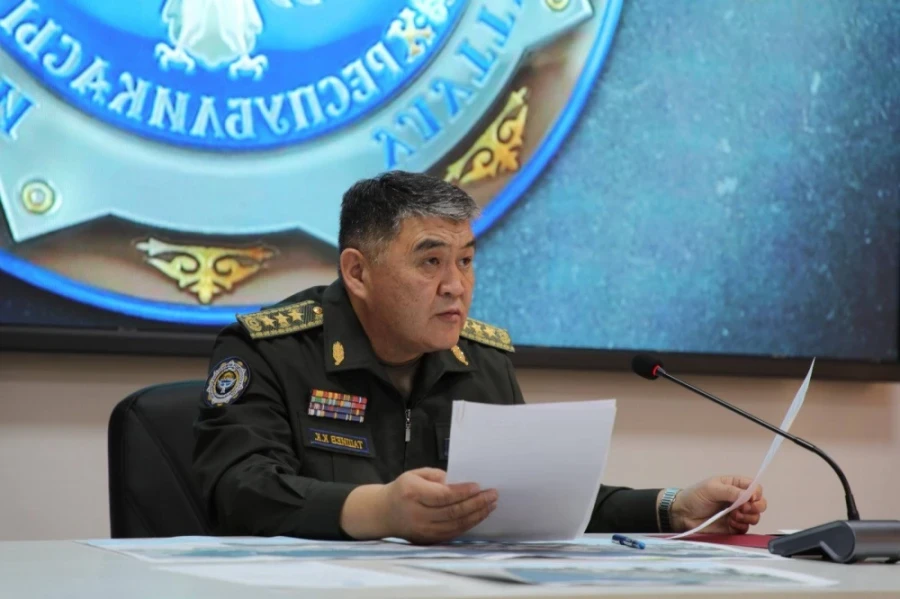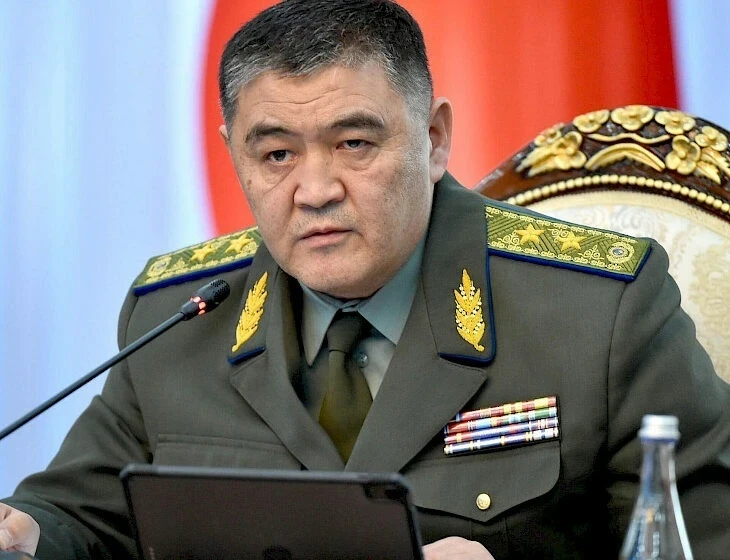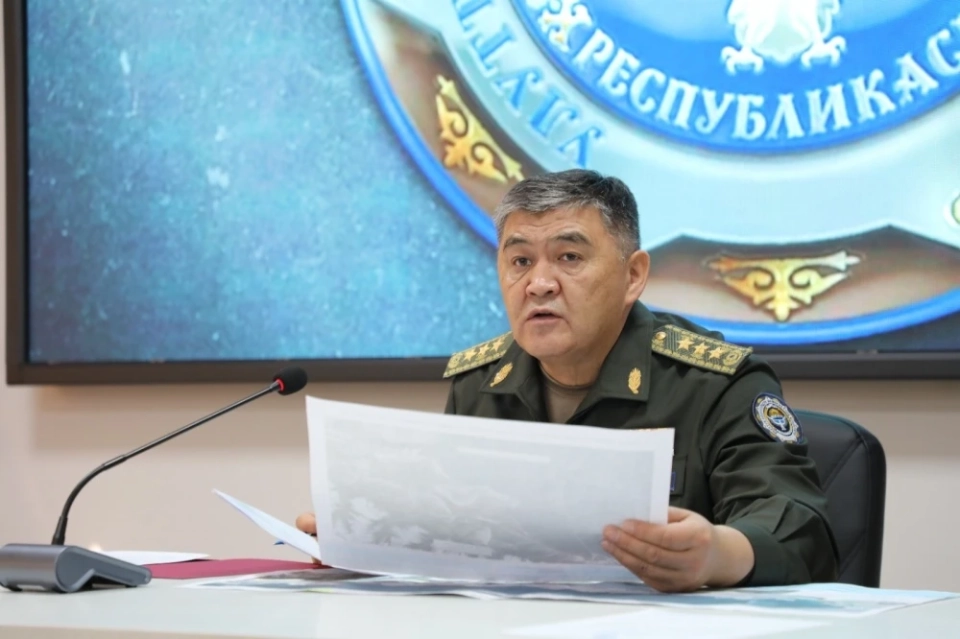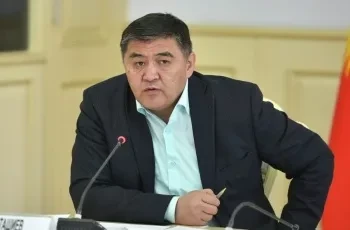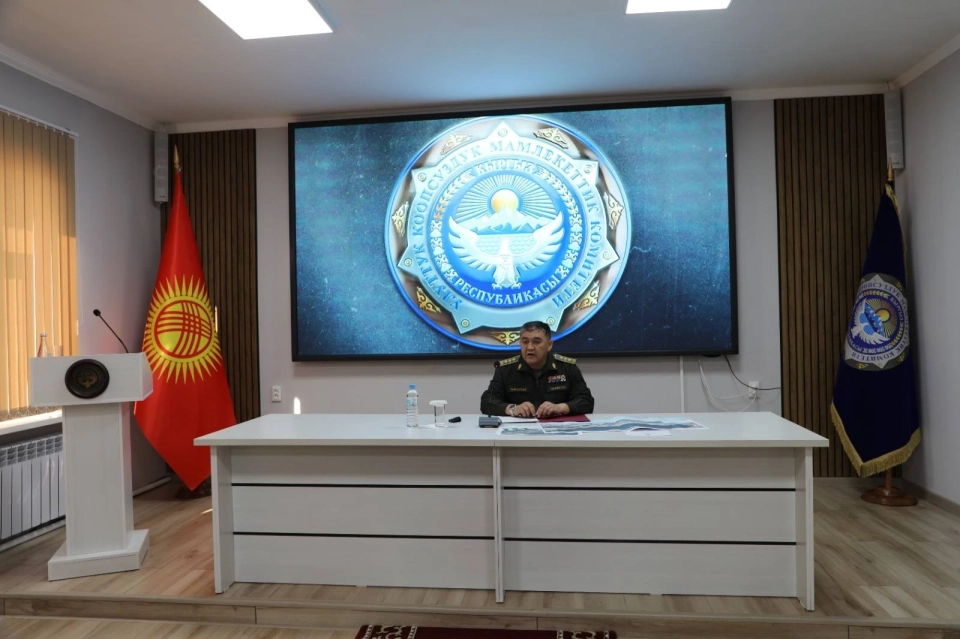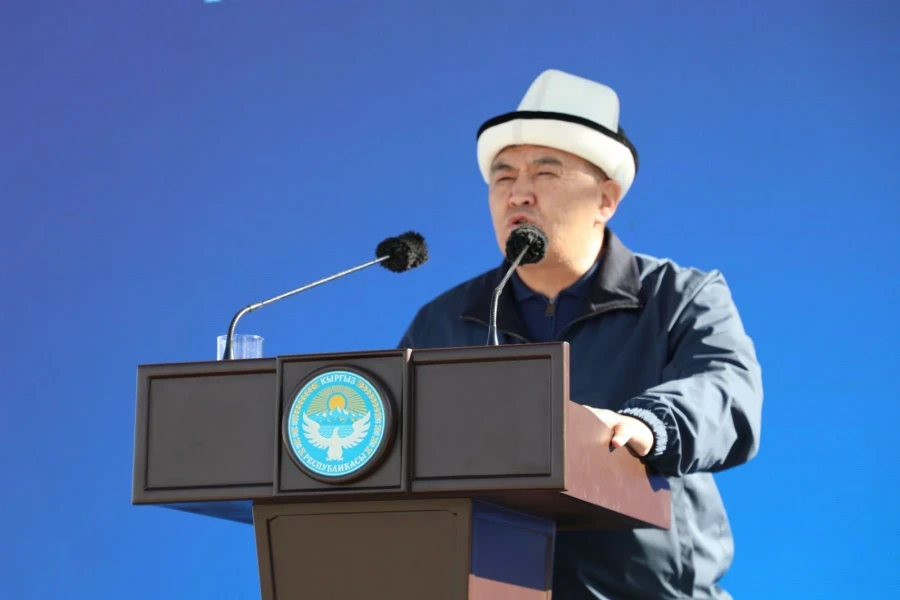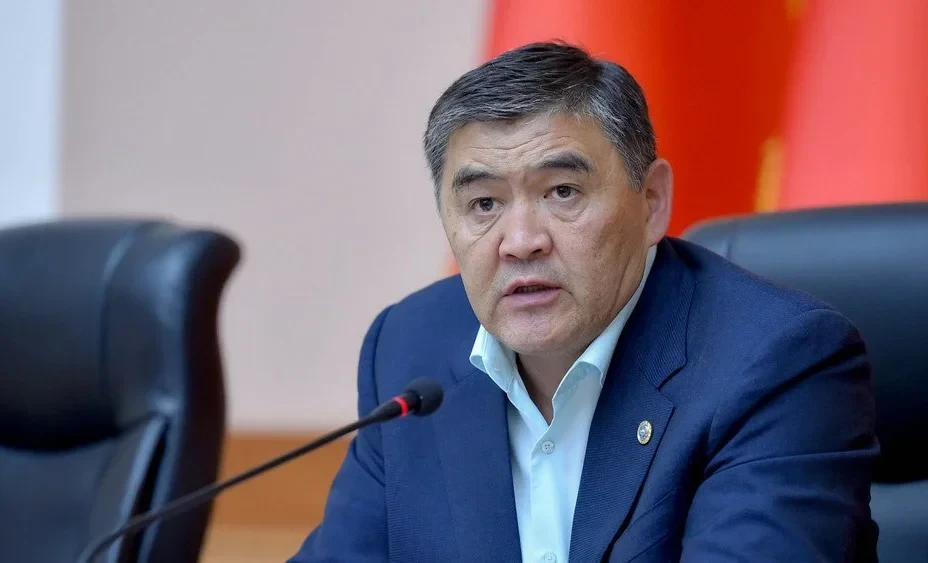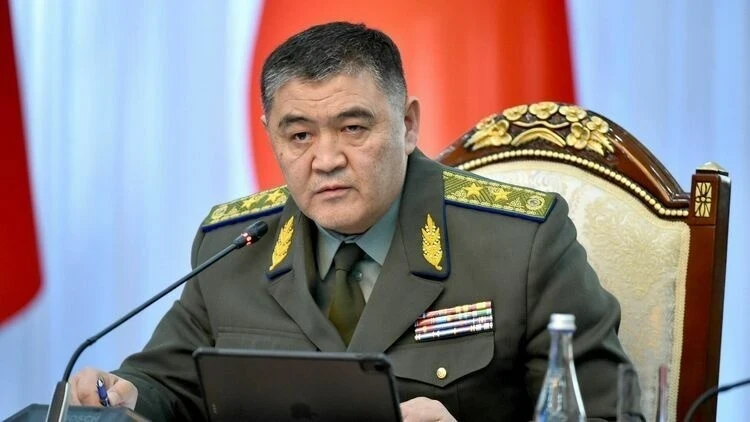
At the end of 2025, Chairman of the State National Security Committee Kamchybek Tashiev made a statement at a meeting dedicated to the construction of roads in the Issyk-Kul region. His words, addressed to representatives of the Chinese company China Road, quickly became a topic of discussion in public circles.
The discussion concerned the Barskoon - Karakol road and the long-term presence of the company in Kyrgyzstan, where it has been operating for almost 20 years. Tashiev firmly noted that during this time, the contractor had not learned to speak the state language, which became the main focus of his speech.
The recording of the meeting quickly spread across social networks, provoking various interpretations. Some perceived Tashiev's words as an important emphasis on the status of the Kyrgyz language, while others saw it as a threat to linguistic balance and a hint at diminishing the role of the Russian language.
Discussions around his statement were divided: some considered his demand for respect for the state language fair, while others saw it as a potential tightening of language policy and pressure on foreign partners.
This variety of reactions is related to the historical sensitivity of the language issue in post-Soviet countries, where language becomes not only a cultural but also a political tool reflecting identity and sovereignty.
Nevertheless, it is important to understand that this event occurs against a broader political context.
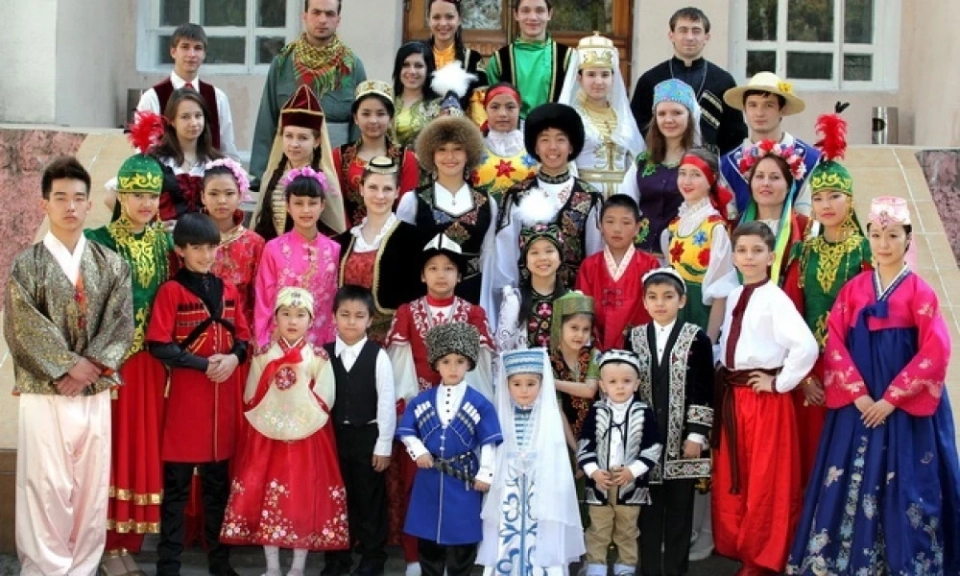
Kyrgyzstan officially adheres to a bilingual model: the Kyrgyz language is the state language, while Russian is an official language. This model has helped maintain a balance between national identity and interethnic harmony for many years.
Supporters of the Russian language emphasize its importance not only through statements but also through concrete actions. For example, the launch of the "Nomad TV" channel, aimed at a Russian-speaking audience, confirms that the state does not intend to abandon a multilingual information space.
Furthermore, during negotiations with Russian President Vladimir Putin, Kyrgyz President Sadyr Japarov noted that the Russian language plays an important role in interethnic relations and education in the country.
Kamchybek Tashiev, as a graduate of one of Russia's leading technical universities - Tomsk Polytechnic University, in itself refutes assumptions about his negative attitude towards the Russian language.
It is also important to consider Tashiev's communication style, which adapts his statements to the specific audience. His address to representatives of China Road was made in Russian, confirming his pragmatic approach to communication rather than an ideological position.
The essence of Tashiev's statement was rooted in business ethics. After 20 years of work in Kyrgyzstan, the company China Road interacts with government bodies and local residents, and a basic knowledge of the state language, at least at the level of business communication, can be perceived as a form of respect for the host side.
In many countries, knowledge of the state language becomes an informal standard for foreign companies, and Kyrgyzstan is no exception, expecting deeper integration of partners into the local context.
Thus, Tashiev's statement fits into the overall trend of strengthening the state's subjectivity without undermining international and intercultural ties.
This is not about displacing the Russian language or conflict with foreign investors, but rather a reminder that working in Kyrgyzstan requires respect for state institutions, language, and culture.
Language in this context becomes a marker of partnership and responsibility, rather than a tool of pressure.
Interpreting Tashiev's words solely in an emotional light means ignoring the political and managerial situation. His statement serves as a signal about the rules of the game: long-term presence in the country requires adaptation and respect for local realities.
In a situation where Kyrgyzstan balances between national interests and openness to the world, such accents appear not radical but quite reasonable.
It should also be noted the personal style of Kamchybek Tashiev, known for his direct and emotionally charged statements. However, such sharpness does not always imply a negative subtext.
Thus, it can be argued that the rigidity of his statements is explained not by ideological positions but by a management style and a desire to convey his thoughts clearly and distinctly. The essence of the message is not in prohibitions or confrontations, but in a simple and clear requirement: long-term work in Kyrgyzstan requires a basic understanding of its language and cultural context.