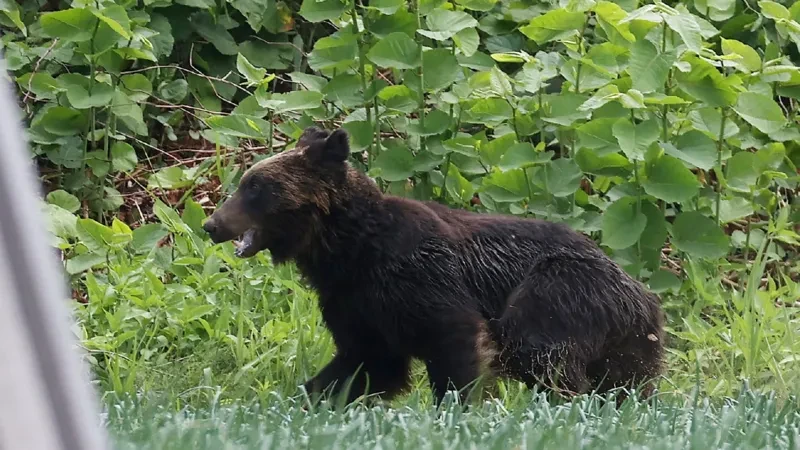
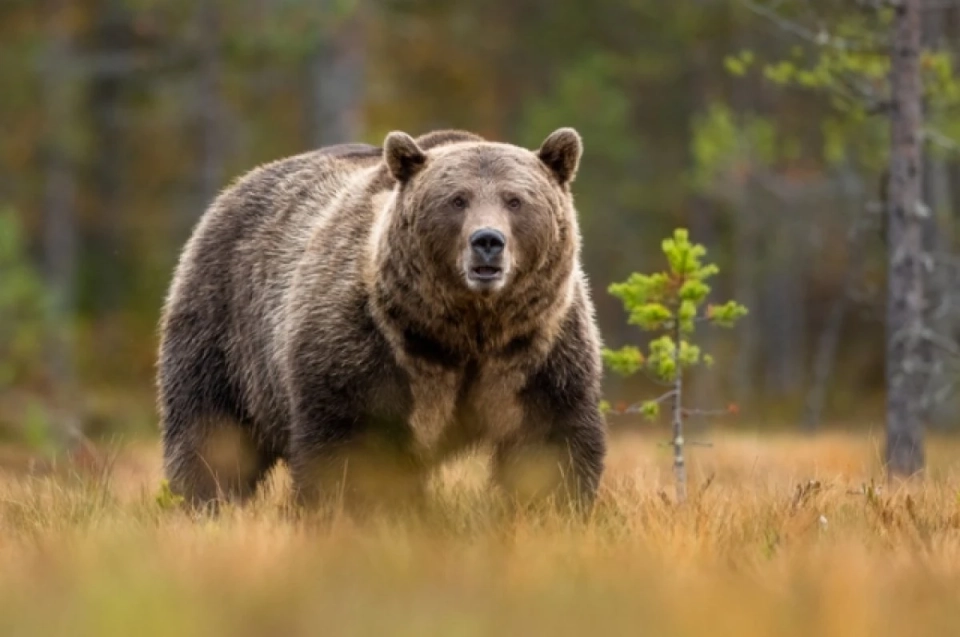
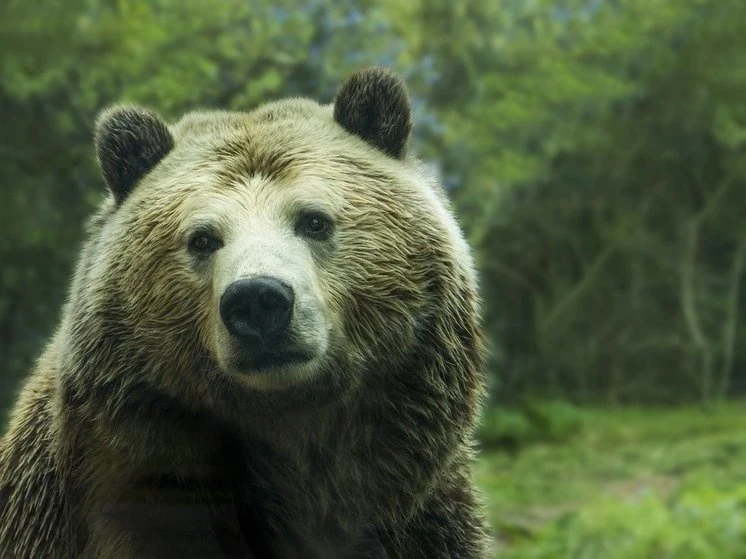
As of January 1, 2026, a ban on bear bile farms has come into effect in South Korea.
This decision has put an end to a cruel practice that existed for 45 years. In 1981, the South Korean government permitted the import and breeding of bears to support the agricultural sector. However, in 1985, under pressure from the international community, Seoul restricted the import of these wild animals. The ban on their breeding was only introduced in 2023.
The new amendments to the wildlife law, adopted in 2023, prohibit:
- the ownership of bears;
- their keeping;
- breeding;
- as well as the production, consumption, and distribution of bear bile.
The Ministry of Climate, Energy, and Environment has committed to implementing measures to protect bears in captivity. The transition period will last six months, and violations of the new law carry prison sentences of 2 to 5 years.
Currently, 199 bears remain in captivity on 11 farms across the country, while 34 animals have already been rescued from such conditions. Negotiations are ongoing with the owners of these farms.
The cruelty of bear farms has shocked and outraged the international community for many years.
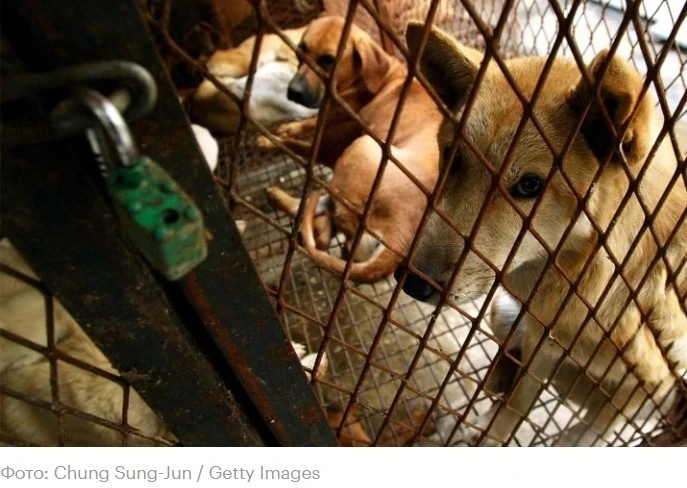
Investigations have shown that bears are kept in terrible conditions: they are housed in cramped cages, the size of which does not exceed their bodies. The process of extracting bile is extremely painful; the animals suffer, groan, bang their heads against the walls, and even bite off their own paws.
A case reported by Chinese media was particularly tragic: a bear escaped from its cage, killed its cub, and then, gaining speed, crashed into a wall.
South Korean farmers have kept hundreds of Asian black bears in tiny cages for many years to obtain bile, which is used in traditional Eastern medicine, lacking scientific justification. Similar practices have also occurred in China, North Korea, Laos, and Vietnam.