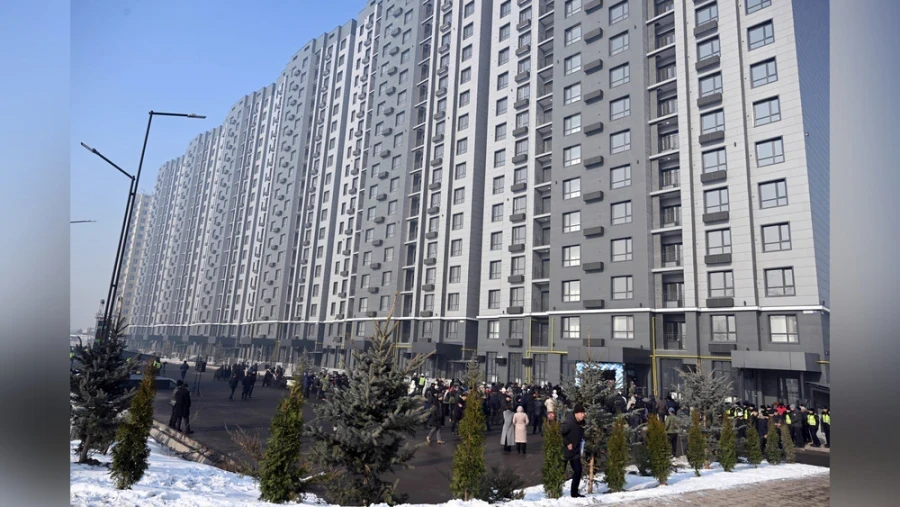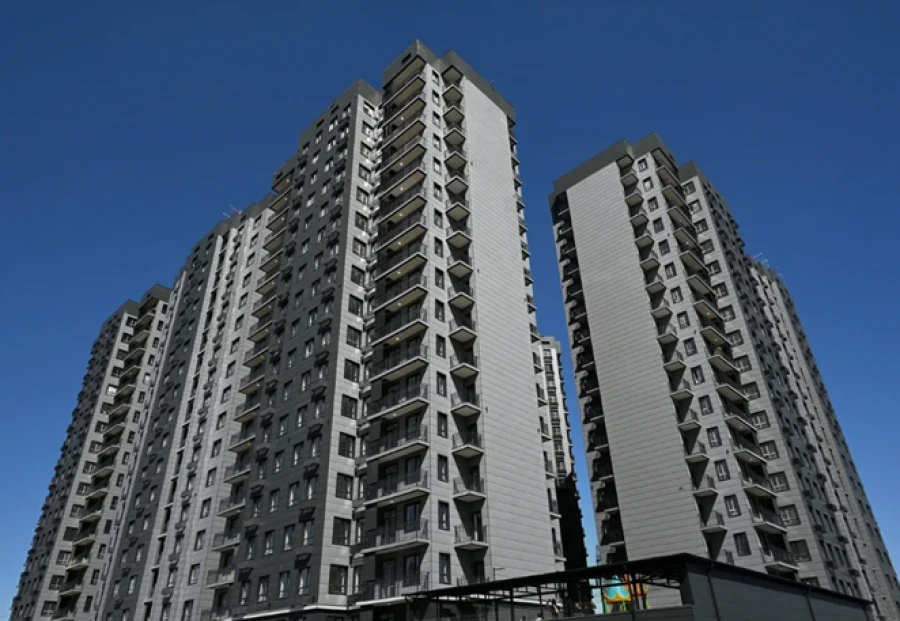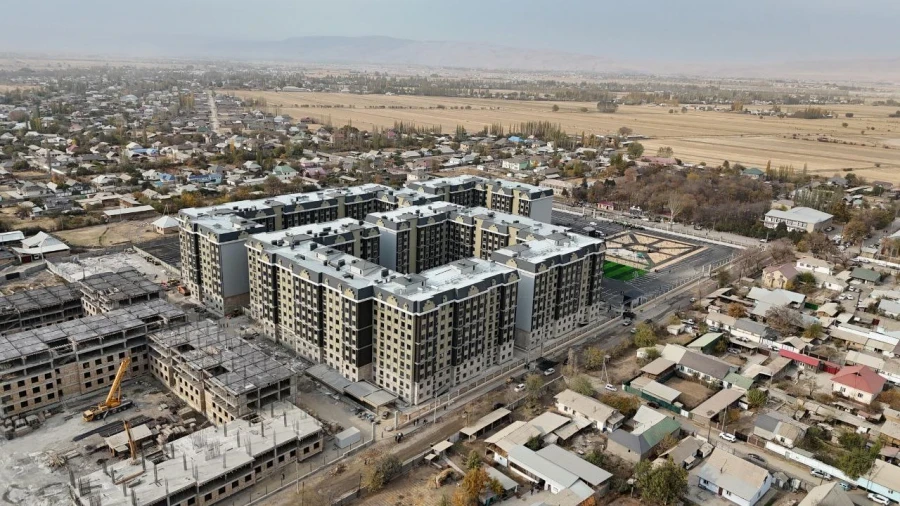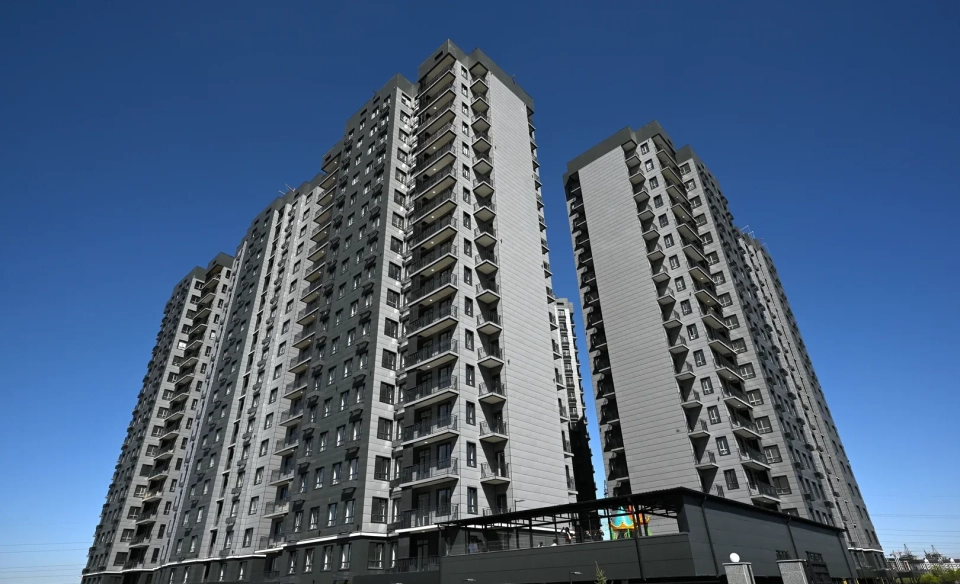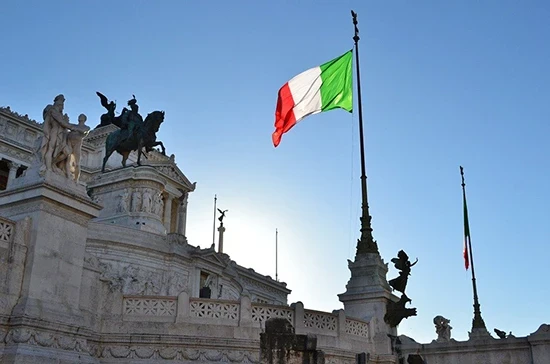
The initiative to build 100 thousand apartments is a response to the housing crisis affecting young families, divorced parents, and elderly people. Prime Minister Meloni announced this plan at the beginning of the year, and now the key provisions will be approved as part of the Dpcm decree.
Some of the proposals have already been included in the adopted budget law, and in the near future, the government intends to engage social partners, including trade unions and business associations, to discuss the implementation details of the project.
How will the project be implemented?
Rent to Buy
Young people, young couples, and divorced parents will have the opportunity to rent housing at an affordable price with the option to buy at a fixed cost in the future. This offer is aimed at those who cannot immediately purchase housing but wish to invest in their future.
Social housing for elderly citizens:
The plans include expanding and updating residential complexes available for elderly people, taking into account their financial capabilities and physical needs. For the first time, it will be proposed to link this segment with real estate exchange programs, allowing elderly citizens to exchange their apartments for more compact or adapted ones, freeing up space for larger families.
Regulated rent and tax incentives:
Rent rates under the new schemes will be regulated at the regional level, based on the actual incomes of families. Incentives are also expected for private owners providing housing under such mechanisms.
The Prime Minister emphasized:
“This is not a giveaway of housing. This is a sustainable project that takes into account social mobility and the need for modern forms of rental.”
In the context of rising real estate prices, especially in large cities, and the shortage of social housing, this project could become an important tool in the coming years. However, experts note that much will depend on the selection criteria, the actual rental costs, and the speed of program implementation.
The construction of the first facilities is scheduled for the end of 2026. Local authorities will receive more powers in managing the lists of applicants and the criteria for access to housing.