According to Atabekova, the key problems faced by enterprises in the garment industry primarily relate to sales and finance. This, in turn, negatively affects competitiveness in both price and quality parameters of the products.
“All problems boil down to one - it’s sales, it’s money. As a result, we cannot compete either on price or quality,” she noted.
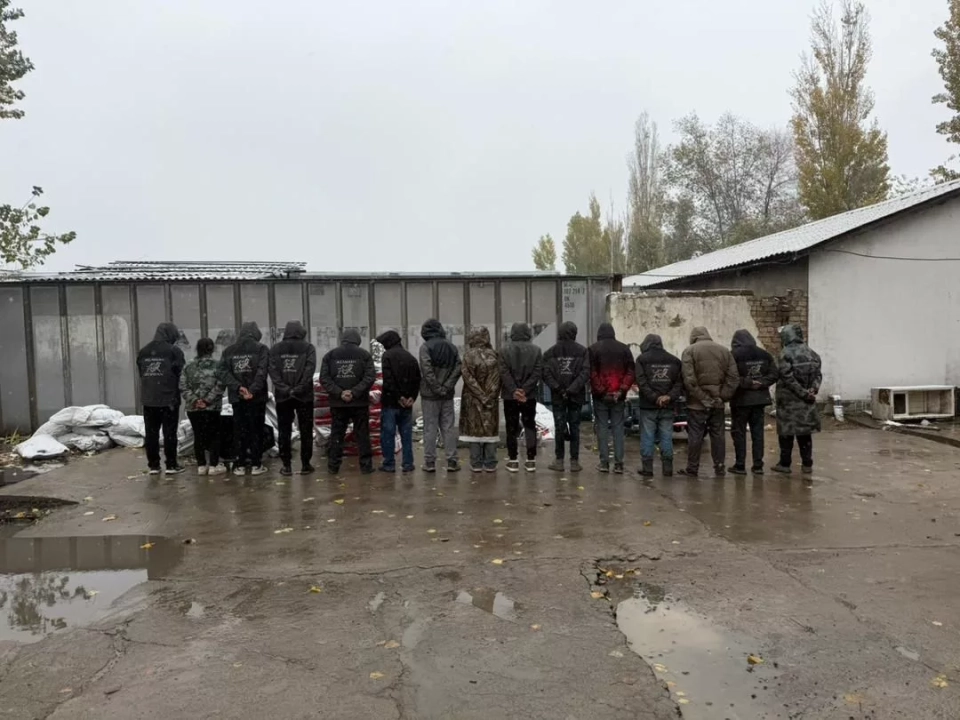
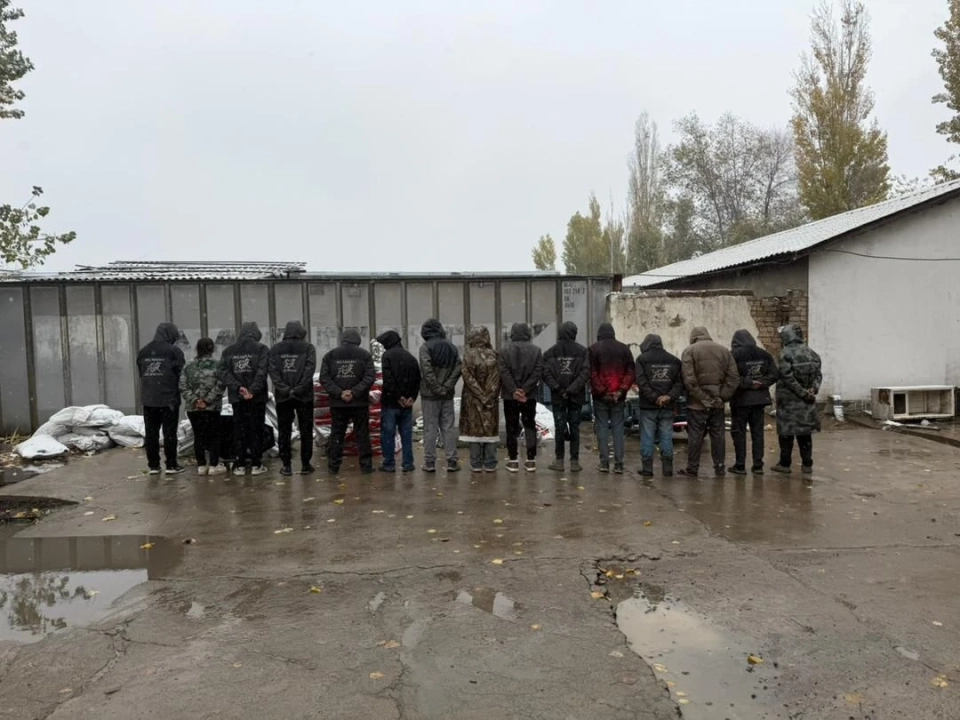
Atabekova emphasized the need to create conditions for the development of production and access to labor, including foreign specialists. However, she believes that the current sanctions are too lenient. “Our legislation has significant weaknesses, and many producers have started to poach foreign labor that was invited to work at the enterprise,” the head of the association stated.
She suggested amending Article 93 of the Code of the KR on offenses, noting that the current fine for legal entities is 650 calculation indicators (equivalent to 65,000 soms) and is not a serious deterrent.
“A fine of 65,000 soms for a tailor is nothing. They can simply pay it and continue to violate the law,” Atabekova said.
In her opinion, such a situation leads to dumping, loss of skilled personnel among conscientious companies, growth of the shadow economy, and indicators hidden from tax authorities.
As an example, Atabekova cited the practice in Russia: “In the Russian Federation, fines for legal entities can reach up to 1 million rubles for each illegally hired worker, and there is also the possibility of administrative suspension of activities for up to 90 days,” she noted, adding that no one is willing to take such risks.
She also presented unofficial data on the scale of the problem. “To date, 72% of enterprises use illegal or foreign labor,” Atabekova said, indicating that the association is ready to submit the draft amendments to the deputies.
The head of the association also expressed a negative attitude towards the idea of creating a separate ministry for the garment industry, considering it an excessive step.
“Creating new ministries not only increases bureaucracy but also adds expenses for the country, which is completely unreasonable,” she noted.
Additionally, Atabekova discussed the possibility of opening garment enterprises by non-residents. According to her, foreign companies, having financial resources and operating under the same tax conditions as residents, can create risks for competition and export capital from Kyrgyzstan.
“They have a significant opportunity to violate the competition law, which leads to a large outflow of capital from Kyrgyzstan,” she emphasized.
In conclusion, Atabekova noted that the proposed changes in two areas - tightening responsibility for violations in the use of foreign labor and regulating the working conditions of non-residents - could have a significant impact on the development of the industry.
“Amending the legislation in these two areas will provide us with an important solution for the development of the textile and garment industry,” she summarized.