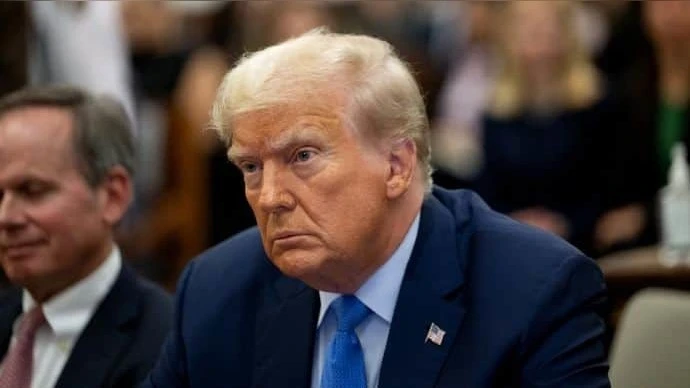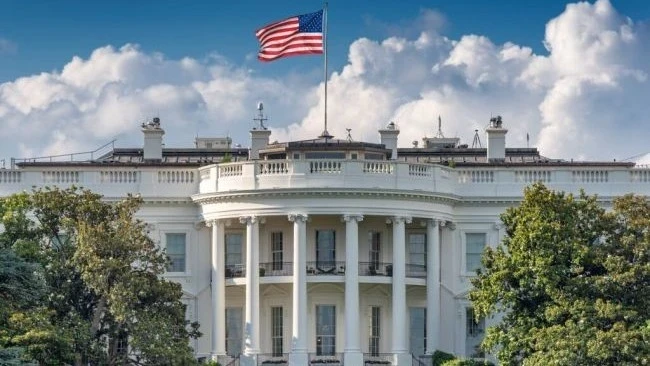
In his document, Trump stated: “I am extending for one year the state of emergency declared in Executive Order No. 13660.” This order was issued by his predecessor, Barack Obama, on March 6, 2014.
The state of emergency allows for the freezing of assets of individuals and legal entities that, according to Washington, are responsible for “undermining democratic processes and institutions in Ukraine,” as well as for threatening its peace and territorial integrity. Since the imposition of sanctions, they have been repeatedly extended.
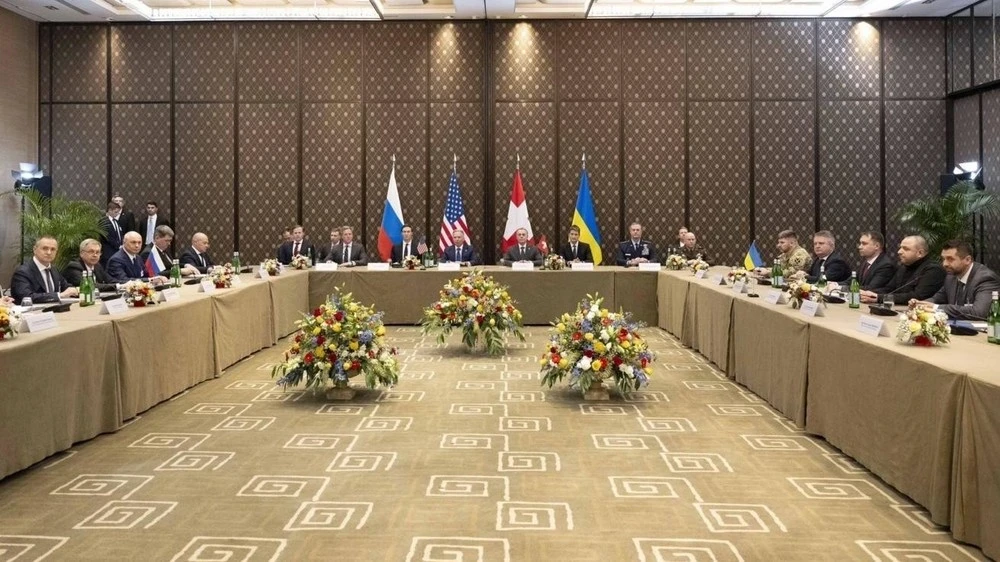
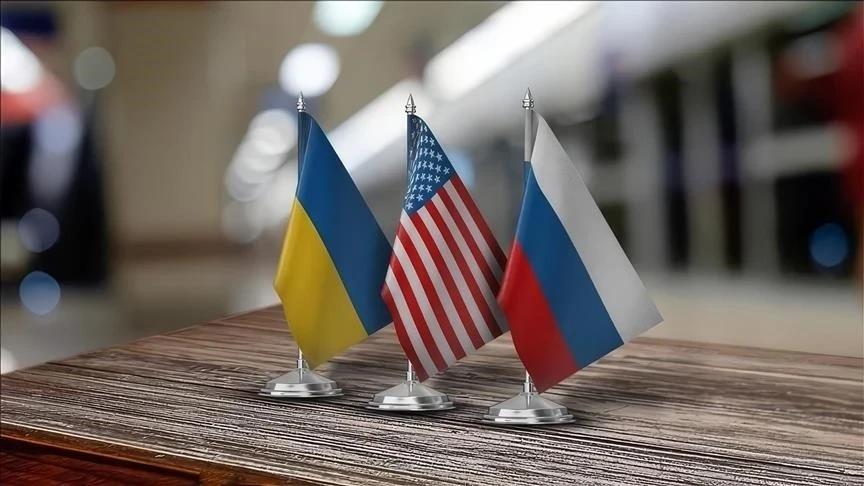
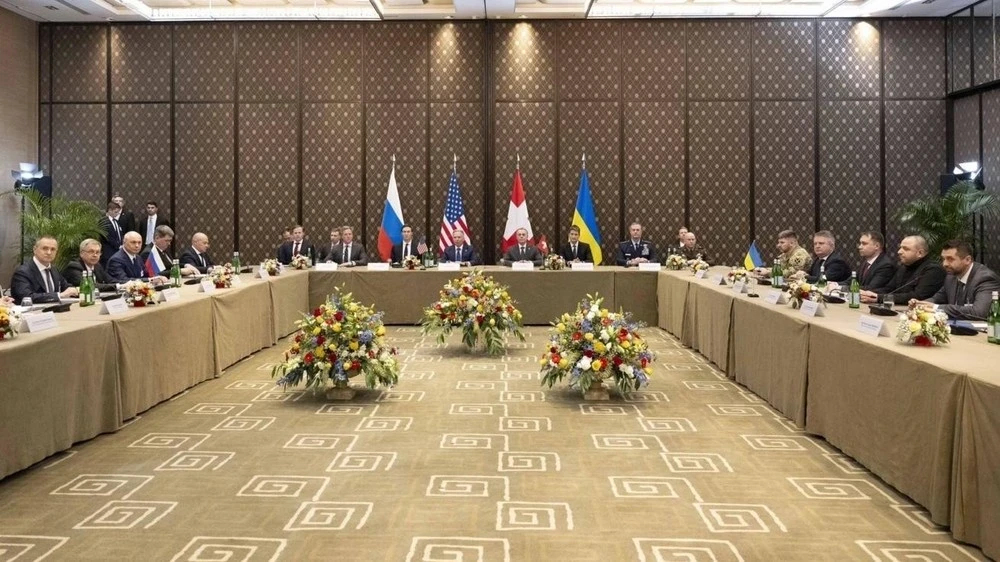
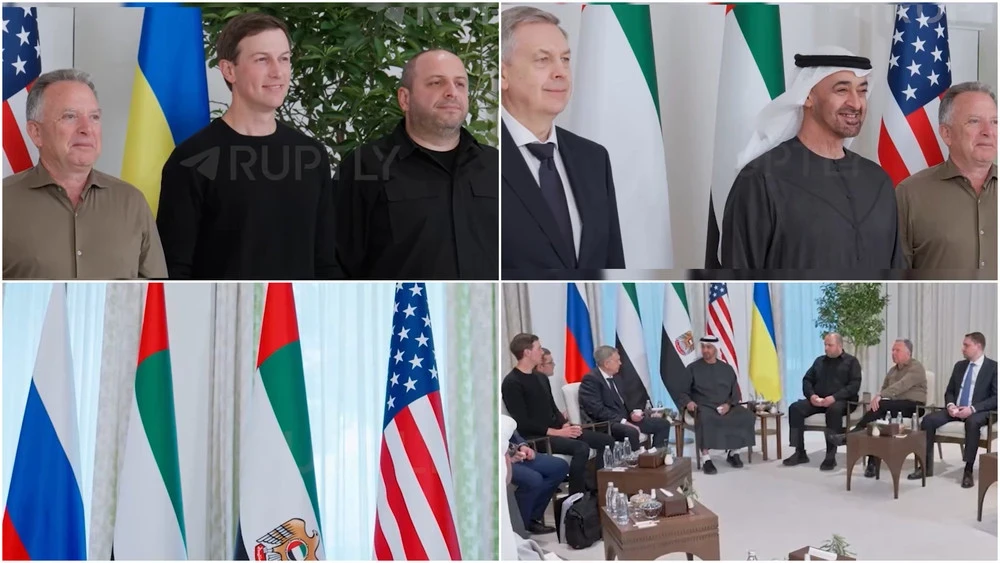
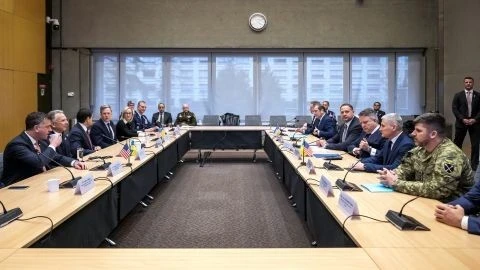
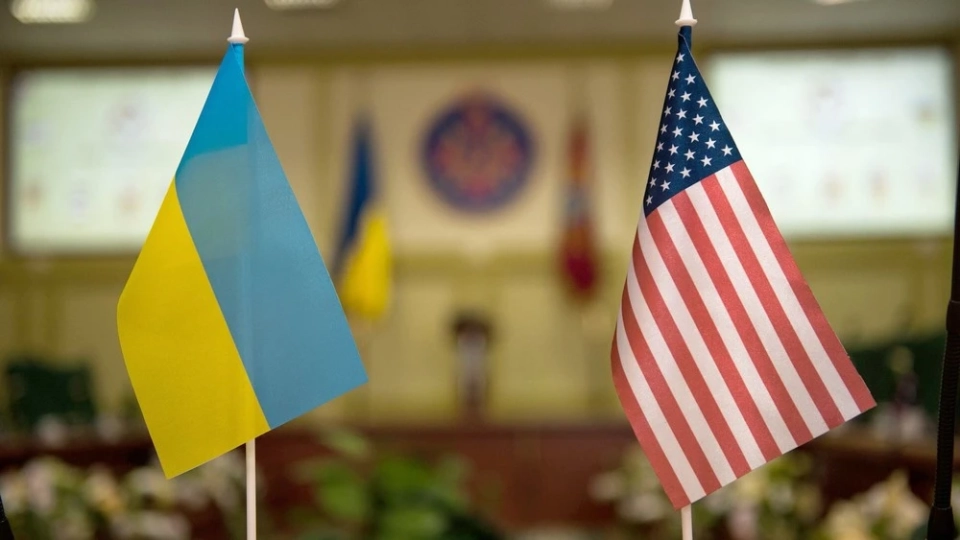
The new decision on sanctions comes amid active international negotiations to resolve the conflict in Ukraine. On February 17-18, consultations took place in Geneva with the participation of delegations from Russia, Ukraine, and the USA.
According to the head of the Russian delegation, Vladimir Medinsky, the consultations were complex but constructive. He noted that discussions were held in various formats and lasted for two days. The next round of negotiations may take place in the near future, although the exact date has not yet been set.
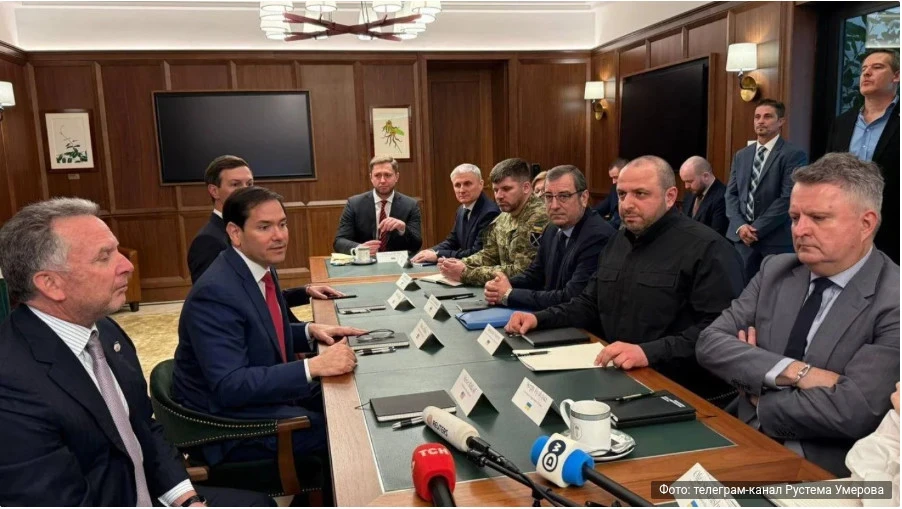
The Secretary of the National Security and Defense Council of Ukraine and head of the Ukrainian delegation, Rustem Umerov, noted that during the discussions, clarity was achieved on some issues; however, the details of the negotiations remain confidential. He characterized the meetings with the Russian side as “intensive and substantive.”