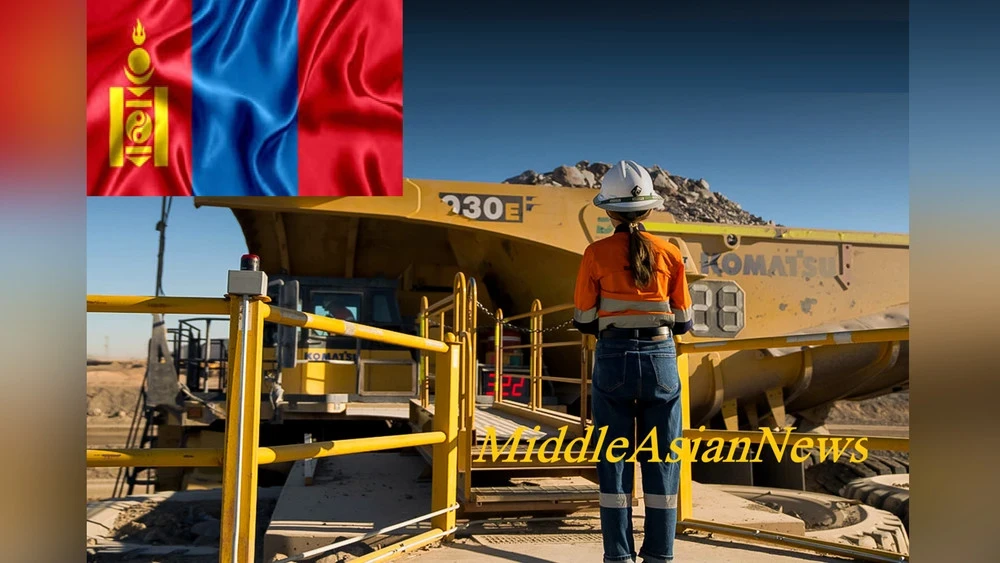
According to data from the National Statistical Office of Mongolia, the main growth factors were the mining and quarrying sectors, which increased by 68% (₮1.8 trillion), as well as electricity and gas supply, which rose by 34.3% (₮95.3 billion).
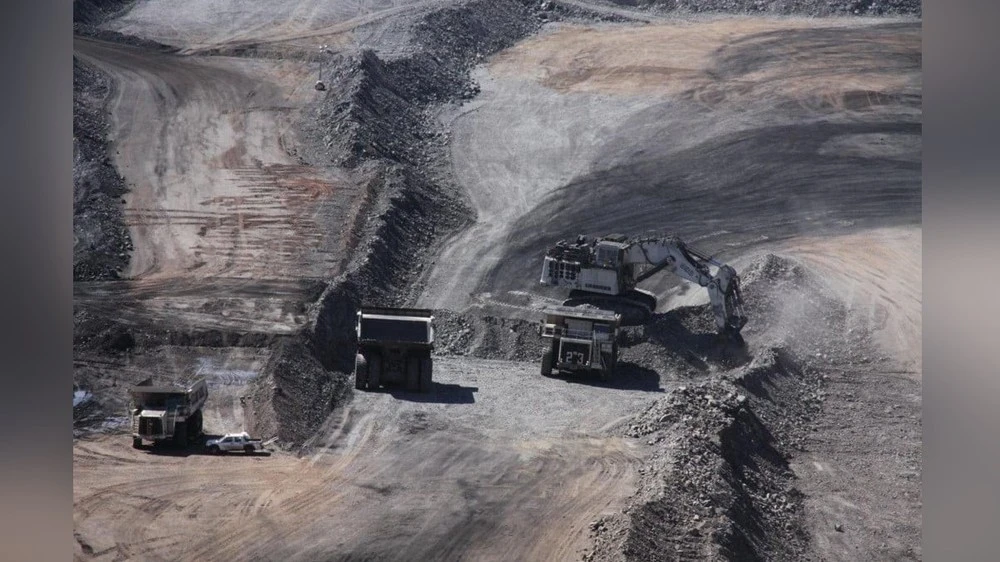
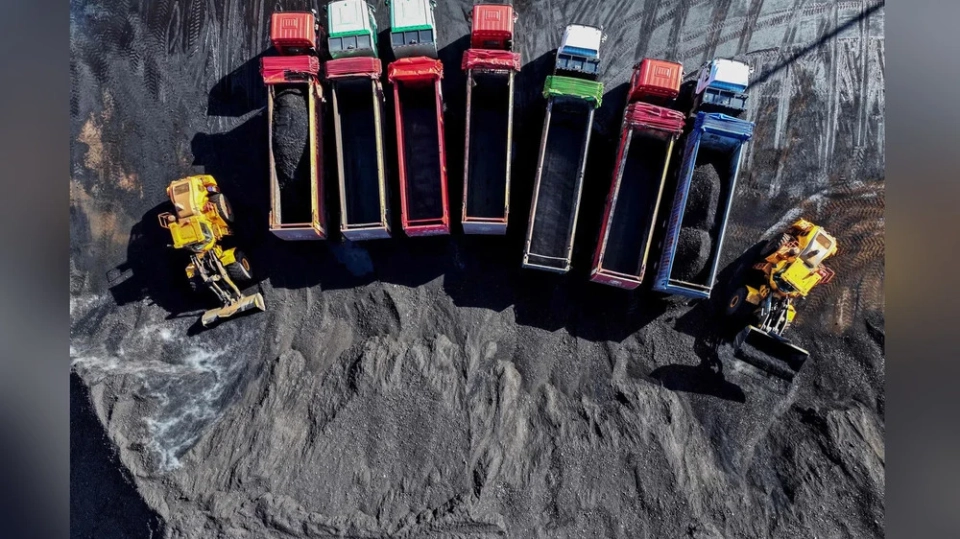
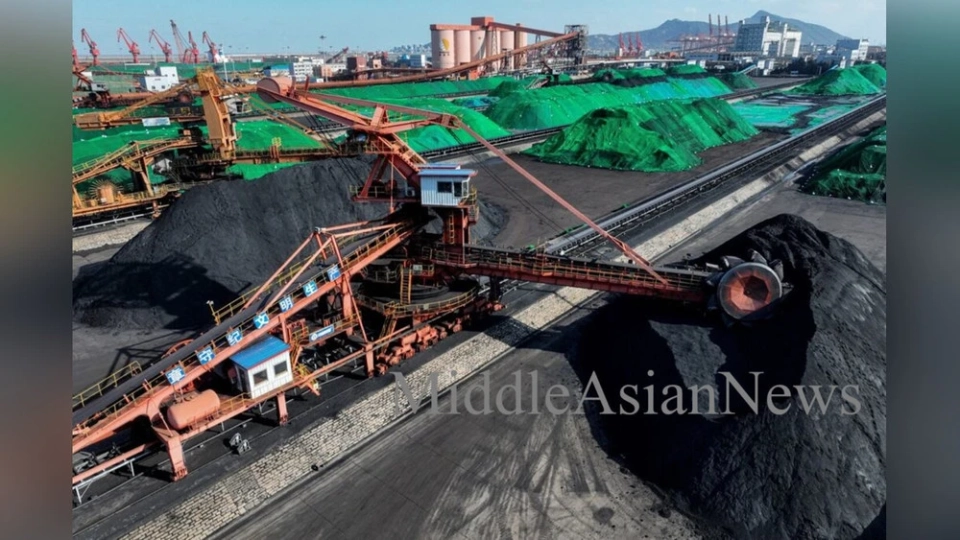
Preliminary data for January shows that the volume of mineral extraction and quarrying amounted to ₮4.4 trillion. This result was achieved thanks to a 2.2-fold increase (₮1.4 trillion) in the extraction of metallic ores and a growth of 29.9% (₮396.4 billion) in coal extraction.
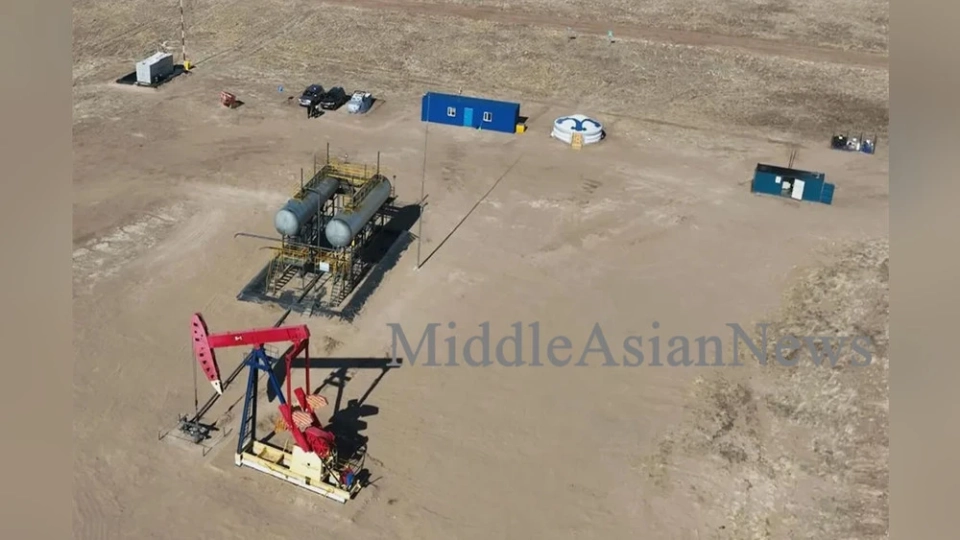
In physical terms, the production volumes of iron ore and copper concentrate, as well as coal, increased by 2.3 to 3.5 times compared to the same period last year. However, a decrease was noted in the production of unrefined gold, crude oil, fluorite, lignite, silver, and zinc concentrate by 2.5%, totaling 89.1%.
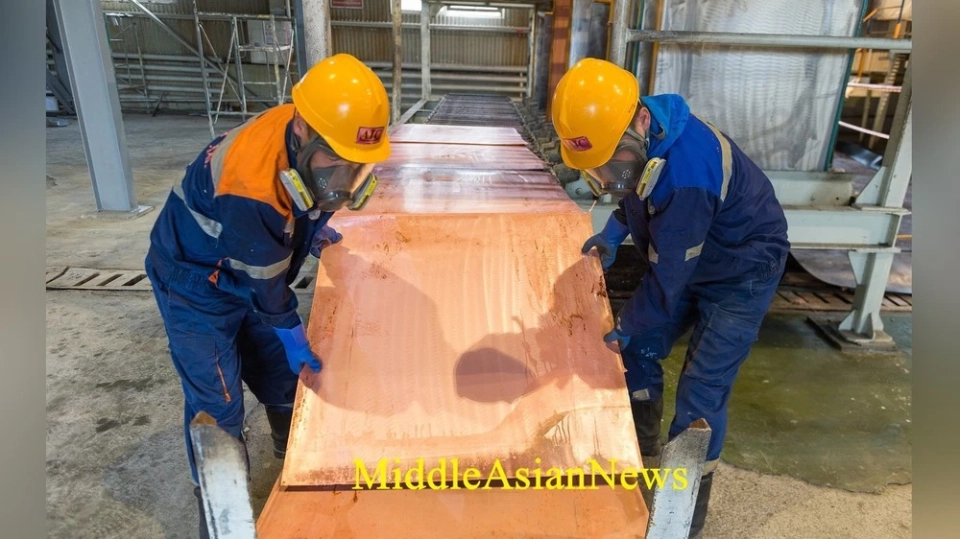
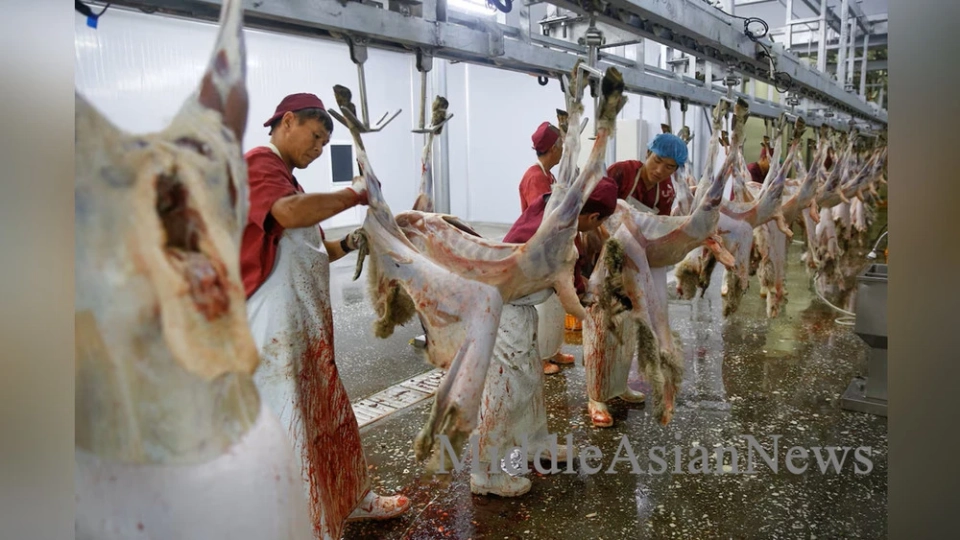
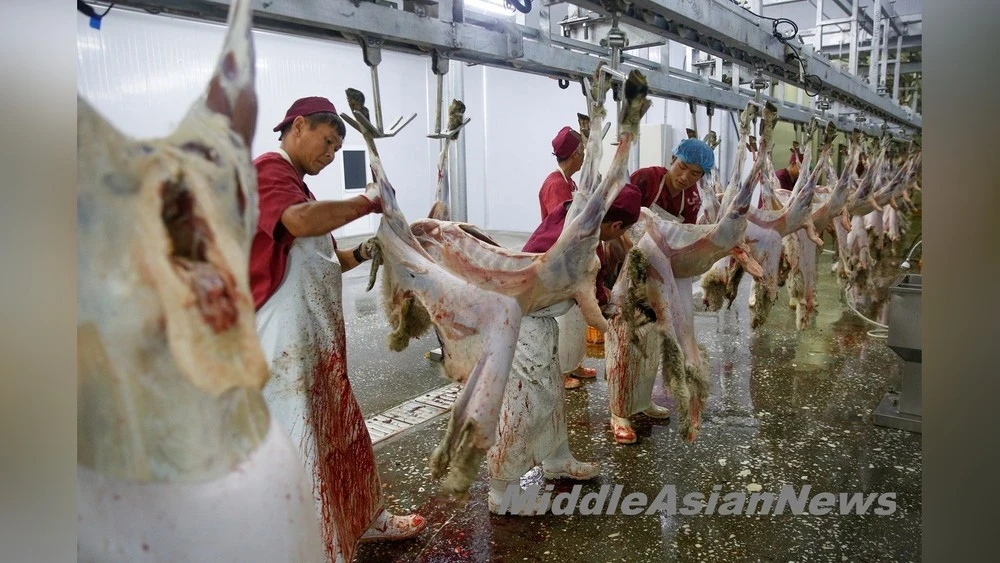
The manufacturing industry also saw growth in the production of key goods such as water, beverages, and juices, metal casting, lime, cashmere knitwear, and cement, which increased year-on-year from 1.8 to 4.2 times. At the same time, the production of vodka, liquid milk, flour, pure alcohol, copper cathodes, cigarettes, and meat decreased by 1.5%, totaling 60.4%.
According to preliminary data for January, the volume of sales in the industrial sector amounted to ₮8 trillion, which is ₮4.6 trillion (2.4 times) higher than the figures for the same period last year. The main contribution to this growth came from the mining sector, where sales increased by ₮4.4 trillion (2.8 times).
In January, Mongolia exported industrial products worth ₮6.4 trillion, of which ₮6.3 trillion came from the mining and quarrying sector.
In the structure of mining product exports, coal accounted for 26.5%, metallic ores for 71.7%, crude oil for 0.9%, and other mineral products for 0.9%.