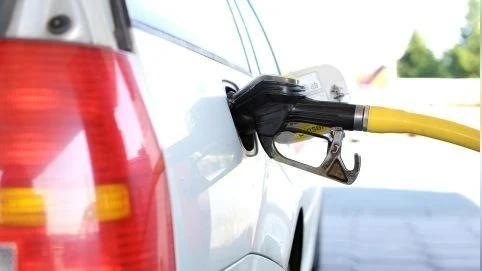
Starting from April 1, new rules have been introduced in Turkmenistan regarding the volume of diesel fuel allowed for export from the country in vehicles. The maximum permissible volume is 300 liters, and for each liter exceeding this limit, an additional fee will need to be paid. This was reported by turkmen.news.
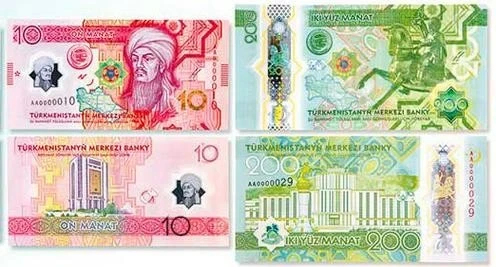
This decision was recorded in a decree by President Serdar Berdymukhammedov, which was signed on March 30. According to the new decree, drivers will have to pay 20 manats (approximately $1 on the black market) for each liter of fuel exceeding the limit.
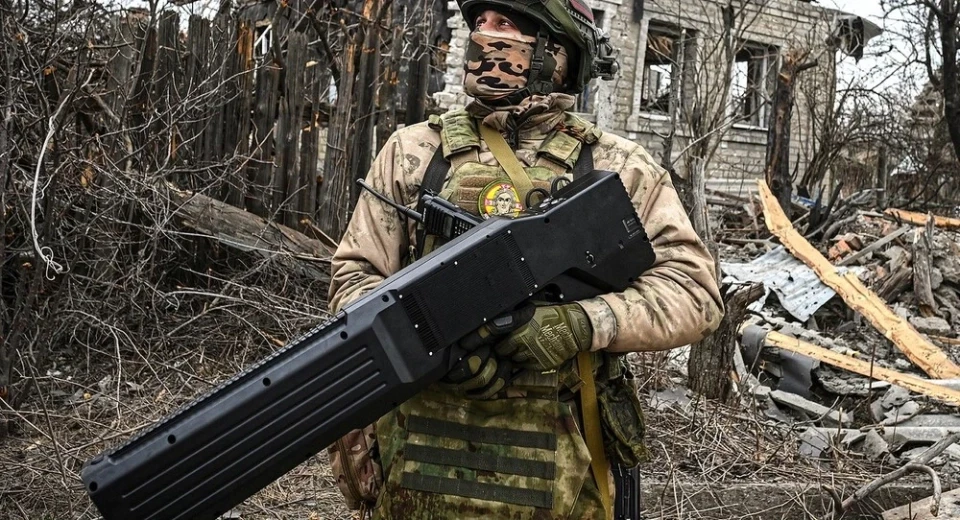
The restrictions will primarily affect freight transport. The control over the enforcement of the new rules has been assigned to the State Border Service, the State Customs Service, and the state concern "Turkmenneft." Specialists from the main department Türkmennebitönümleri will conduct measurements at border crossing points.
According to internal instructions that have become known to turkmen.news, when exiting at customs, the volume of fuel in the tank of each vehicle will be measured, with data recorded in an electronic accounting system. If the limit is exceeded, the driver will be issued two receipts: one for themselves and another for the bank to pay the duty. All measurements will be recorded in a separate accounting book, and measures are also provided to prevent fraud and corruption.
The publication emphasizes that issues with corruption in the distribution of fuel remain relevant in Turkmenistan. The official price of diesel fuel is 1 manat (about $0.05) per liter, which is significantly lower than in other countries. For comparison, in the summer of 2025, the price of diesel fuel in Uzbekistan was around $1 per liter, in Kazakhstan — $0.6, and in Russia — $0.9.
The price difference contributes to the illegal export of fuel beyond the country's borders. Inside Turkmenistan, this creates a shortage: unofficial limits on fuel dispensing are often imposed at gas stations, and exceeding the norms requires additional payments — up to 200% of the established price.
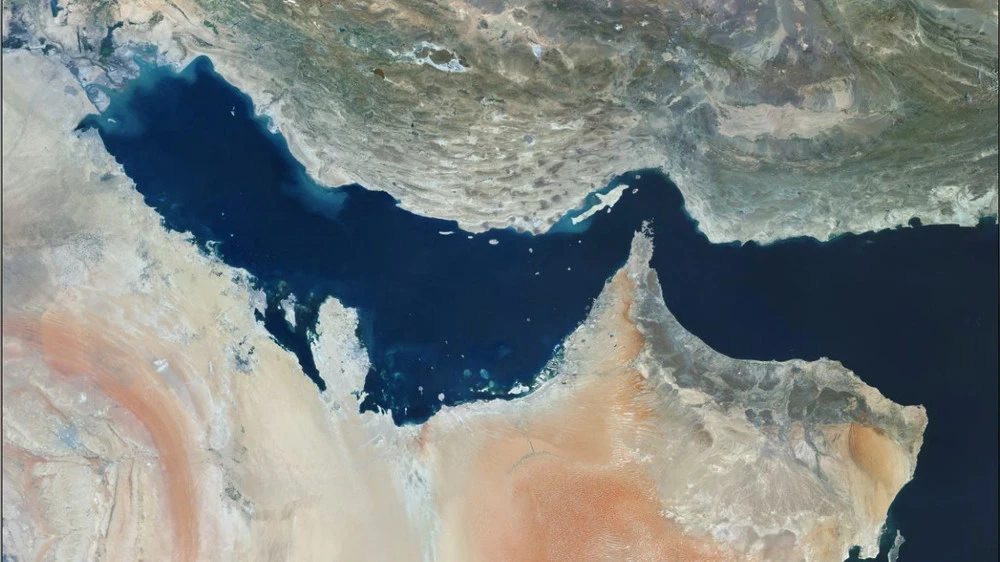
The new measures are also related to changes in the global fuel market. The escalation of conflict between the USA, Israel, and Iran, as well as the blockade of the Strait of Hormuz, an important route for oil and gas exports, have led to a sharp increase in fuel prices. For example, in the last month, diesel prices in the UAE have increased by 70%, and in the USA — by 50%.
Against this backdrop, the difference between domestic prices in Turkmenistan and global prices has become even more noticeable — approximately 25 times, which increases the incentives for the illegal export of fuel.
Previously, similar restrictions were introduced in other countries in the region. In Kazakhstan, a complete ban on the export of petroleum products was established in the fall of 2025 (which will remain in effect until May 2026), but there is no limit on the volume of fuel in tanks. Russia also introduced a complete ban on the export of petroleum products starting April 1, which will remain in effect at least until July 31.