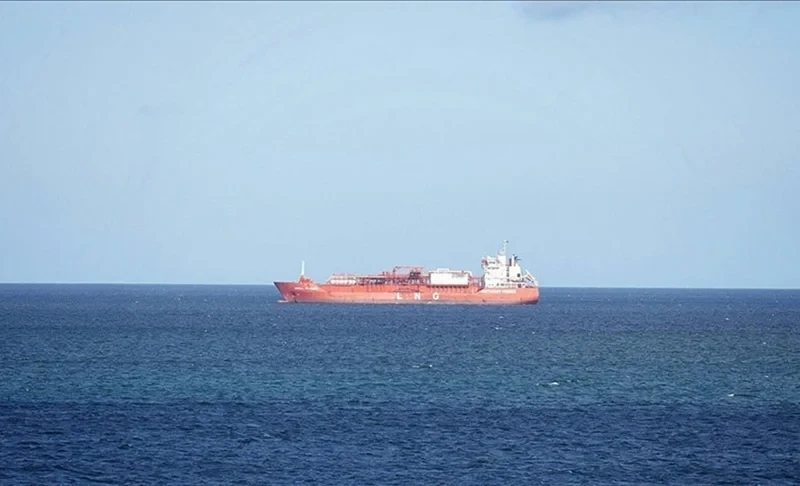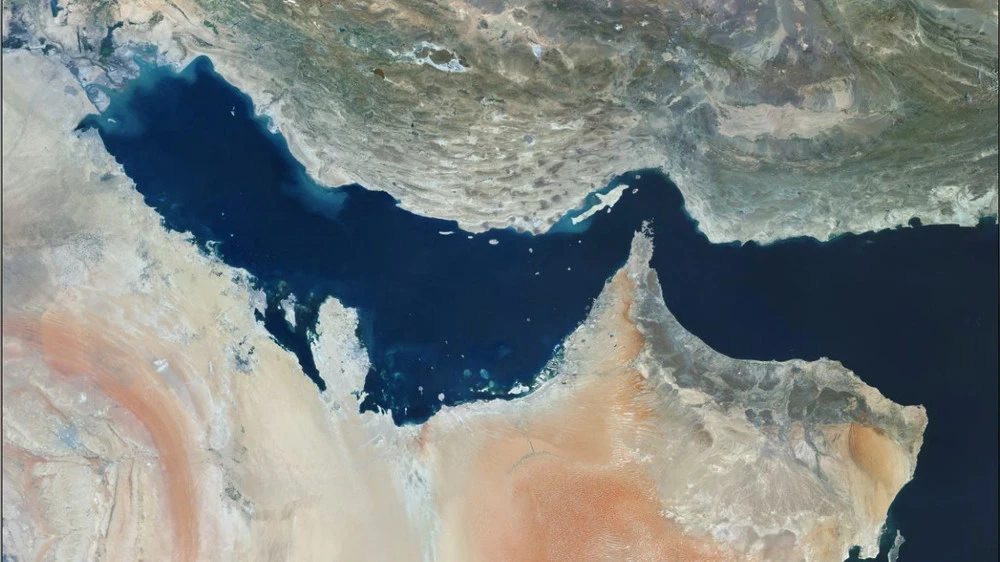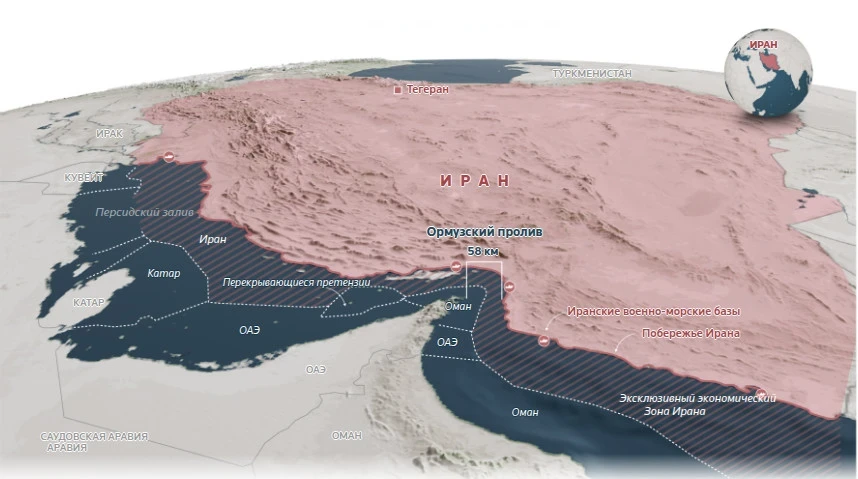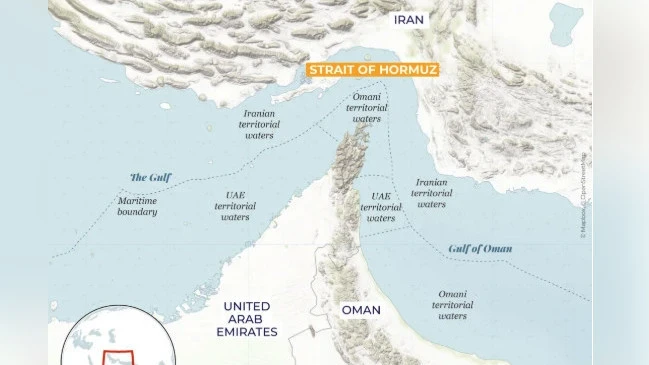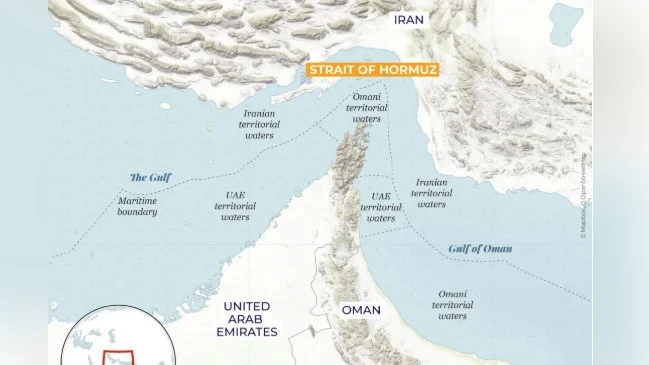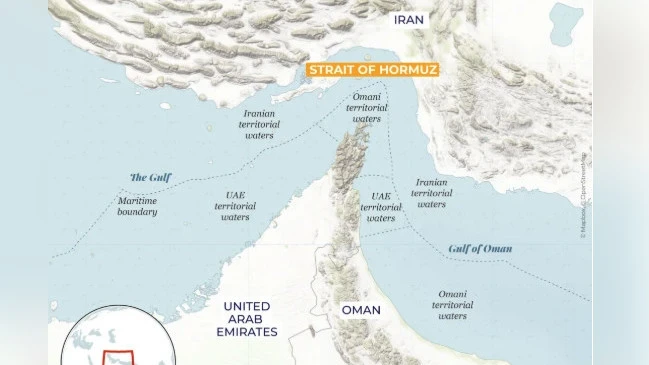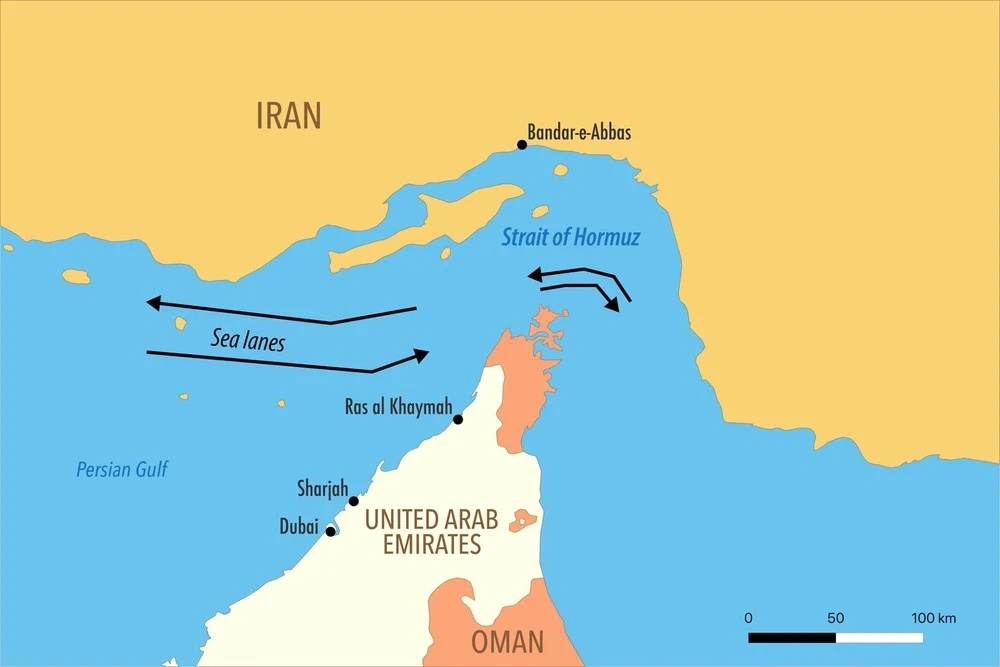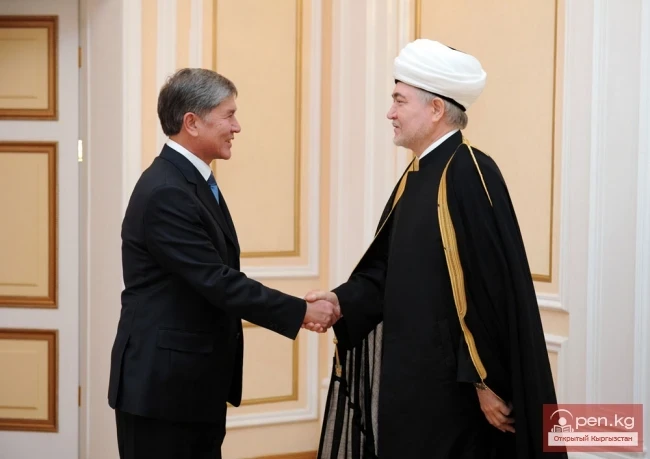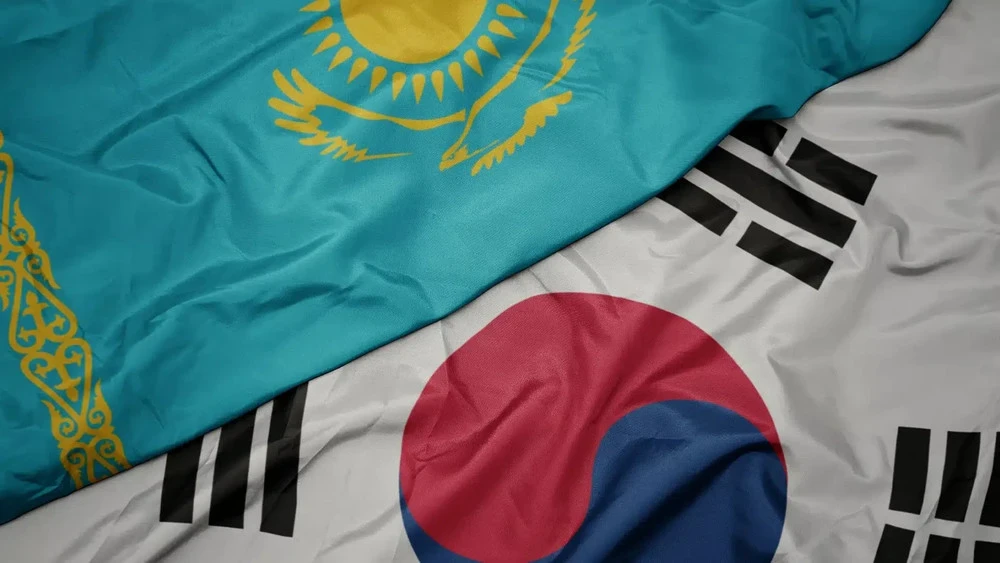
The head of the South Korean presidential administration, Kang Hoon-sik, will travel to Kazakhstan and several other oil-rich countries to organize oil supplies. This step has become necessary due to transit issues through the Strait of Hormuz, which have arisen as a result of the conflict with Iran, Reuters reports.
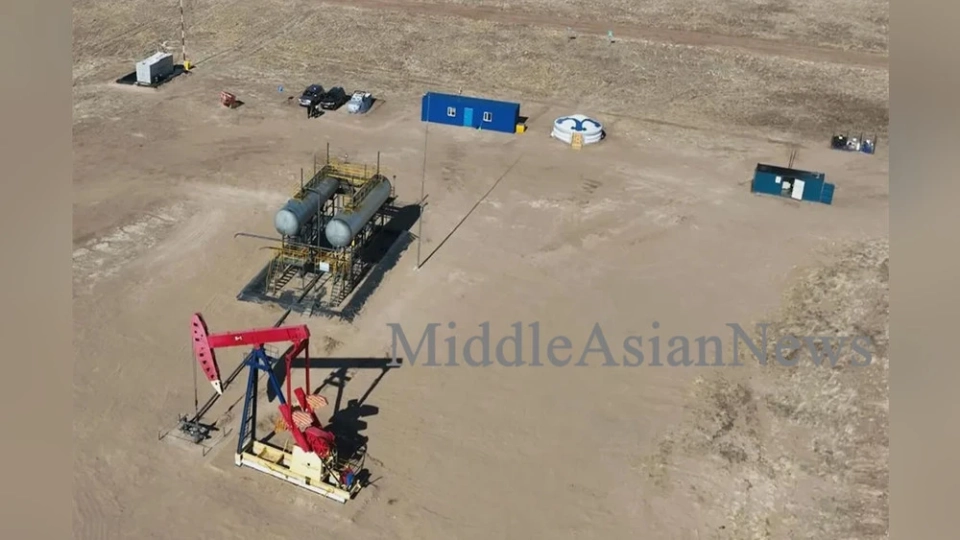
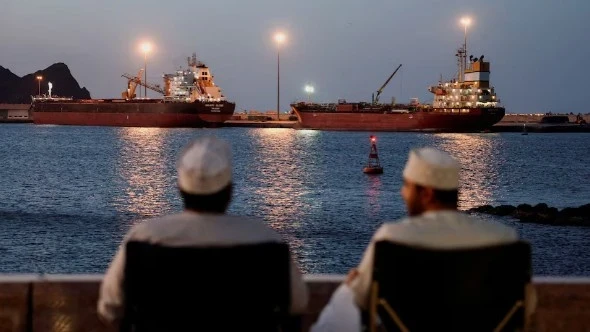
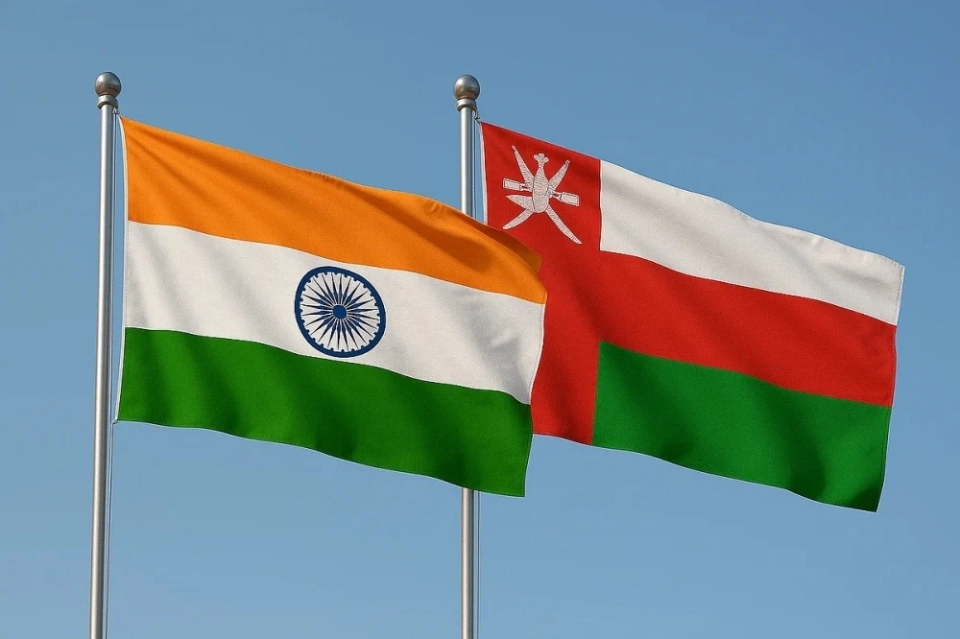
Kang, acting as a special representative of President Lee Jae-myung, plans to hold talks in Astana regarding the supply of crude oil and petroleum products for the chemical industry. His itinerary also includes Saudi Arabia and Oman, where he intends to meet with government representatives, oil companies, and shipping operators to explore alternative fuel delivery routes.
Currently, South Korea is 61% dependent on oil imports through the Strait of Hormuz, which is facing transit difficulties. In March, Korea managed to reach an agreement for the supply of 24 million barrels of oil from the United Arab Emirates. Kang noted that the main focus will be on establishing long-term supplies.
In response to the current difficulties, energy-saving measures are already being implemented in the country, calling on both ordinary citizens and businesses to participate.
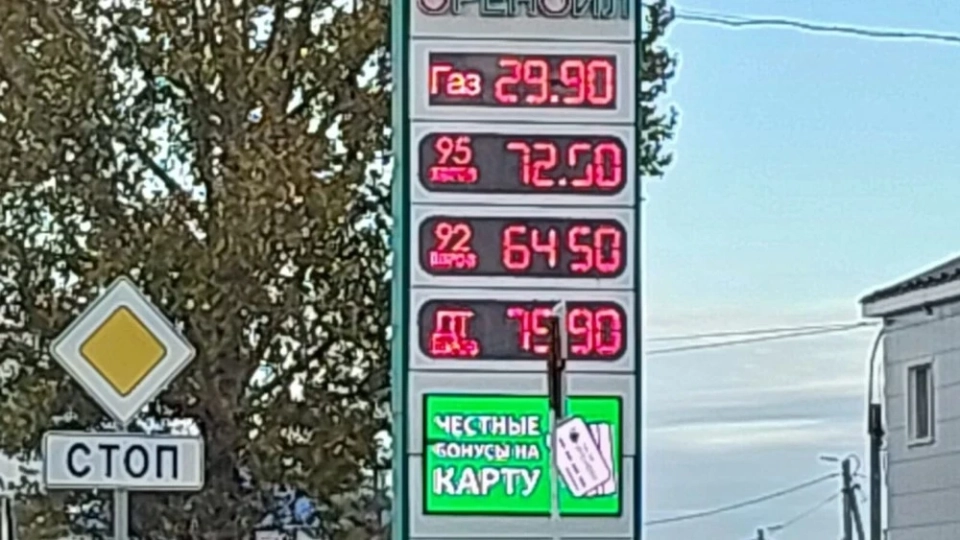
At the same time, European media report that the EU is preparing for a possible crisis and the need to conserve fuel. Proposals are being considered in Brussels to tighten controls on air conditioning temperatures, encourage remote work, introduce fuel rationing, and impose restrictions on air transport. Since the beginning of March, gasoline prices in Europe have risen by 70%.
It is worth noting that Iran has established new rules for transit through the Strait of Hormuz, dividing countries into "friendly," "hostile," and "neutral." The latter will be prohibited from passage, which could significantly impact the global market, as this strait previously accounted for 20% of all oil shipments.