In the agency, it was emphasized that while the network provides opportunities for learning, communication, and personal growth, it is also used by various groups and individuals to attract teenagers to radical ideas, including terrorism and extremism.
- The process of remote radicalization involves gradually convincing teenagers to adopt dangerous views through social networks, messengers, and specialized websites, which can ultimately lead to a change in their worldview and justification of violence.
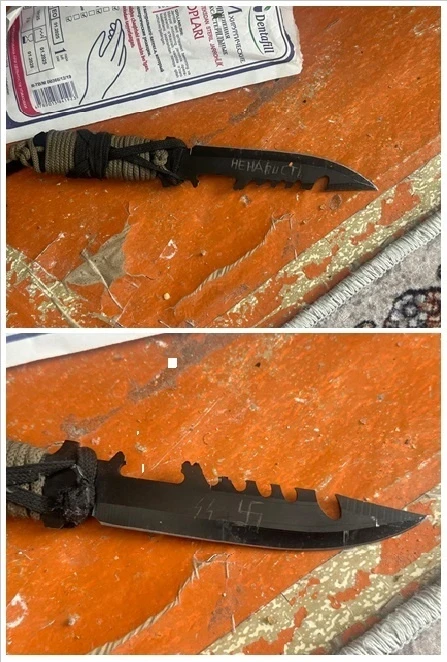
According to the SCNS, many minors are learning online how to create homemade explosive devices and may receive calls for attacks on law enforcement representatives. Such actions, including preparation for them, are classified in Kyrgyzstan as serious crimes and entail criminal liability.
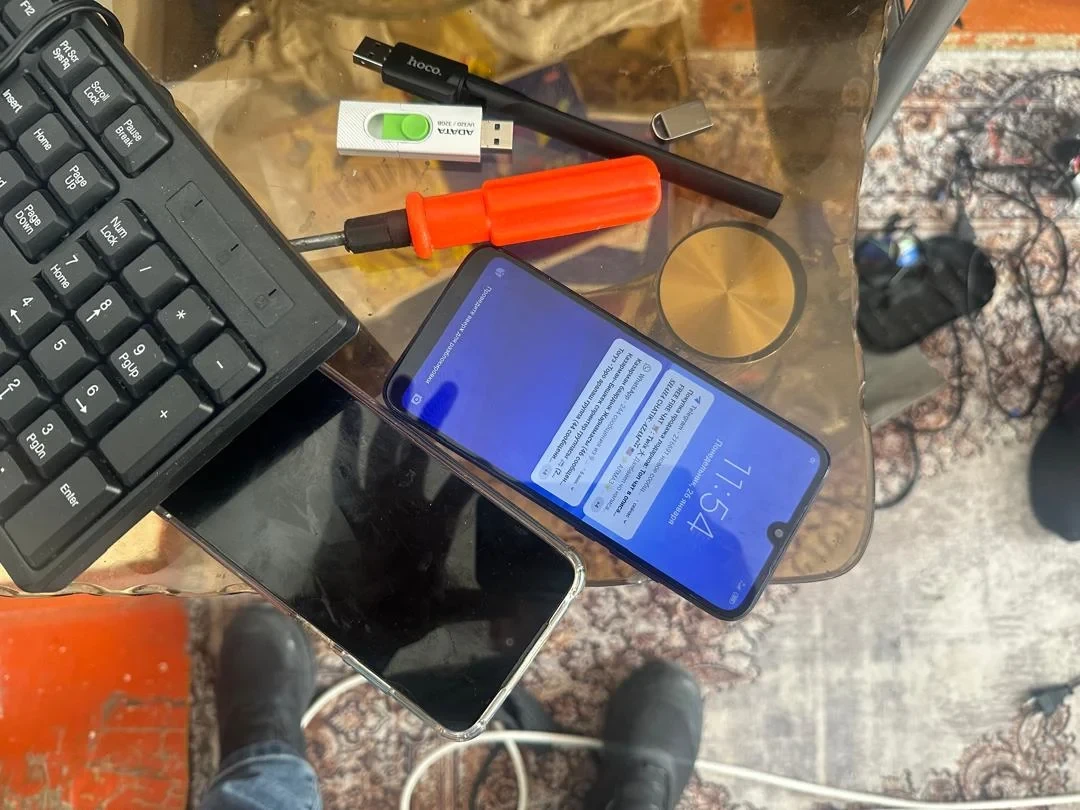
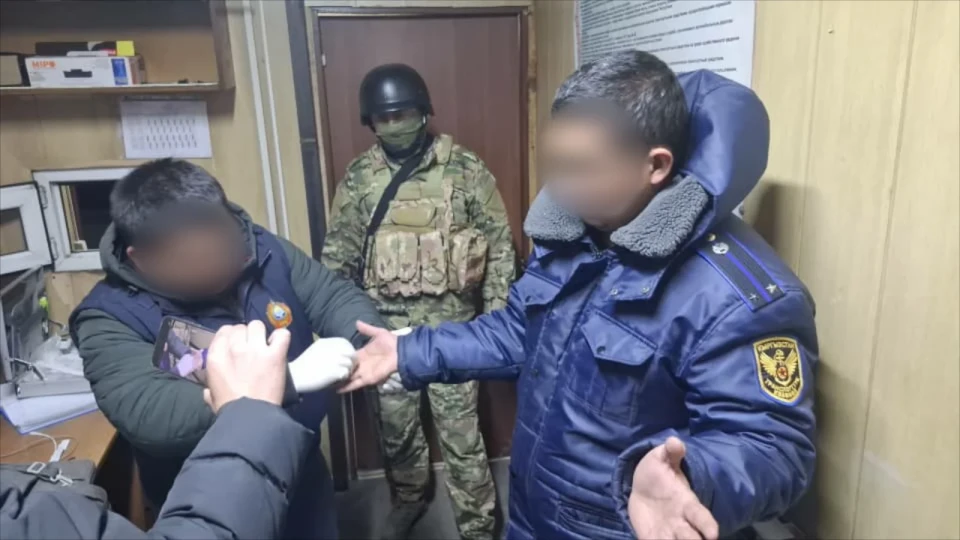
"In the past six months, the SCNS has recorded several cases of the radicalization of teenagers, where members of terrorist organizations recruited them via the internet. Some of those detained were at the stage of preparing a terrorist act, studying instructions for making homemade explosive devices, while others were arrested already at the stage of their production. These phenomena pose a serious threat to the stability of the state, society, and national security," the SCNS noted.