She noted that the main tasks of emergency measures include:
- reducing the number of both severe and less severe patients seeking hospitalization;
- accelerating the expansion of capabilities for both outpatient and inpatient treatment;
- ensuring effective interagency management of crisis situations during the seasonal rise of ARVI.
According to the expert, achieving these goals requires a comprehensive approach at the level of the government, the Ministry of Health, and the Mandatory Health Insurance Fund:
1. Introduction of a state of heightened readiness: this will allow for the rapid mobilization of reserve funds, simplify procurement procedures, and mobilize resources from other agencies.
2. Emergency funding: it is necessary to allocate funds from the Development Fund or the reserve fund for:
- urgent procurement of medications (including antiviral drugs, antibiotics according to protocols, and infusion solutions) and personal protective equipment;
- payment for overtime work of medical personnel;
- development of mobile medical infrastructure.
3. A decision on the temporary closure of educational institutions (schools, kindergartens, universities) in Bishkek and nearby areas, which will help break the chains of infection transmission, following the example of pandemic practices.
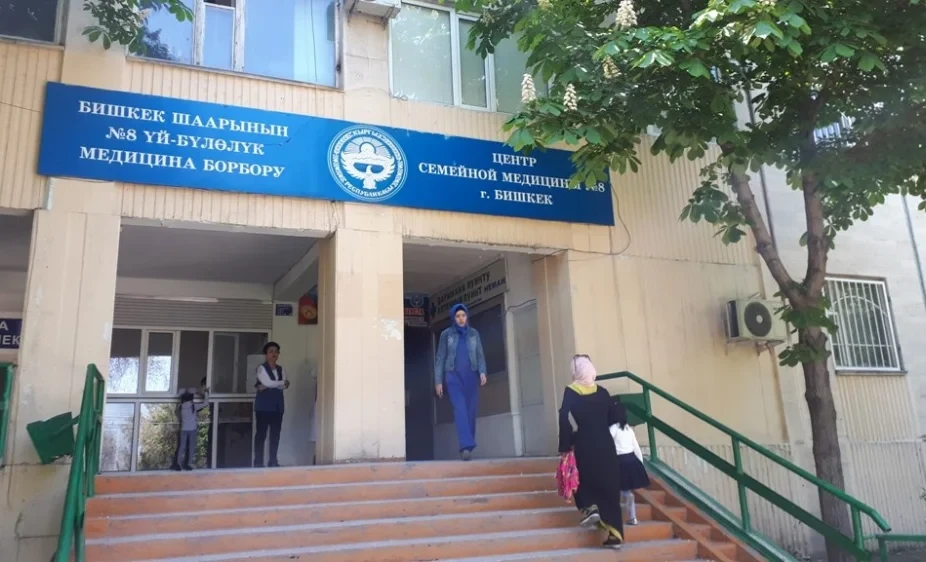
Bermet Bariktabasova also emphasized the importance of strengthening primary healthcare (PHC) rather than weakening it. She points out that enhancing PHC and early home treatment according to protocols reduces the risk of hospitalization and complications. The expert believes that doctors should not be taken from clinics; instead, "flu/ARVI treatment rooms" should be established based on family medicine centers and rural outpatient clinics operating seven days a week. Additionally, some specialists (such as pediatricians, ENT doctors, and therapists) should be transferred to enhanced duty in these rooms, and teleconsultations should be organized. She also recommended opening a hotline at 118, as was done during COVID-19.
Furthermore, the expert suggests implementing telemedicine consultations for remote support of mild patients, as well as canceling or postponing planned hospitalizations in children's and infectious disease hospitals and not transferring children between medical institutions (GDKBSMP, NCOMID, RKIB).
"During the epidemic season, preventive appointments should be canceled, for example, postponing the change of driver's licenses until the end of the epidemic, and conducting prenatal appointments online. Only those who truly need to be seen should be invited for appointments. Separate entrances should also be organized for healthy children coming for scheduled vaccinations, and quality should be monitored by enhancing remote monitoring of ARVI cases at the PHC level," added Bermet Bariktabasova.
It is worth noting that there is a rise in ARVI and influenza cases in the country. In the past week, 42,500 cases have been registered. In Bishkek, the opening of additional hospital beds and mobile clinics is planned. To relieve the load on the emergency department of the city children's hospital, 10 pediatricians from the primary healthcare level will be temporarily assigned to the hospital.
Some kindergartens are closed for quarantine, and several schools have switched to online learning.