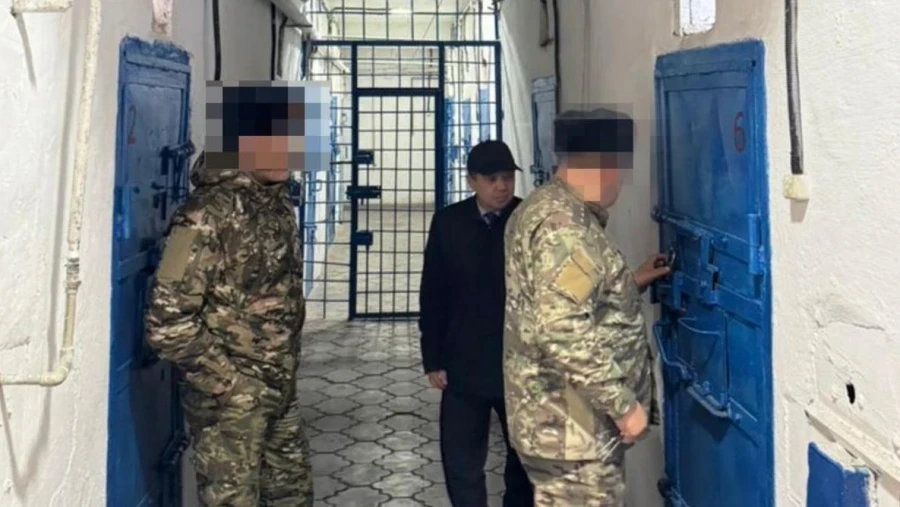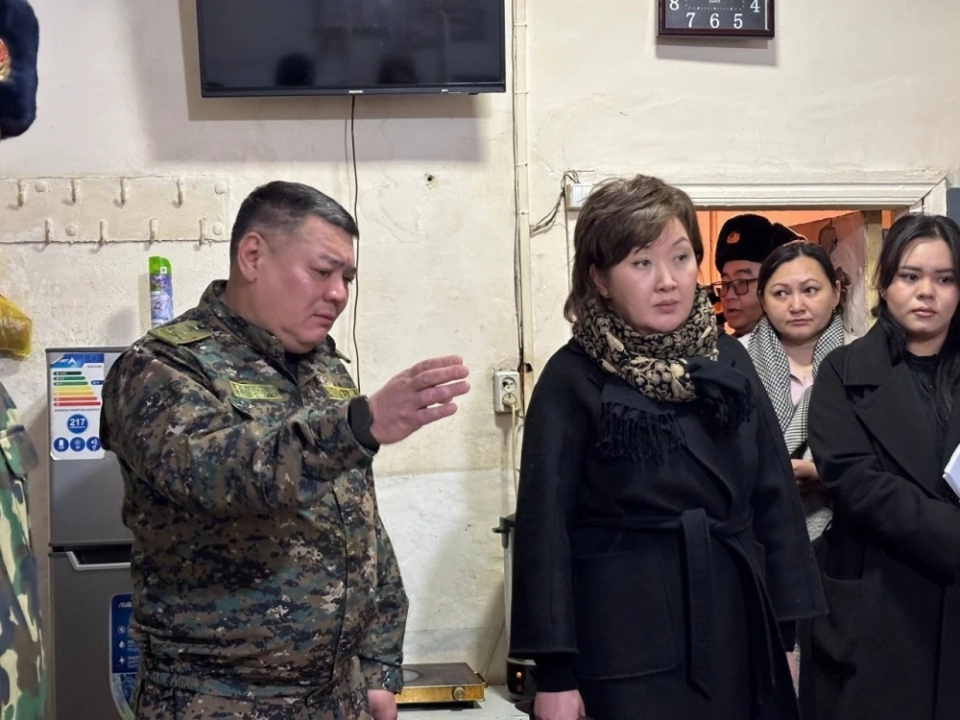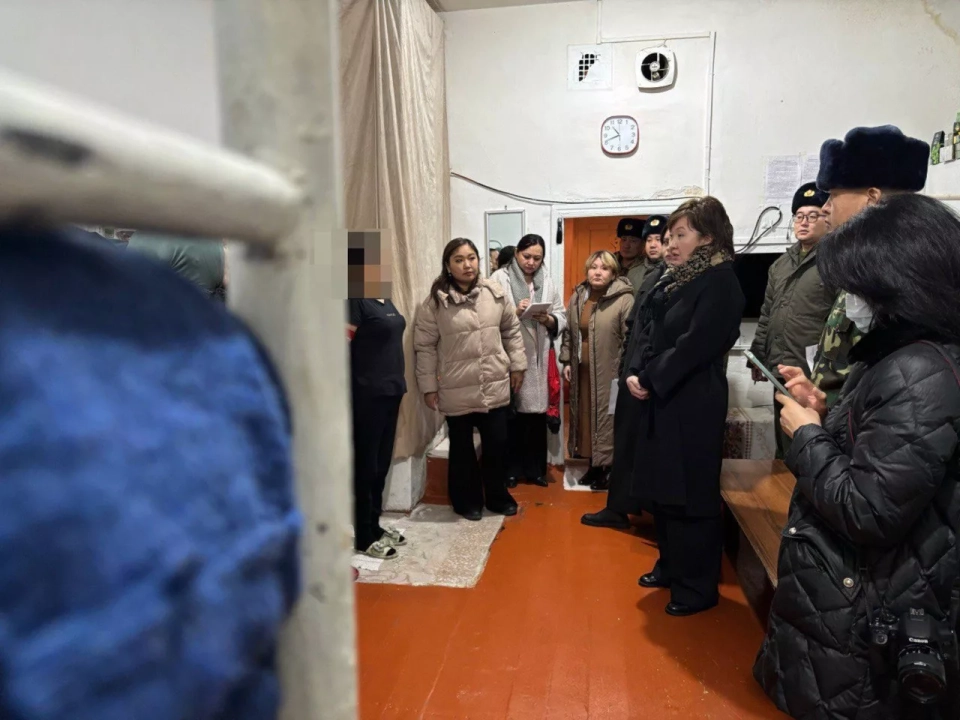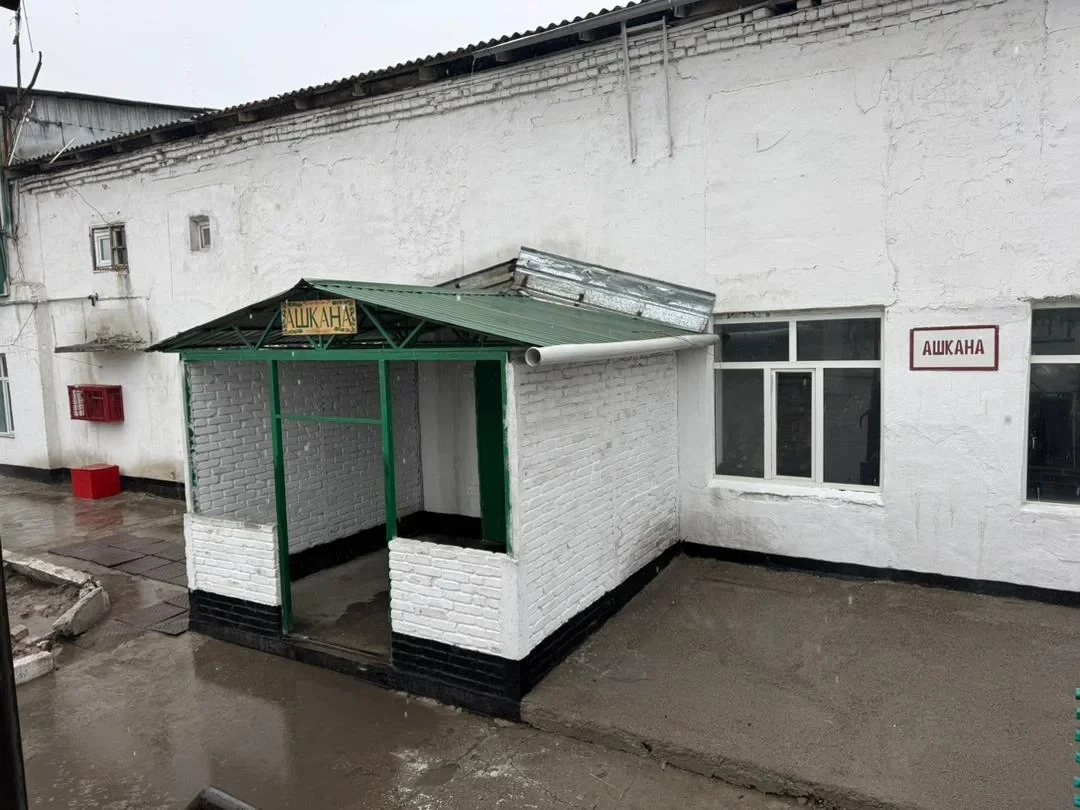
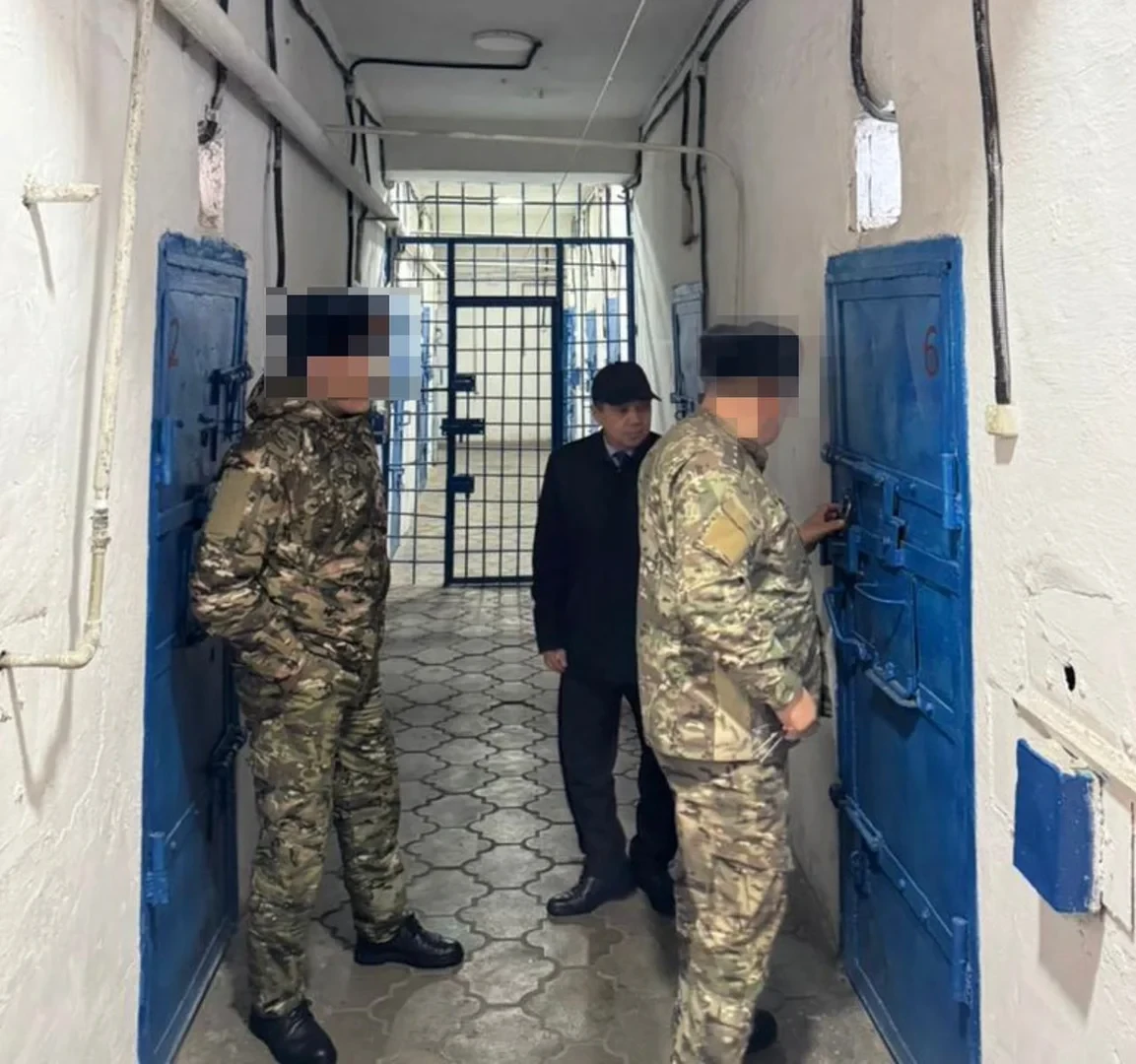
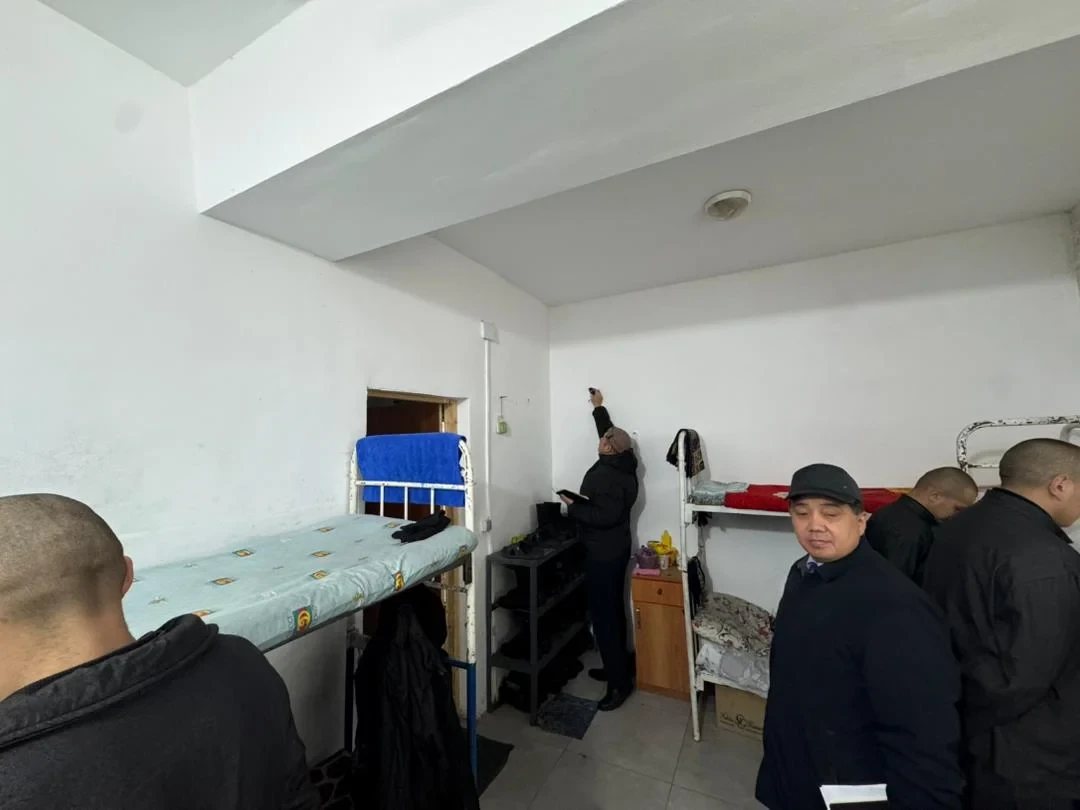
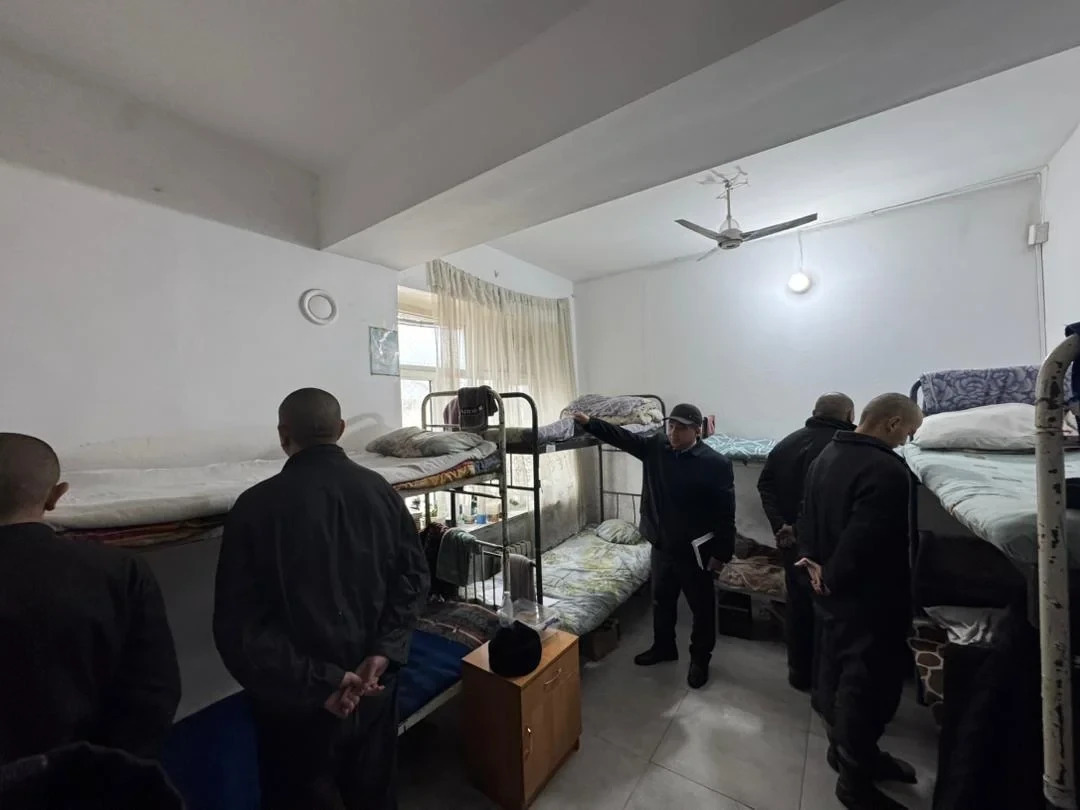
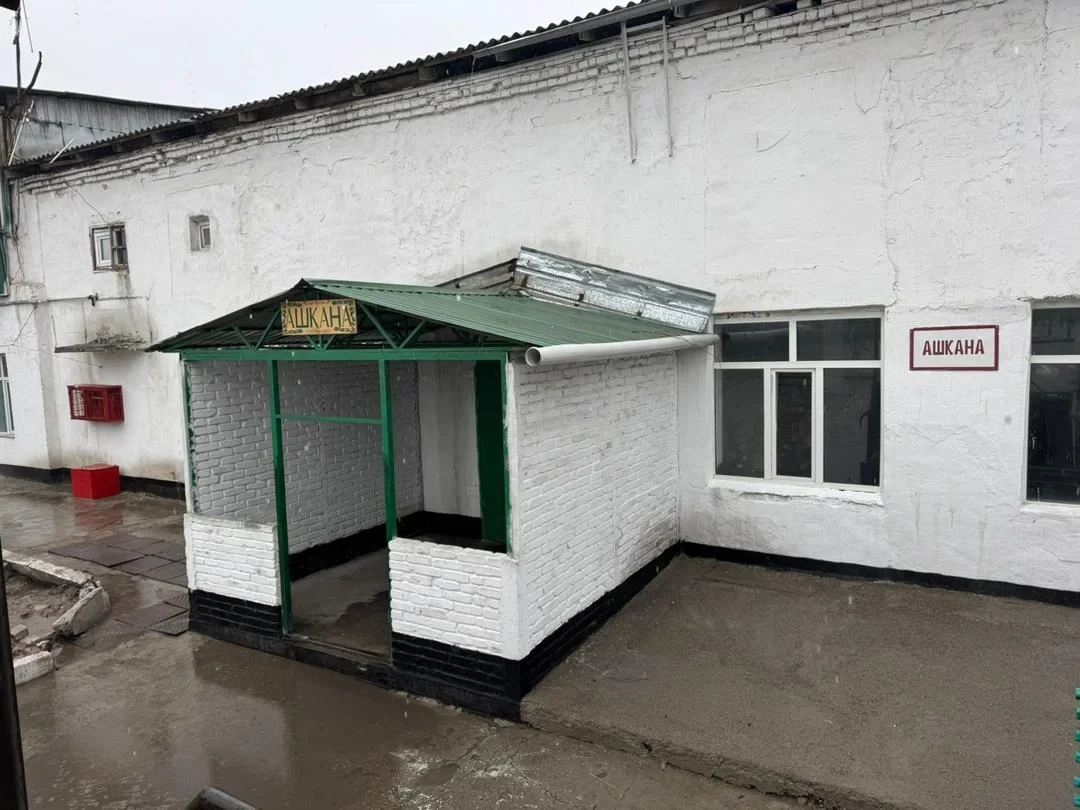
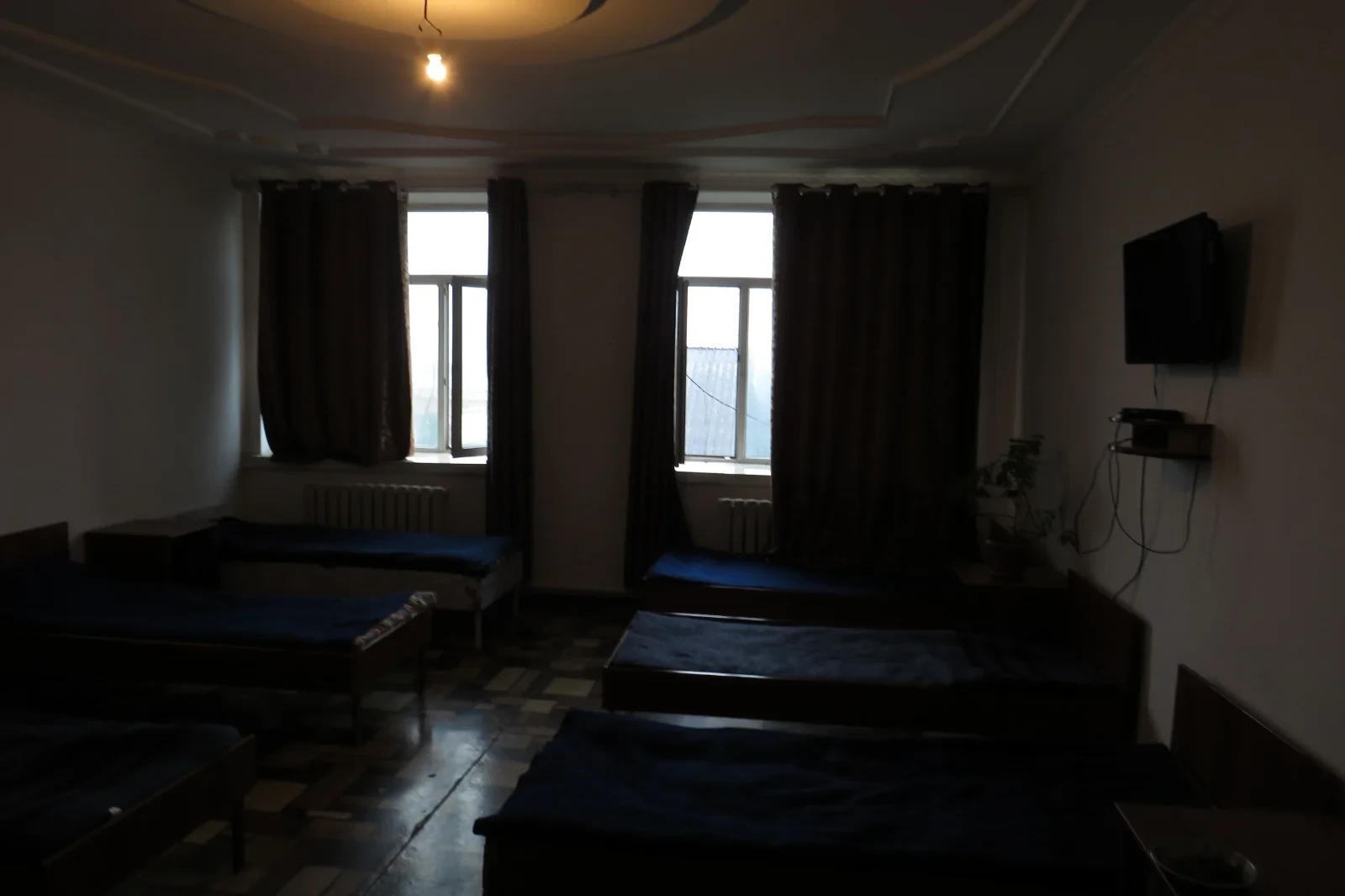
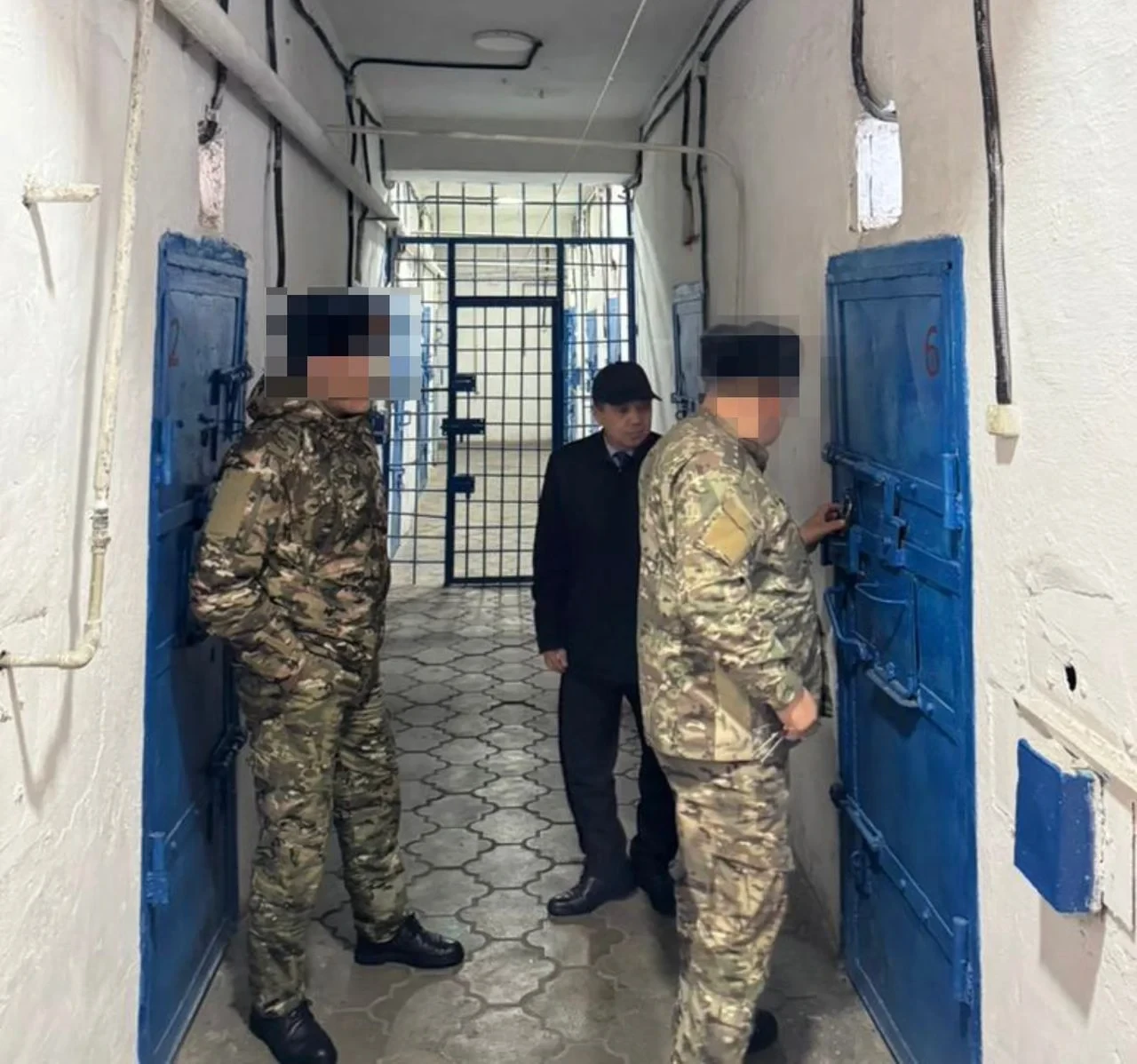
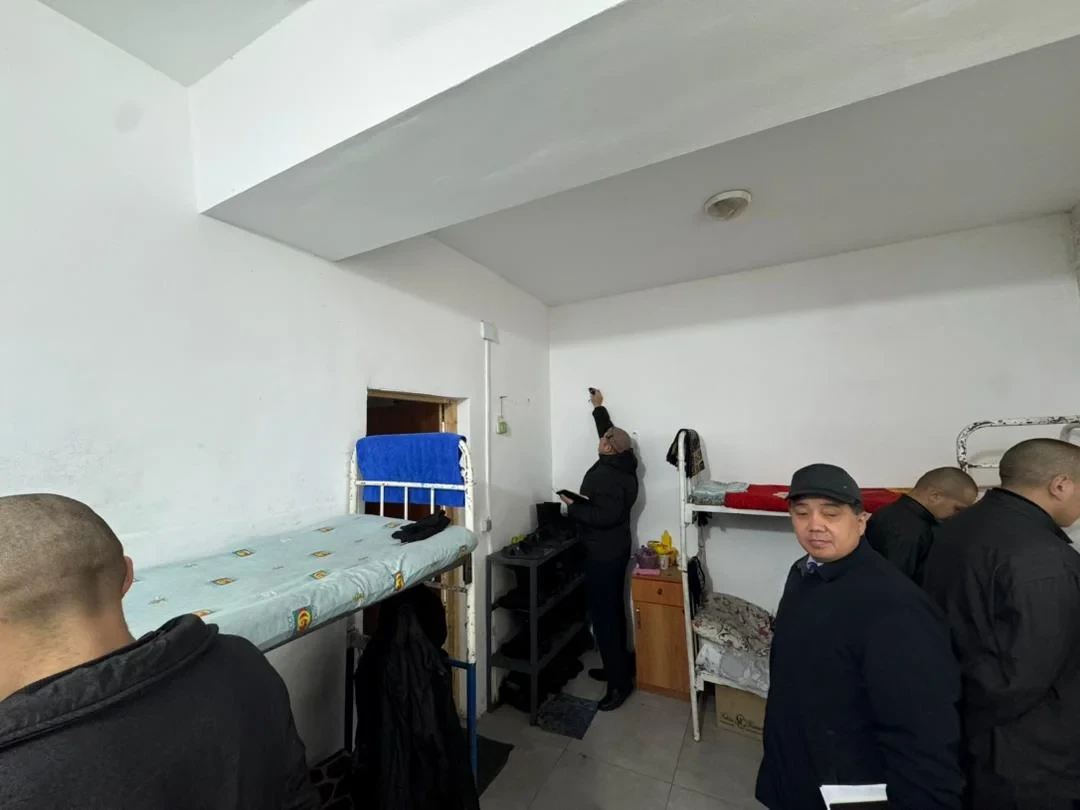
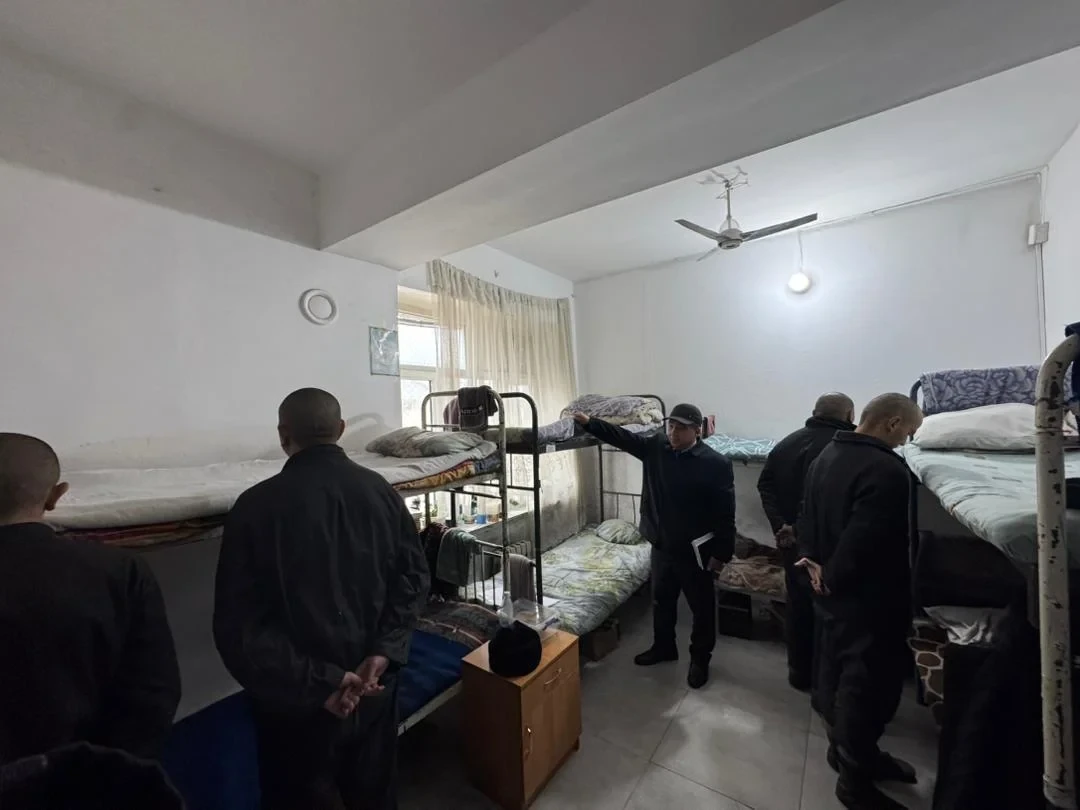
On February 26, the Ombudsman Institute conducted a monitoring of the conditions of detention in colony No. 27 of the State Penitentiary Service to check compliance with the rights of prisoners. Serious violations were discovered during the inspection.
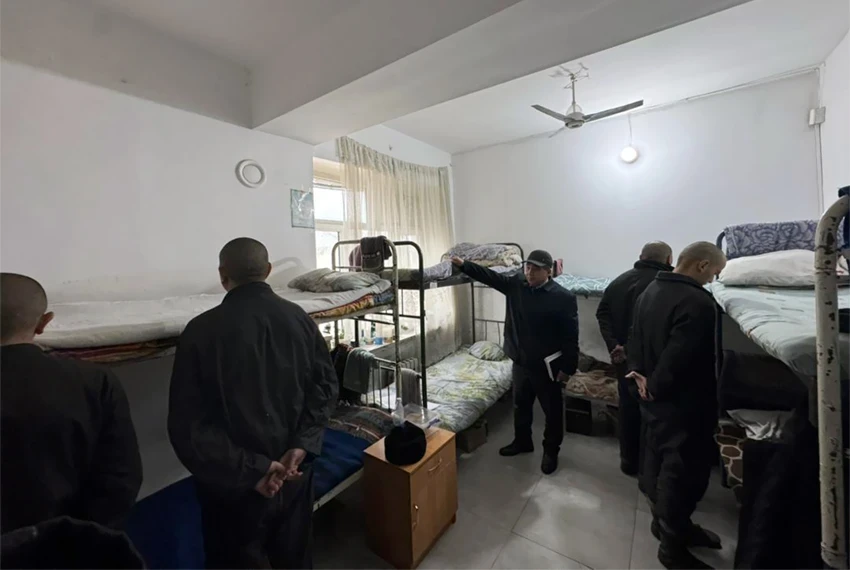
Currently, there are 1,102 prisoners in the facility, which exceeds the permissible norm. Notably, the area allocated per prisoner is significantly below the established limit.
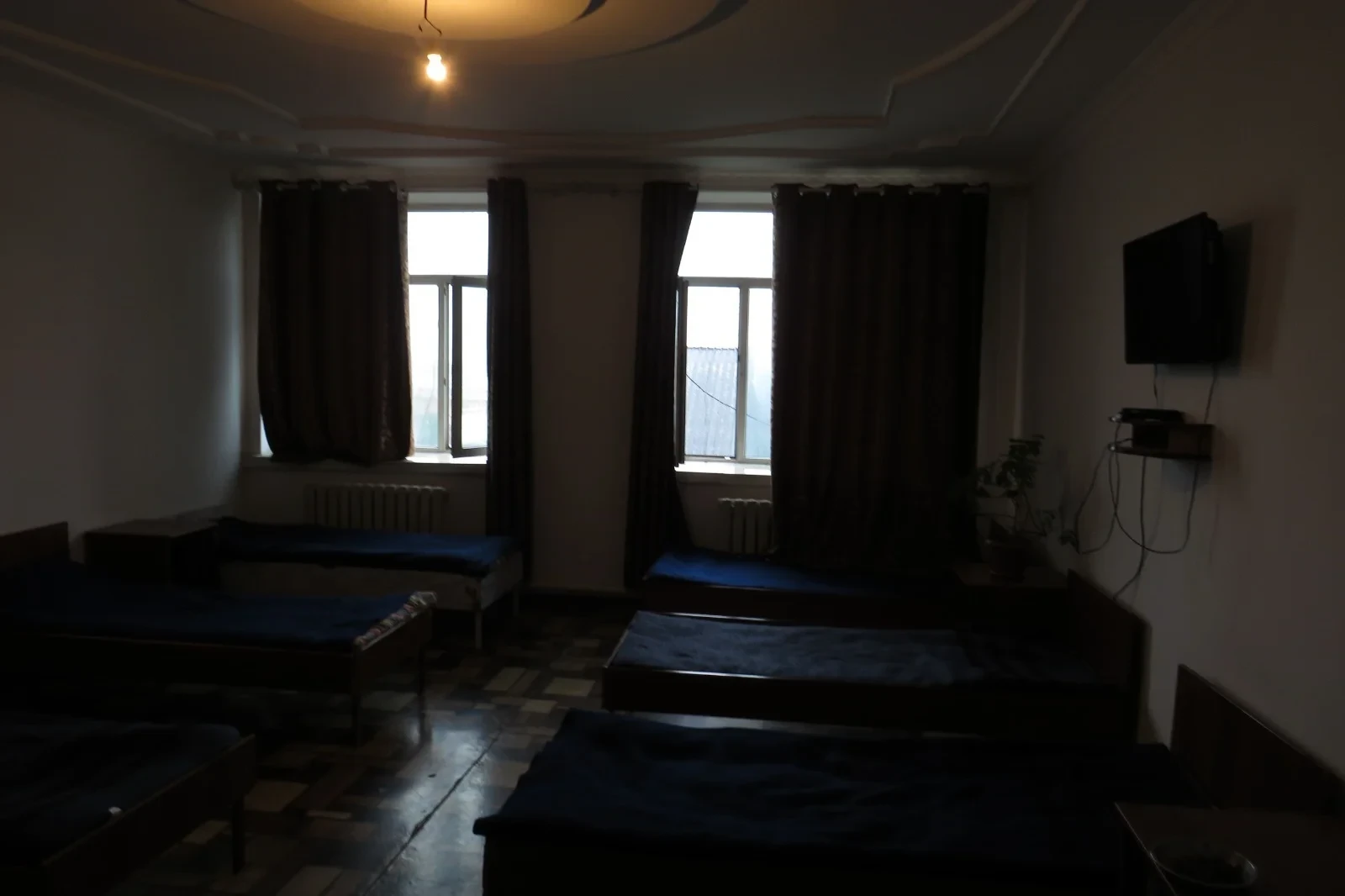
According to the requirements of Article 99 of the Criminal Executive Code of the Kyrgyz Republic, each prisoner must have at least two square meters of living space. However, in colony No. 27, this figure is only 1.6 square meters per person.
Representatives of the Torture Prevention Center, as well as law enforcement officials and Ombudsman Institute staff, inspected the barrack premises, which include two living rooms. For example, in one of the rooms of the first building, 10 prisoners live in an area of 16.5 square meters, while in another, 14 people are housed in 23.1 square meters. In the second building, 15 prisoners are accommodated in a room of 26.4 square meters, and another 10 people are in a space of 16.5 square meters.
It is important to note that until 2023, colony No. 27 was designed for 750 places; however, in 2026, this limit was increased to 2,000, and no additional living spaces were constructed.
According to the legislation, the maximum occupancy of the colony is determined based on the actual area of living quarters. The Ombudsman Institute sent recommendations to the State Penitentiary Service proposing to increase the living space in accordance with established requirements.
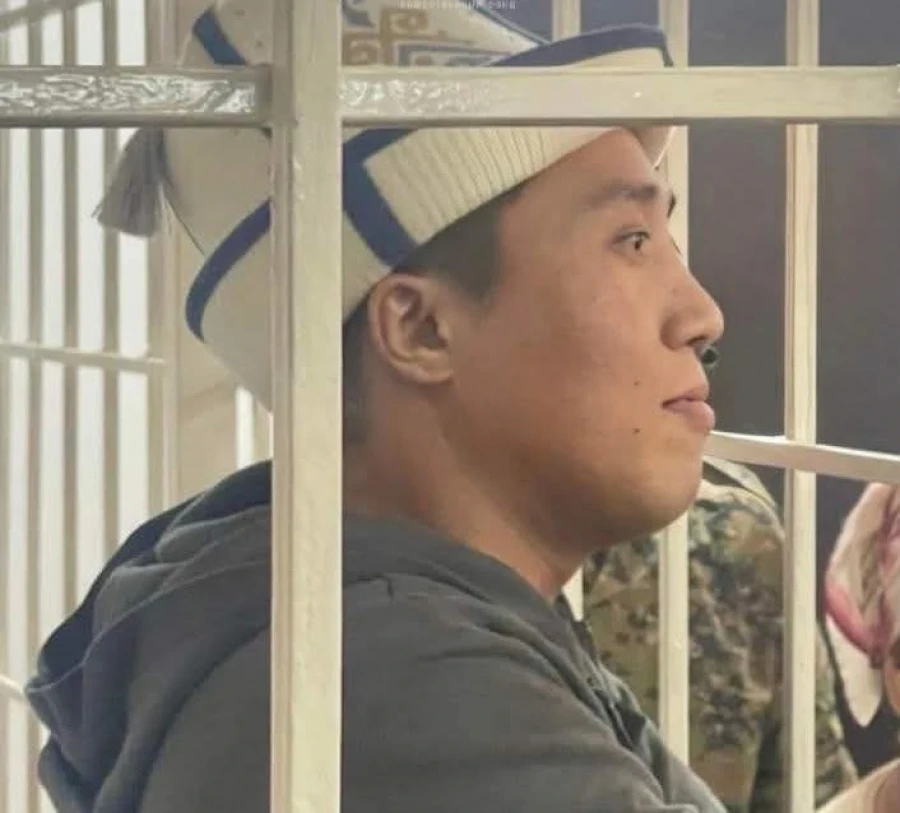
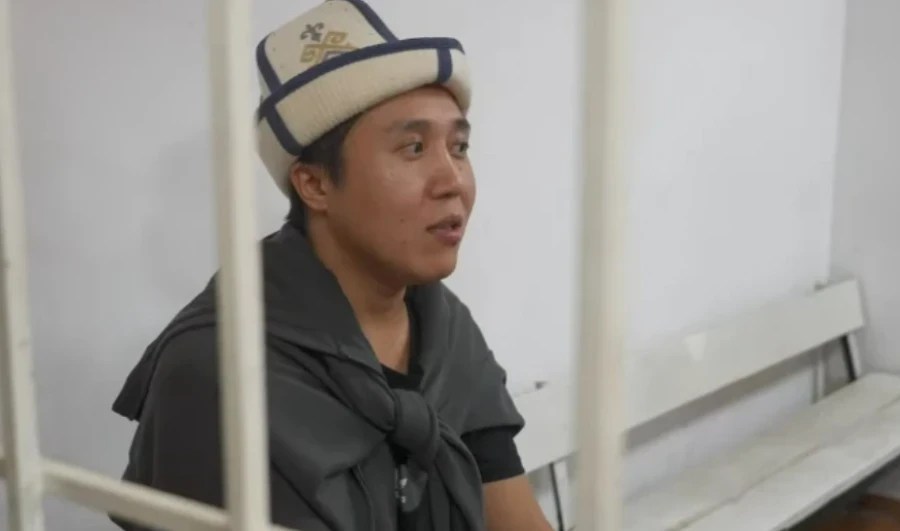
During the monitoring, the institute staff also held conversations with prisoners, resulting in three requests. One of the prisoners, a German citizen serving a 5-year sentence under Article 322 of the Criminal Code of the Kyrgyz Republic, requested that the German embassy be informed of his whereabouts. Another prisoner sought assistance in obtaining a pardon, noting that he had submitted a petition in December 2025 but was denied. The institute staff provided him with legal advice regarding the conditions for submitting a repeated petition for pardon, explaining that such a request is only possible after serving half of the imposed sentence or one year after the denial.