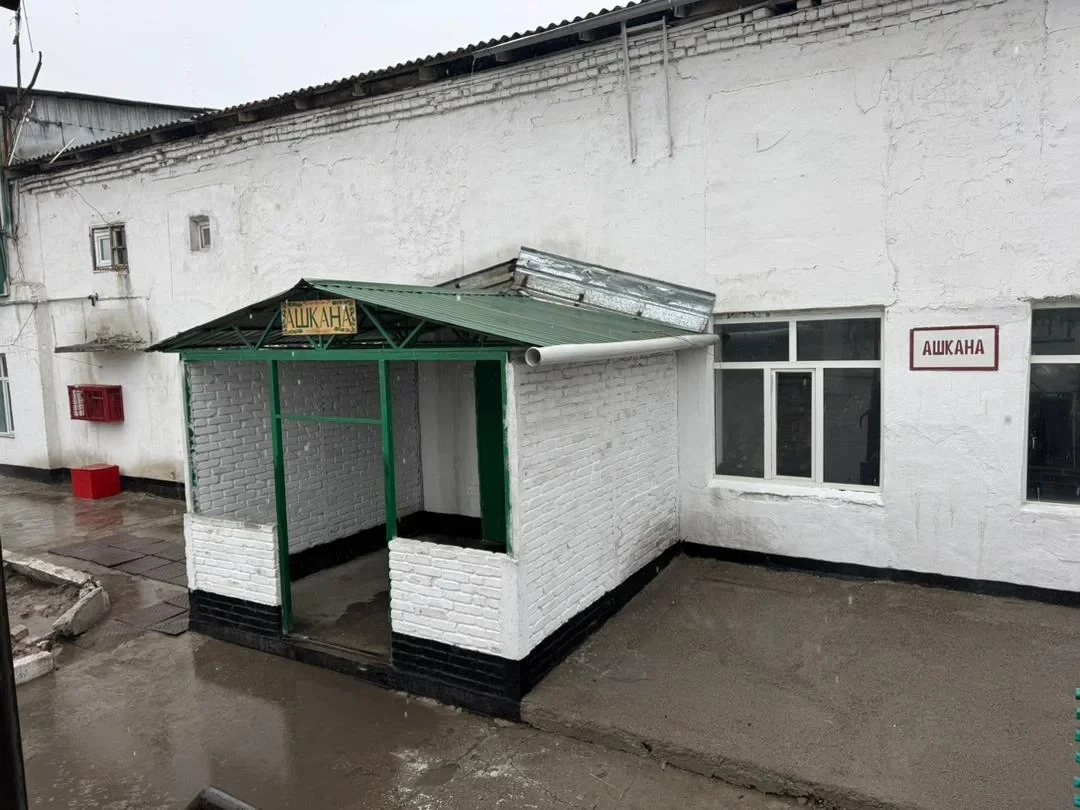
Currently, 1,102 inmates are serving their sentences in this institution.
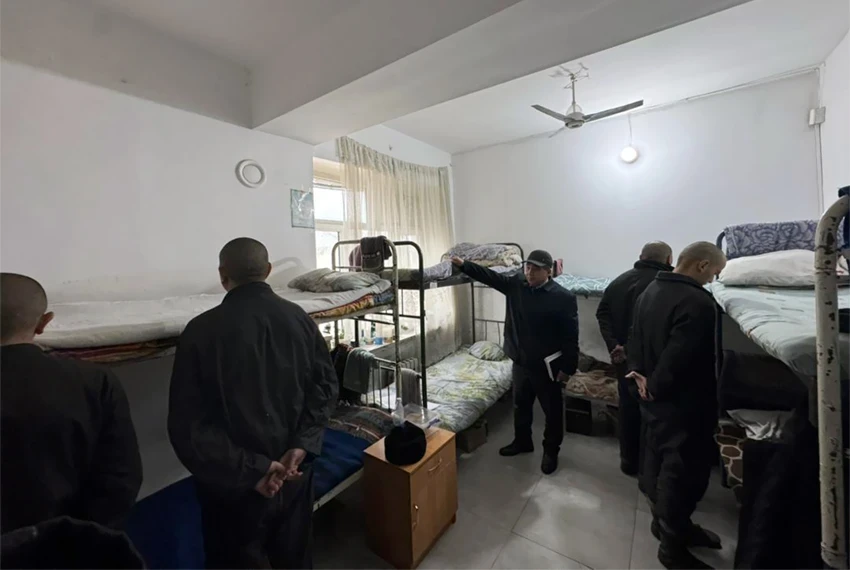
The main problem is the overcrowding of the colony, resulting in the living space per inmate being significantly below acceptable standards.
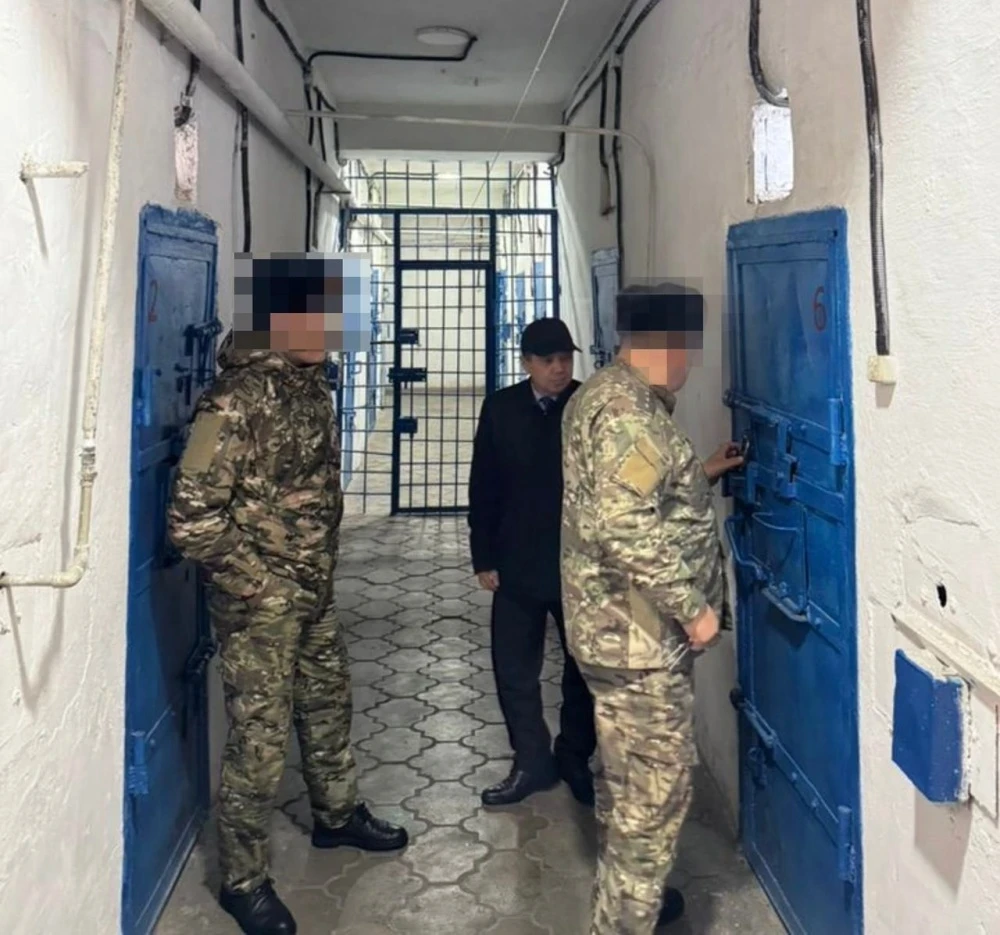
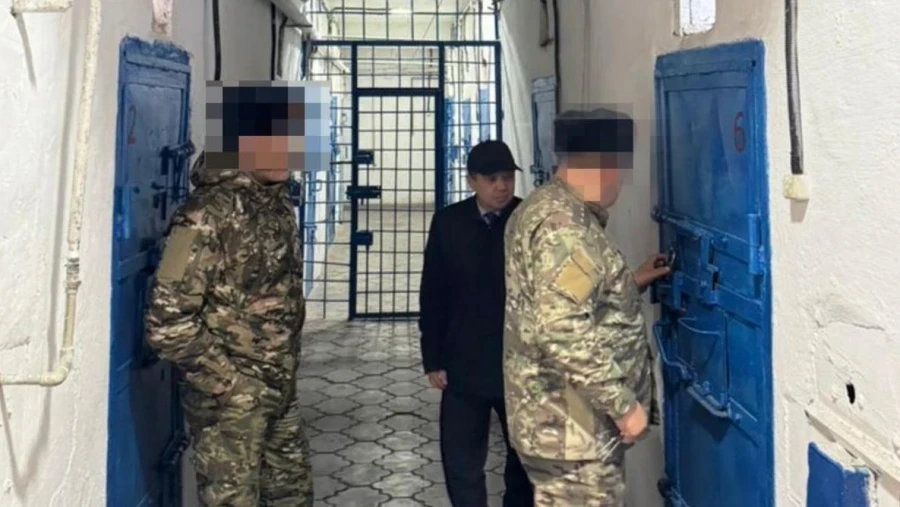
Specialists from the Torture Prevention and Human Rights Monitoring Center of the Ombudsman Institute inspected the living quarters of the barrack-type facilities, which consist of two rooms.
- In the first building, one room of 16.5 square meters accommodates 10 inmates, while another room of 23.1 square meters houses 14 people.
- In the second building, 15 inmates are in a room of 26.4 square meters, and in another room of 16.5 square meters, there are 10 people.
According to current legislation, the maximum occupancy rate of the colony depends on the actual area of living quarters.
The Ombudsman Institute sent recommendations to the State Penitentiary Service for improving living conditions in colony No. 27 in accordance with the requirements of the Criminal Executive Code of the Kyrgyz Republic.
As part of the monitoring, the institute's staff also communicated with the inmates, resulting in three statements being submitted.
One of the inmates, a citizen of Germany serving a five-year sentence under Article 332 of the Criminal Code of the Kyrgyz Republic, requested information for the German embassy regarding his situation.
Another inmate requested assistance in obtaining a pardon. He reported that he had submitted a petition for pardon in December 2025 but was denied.
The staff of the Ombudsman Institute provided him with legal assistance, explaining the procedure for submitting a repeated petition for pardon.
He was informed that a repeated request could be submitted after serving half of the sentence, and in the absence of new circumstances, one year after the denial.
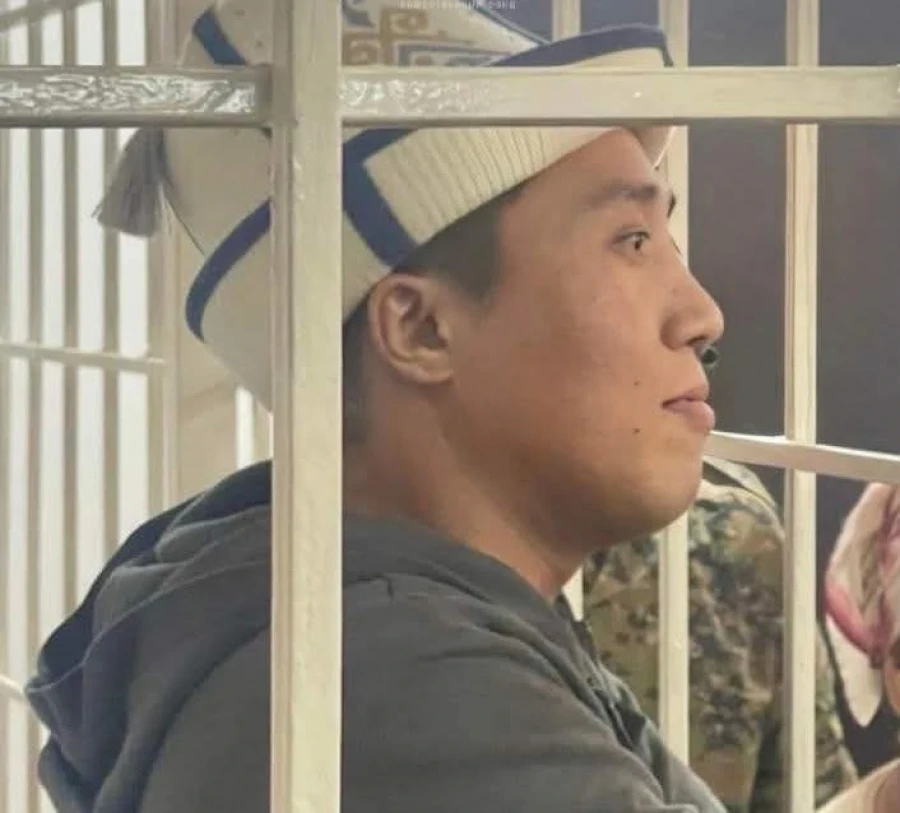
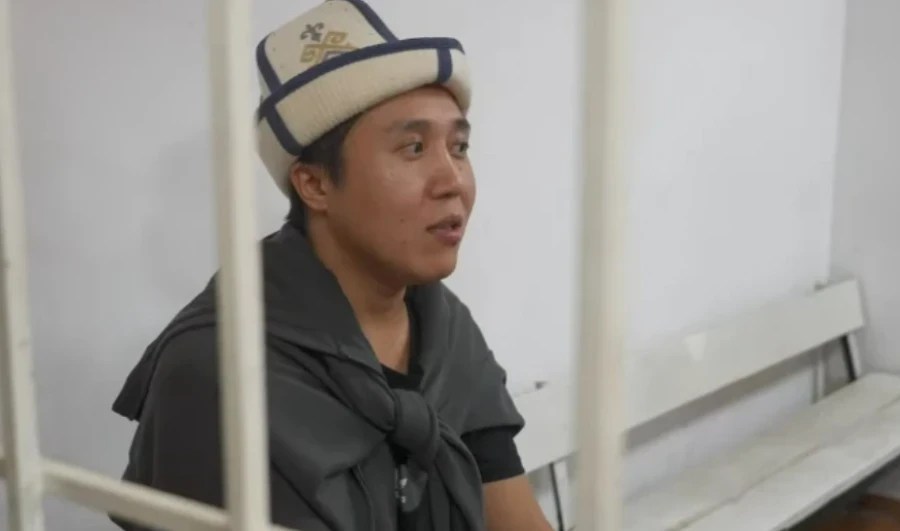
Additionally, Askhat Zhetigen uulu complained about the inadequate behavior of a colony staff member, which was immediately reported to the institution's management for action. On March 3, the institute's staff conducted a follow-up inspection at colony No. 27.
Askhat Zhetigen uulu also expressed dissatisfaction with his placement in the punishment isolation cell for 15 days.
It is important to note that the legality of such actions is monitored by the prosecutor's office, which must provide a legal assessment of the imposed disciplinary sanctions.
All collected materials will be sent to the General Prosecutor's Office.
On March 4, the management of the State Penitentiary Service reported that Askhat Zhetigen uulu had been released from the punishment isolation cell.