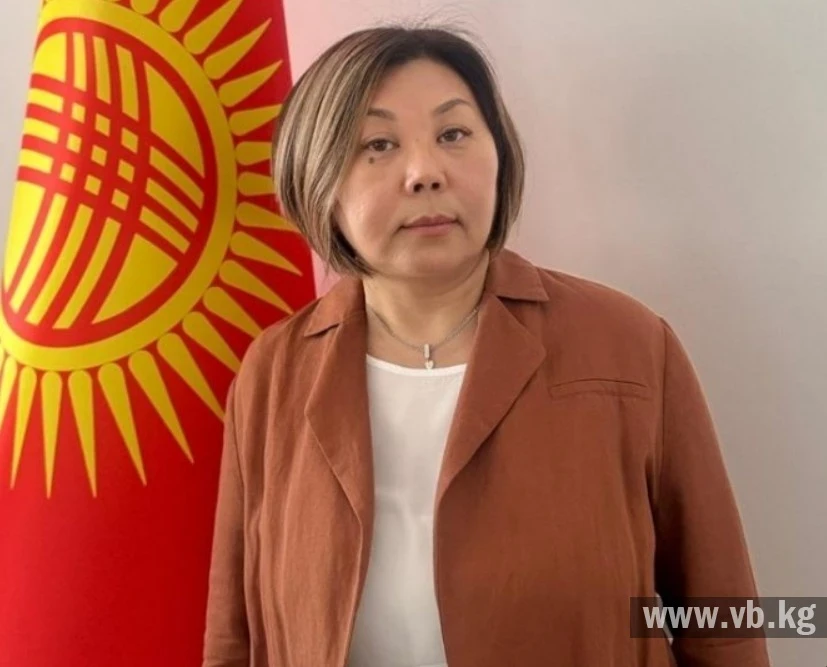
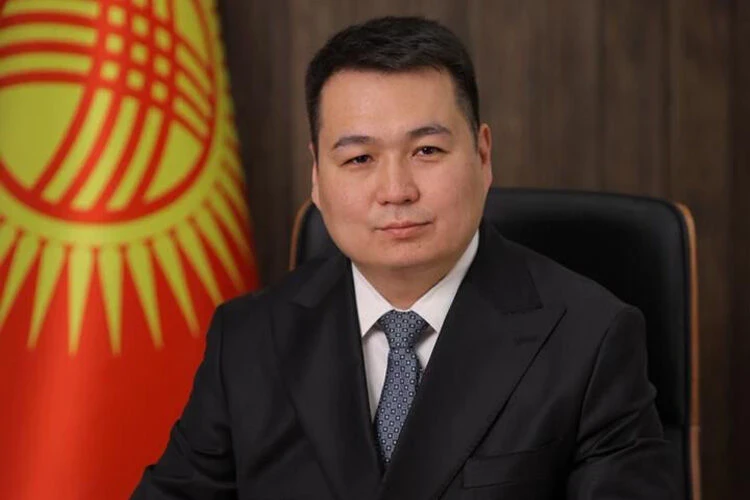
According to Shustikova, the traditional increase in prices for fuel and lubricants is observed in the spring when field work begins in Russia and neighboring countries, which increases the demand for fuel.
Additionally, the situation is affected by export restrictions and the unstable geopolitical situation, including conflicts in the Middle East and Ukraine. These factors influence both global prices and the cost of fuel in Russia, from which Kyrgyzstan imports the majority of its fuel and lubricants.
“Since the beginning of 2026, there has been a decrease in prices in Kyrgyzstan, and by March they had dropped by about 3 soms per liter. However, the current rise remains moderate, and prices have not reached the level of the beginning of the year — the difference is from one to three soms,” the expert explained.
Shustikova noted that sharp price fluctuations are managed through coordination between the cabinet of ministers, various ministries, and the antimonopoly service with oil traders.
There is no fuel shortage in the country, and the market is fully supplied with the necessary resources.
The main volumes of fuel and lubricants come to Kyrgyzstan from Russia, accounting for almost 90 percent of total imports, which is related to the presence of processing capacities and duty-free supplies under intergovernmental agreements. Nevertheless, some companies are considering alternative sources due to periodic shutdowns of Russian oil refineries.
She also added that fuel prices in Kyrgyzstan are comparable to prices in Russia and Belarus, but higher than in oil-producing countries like Kazakhstan. At the same time, in Armenia, Tajikistan, and Uzbekistan, the cost of fuel is significantly higher.
“Our oil traders are looking for additional alternative routes, such as supplies from Azerbaijan,” emphasized Larisa Shustikova.
According to her, in conditions of instability in international markets, making forecasts for fuel prices is extremely difficult, as the geopolitical situation can change daily.
Authorities are exploring possible measures to respond to external challenges, including price stabilization within agreements with Russian plants, reducing tax burdens, subsidizing the sector, and providing preferential loans to oil traders.
Shustikova noted that final decisions on these issues are made at the cabinet level, as the fuel and lubricants market directly affects transportation costs and the formation of prices for goods and food products.