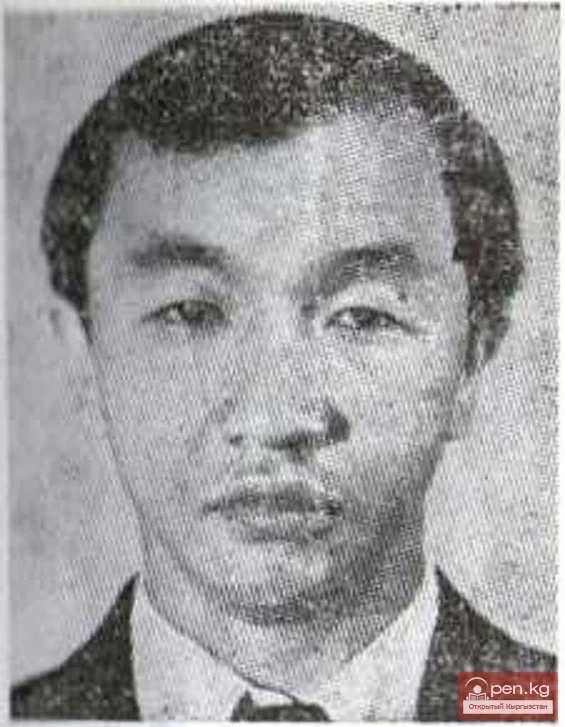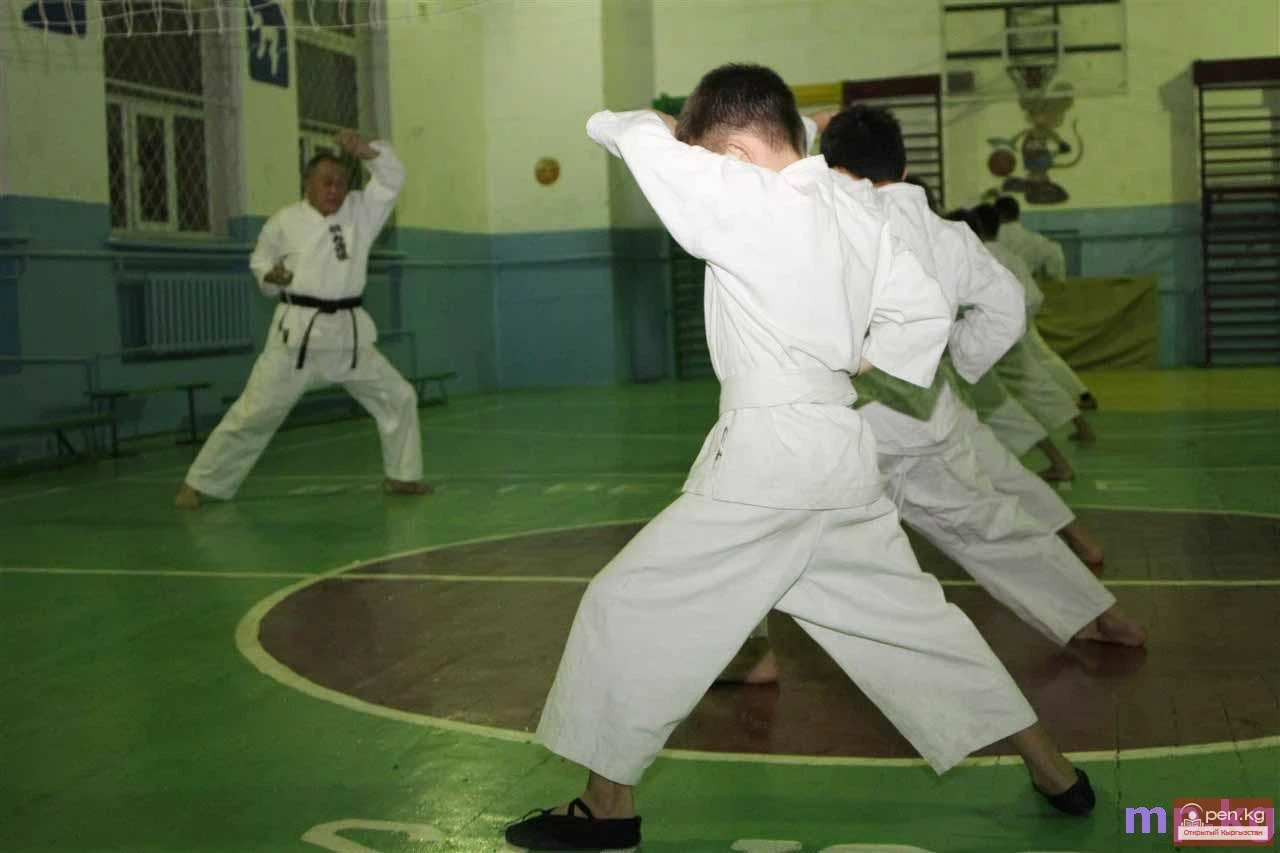
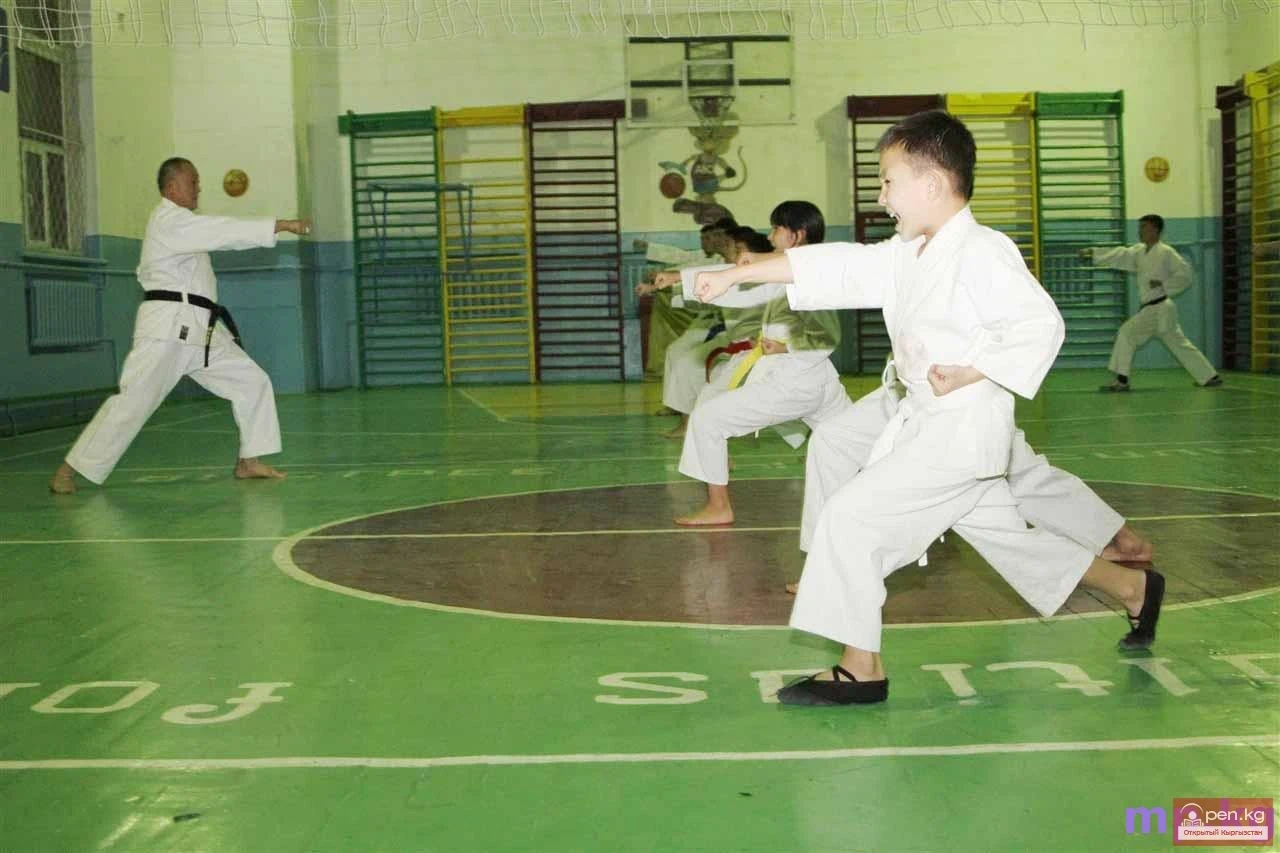
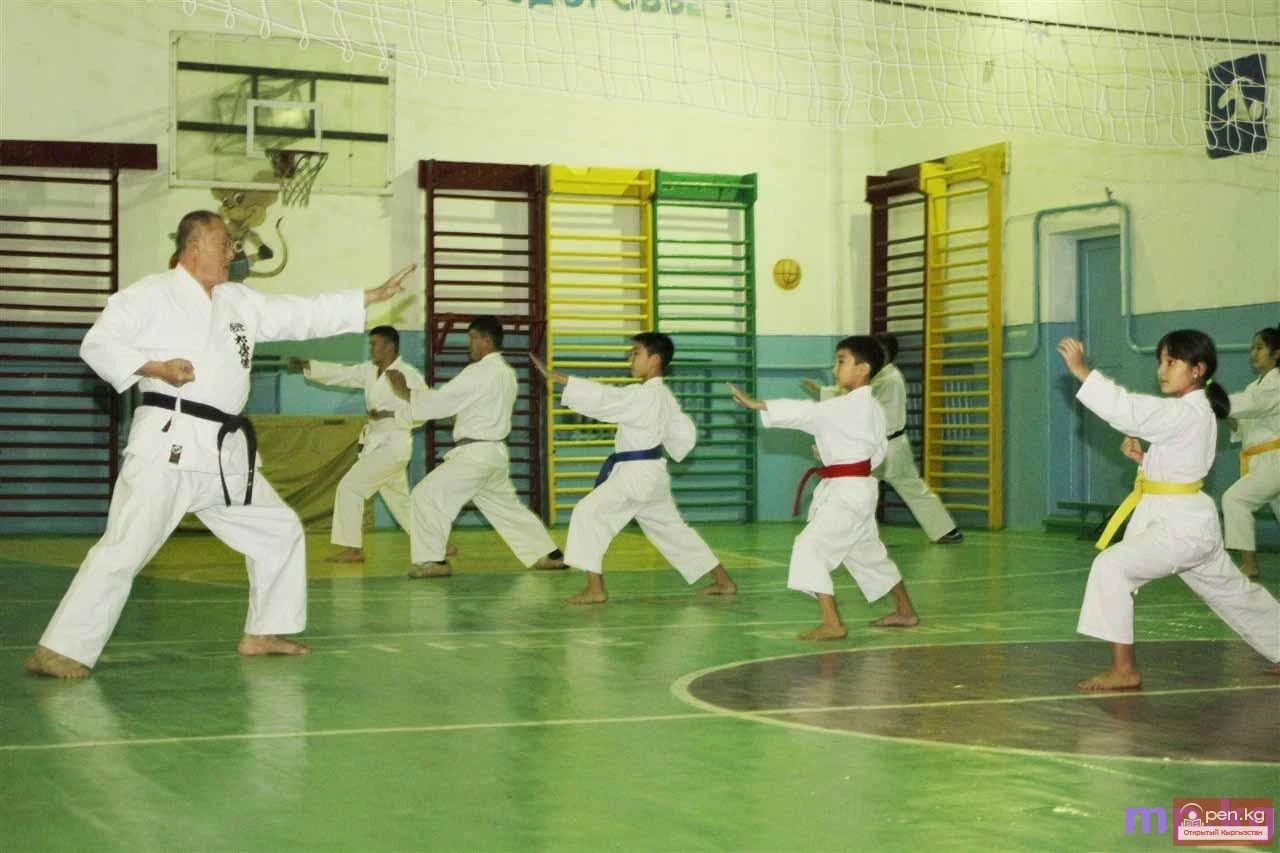
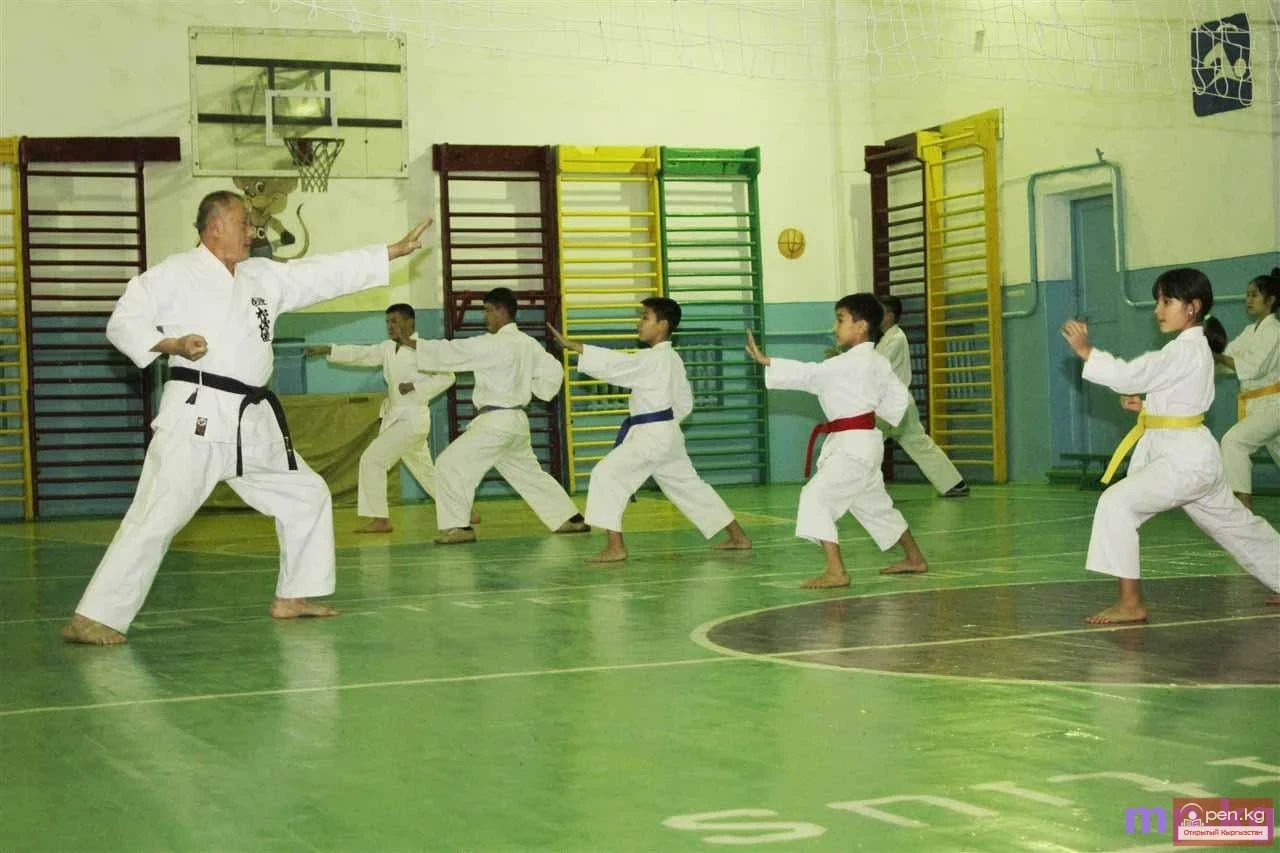
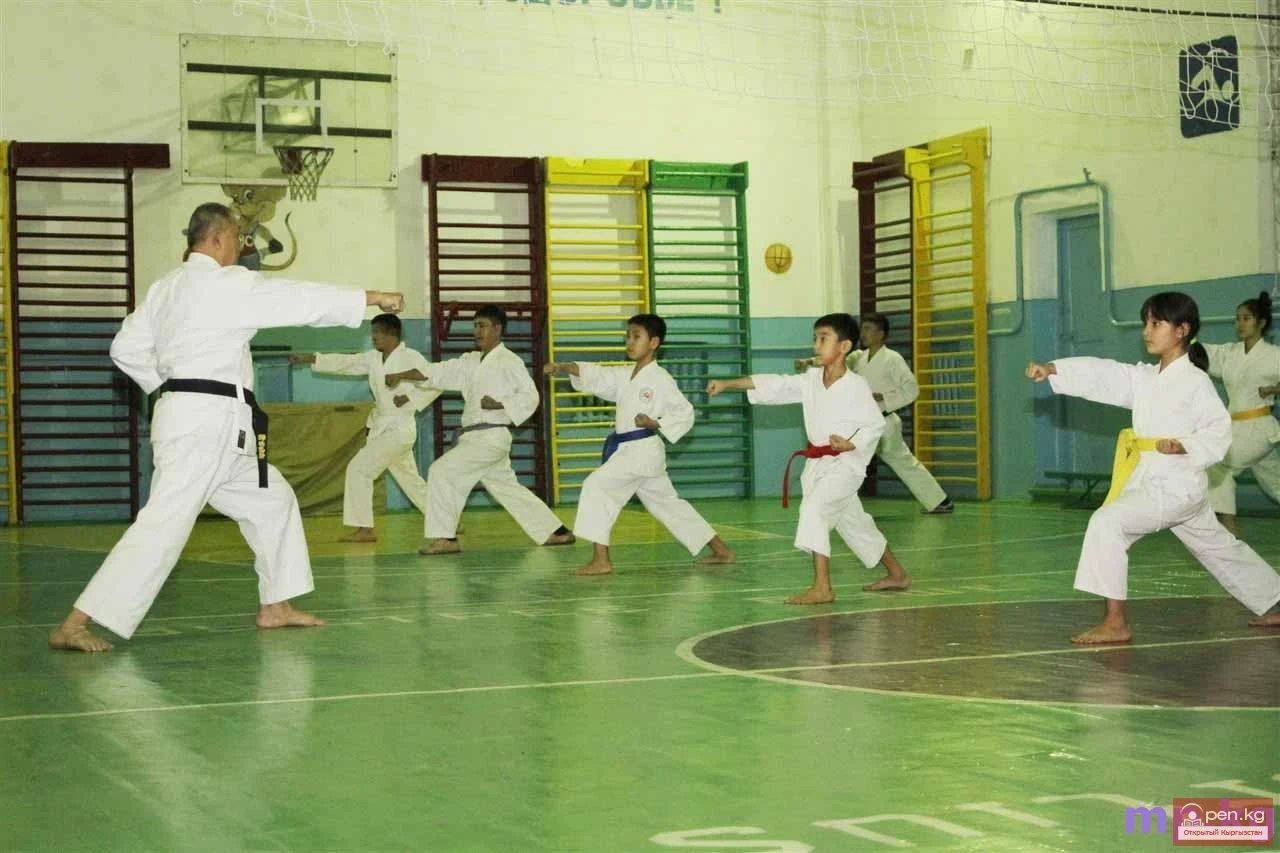
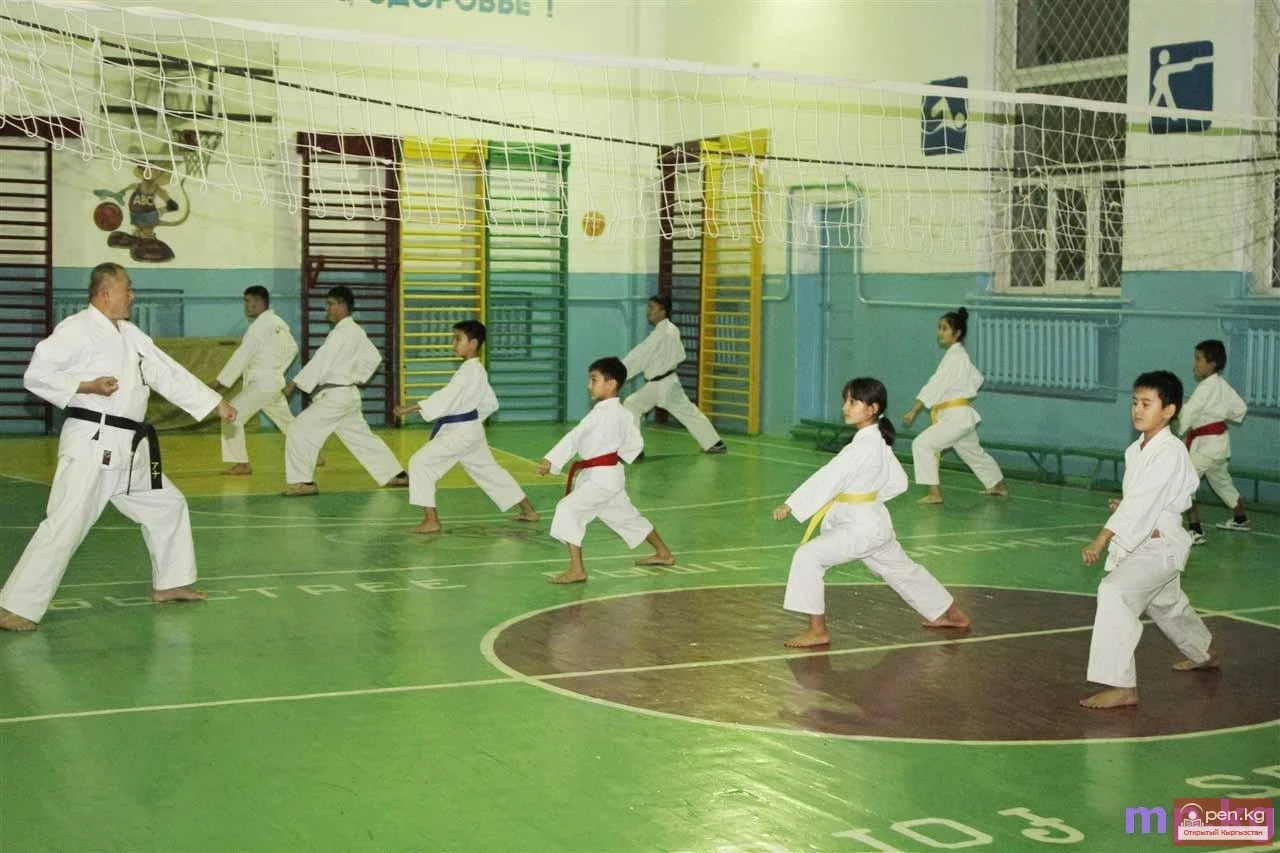
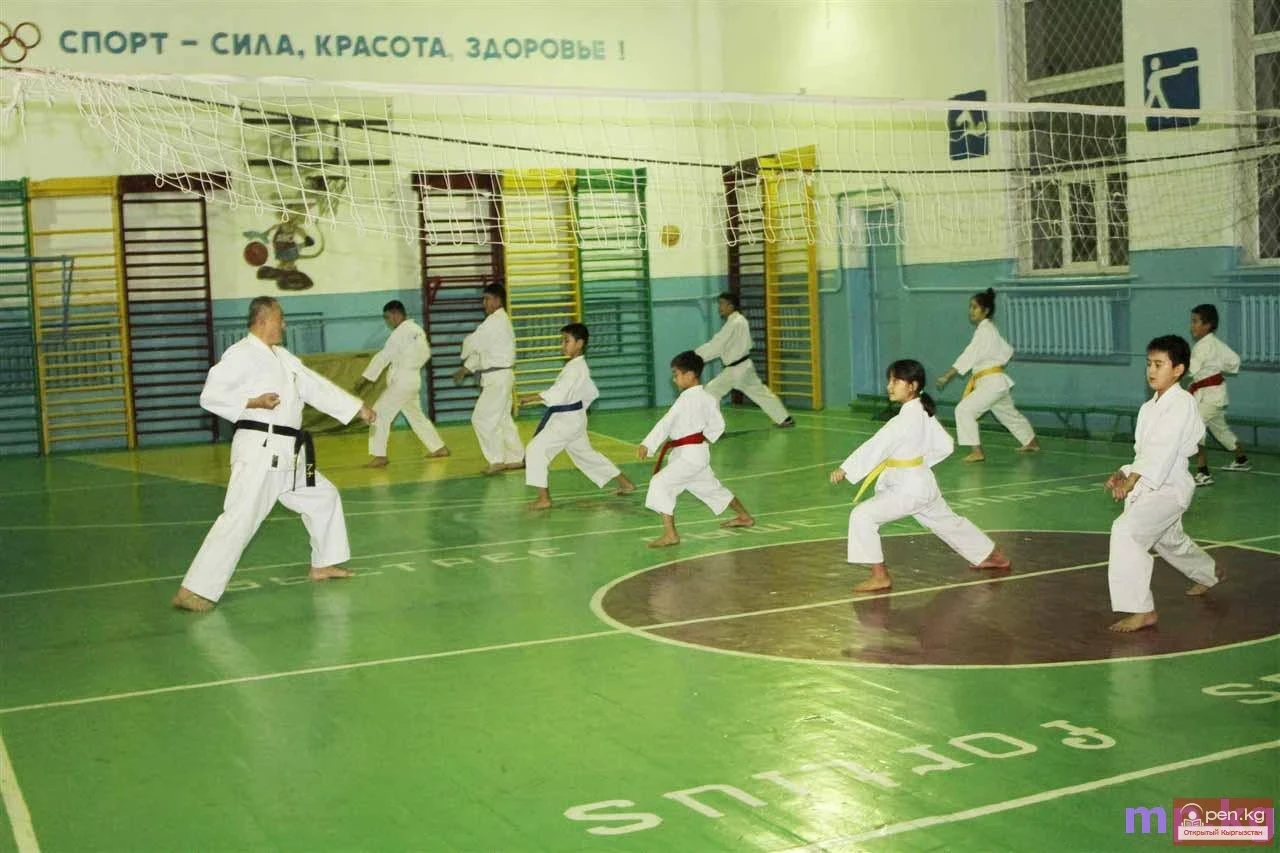
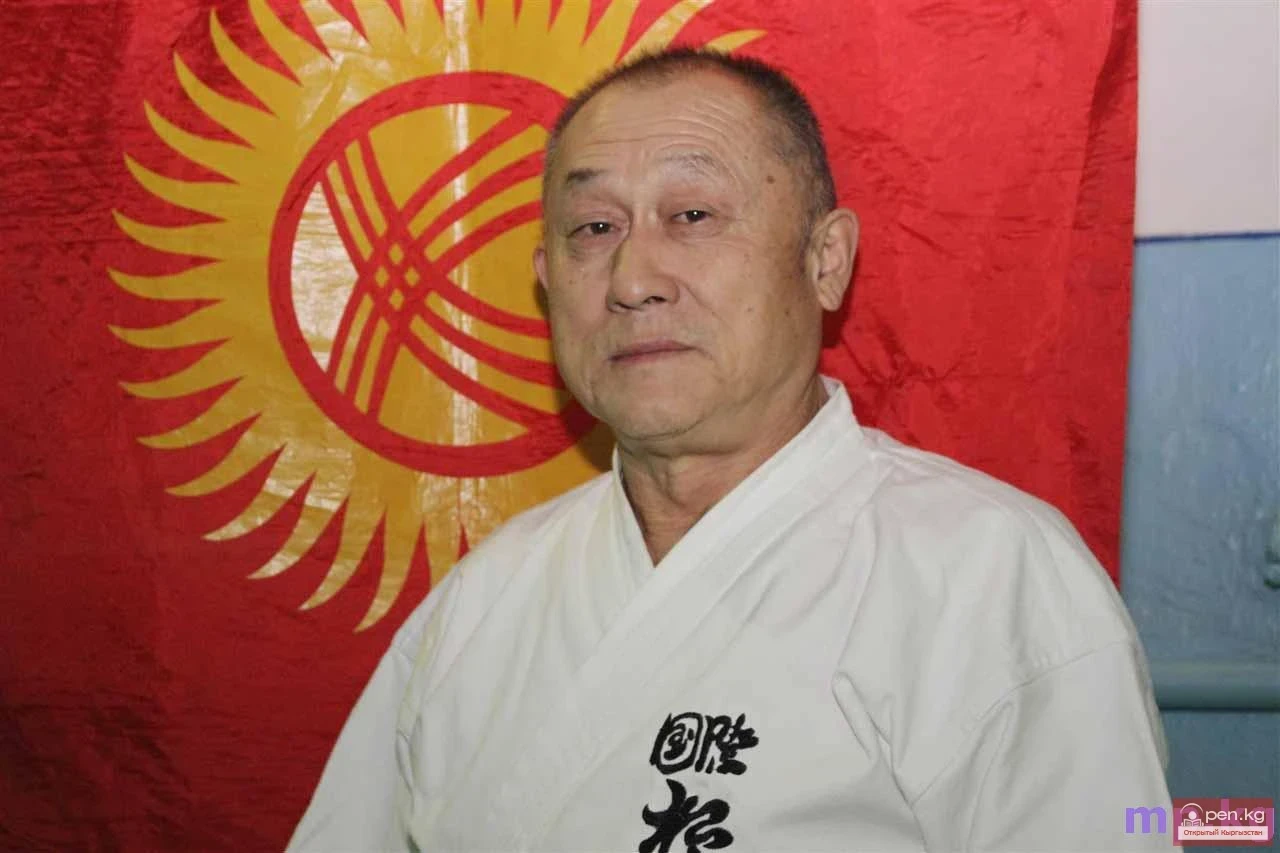
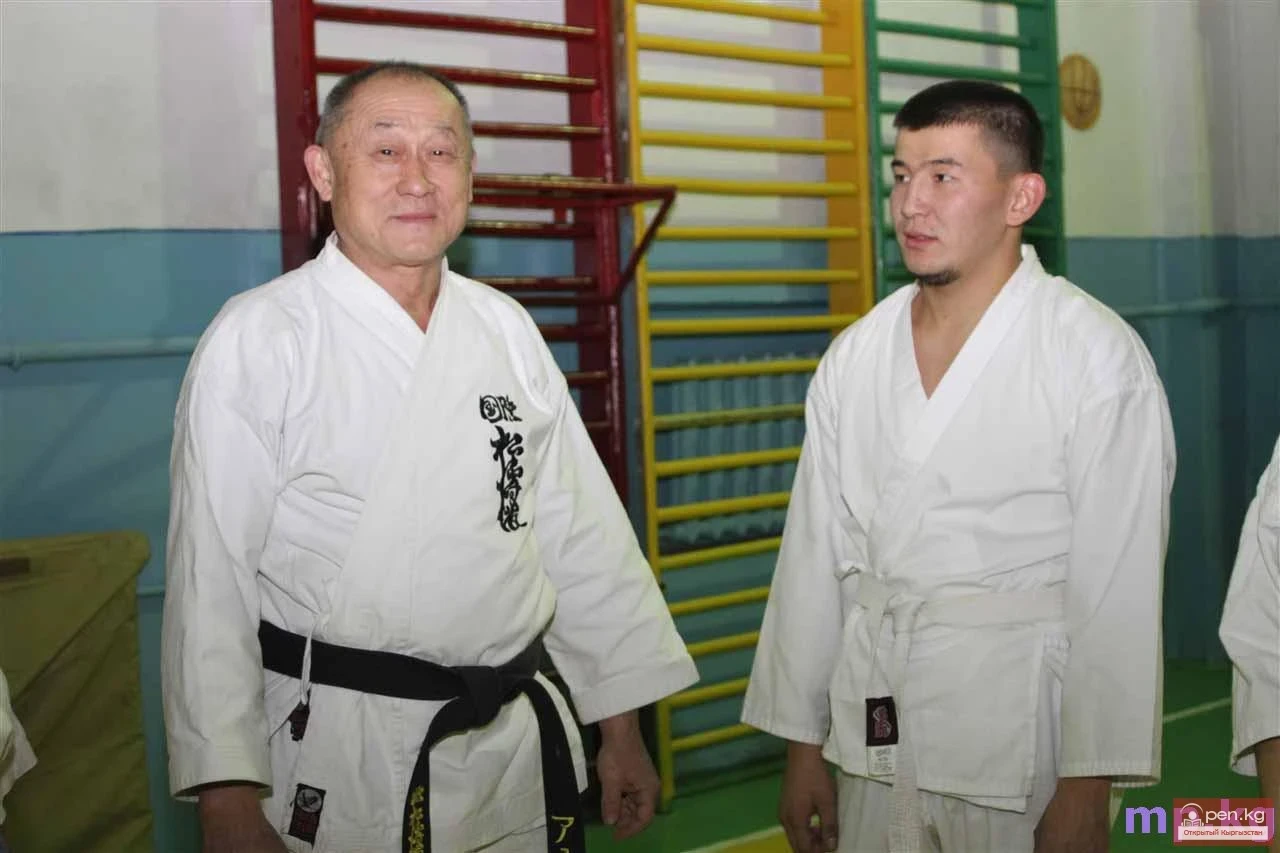
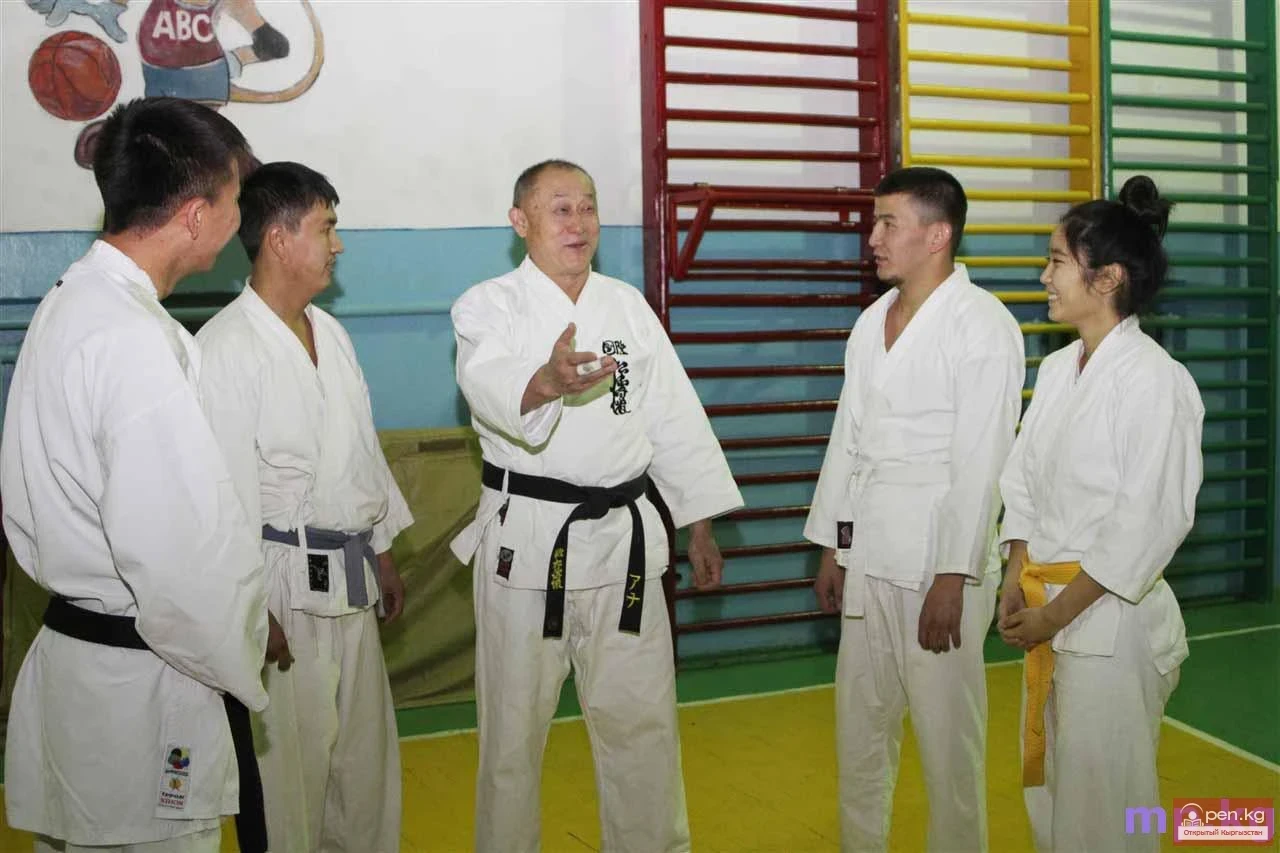
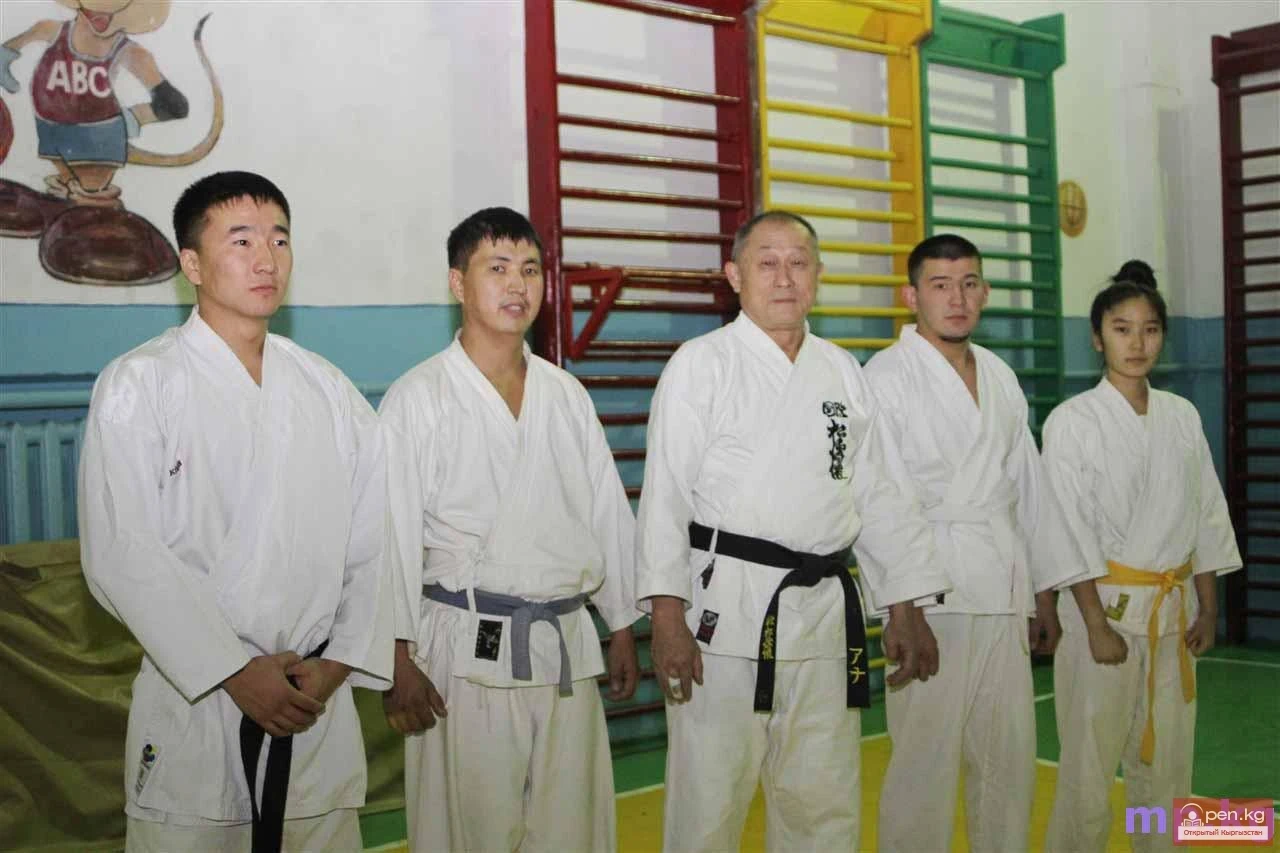
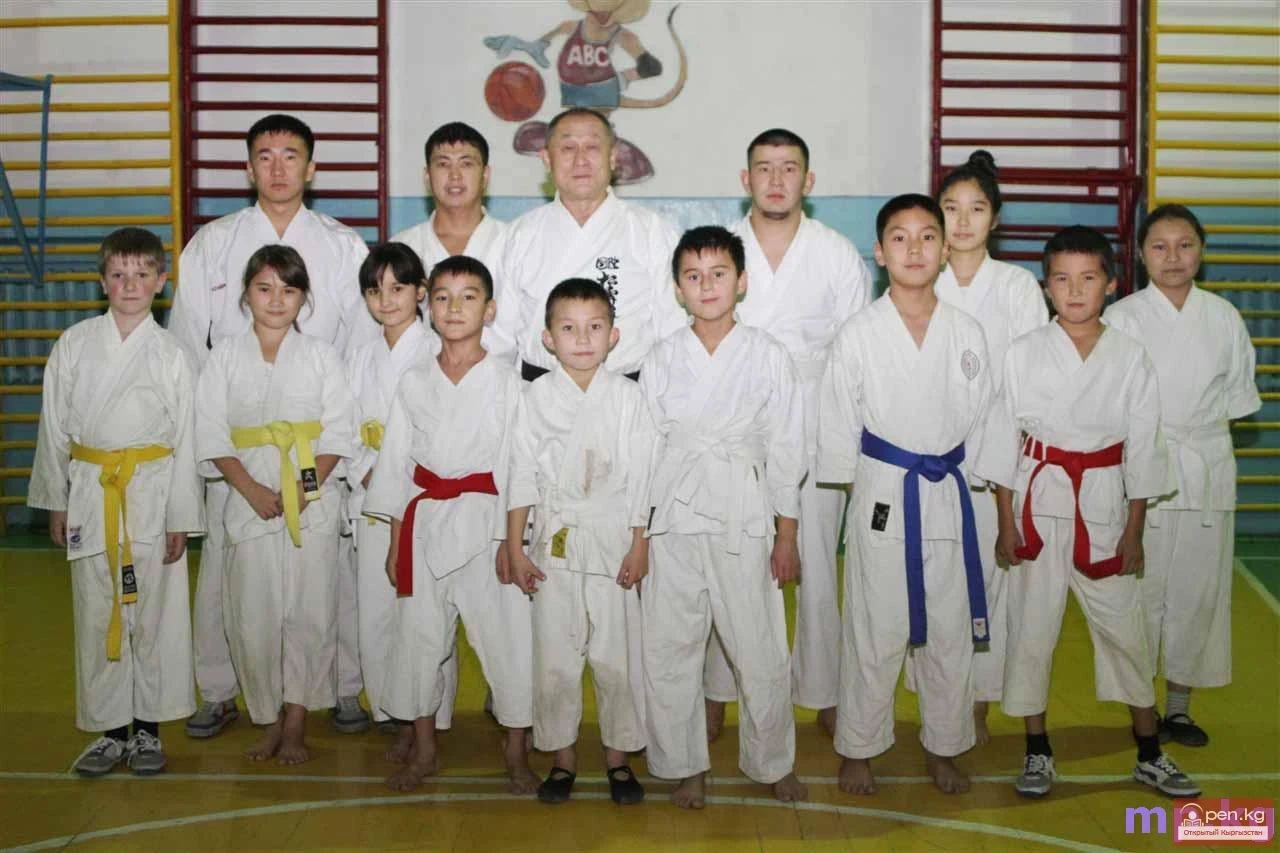
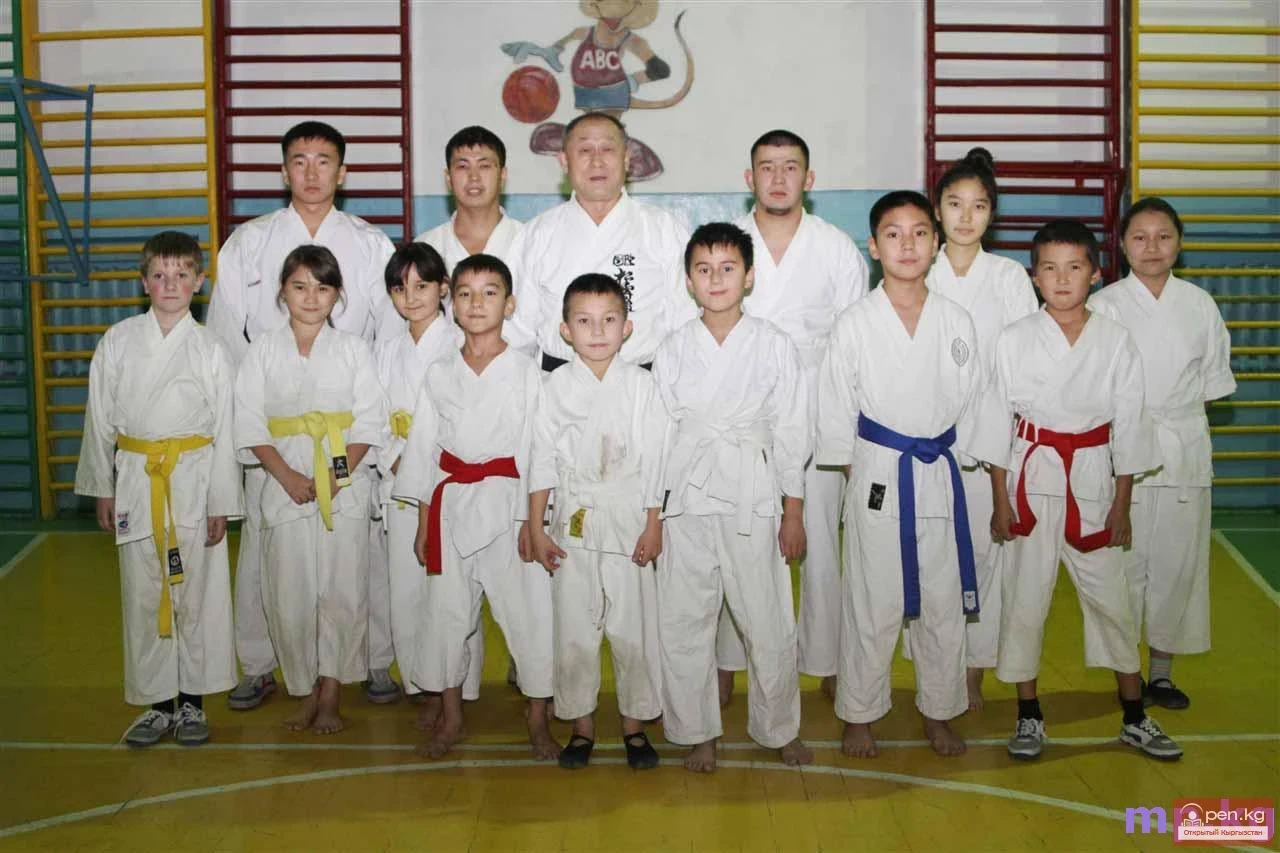
“From the very first training sessions, I instill in children a love for their homeland and parents. I teach them that the country and its interests must come first. The national flag is sacred for an athlete; at the beginning of each training session, we bow to it. This helps achieve spiritual balance, which is one of the main components of a karateka's success. Every one of my students knows: if he does not humiliate another, he will never be humiliated himself,” says Innokentiy An.
- It is known that you have a special methodology...
- My students know that they must give their all. If you have two things, give the better one. Be tolerant of those around you. In the first year of training, a beginner mainly shapes their body, while the second year is dedicated to spiritual development, and only in the third year of training can a deep and correct understanding of karate be formed. I do not keep my methodology a secret. Every father or mother knows their child better than the coach. I cannot be with my students 24 hours a day and know all their habits and peculiarities. Therefore, I allow parents to take an active part in raising the karateka, suggesting where to increase or decrease the load. Some of them can come and correct their child if he performs an exercise incorrectly. As soon as my student masters certain techniques, he makes a karateka's promise, according to which he is not allowed to use his skills for anything other than their intended purpose. He should only defend himself and his loved ones in the event of a real threat to their lives.
- Tell us about the history of karate...
- It is known that the cradle of karate is the island of Okinawa, which was once free. China and Japan fought for dominance over its people. The population of Okinawa faced discrimination. The residents were forbidden to have weapons. So they invented a new martial art that arose as a combination of all existing concepts. A person had to defend himself only with his hands. Thus, the name "karate" appeared, which means "empty hand." The character "Do" means path. Karate is not aggression; it is the ability to anticipate an attack and divert a real threat. In Japanese, Shotokan (set) means house, the place where a karateka trains, the sacred "dojo." Therefore, every athlete bows and enters the hall barefoot. This ritual has been performed for centuries; a karateka must enter the "house" with clean feet. We train barefoot all year round, and I believe that this contributes to spiritual development.
- Thanks to sports, you have raised many worthy citizens of your country...
- The number of my students is approaching a thousand. I have taught karate in almost all schools and colleges; for many years I have been working at the Author's Educational and Training Complex of School-Gymnasium No. 6. I hold a fifth dan. My very first students now serve in law enforcement. Among the young athletes, there are already titled ones. But I am proud of each of my students. Among karateka from other clubs, these kids are called true champions, as the Shotokan style is one of the oldest and is part of the international federation. I have been practicing karate since 1981. In Kyrgyzstan, this martial art has been developing since the 1970s thanks to people like Temir Turusbekov, Esen Ismailov, and my first teacher Alaybek Obozov.
- Why were you attracted to this sport in your time?
- At the time I started practicing, taekwondo did not exist, but as soon as it appeared in our country, many switched to this sport. Not many Koreans practice karate, but I did not switch to another style because I did not want to change anything; after all, it is a different methodology and technique. We cultivate purely classical karate. The technique is somewhat similar, but there is one goal – to educate the younger generation, strengthening the body and mind. Every parent wants their child to become a leader. When they ask me if I can make their child a champion, I reply, “Time will tell. For now, he will strengthen and become strong in spirit.” It takes at least three years of training to raise a worthy karateka. But even after the first months, children surpass their peers in development. They even begin to look at life differently. Parents say that despite living quite far away, they must forget their own affairs any day and take their children to training.
- Tell us how your family ended up in Kyrgyzstan?
- Many families have very similar stories. In 1937, my ancestors fell under repression. My parents, Russian subjects, Nikolai An and Olga Kim, were resettled from the Ussuri region to Uzbekistan, Khorezm region, to the collective farm "Communism." There, my father and mother met, and I was born in 1952. In 1962, Koreans were allowed to leave, and then my father went to the Caucasus, and in 1964 moved to the Karakalpak region. In 1969, I graduated from school there, then continued my studies in Smolensk, Chelyabinsk, served in the army, then came to Ukraine, and in 1979 my parents and I arrived in Frunze. In 1981, I began practicing karate, and at 25, I was the "oldest" for the sport. I trained to fanaticism, created a federation, and in 2001 in Kyiv, I joined the International Federation, which includes 133 countries. I am a three-time holder of the World Cup in kumite, a three-time holder of the Kanazawa Cup, champion of the East Cup, and also a silver medalist at the World Championship.
- What can karate teach?
- Classical karate implies that one cannot change what was created a thousand years ago. And for so many years, this type of martial art has not changed. In 2009, I went to Moscow and studied the basics of Japanese karate. And I would like to say that it is not studied to fight or to compete over who jumped faster or broke faster; that is not karate. First and foremost, it is about improving one's character, respecting elders, and tolerance. Students also strengthen their bodies and subordinate them to their minds, and then add a spiritual component. After five to six years, my students become holders of black belts of the first dan. Many later just come to maintain their form, but there are also those who participate in competitions, and they are champions of Russia and bronze medalists at world championships. Karate is, above all, defense, not aggression; here, one does not attack first but strikes first, as if anticipating a blow, sensing aggression. I always teach my students to resolve conflicts with words, not fists; this is only in extreme cases when aggression occurs.
Recently, a team of karateka from Kyrgyzstan successfully performed in Tokyo at the 35th Federation Championship. In the senior age category, where current trainers and titled fighters from Japan and other countries participated, Innokentiy An won a gold medal. More than 1000 karateka from Japan and other countries took part in the championship. The famous coach has many more tournaments planned, from which both he and his students will definitely bring home awards.