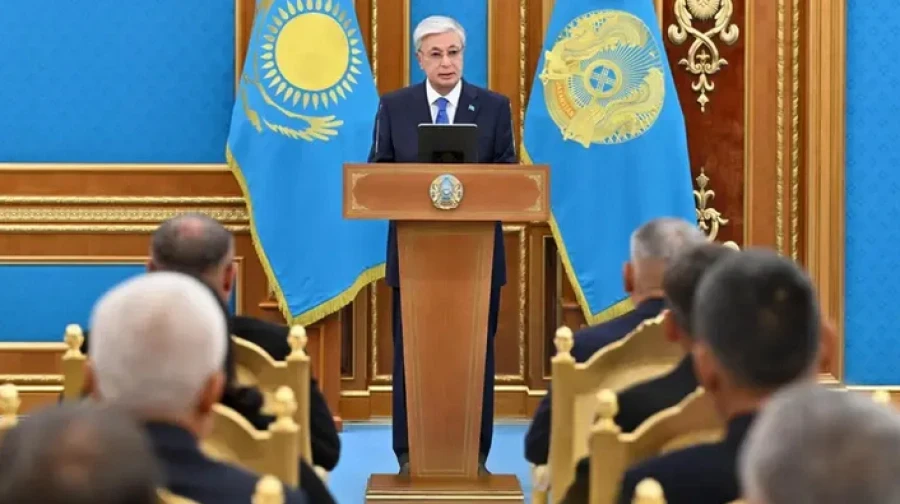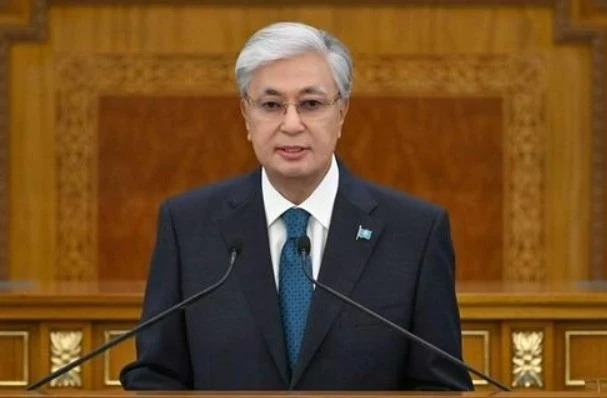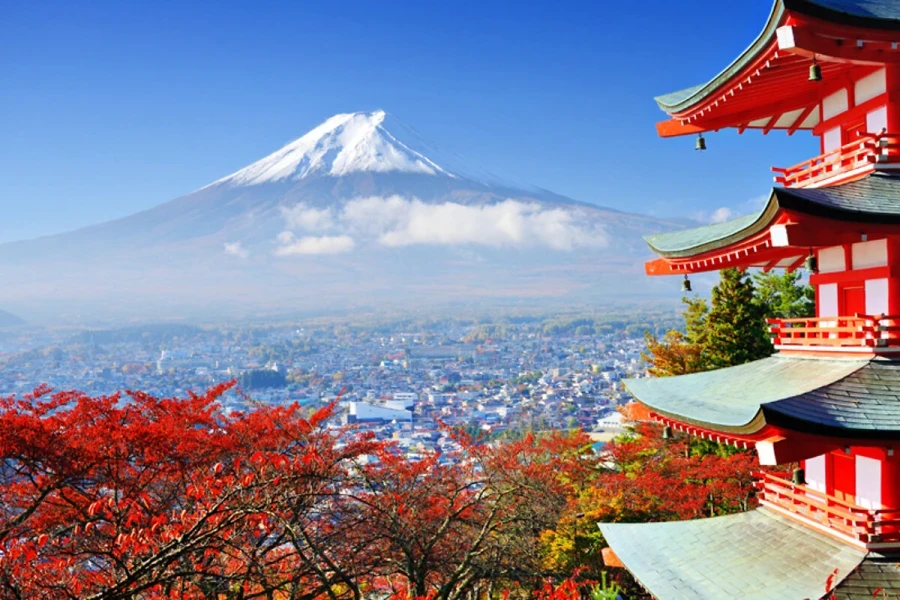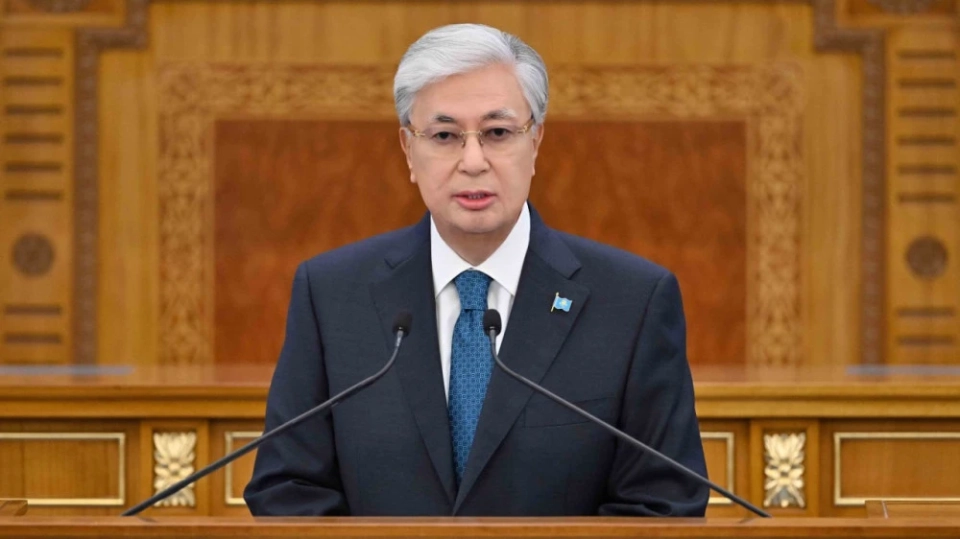
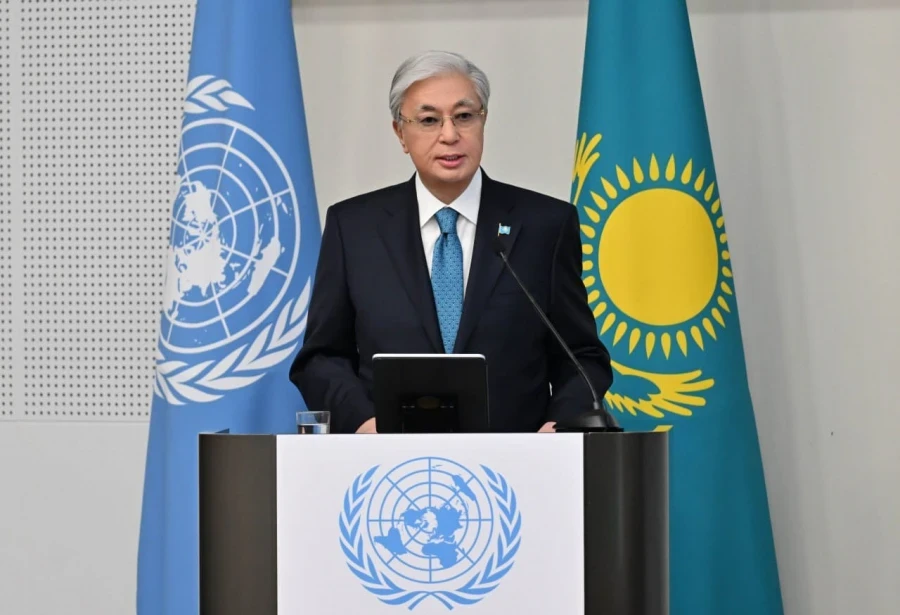
Kassym-Jomart Tokayev, the President of Kazakhstan, delivered a lecture at the United Nations University in Tokyo, where he outlined the main issues of the contemporary world order and called for the restoration of trust at the global level, the reform of the United Nations, and increased participation of "middle powers" in the international governance system.
His speech took place against the backdrop of a sharp increase in geopolitical tensions, military conflicts, and record spending on armaments worldwide. According to Tokayev, in 2024, global military expenditures will exceed $2.7 trillion, and the number of conflicts will reach a peak not seen in decades. He noted that these phenomena are accompanied by a weakening of multilateral institutions and a deterioration of trustful relations between states.
The President emphasized that the United Nations remains a key element of international security; however, its current model was created in the post-war period and no longer corresponds to the modern distribution of power. In this regard, he stated the need for deep reform of the UN, including updating its Charter and enhancing the effectiveness of its main mechanisms.
Tokayev focused on the UN Security Council, where he noted that the intensification of competition among major powers significantly narrows its capabilities to prevent and resolve international crises. He stressed that without reforms to the Security Council, it is impossible to create a sustainable and inclusive global security system.
In this context, the President proposed to increase the role of so-called "middle powers," which are not among the global centers of power but possess significant diplomatic and regional influence. Tokayev believes that countries in Asia, Africa, and Latin America can play the role of mediators and "bridges of trust" amid the growing fragmentation of international relations.
His speech also paid special attention to nuclear security issues. The President of Kazakhstan reminded of the tragic consequences of the use and testing of nuclear weapons, such as Hiroshima, Nagasaki, and the Semipalatinsk test site, emphasizing that the issue of nuclear disarmament is not only a political but also a moral question on the global agenda.
Tokayev also touched upon the rapid development of artificial intelligence, noting the lack of unified international standards and the risks of its uncontrolled application. He suggested that the UN could take on a coordinating role in establishing global norms and standards in this area.
In conclusion, the President proposed considering the possibility of creating a regional branch of the United Nations University in Almaty. This branch could serve as a platform for research and dialogue on issues of climate security, conflict prevention, and sustainable development in Central Asia and neighboring regions.