Slow-growing trees with dense wood and long lifespans, which are most commonly found in tropical and subtropical forests, are particularly at risk. They play a key role in ecosystems by providing stability and long-term carbon storage. They are being replaced by fast-growing species such as acacia, eucalyptus, and pine, which have light leaves and low wood density.
“Although fast-growing species establish and develop well, they are more susceptible to droughts, storms, pests, and climate change. This leads to a decrease in forest stability,” notes Professor Jens-Christian Svenning from Aarhus University.
The most serious consequences of these changes are faced by tropical and subtropical regions, where many slowly growing species with limited ranges may disappear due to habitat destruction. About 41% of naturalized species—trees that have been introduced from other places—possess characteristics that help them survive in disturbed conditions; however, they rarely can replace the ecological functions of local species.
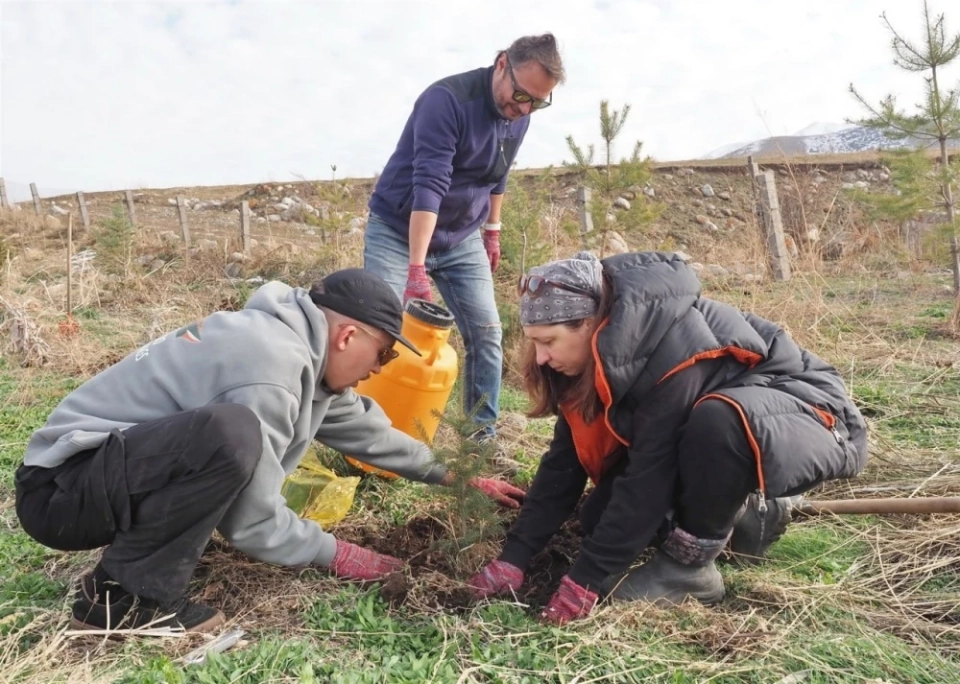
The main cause of these changes is human activity: climate change, deforestation, intensive use of forest resources, and global trade in species. Scientists emphasize the need to revise forest management approaches and focus on slowly growing and rare species when creating new plantations to achieve greater biodiversity and ecosystem resilience.