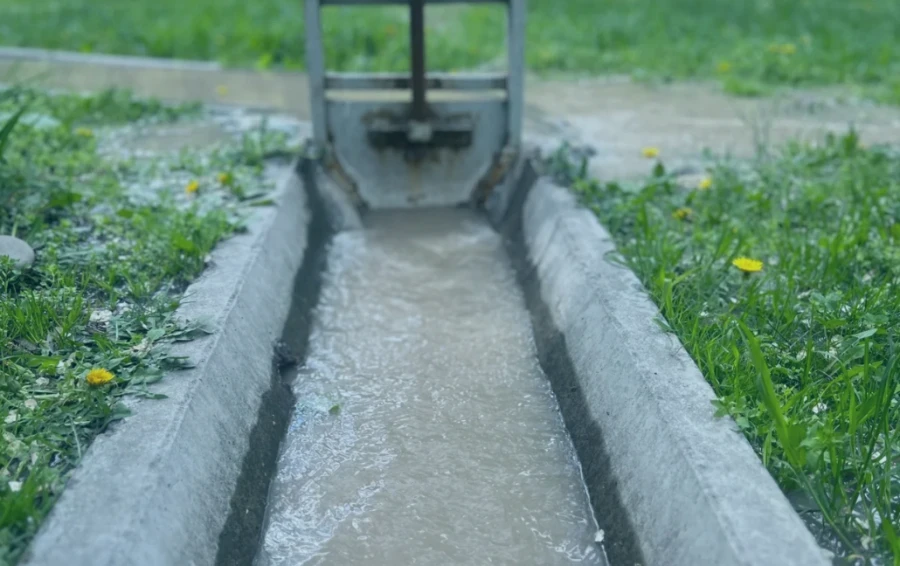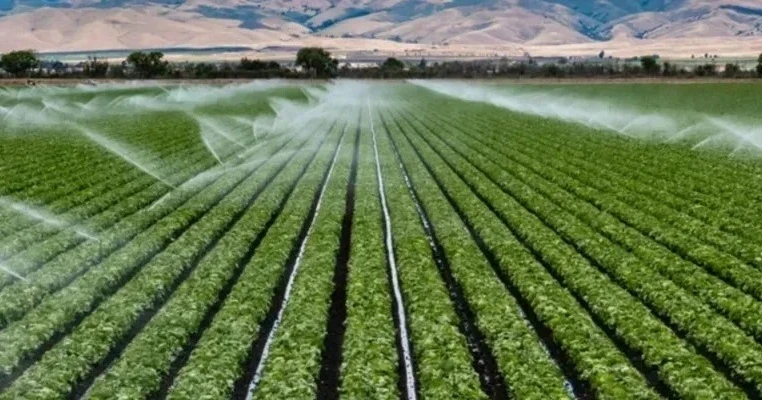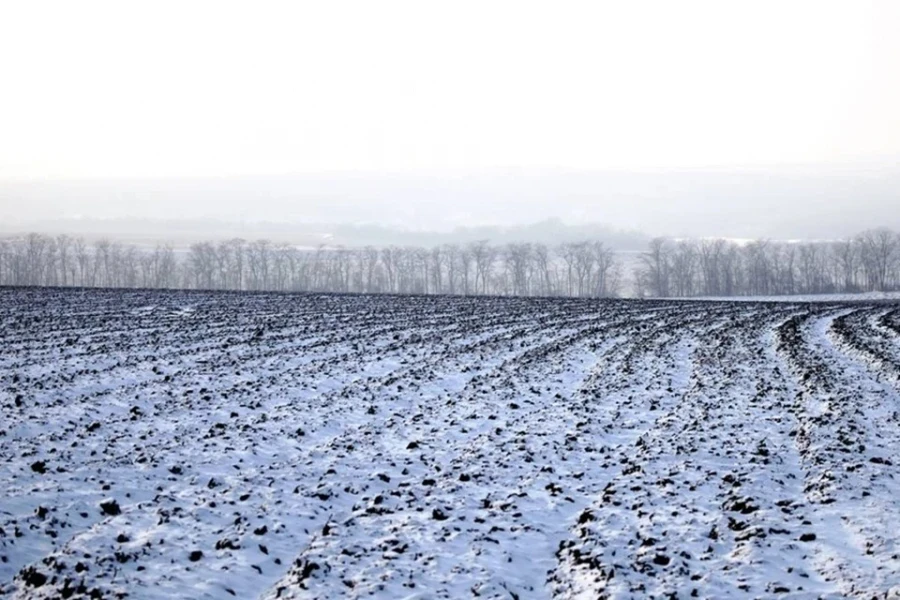
With the onset of the 2026 growing season, Kyrgyzstan is once again faced with alarming news. The Ministry of Water Resources, Agriculture, and Processing Industry of the Kyrgyz Republic is warning of a water shortage, citing natural factors. In this context, the question arises: if the agency is aware of glacier melting and global warming, why do its actions consist only of stating the problems rather than proposing innovative solutions?
Let us remind you that in May of last year, Minister Bakyt Torobaev already urged farmers to use water resources rationally. He emphasized that in the conditions of abnormal heat, every drop counts, and the country's well-being depends on the reasonable use of water. Torobaev claimed that by implementing conservation methods, shortages could be avoided. Time has passed, and we are hearing the same calls again. If the minister's main task is merely to ask farmers not to waste water, then the question arises about the effectiveness of such management.
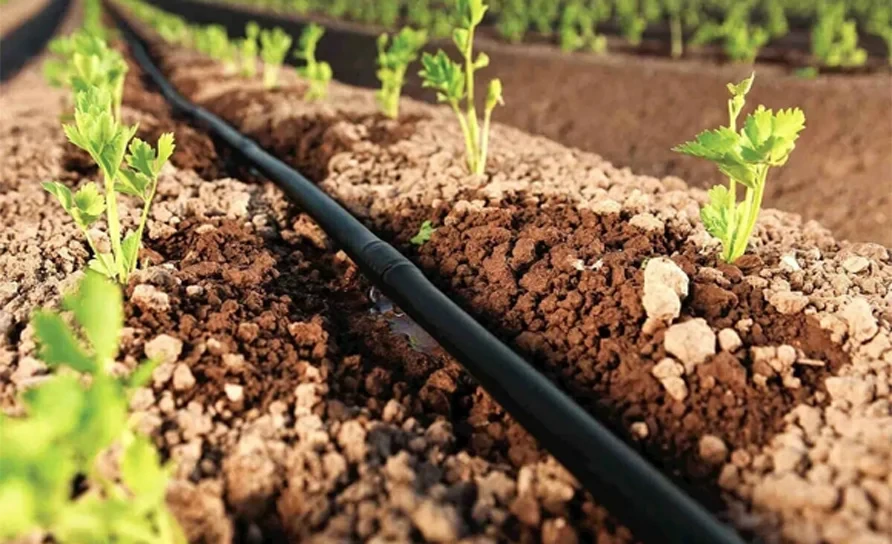
However, behind these correct words lies a harsh reality. The Ministry of Agriculture regularly reports on the allocation of preferential loans for the implementation of drip irrigation systems, but in practice, this process proves to be difficult. One farmer shared with our publication that they are ready to switch to modern technologies, but the loan application turns into an endless bureaucratic procedure. Complex collateral requirements and the sluggishness of the state apparatus create barriers that not every farmer can overcome. As a result, advanced technologies remain only on paper, while fields face water shortages.
Perhaps, to escape this deadlock, the Ministry of Agriculture should pay attention to the experiences of other countries. They are likely aware of this experience, but the issue is probably in the implementation. For example, in Israel, where over 60% of the territory is covered by desert, the country is a leader in agro-export. If the Israelis saw our fertile lands, they would laugh at our drought problems. The Israeli model should become a handbook for Torobaev if he intends to save agriculture. Here are some key aspects from the Israeli experience:
- recycling 95% of wastewater: Israel cleans and reuses water twice.
- drip irrigation as a standard: in Israel, this is not a "recommendation," but a mandatory requirement. Each plant receives water through systems managed by sensors and artificial intelligence.
- smart agribusiness: Israel exports knowledge and precision agriculture technologies, successfully growing tomatoes, strawberries, and even flowers in the desert with minimal costs.
Thus, it can be said that the effectiveness of an official, especially a minister, today should be measured not by the number of trips or the opening of small agricultural enterprises, but by the number of hectares converted to Israeli water use standards. Calls for farmers not to waste water are a path to turning the agency into a "ministry of drought," which merely records losses in agriculture.
It is likely that for Kyrgyzstan, the year 2026 will be a critical moment. Either the Ministry of Agriculture under Torobaev's leadership will ensure technological progress and make modern irrigation methods accessible to all farmers, or it will confirm its incompetence. We stand at a crossroads: either we build Israel in Central Asia, or we prepare for the desert to take the place of our fields.