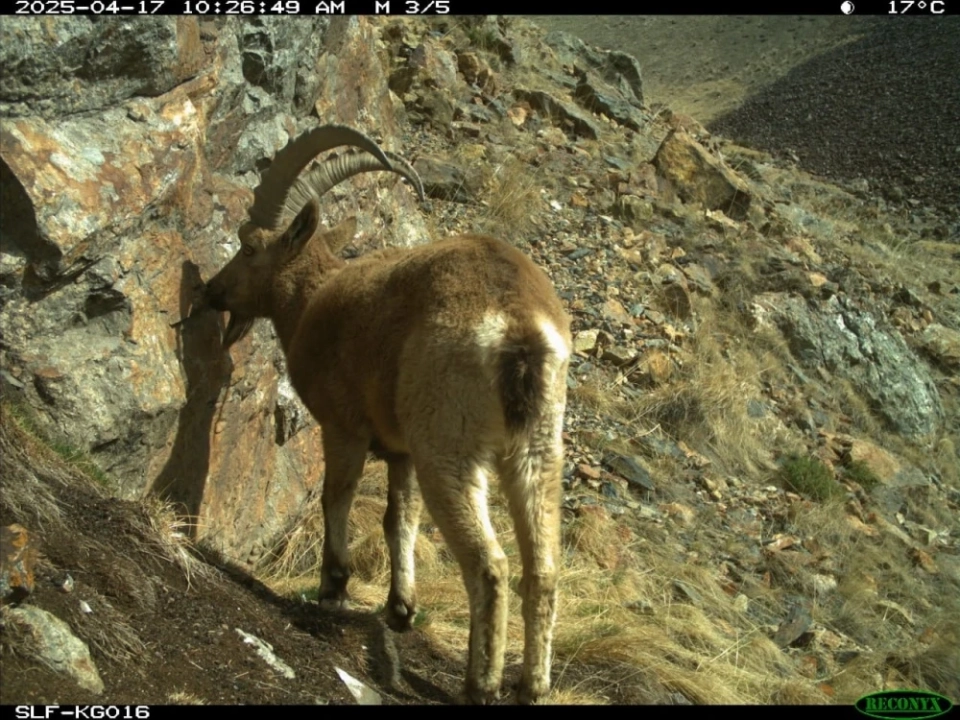
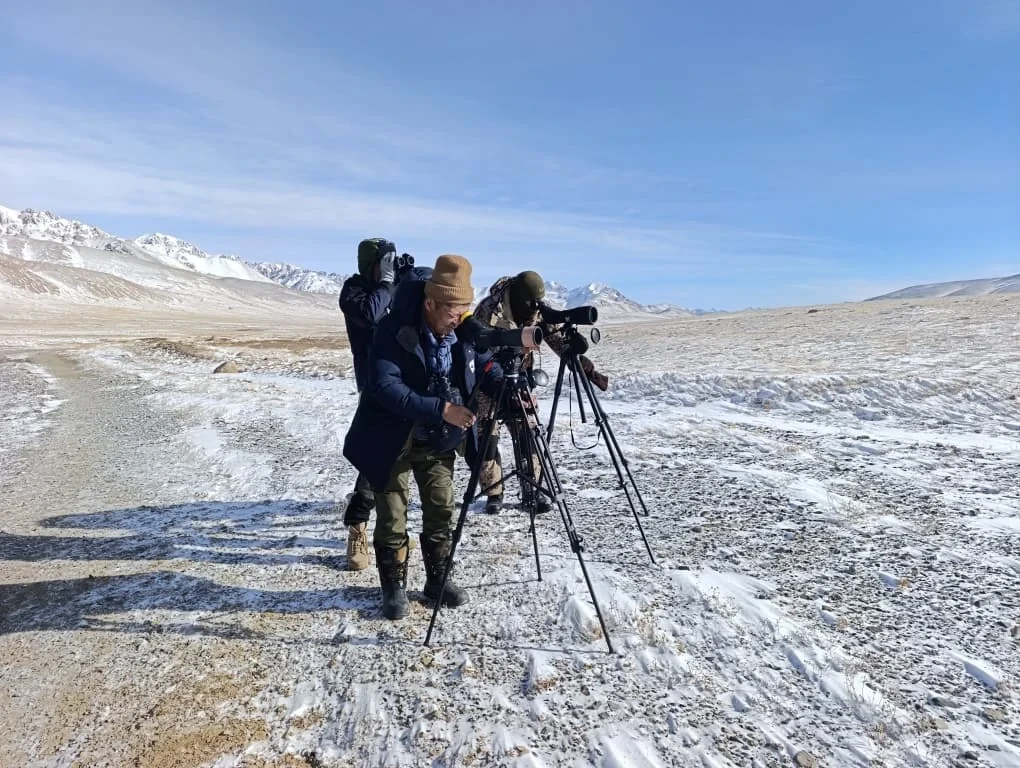
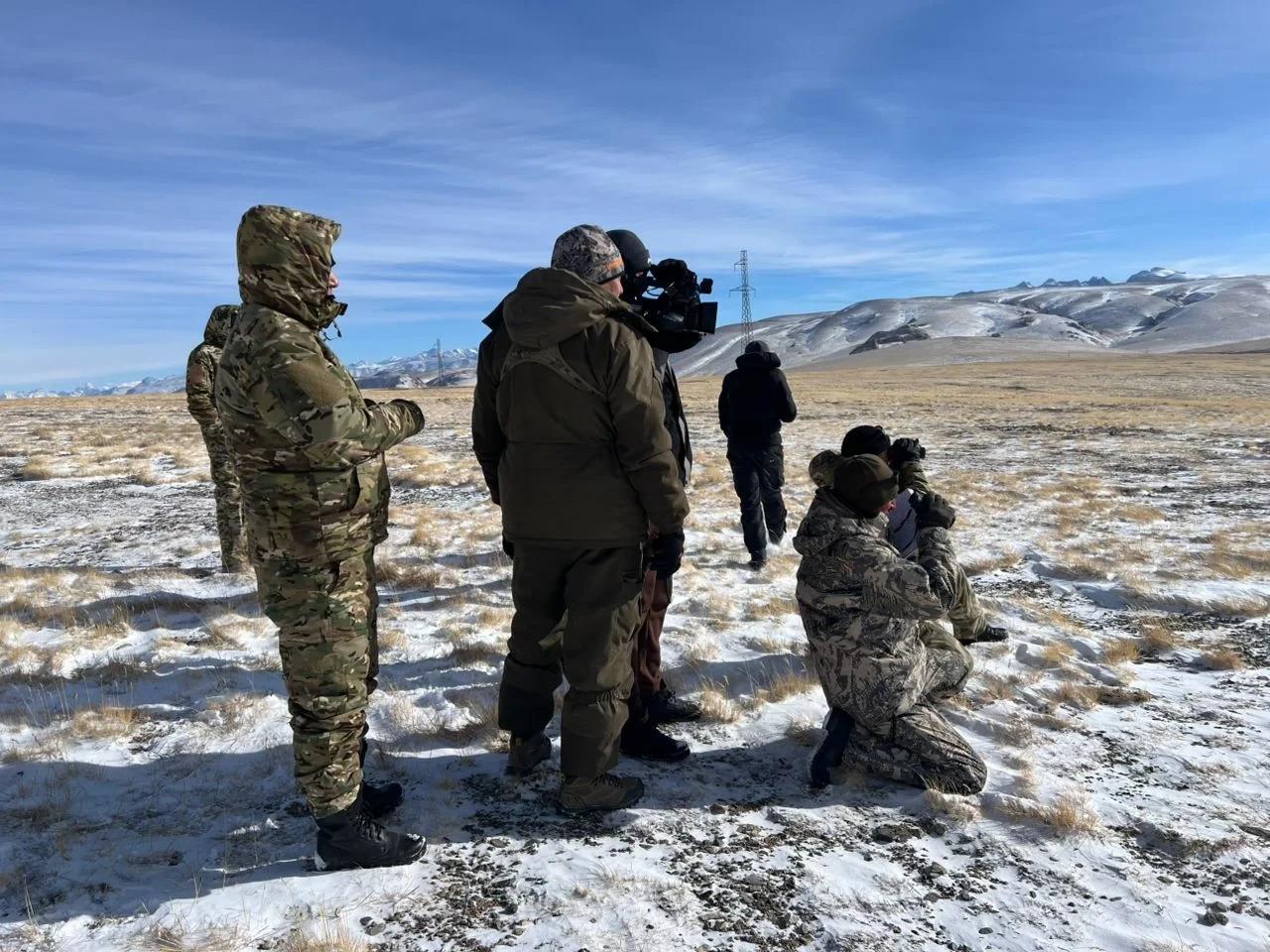
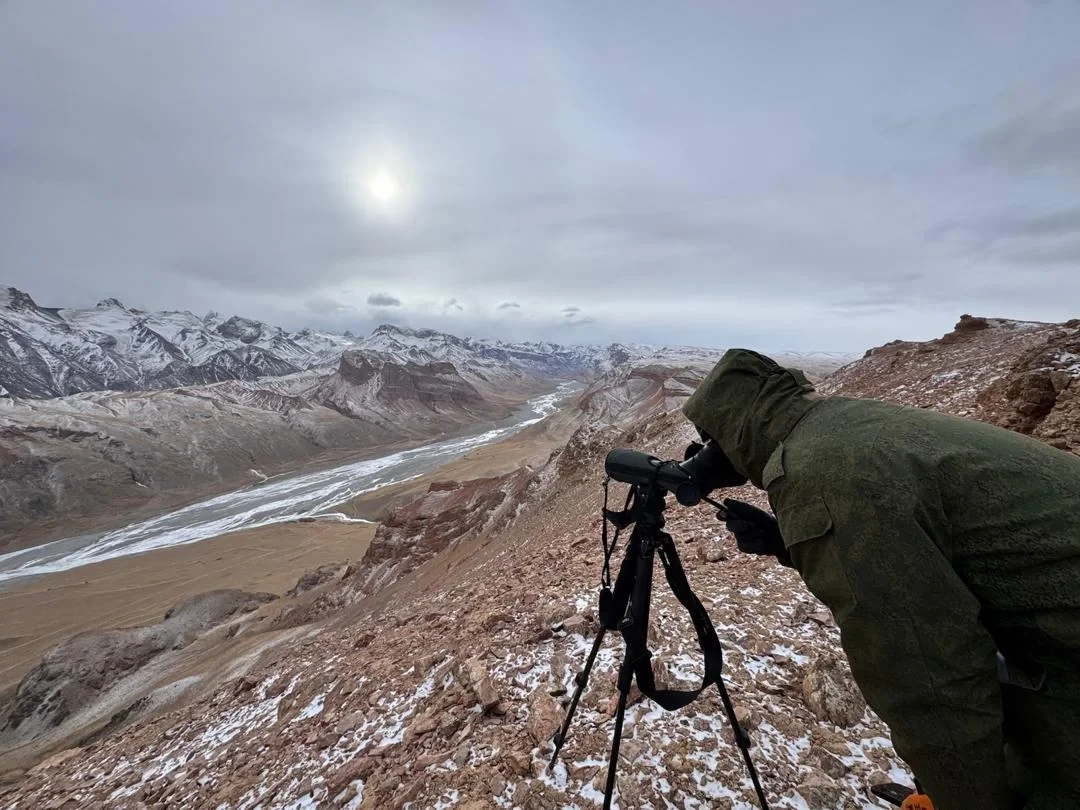


Kyrgyzstan has begun work on the international monitoring of wild ungulate populations, such as argali and ibex.
According to information from the Ministry of Natural Resources, these activities are timed to coincide with International Mountain Day and are organized within the framework of a Roadmap developed for the Decade of Action to support mountain regions.
The monitoring is being conducted in cooperation with the National Academy of Sciences of the Kyrgyz Republic, the Ministry of Natural Resources, Ecology and Technical Supervision, as well as the Kyrgyz State Hunting Enterprise, with the involvement of foreign specialists and financial assistance from the Wild Sheep Foundation.
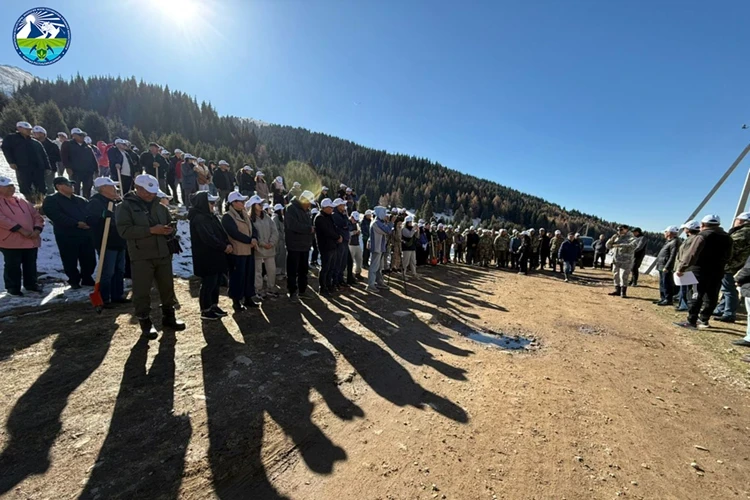
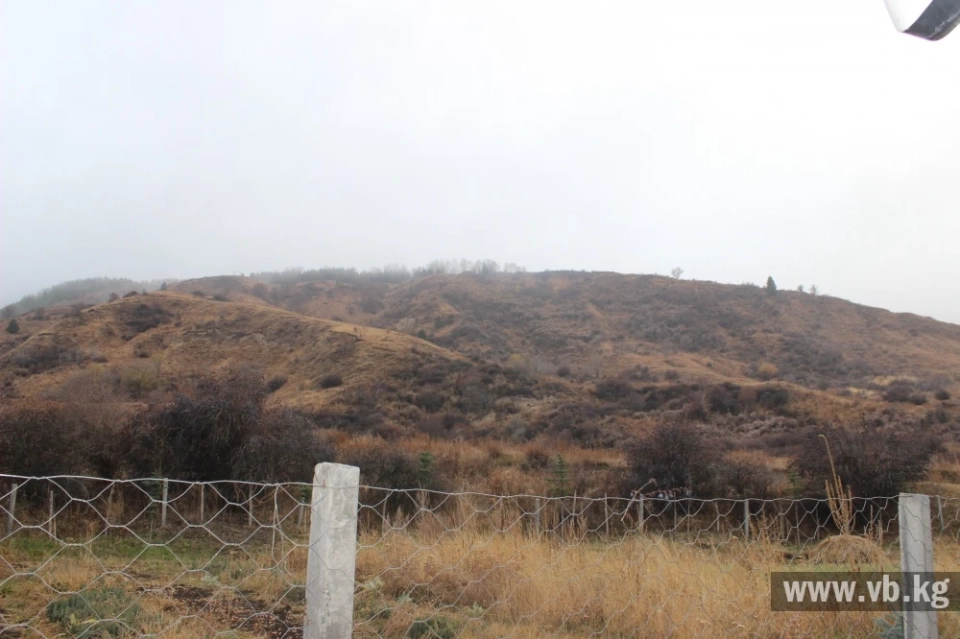
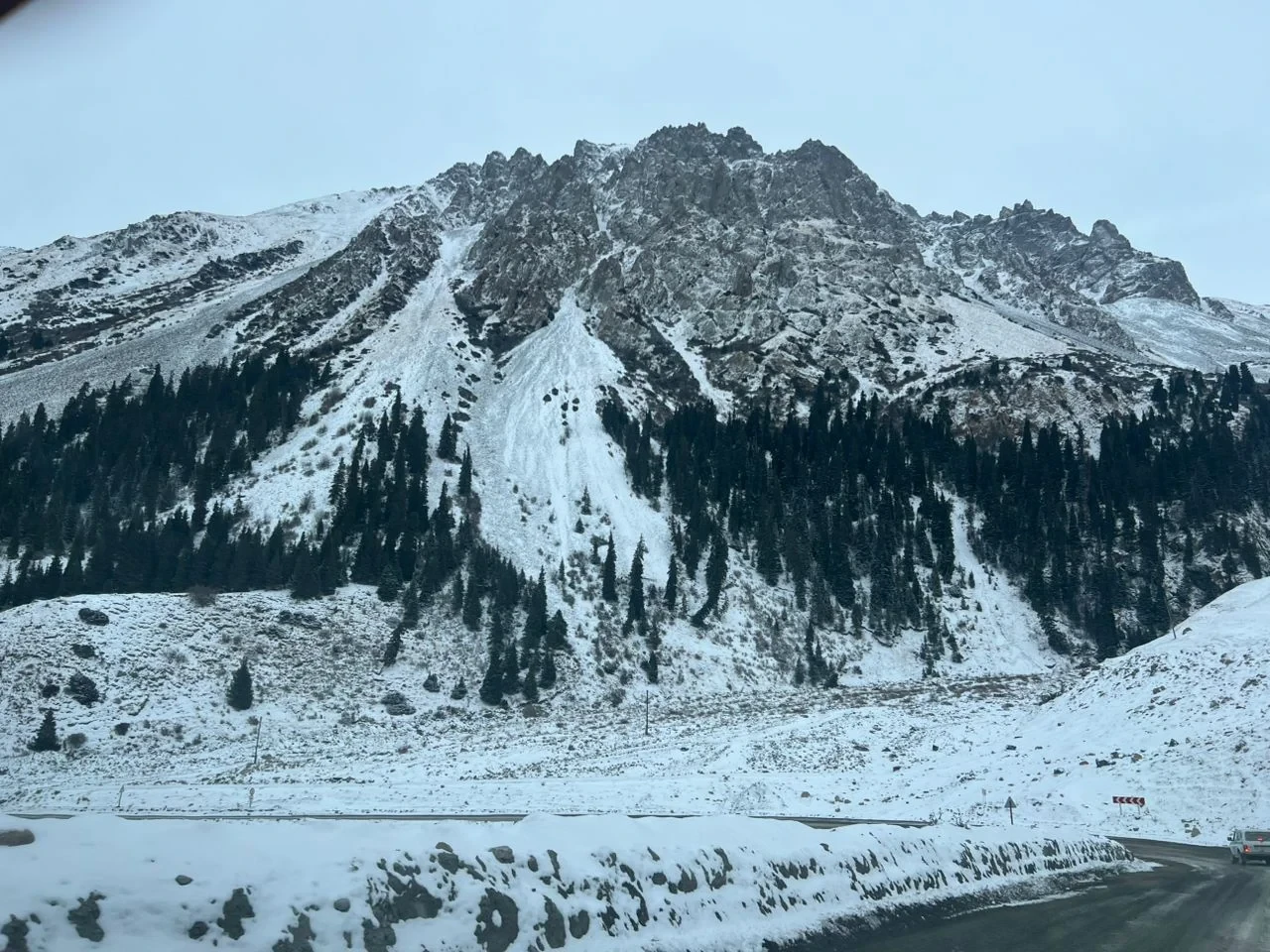
The work started in the village of Barskoon in the Issyk-Kul region and covers three key areas: Uzongu-Kuush, Ak-Shiyrak, and Ystyk.
On the first day of field research, December 8:
Approximately 450–500 argali were recorded in the territory of the Sary-Chelek Eer-Tash Nature Park, including the 10th site Koendu and the 11th site Ak-Tash.
About 900 argali were recorded in the hunting enterprise managed by the Kyrgyz State Hunting Enterprise.
The goals of this initiative include:
- updating information on the status of argali and ibex populations;
- developing and strengthening measures for the protection of rare species;
- stimulating scientific exchange and international cooperation among Central Asian countries.
The monitoring is carried out within the framework of a memorandum on the accounting of wild animals in Central Asia, to which scientists from Mongolia, Kazakhstan, Uzbekistan, and Tajikistan have joined.
Representatives from the Ministry of Natural Resources participating in the event include the head of the Biodiversity Management Department K. Mambetaliev and the director of the Sary-Chelek Eer-Tash Nature Park Ch. Chukumbaev.
Despite its small territory, Kyrgyzstan stands out for its high level of natural diversity, representing about 3% of the world’s plant biodiversity and 2% of its fauna.
The monitoring will be independent and will last until December 16, 2025.