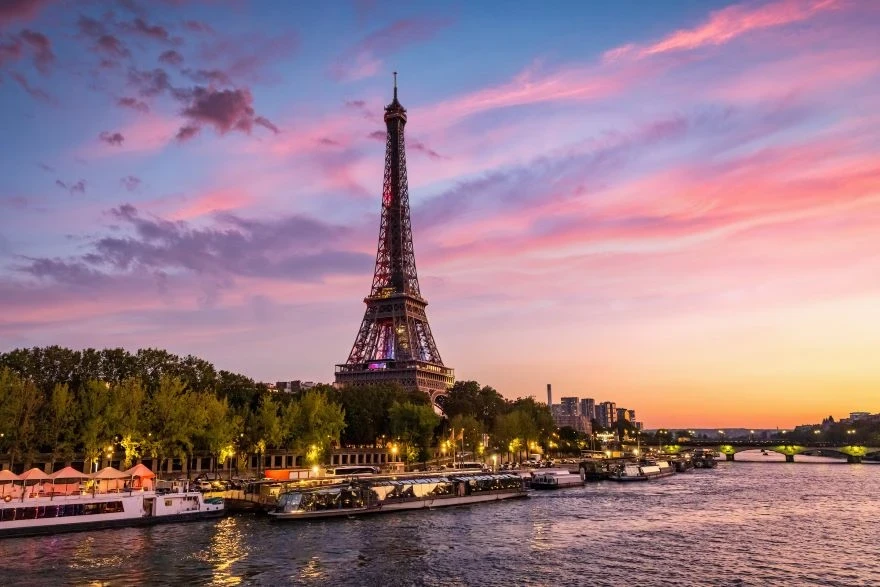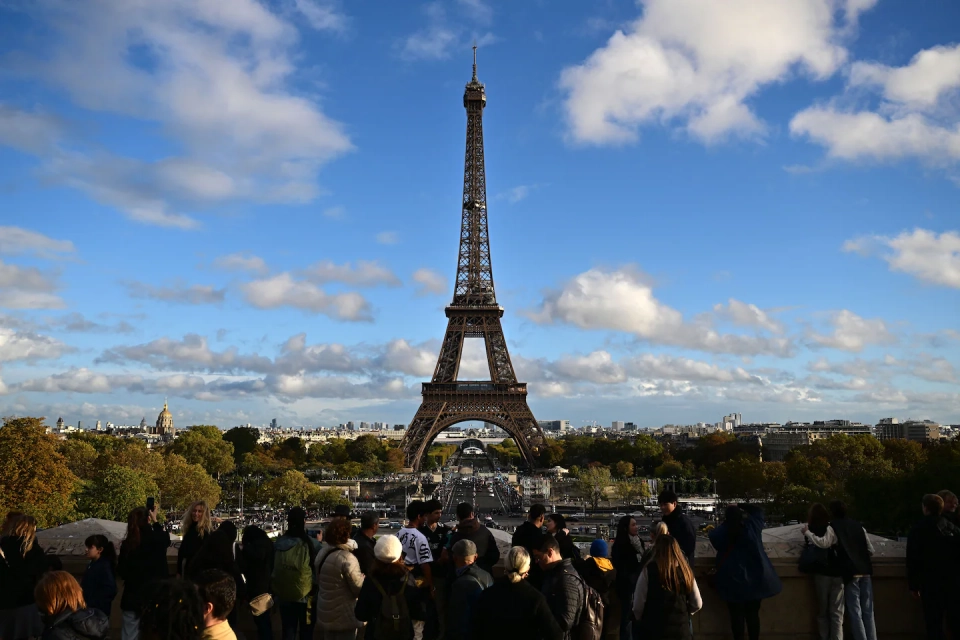
In his interview, Tokayev instructed the akim to transform Almaty into a city that will always amaze, drawing inspiration from examples of megacities such as New York, Moscow, and Paris. He also pointed out environmental activists who, in his opinion, hinder the development of mountain tourism. This statement was responded to by Zhamilya Zhaksalieva in a debate.
Before discussing megacities like New York or Paris, as well as developer companies and environmentalists, it is worth starting with a more fundamental question — ecology.
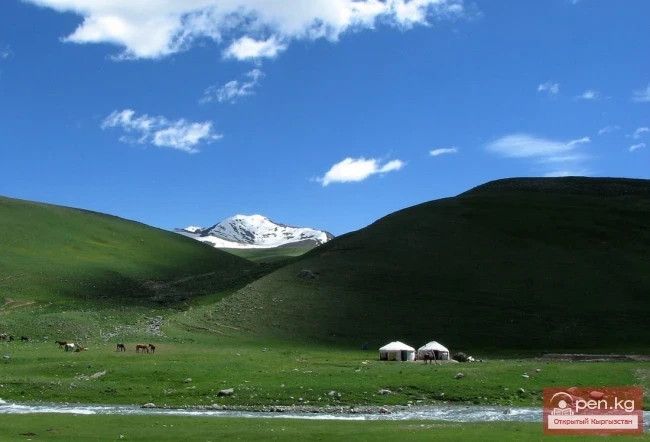
The mountains represent complex ecosystems that perform numerous functions: they stabilize slopes, regulate runoff, purify water, shape microclimates, and bear loads before the consequences become apparent.
As a forester and natural resource management specialist, as well as the first professional female golfer from Kazakhstan, I can say that I live between two worlds: the urban environment and natural landscapes.
When mountain ecosystems break down, tourism does not just decline — it disappears.
I myself continue to be amazed by the scale and noise of the large cities I have visited. While they are impressive, many seek to leave such places. From an ecological perspective, why should Almaty, a city embedded in a mountain ecosystem, copy the negative aspects of large megacities that are themselves trying to rid themselves of these issues?
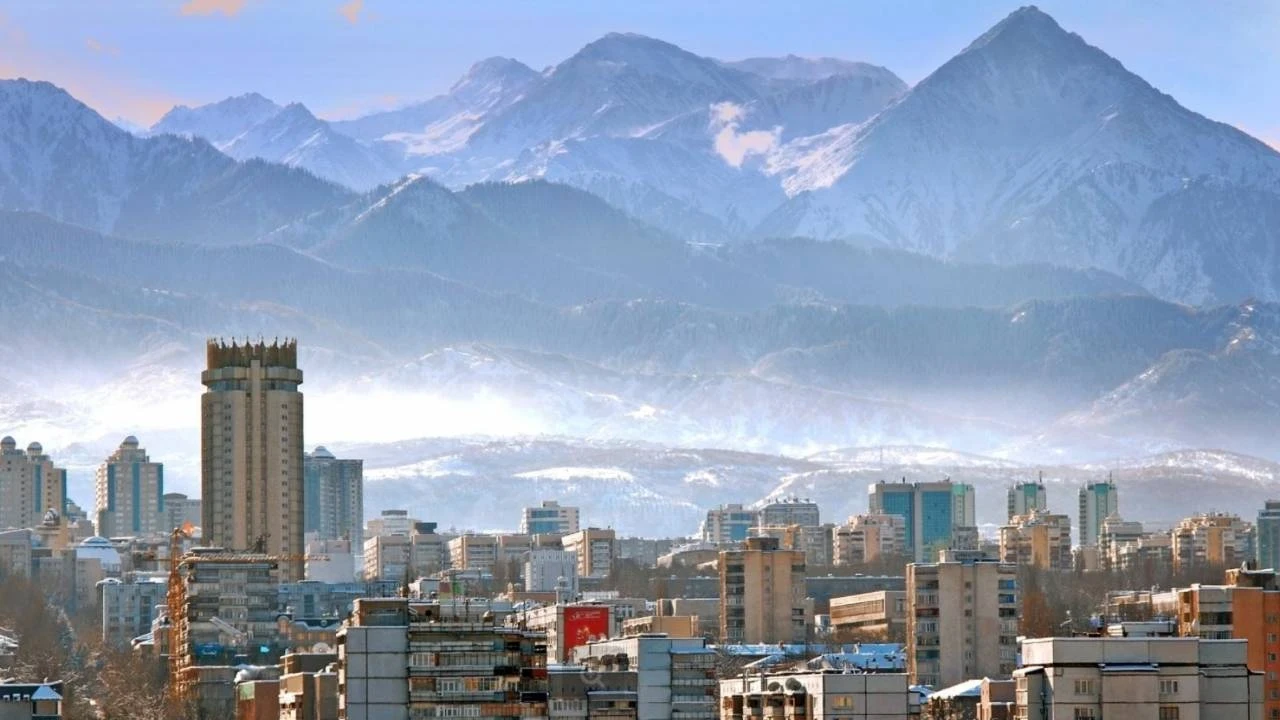
The appeal of Almaty has always been not in its size or spectacle, but in nature and the human rhythm of life. By turning the city into a noisy copy of foreign megacities, we risk losing precisely what attracts people here and makes life worthwhile.
Moreover, Tokayev noted that neighboring countries are actively developing ski infrastructure, as if this alone is proof of its feasibility. However, intensive construction in neighboring countries has also led to the destruction of local ecosystems. We should not blindly follow this example.
Tourists are not looking for another Paris or Geneva. They want Almaty.
If we are going to borrow examples from abroad, we should do so honestly. My experience working in the USA suggests that successful ski resorts did not arise from aggressive interference with nature, but developed within established constraints that show what happens when success collides with ecological and social limits.
What American ski resorts teach
The famous American ski resorts did not emerge merely due to the presence of capital, but because of the ability to preserve nature. For example, Jackson Hole became what it is thanks to the efforts of John D. Rockefeller Jr., who halted private development and included key areas in protected zones.
However, success brings its own challenges: housing for workers becomes scarce, and businesses face labor shortages. Infrastructure becomes overloaded, and resources become a subject of disputes. The experience of Jackson Hole shows that nature conservation is important, but the time it provides is not infinite. When demand exceeds resources, it becomes evident even in the most protected areas.
In Pinedale, south of Jackson, another model emerged. After uncertainty, the White Pine ski resort was acquired by billionaire Joe Ricketts, raising concerns about it becoming a second Jackson Hole. Locals opposed this, as they value their peace and closeness to nature. They do not want their town to fall victim to tourist pressure.
It is the desire to protect their culture and way of life that led to the introduction of development restrictions, allowing White Pine to remain an accessible resort with prices that are not comparable to those of Jackson Hole.
Other well-known resorts, such as Park City (Utah) and Aspen (Colorado), emerged from mining towns, where ski tourism became a way to repurpose already disturbed areas. Despite the reduction of ecological barriers, the need for regulation remained. Over time, both resorts were integrated into strict land use and water control systems.
Vail (Colorado) has developed from the outset under strict rules established by the Multiple Use–Sustained Yield Act of 1960, which allowed the creation of resorts only under continuous federal oversight. Every expansion requires environmental assessment, watershed protection, and justification for multiple uses.
Big Sky (Montana) and Deer Valley (Utah) are examples of pre-planned growth, ensuring sustainability through early decisions on ownership and access.
The conclusion is simple: successful American ski resorts arose not from the speed of construction, but from pre-established constraints aimed at preserving nature.
It's easy to blame environmentalists
Eco-activism can be chaotic and politicized, but blaming it for the problems in the tourism industry is not an argument. Tourism suffers not from uncomfortable questions, but from a lack of basic calculations.
Reclamation. Erosion control. Long-term ecological monitoring.
Watershed protection. These aspects are not slogans of activists but the foundation of successful mountain tourism. However, on the website Shymbulak.com, it is difficult to find serious discussions on these topics. The mountains are perceived as decoration rather than as a system requiring constant maintenance.
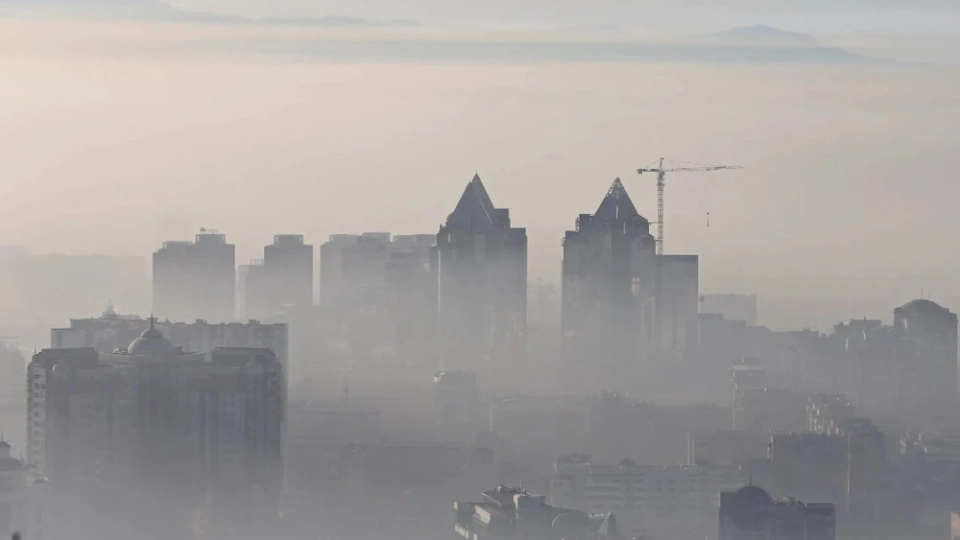
We have already polluted the air. What’s next — pollute the water?
Mountain forests are the most effective water filter. For example, New York receives some of the cleanest water in the world thanks to the protection of mountain watersheds, not by building treatment plants.
In Utah, the mountains are not only recreational areas but also water infrastructure for Salt Lake City. Therefore, any development undergoes rigorous scrutiny: everything that happens above ultimately ends up in the water supply.
This is not ecology, but infrastructure policy.
Perhaps the real reason for the problems in tourism lies not with environmentalists, but in our misunderstanding of for whom and why we are building, trying to copy foreign models instead of valuing our own land.
If we treated the land as something to be preserved rather than squeezed dry, we would be closer to those same activists. We would talk more about pollution rather than large resorts next to one of the most polluted cities.
If Kazakhstan wants to develop ecotourism, it needs a healthy ecology. Not slogans, not speed, and not comparisons with neighbors who are already paying for their mistakes.
Ecosystems do not care how impressive a project looks on paper. What matters to them is whether they can function after its implementation.
If we make a mistake, no amount of advertising will save the situation.
Source here.