In an interview with a Turmush correspondent, Azamat describes the life of livestock breeders, full of difficulties and constant responsibility. Every day for them is hard work in any weather conditions. Despite all the obstacles, they do not give up and continue to pursue their business.
Azamat recounted an unusual incident that happened to him when he got stuck on the way to Ak-Shiyrak and spent three days eating wolf meat. "On February 16, 2023, around eight in the morning, I left my pasture towards the village. The weather worsened: fog, snow, poor visibility, but I decided to continue my way home. Suddenly, my car got stuck in the snow and went off course, and I ran out of gas," he recalls.
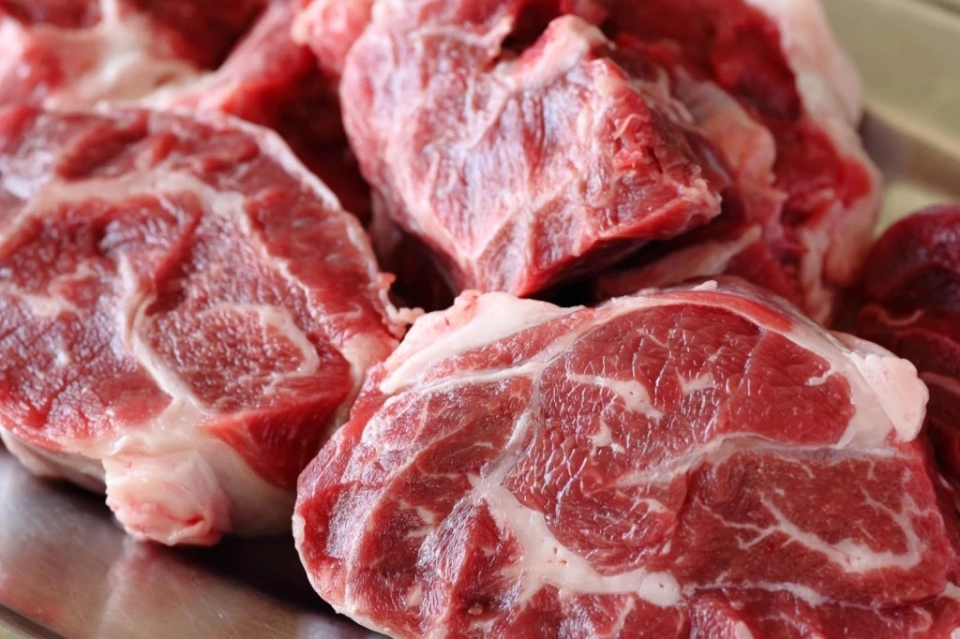
In this desperate situation, Azamat remained in place until February 19. Under normal conditions, the road takes about an hour and a half, so he did not take any food with him. During his journey, he managed to shoot a wolf, and faced with hunger, he butchered the carcass and used the meat. "I had never tried wolf meat before, but in such a situation, you have to improvise. To not lose strength, I made that decision," he shares.
After three days of waiting for the weather to improve, Azamat set off with a flashlight in hand. "Due to hunger, I was losing strength, walking 100-200 meters and then falling. To signal for help, I set my chapan on fire and shot my gun, but no one came to help. The road was so long that, leaving at 7:00, I only reached the village by 22:00," he recounts.
The snowdrifts reached his knees, and despite his exhaustion, he continued moving. The flames from the burning chapan were noticed by soldiers from the "Karasai" border post and neighbors. Two neighbors prepared their cars and were about to set off when Azamat reached the village. He collapsed from fatigue, but they offered him hot tea and advised him to get a strengthening injection, although the appropriate equipment was not available.
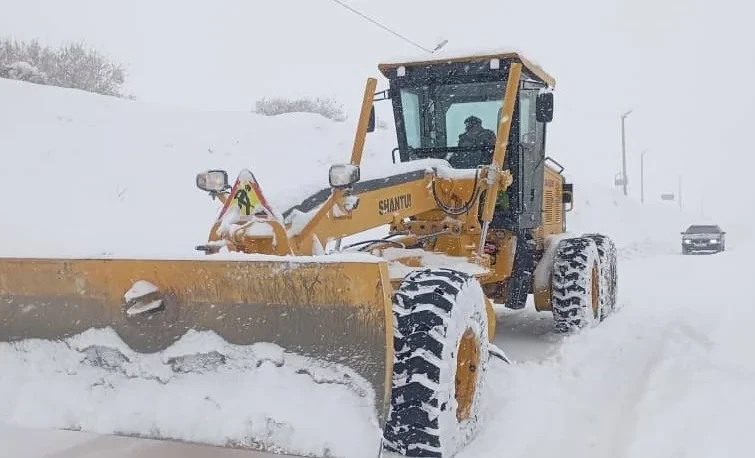
Azamat noted that the distance to Ak-Shiyrak is about 300 km. He also mentioned that stories like his are not uncommon. Road enterprise employees try to clear the roads of snow, but in heavy snowfall, this becomes a challenging task. He called for an increase in the number of snow removal vehicles, as many shepherds and livestock breeders live in this area. "If someone gets stuck on the road, help can be delayed for a long time," he adds.
The village of Ak-Shiyrak was founded in 1918, and in 1930, a village council was established, based on which a primary school opened. In 1935, the 1st of May collective farm was created. In 1962, the village of Uch-Koshkon and the Ak-Shiyrak village council were established by the Geological Management of the USSR.
The village is located 270 km from the district center, surrounded by mountains to the north and south. In winter, temperatures can drop to -40 degrees, and in summer, it is quite cool here.
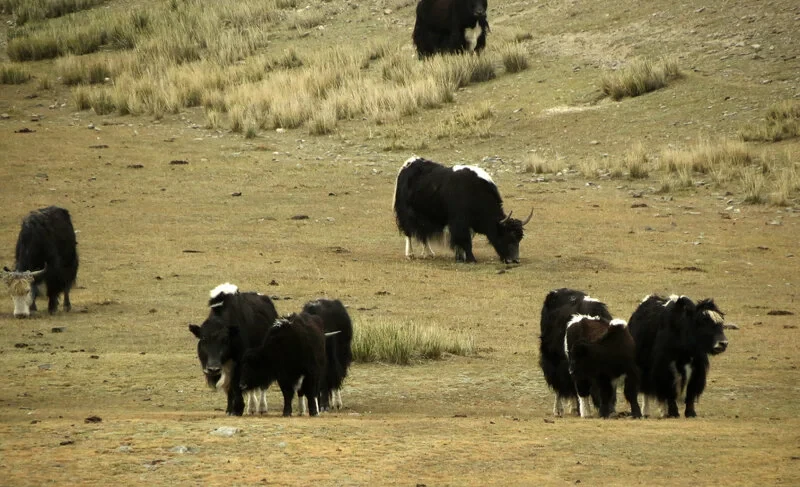
The village has a boarding school, two rural health posts, a cultural center, a hotel, a public bath, and other social facilities. It is home to more than 300 families. In 2014, a farm for raising yaks was established, and work is ongoing to increase their numbers, while local residents mainly engage in livestock farming.
According to one legend, the village got its name because of its lands, where bleached bones of wild and domestic animals were found. According to another legend, a young man working for a wealthy person received a foal for his work, and it became a famous racehorse known as "Ak-Shiyrak" (White Legs).