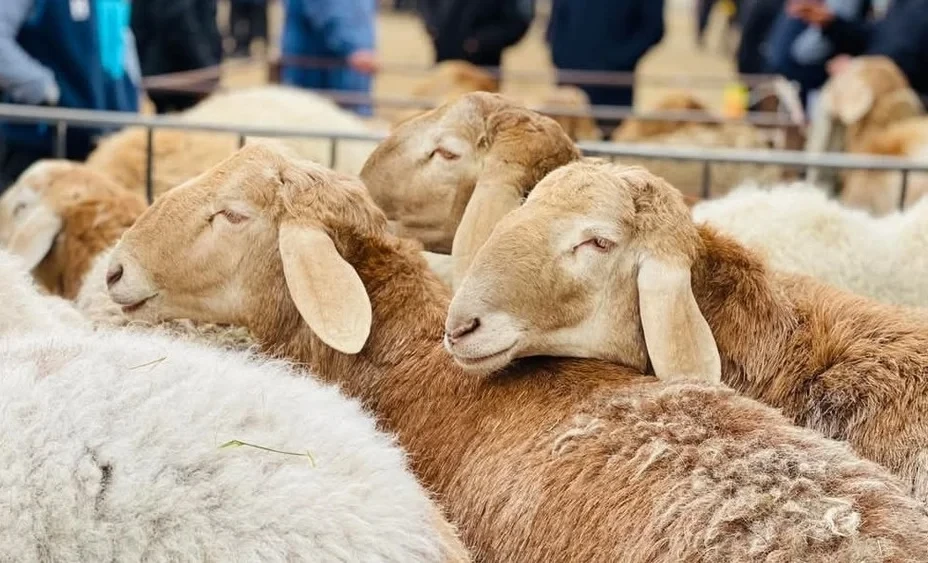
“I will talk about the state farm, relying on materials from our library. This farm focused primarily on sheep breeding,” she noted. In 1937, when mass livestock breeding began, involving the crossbreeding of animals from various farms in Kyrgyzstan and breeding state farms such as "Karavaevo" from the Kostroma and Smolensk regions, the need arose to create a breeding farm.
September 1937 became an important milestone when, by order of the People's Commissariat of State Farms of the USSR, a breeding farm was organized. As a result, this state breeding farm named after Ilyich became one of the leading enterprises for improving the Alatau breed of livestock.
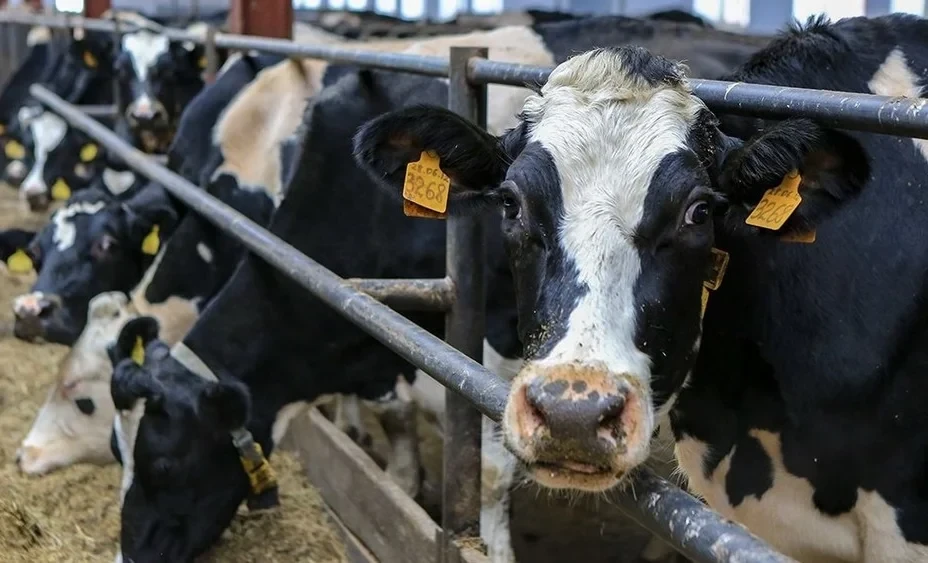
Thanks to the long-term efforts of livestock breeders, specialists, and scientists, it was possible to create high-yield livestock by crossbreeding local cows with Swiss bulls. Long-term breeding of their own breeding stock, proper selection, and improved conditions of keeping contributed to the emergence of strong brown cattle. By the decree of the Council of Ministers of the USSR dated December 14, 1950, the new breed was officially named "Alatau," Gulaiym added.
She also mentioned that before the establishment of the breeding state farm, ordinary cows were kept here, which produced little milk and meat. The main work on breeding began after the establishment of the breeding farm. From 1937 to 1940, 200 heads of Swiss cattle were brought to the state farm from the breeding farms of "Karavaevo." These animals descended from well-known breeding bulls such as Shango 254, Artist 55, Bogatyr 93, and others.
“After that, active crossbreeding of local livestock and targeted breeding of hybrid animals began, which allowed for the formation of a high-yield herd well adapted to mountain conditions,” she continued. This led to an increase in growth rates for both hybrid and purebred livestock. Elite breeding bulls such as Erpun 93, Manezh 340, Khlor 295, and others were introduced into the herd, from which the best bulls and cows were obtained, including high-yield cows from the Halva, Mushka, and Rozalin lines, which demonstrated excellent results in milk production.