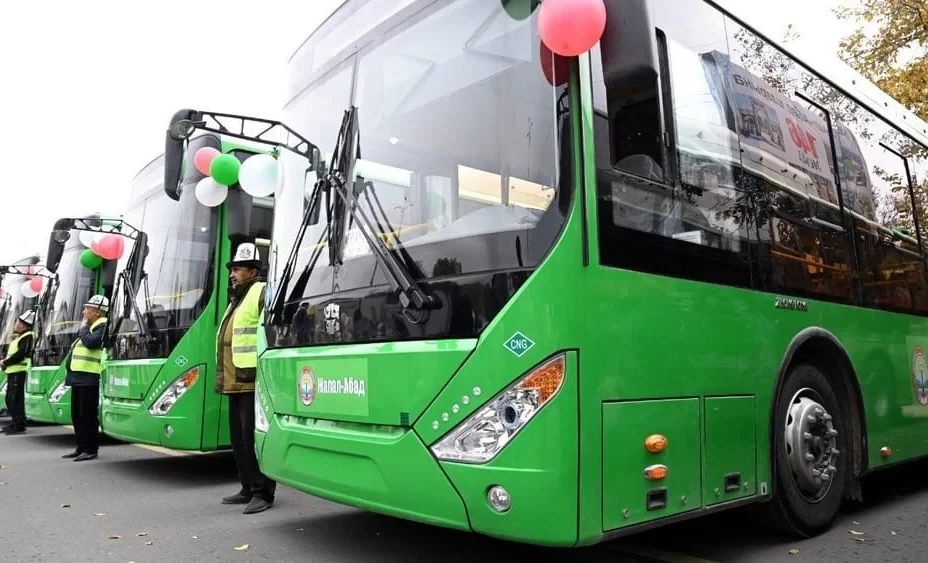
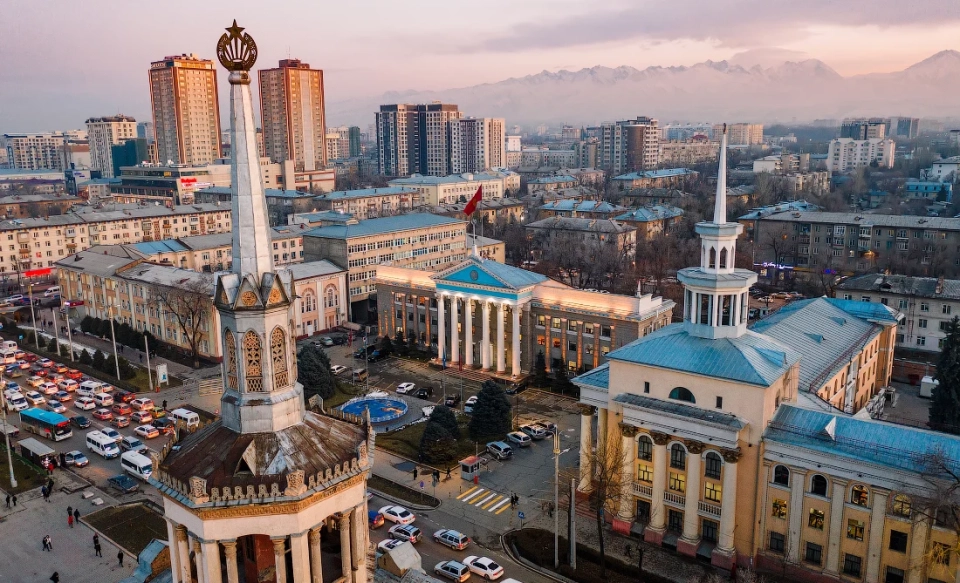
The economy of Naryn is currently primarily based on enterprises engaged in the processing of agricultural products, including meat and dairy plants, as well as companies servicing the region's energy networks. Road transport is the main means of logistics. In recent years, the city has undergone a transport reform: trolleybus lines were completely dismantled, freeing up space for modern transportation. In 2024, five electric buses were put into service, and in 2025, the city acquired 11 new buses. The Naryn Airport, located 5 kilometers east of the city, was reopened after reconstruction.
The educational institutions in Naryn include Naryn State University, the University of Central Asia, and the college of the Kyrgyz State Law Academy. The cultural life of the city is centered around the Naryn Regional Musical and Drama Theater, which is considered one of the main theatrical venues in the country.
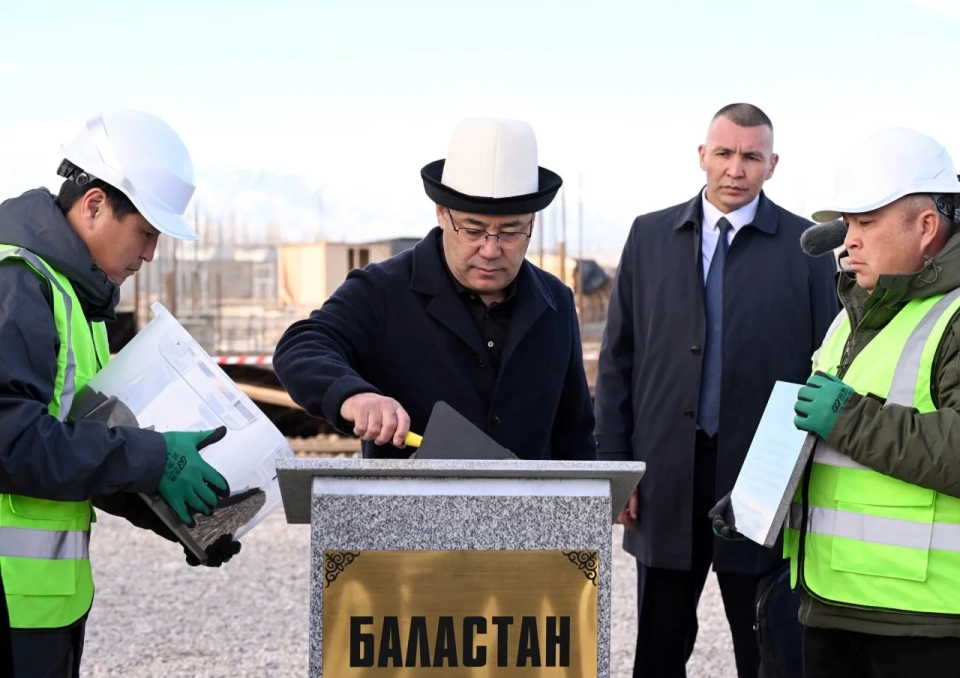
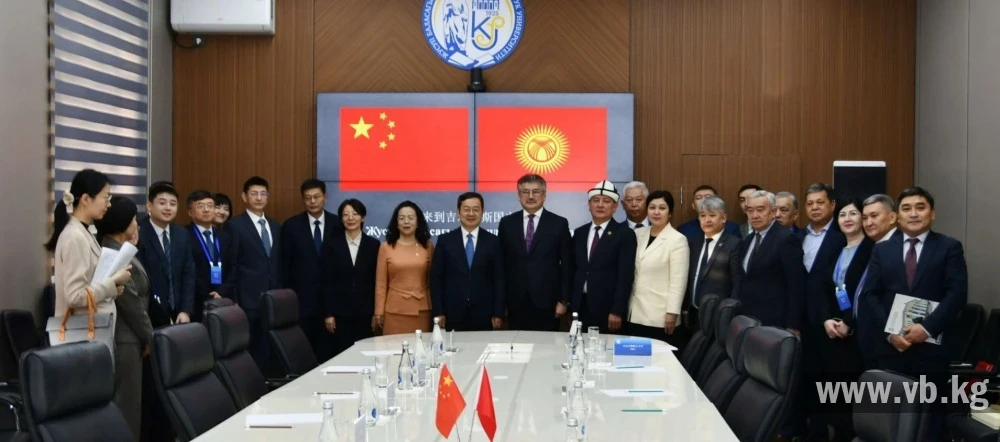
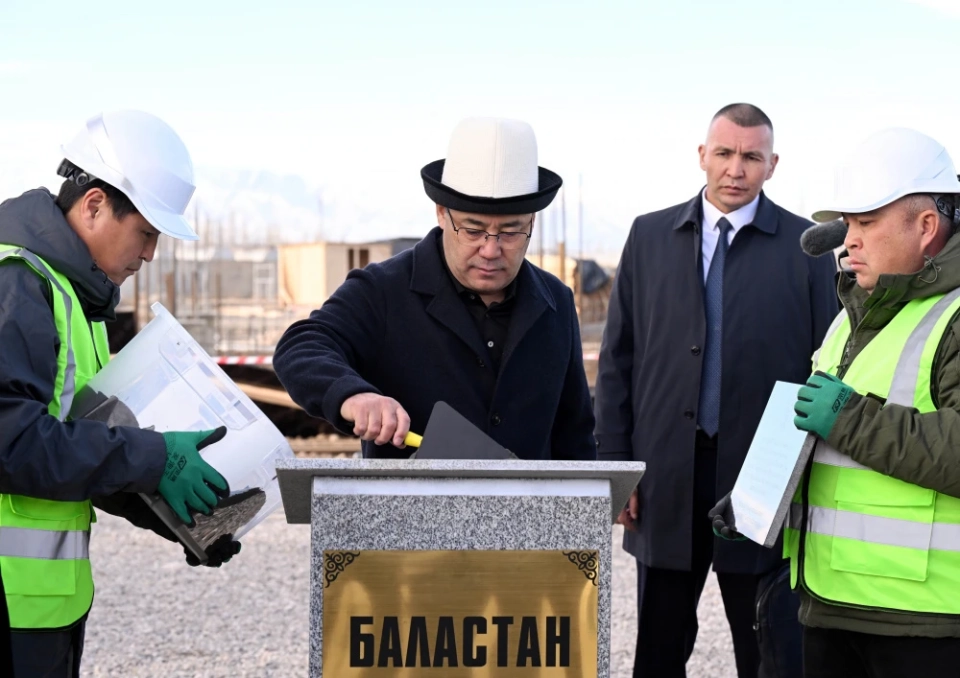
As part of the state mortgage lending program, four blocks of nine-story buildings and nine blocks of eleven-story buildings, financed by Chinese investors, are being constructed in Naryn since 2023. A public bath complex and swimming pool are also being built, along with the city's first large children's entertainment center. Additionally, the establishment of a Center for Creative Ideas and Innovations to support youth and business is planned.
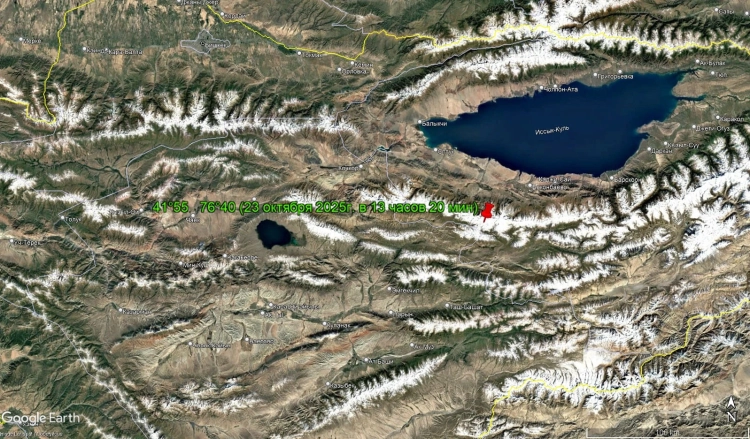
Naryn, located just 200 kilometers from the Chinese border, is considered the "gateway to China." It is one of the coldest cities in Kyrgyzstan, where winter can last from 145 to 165 days. The average temperature in January ranges from -15 to -25°C, and it can sometimes drop to -40°C.
The city of Naryn has a rich history. It emerged as an ancient settlement on the caravan route to Kashgar, which passed along one of the branches of the Silk Road. Until the mid-19th century, there was no fully developed city here.
With the incorporation of Central Asia into the Russian Empire in 1868, a Russian garrison was stationed in Naryn, marking the beginning of the city's construction. Postal communication with the Russian consulate in Kashgar was carried out through the Naryn fortification.
After the October Revolution of 1917, Naryn came under the control of the Red Army, but in 1920, a clash occurred between the Reds and the Whites. The city was liberated, and a new government was established.
Since 1927, Naryn began to take its first steps towards industrial development, with the establishment of stalls selling bread and milk. A report from the executive committee indicated that the Naryn canton lagged behind in construction rates and needed new houses for teachers and schools.
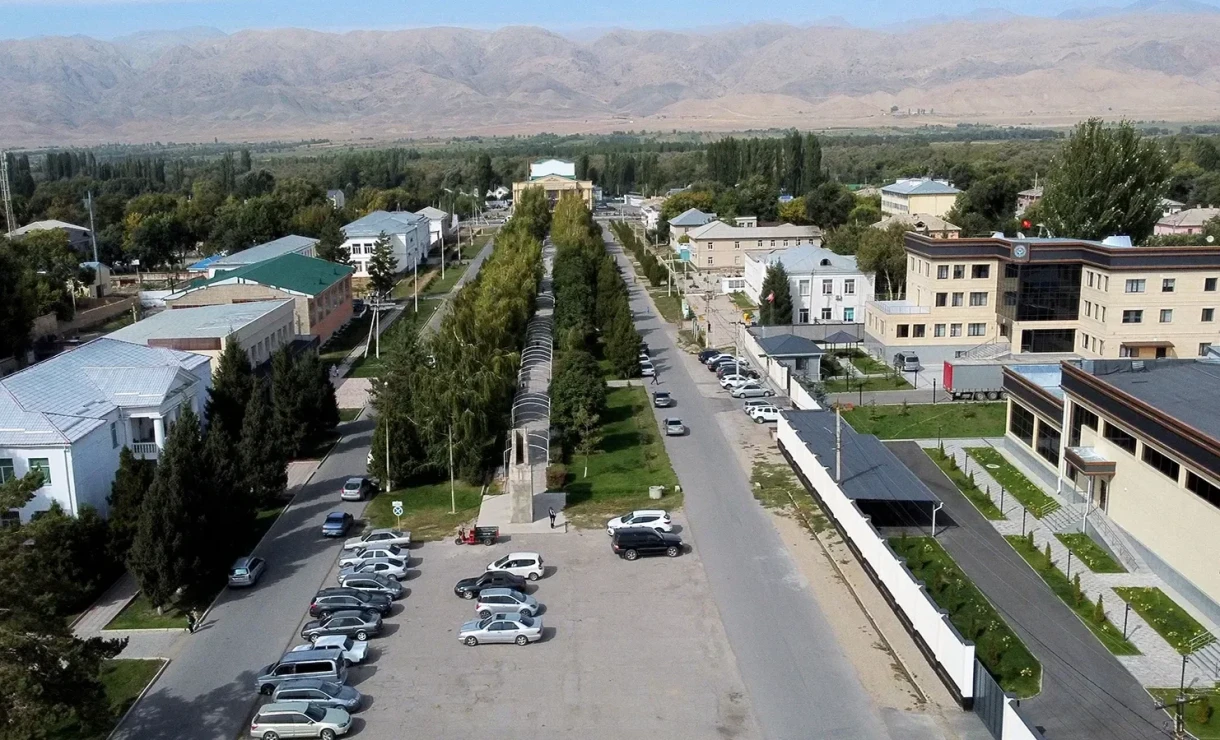
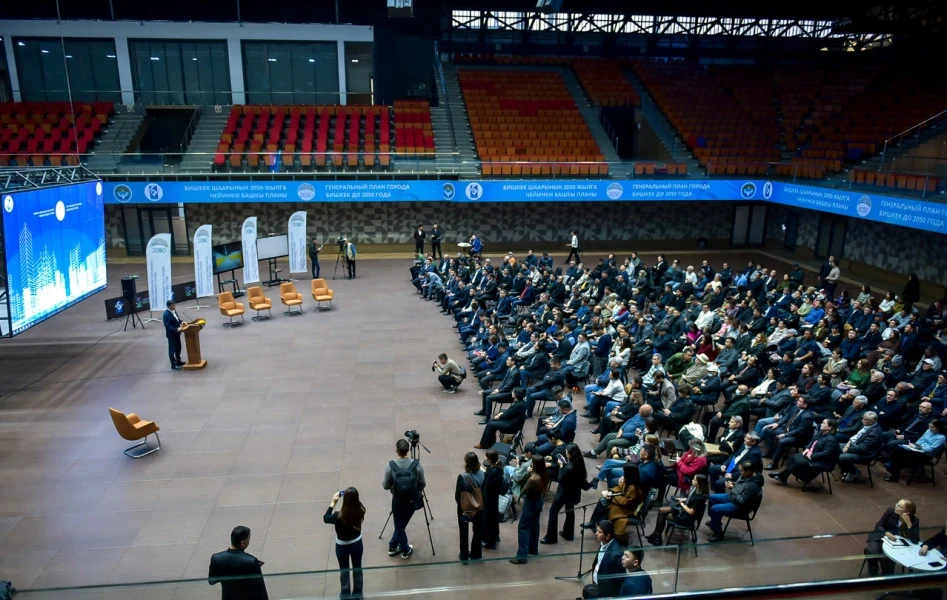
Naryn was granted city status by the decision of the Presidium of the All-Russian Central Executive Committee on January 28, 1927. Until 1939, its construction took place without a master plan, but from 1939-1940, the first master plan was developed. In 1952, under the guidance of architects, a comprehensive General Plan for the city was created, which continues to be in effect today.
Currently, Naryn is being developed according to the General Plan designed in 1979 by architects N. Karpenko, V. Ivanov, A. Strizhachenko, and L. Grishkovets.