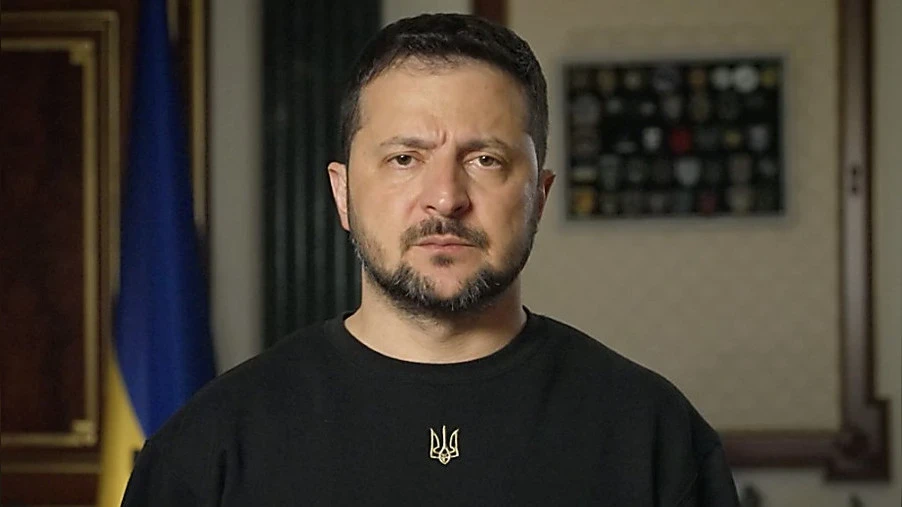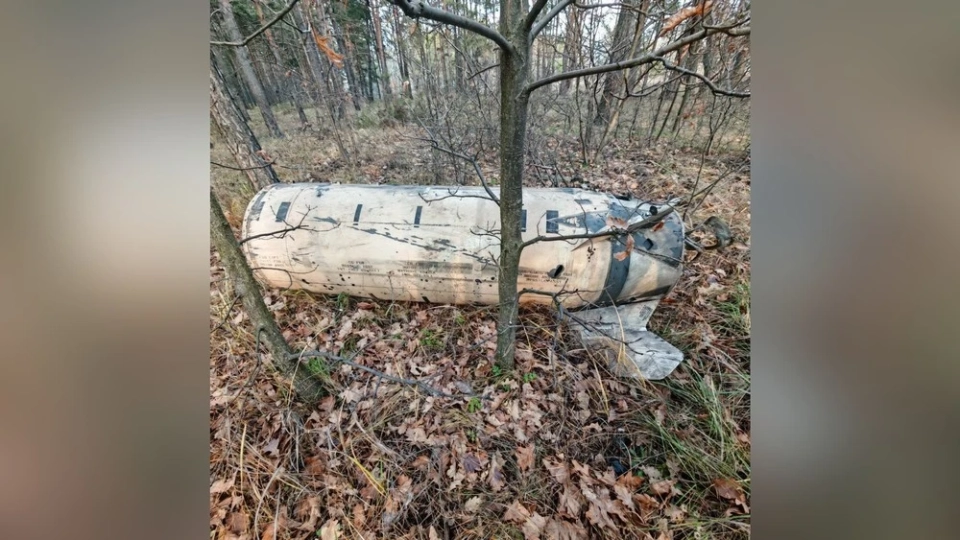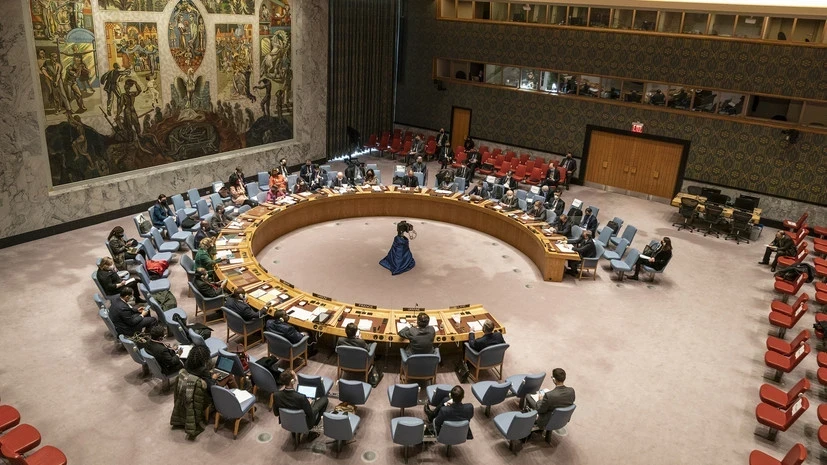
In his address, the minister emphasized that such a strike in close proximity to the borders of the EU and NATO poses a real threat to the security of the entire European continent and tests the resilience of the transatlantic community. "We demand immediate action in response to Russia's reckless actions. We are informing the USA, our European partners, and all countries, as well as international organizations, about the details of this incident through diplomatic channels. We are initiating international actions, including an emergency meeting of the UN Security Council, a meeting of the Ukraine-NATO Council, and retaliatory measures within the EU, the Council of Europe, and the OSCE," he added.
Furthermore, he refuted information that Ukraine allegedly attacked the residence of Russian President Vladimir Putin, which Moscow cited as the basis for the 'Oreshnik' strike. Sibiga also called for an increase in anti-Russian sanctions.
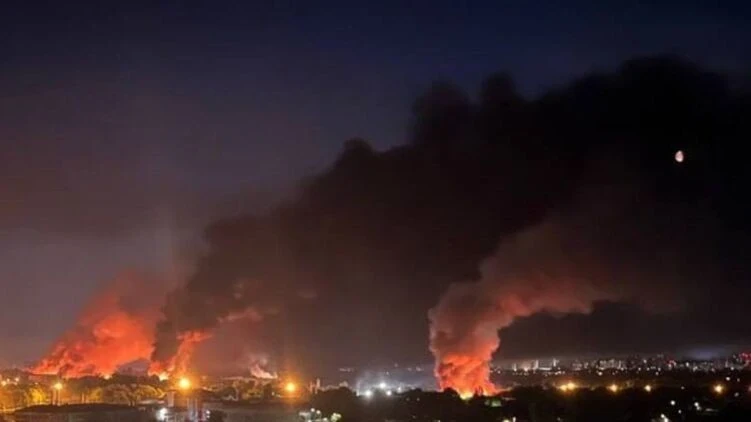
On the morning of January 9, the Russian Ministry of Defense reported an attack using 'Oreshnik', calling it a response to an alleged Ukrainian attack on Putin's residence. The Ministry noted that the targets of the strike were facilities related to drone production, as well as energy infrastructure supporting the operation of the Ukrainian defense sector.
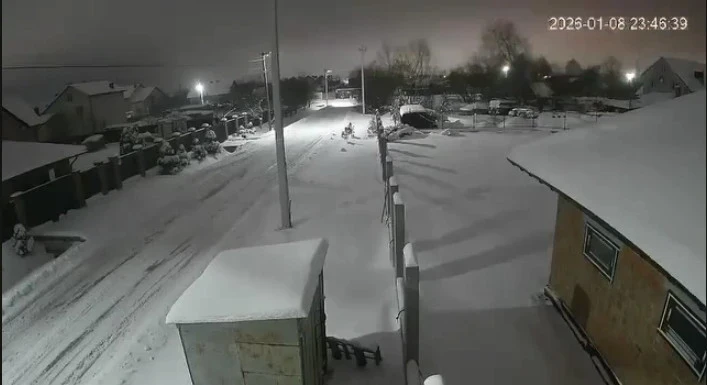
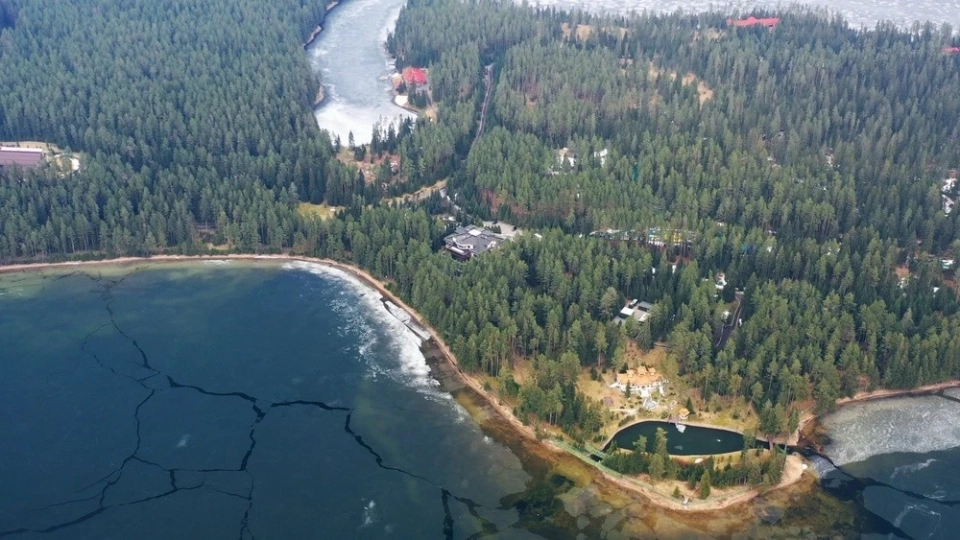
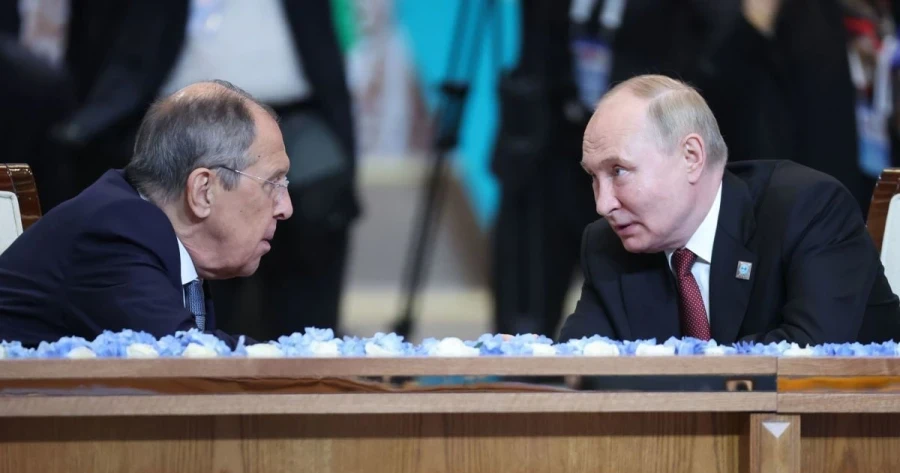
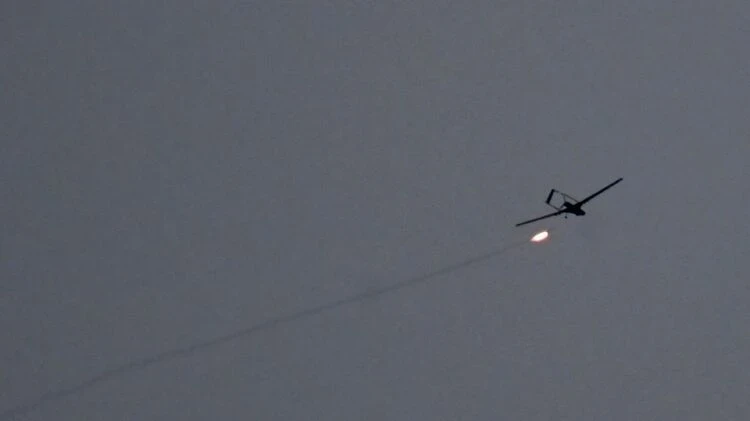
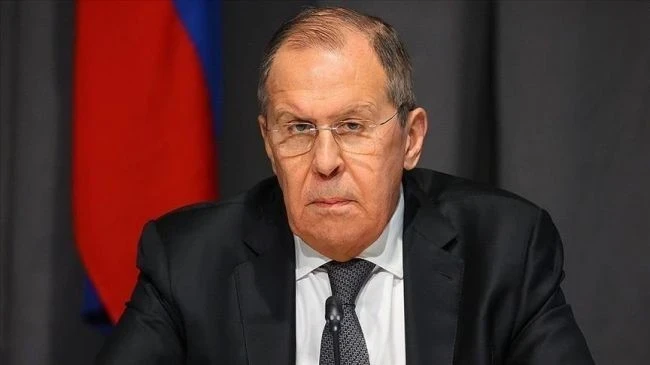
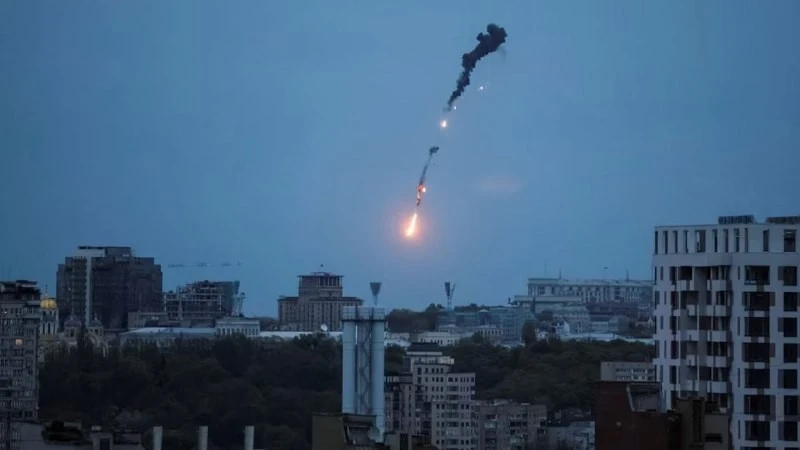
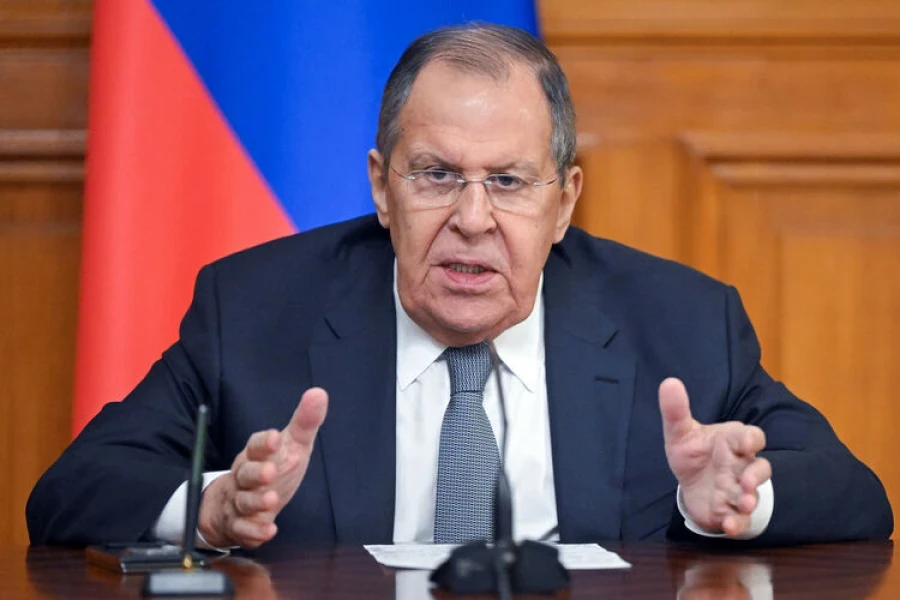
Previously, Russian Foreign Minister Sergey Lavrov stated that Ukraine attempted to attack Putin's residence with drones on the night of December 29, claiming that 91 drones were involved in this operation, all of which were intercepted.